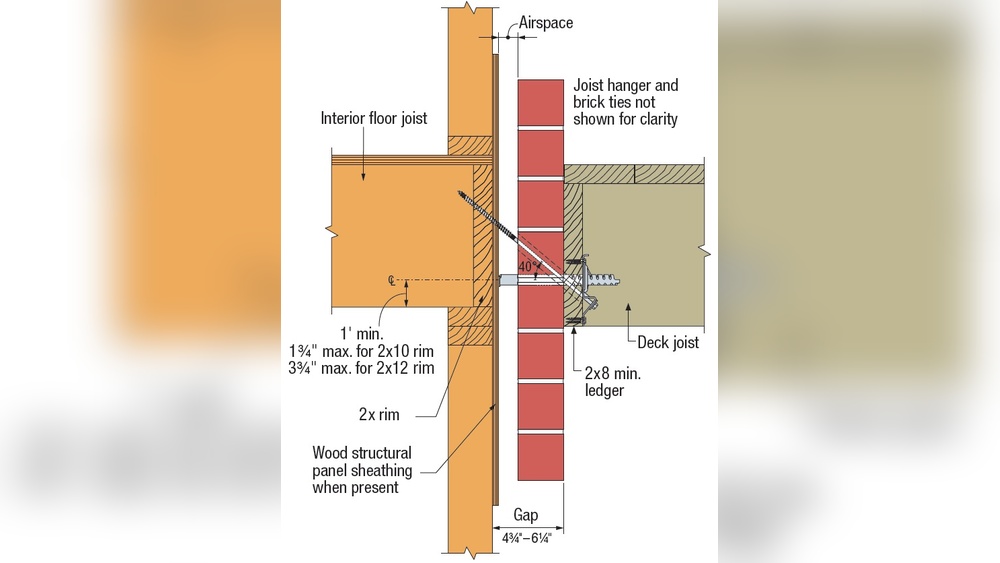
Are you looking to securely attach wood to a brick wall but don’t know where to start? Whether you’re hanging shelves, building a frame, or adding decorative features, getting the right method is key to a strong, lasting hold.
In this guide, you’ll discover simple, step-by-step tips that make anchoring wood to brick easier than you think. By the end, you’ll feel confident tackling your project with the right tools and techniques. Let’s dive in and make sure your wood stays firmly in place!
Choosing The Right Anchors
Choosing the right anchors is key to securing wood to a brick wall safely. The anchor must fit the weight and purpose of the wood fixture. Using the wrong anchor can cause damage to the wall or make the wood loose over time.
Different anchors work best for different brick types and loads. Understanding these options helps pick the best anchor for your project. This ensures a firm hold and long-lasting results.
Types Of Anchors For Brick
Plastic anchors suit light loads and small projects. They expand inside the hole and grip the brick.
Masonry screws go directly into pre-drilled holes. They hold well for medium-weight items.
Expansion anchors use a metal sleeve that expands under the brick surface. They provide strong support for heavy loads.
Lead anchors are heavy-duty and work in solid brick. They expand when the screw is tightened.
Factors Influencing Anchor Selection
Brick type affects anchor choice. Solid brick can hold stronger anchors than hollow brick.
The wood’s weight matters. Heavy wood needs stronger anchors like expansion or lead types.
Wall condition plays a role. Old or cracked brick may need gentler anchors to avoid damage.
Anchor size must match the wood and wall thickness. Too small anchors won’t hold well.
Tools Needed For The Job
Preparing the brick wall is the first step to anchor wood securely. A clean and strong surface ensures a lasting hold. Take your time to get the wall ready before drilling or fixing any screws. This helps avoid damage and weak spots later.
Cleaning The Surface
Start by removing dirt, dust, and loose material from the brick surface. Use a stiff brush or broom to sweep the area well. Clear away any paint flakes or old mortar pieces. A clean wall lets anchors grip better for strong support. Avoid wetting the brick too much, as it can weaken the hold.
Locating Solid Brick Areas
Not all parts of the wall hold anchors well. Find solid brick, not just mortar between bricks. Mortar is weaker and can crack under pressure. Tap the wall lightly to hear a solid sound. Mark the strongest spots for drilling. Anchors in solid brick give the best stability for your wood.
Preparing The Brick Wall
Anchoring wood to a brick wall requires careful steps to ensure a strong hold. Follow this simple guide to install your wood securely. Each stage is important for a solid and lasting attachment.
Marking Drill Points
Start by placing the wood where you want it on the brick wall. Use a pencil to mark the spots through the wood. Make sure marks align with the wood’s holes or spots where screws will go.
Check the marks to confirm they are straight and even. This step helps avoid mistakes when drilling.
Drilling Into Brick
Use a hammer drill with a masonry bit for best results. Drill holes at the marked points on the brick. Drill deep enough to fit the anchors fully.
Keep the drill steady and straight to avoid damaging the wall. Wear safety glasses to protect your eyes from dust.
Inserting Anchors
Push plastic or metal anchors into the drilled holes. Tap them gently with a hammer until flush with the brick surface. Anchors provide grip for the screws.
Ensure anchors fit tightly. Loose anchors can cause the wood to fall off.
Securing The Wood
Place the wood back on the wall, aligning it with the anchors. Insert screws through the wood into the anchors. Tighten screws firmly but avoid over-tightening.
Check the wood is stable and does not move. Secure wood means your project will last longer.
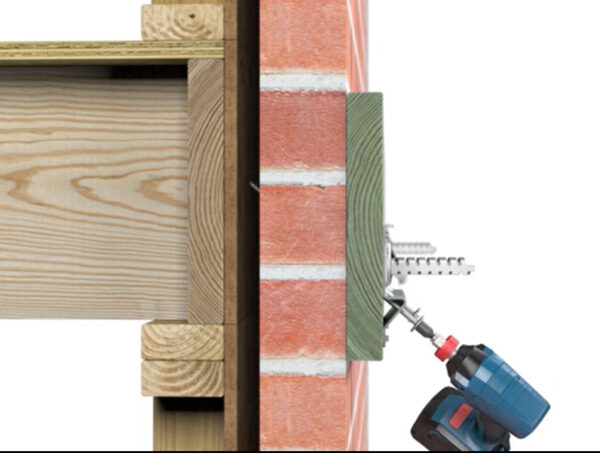
Credit: buildingadvisor.com
Step-by-step Installation
Anchoring wood to a brick wall requires care to ensure long-lasting strength. Following simple tips helps avoid damage and keeps the wood stable. These tips focus on making the connection strong and safe over time.
Avoiding Common Mistakes
Choose the right anchor for the brick type. Using the wrong anchor can cause cracking or weak hold. Drill holes carefully to avoid breaking the brick. Do not overtighten screws; this can strip the anchor or crack the wood. Measure and mark spots before drilling to keep the wood level and straight.
Ensuring Proper Weight Support
Check the weight of the wood and any items it will hold. Use heavy-duty anchors for heavier loads. Place anchors at regular intervals for even weight distribution. Test the strength by applying gentle pressure before finishing. Use washers with screws to spread the load and prevent damage.
Tips For Maximum Durability
Anchoring wood to a brick wall can be done in several ways. Besides drilling and using traditional anchors, some alternative methods work well. These options can save time and reduce wall damage. They also offer strong support for many projects. Understanding these alternatives helps choose the best method for your task.
Using Adhesive Anchors
Adhesive anchors bond wood to brick without drilling holes. They use strong glue designed for masonry surfaces. Apply the adhesive to the wood and press it firmly against the brick. Hold it in place until the glue sets. This method works best for light to medium loads. It keeps the wall intact and looks clean.
Choose adhesives made for outdoor use if the project is outside. Follow the manufacturer’s instructions for the best results. Adhesive anchors are quick and easy to use. They avoid dust and noise from drilling.
Metal Brackets And Straps
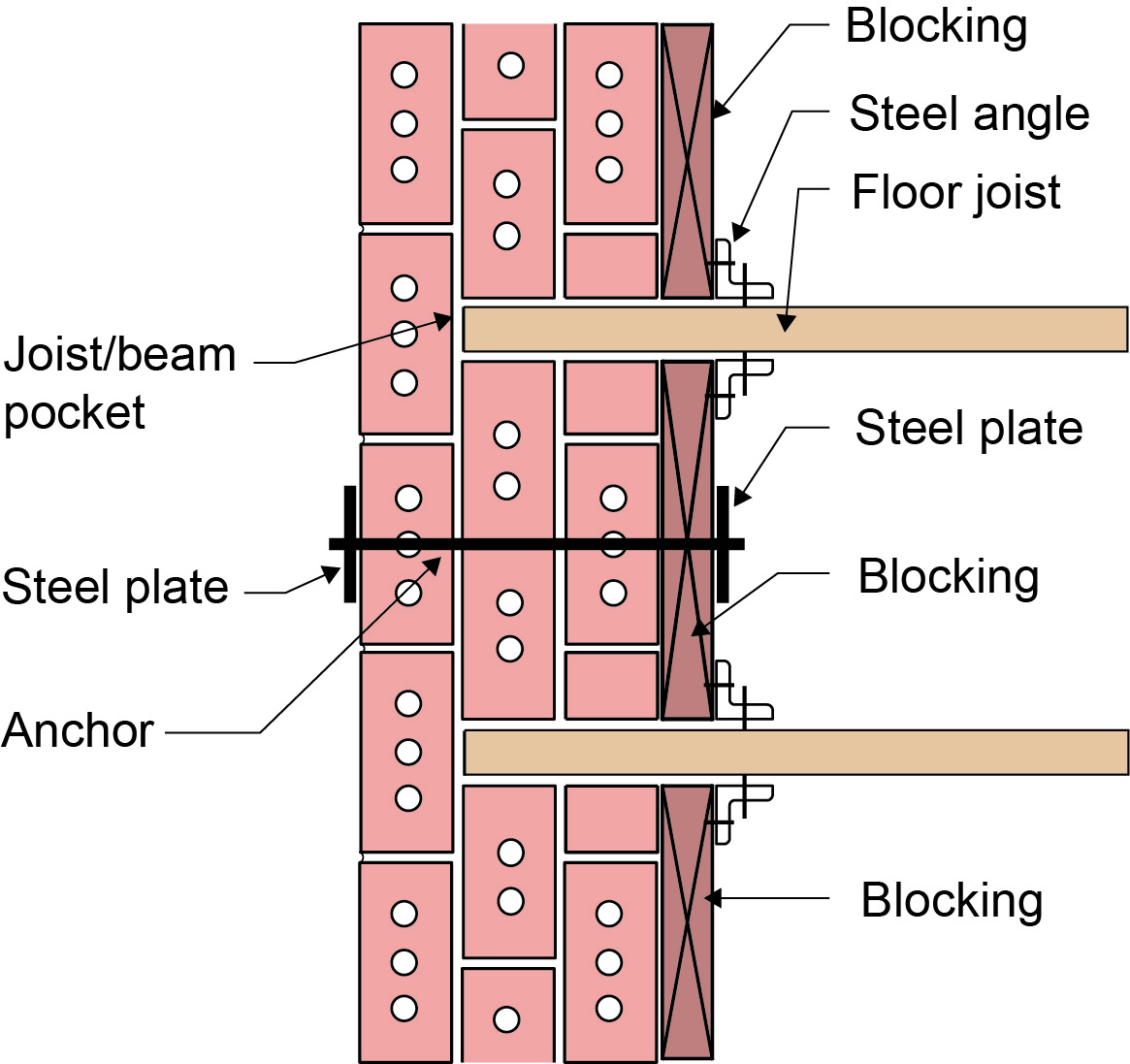
Metal brackets and straps offer a sturdy way to attach wood to brick. Attach the metal pieces directly to the wood first. Then, secure them to the wall with masonry screws or anchors. This method spreads the load evenly and adds stability.
Brackets come in different sizes and shapes. Select one that fits your project needs. Straps can wrap around the wood and fix it tightly to the wall. This approach is good for shelves, frames, and heavy items.
Ensure the screws are long and strong enough for the brick. Use a drill with a masonry bit for clean holes. Metal brackets and straps provide a durable hold and long-lasting support.

Credit: www.youtube.com
Credit: basc.pnnl.gov
Frequently Asked Questions
What Tools Are Needed To Anchor Wood To Brick Wall?
You need a hammer drill, masonry bits, anchors, screws, a screwdriver, a pencil, and a level. These tools ensure precise and secure wood attachment to brick surfaces.
Which Anchors Work Best For Wood-to-brick Attachment?
Use sleeve anchors or masonry anchors for strong, reliable wood-to-brick connections. These anchors expand in the brick, providing excellent holding power.
How Do You Drill Into A Brick Wall Safely?
Use a hammer drill with a masonry bit. Drill slowly to avoid cracking the brick. Wear safety goggles and dust mask for protection.
Can I Anchor Wood Directly Into Brick Mortar?
Avoid drilling into mortar as it’s weaker than brick. Anchoring into brick provides stronger, longer-lasting support for your wood structure.
Conclusion
Anchoring wood to a brick wall is simple with the right tools. Choose strong anchors and drill carefully. Secure the wood tightly to keep it stable. Take time to measure and mark before drilling. This method works well for shelves, frames, and more.
Always wear safety gear during the work. With practice, you will feel confident completing projects. Now, you have the basics to start your own. Give it a try and see good results.