Have you ever noticed an anchor slowly pulling away from your wall? It can be frustrating and worrying, especially if you’re relying on it to hold something important.
But don’t panic—fixing an anchor coming out of the wall is easier than you might think. You’ll discover simple, effective steps to secure your wall anchors and keep your items safe. By the end, you’ll have the confidence to handle this common problem yourself, saving time and money.
Let’s get started and make your walls strong again!

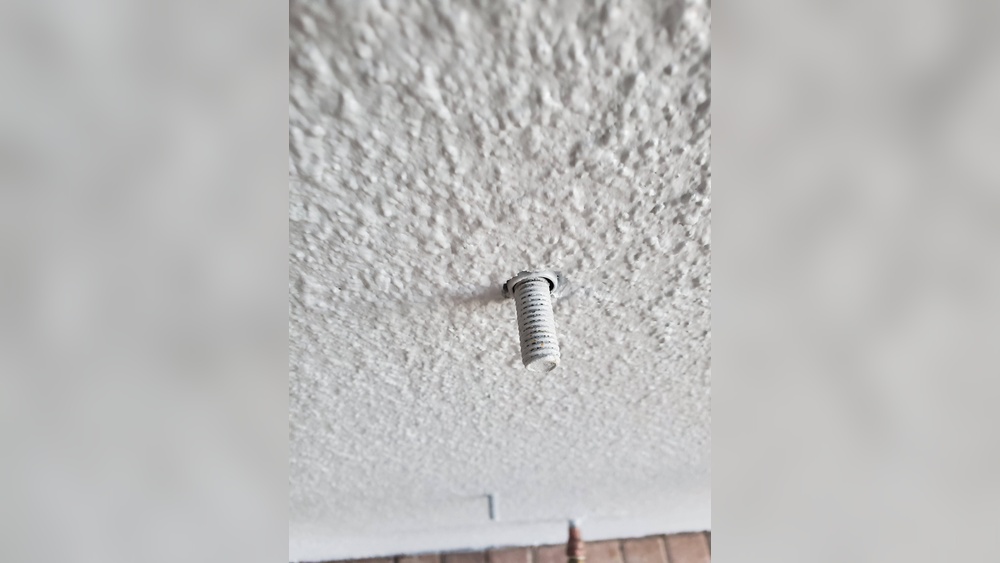
Credit: www.reddit.com
Identify The Cause
Before fixing an anchor coming out of a wall, find the cause. Understanding why the anchor is loose helps to choose the right solution. Problems vary based on wall type and anchor condition. Careful checking prevents repeated damage and saves time.
Loose Anchor Symptoms
Notice if the anchor moves when you touch it. The screw may spin without tightening. The wall around the anchor might crack or crumble. Heavy items hanging from the anchor may fall easily. These signs show the anchor is not holding well.
Wall Material Check
Check the wall type where the anchor is placed. Drywall, plaster, brick, and concrete need different anchors. Some anchors fail in soft walls or hollow spaces. Look for holes that are too big or damaged. Confirm the wall condition before choosing repair steps.
Gather Essential Tools
Gathering the right tools is the first step to fix an anchor coming out of the wall. Having everything ready makes the job easier and faster. No need to stop in the middle to find something important. Prepare all tools and materials before you start the repair.
Tools For Repair
Start with basic hand tools. You will need a screwdriver to remove screws and anchors. A drill helps to make new holes if needed. Use a hammer to tap anchors gently into place. A utility knife is useful to clean old plaster or paint around the hole. Also, have a tape measure to check the hole size. A level can keep your repair straight. Finally, safety goggles protect your eyes during the work.
Materials Needed
Use wall anchors that match your wall type, like plastic or metal anchors. Get screws that fit these anchors well. Wall filler or spackle helps to fill holes and cracks. Sandpaper smooths the dried filler for a clean finish. Painter’s tape can protect the wall edges while working. Have a small container of water to clean tools if needed. These materials ensure a strong, neat repair.
Remove The Old Anchor
Removing the old anchor is the first step to fix it properly. This step makes sure the wall is ready for a new, secure anchor. Taking out the old anchor carefully prevents damage to the wall. It also helps the new anchor hold better. Patience is important here. A quick, rough pull can make the problem worse.
Safe Removal Techniques
Use pliers to grip the old anchor firmly. Pull it out slowly and steadily. If the anchor is stuck, twist it gently while pulling. For plastic anchors, pushing them deeper into the wall sometimes works. Use a screwdriver to pry out metal anchors carefully. Avoid using too much force to protect the wall. If needed, drill around the anchor to loosen it.
Cleaning The Hole
Remove dust and debris from the hole using a brush or a vacuum. A clean hole helps new anchors fit tightly. Check the hole size with a new anchor before filling it. Fill large holes with wall filler or putty. Let the filler dry completely for a strong base. Sand the area smooth to match the wall surface. Clean holes ensure longer-lasting repairs.

Credit: diy.stackexchange.com
Repair Damaged Wall
Repairing a damaged wall is key to fixing an anchor that comes out. The wall needs to be strong and smooth for the anchor to hold well. Small holes or bigger damage can weaken the wall. Fixing these problems first helps the anchor stay in place. Here are easy steps to repair different types of wall damage.
Filling Small Holes
Small holes are common after removing anchors. Use spackling paste to fill these holes. Apply the paste with a putty knife and press it into the hole. Smooth the surface and let it dry fully. Sand the area lightly to make it even with the wall. This creates a solid base for a new anchor.
Patching Larger Damage
Larger holes or cracks need more care. Cut away loose or broken wall pieces. Use a patch kit or mesh tape to cover the hole. Apply joint compound over the patch in thin layers. Let each layer dry before adding the next. Sand the final layer smooth so it blends with the wall. This repair strengthens the wall for heavier anchors.
Choose The Right Anchor
Choosing the right anchor is key to fixing an anchor coming out of the wall. The wrong type can cause the anchor to fail again. Pick an anchor that fits the wall type and the weight of the item you want to hang. This step helps secure your fixture safely and avoids damage to the wall.
Anchor Types For Different Walls
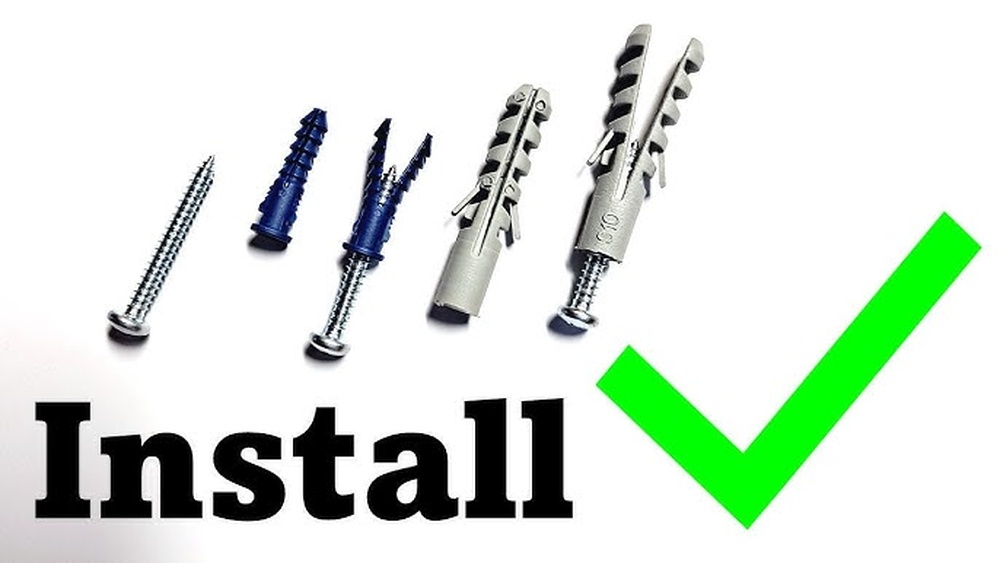
Different walls need different anchors. Drywall needs plastic expansion anchors or toggle bolts. Concrete or brick walls work best with sleeve anchors or masonry anchors. For hollow walls, use molly bolts or hollow wall anchors. Match the anchor to the wall material for strong support.
Weight Capacity Considerations
Check the weight of the item before choosing an anchor. Each anchor has a weight limit. Use anchors rated for more weight than your item. This prevents the anchor from pulling out or breaking. Strong anchors keep your wall and items safe.
Install New Anchor Properly
Installing a new anchor properly is key to fixing one that comes out of the wall. It helps the anchor hold tight and supports the weight it needs to carry. Taking care during installation prevents damage and keeps your wall strong.
Follow these steps carefully. They ensure the anchor fits and stays secure for a long time.
Drilling Correct Hole Size
Choose a drill bit that matches the anchor size exactly. The hole must be just big enough for the anchor to fit snugly. A hole too large makes the anchor loose. A hole too small can crack the wall or damage the anchor.
Drill straight into the wall to keep the hole clean. Avoid wiggling the drill. Blow away dust before inserting the anchor. This helps the anchor grip better.
Securing The Anchor
Push the anchor fully into the hole until it is flush with the wall. Tap gently with a hammer if needed. Make sure it does not stick out or sit too deep.
Insert the screw slowly and tighten it carefully. The anchor expands inside the wall, locking it in place. Stop tightening once the screw is firm. Over-tightening can break the anchor or damage the wall.
Test The Fix
After fixing the anchor coming out of the wall, it is important to test the fix. This step ensures the repair is strong and safe. Testing helps avoid future problems and keeps your wall secure.
Checking Stability
Gently pull or push the anchor to check its hold. It should not move or feel loose. Try to apply light pressure in different directions. If the anchor stays firm, the fix is solid. If it moves, you may need to redo the repair.
Preventing Future Issues
Use the right size and type of anchor for your wall. Avoid overloading the anchor with heavy items. Regularly inspect the anchor to catch any signs of loosening. These steps help keep your anchor secure for a long time.
Alternative Solutions
Sometimes anchors pull out of walls because the wall material is weak or the anchor is not right. Changing the type of anchor can help fix this problem. Using different anchors can offer better hold and prevent future issues. Here are two useful alternatives that work well for many wall types.
Using Adhesive Anchors
Adhesive anchors use glue to hold the anchor inside the wall. First, clean the hole to remove dust and debris. Next, inject the adhesive into the hole. Push the anchor into the glue-filled hole. Wait for the adhesive to dry completely before adding any weight. This method works great for drywall, plaster, and masonry. It gives a stronger grip than regular plastic anchors. Adhesive anchors reduce the chance of the anchor coming loose again.
Switching To Toggle Bolts
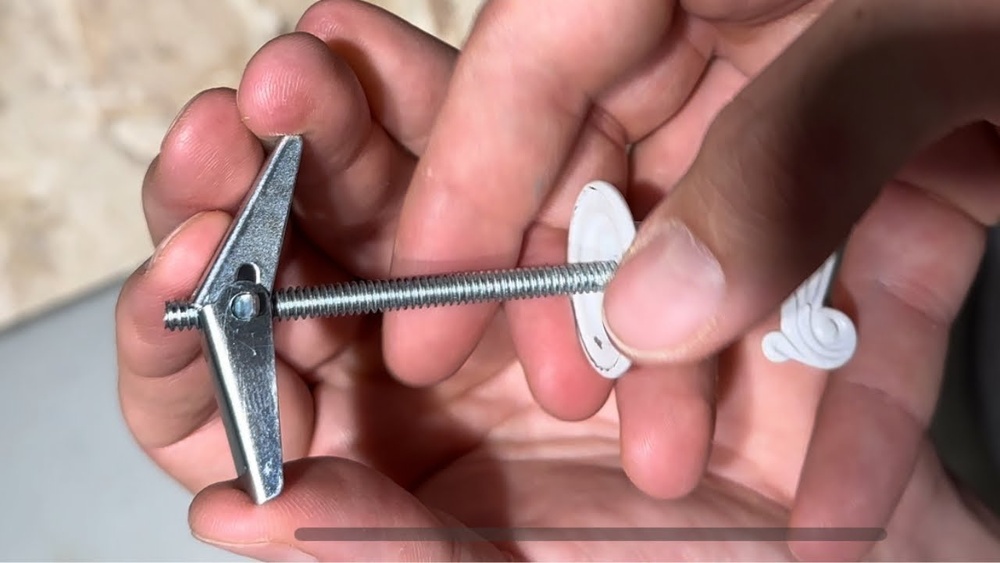
Toggle bolts have wings that open behind the wall. Drill a hole big enough for the folded toggle. Insert the toggle bolt through your item and into the hole. The wings open inside the wall, creating a strong hold. Toggle bolts work well on hollow walls like drywall. They spread the weight over a larger area. This helps prevent the anchor from pulling out. Toggle bolts come in different sizes for various needs.

Credit: www.youtube.com
Frequently Asked Questions
Why Does An Anchor Come Out Of The Wall?
Anchors come out due to loose fitting, poor installation, or weak wall material. Overloading also causes anchors to pull out.
How Can I Fix A Wall Anchor That’s Loose?
Remove the loose anchor, fill the hole with wall filler or epoxy. Re-drill and insert a new anchor properly.
What Tools Do I Need To Fix A Wall Anchor?
You’ll need a drill, screwdriver, wall filler or epoxy, putty knife, and new anchors for repair.
Can I Reuse A Wall Anchor After It Comes Out?
Reusing is not recommended. The hole enlarges, reducing grip. Always use a new anchor for secure fixing.
Conclusion
Fixing an anchor coming out of the wall is simple with the right steps. Choose the correct anchor and prepare the hole carefully. Tighten the anchor gently to avoid damage. Small repairs can save you time and money later. Stay patient and work slowly for the best results.
A secure anchor keeps your wall safe and strong. Try these tips for a quick and lasting fix.