Have you ever found yourself locked out, standing in front of your door with no key in hand? It’s frustrating and can feel like a dead end.
But don’t worry—there are simple ways to open a deadbolt lock without a key, and you can learn them right now. Whether it’s an emergency or you just need a quick solution, understanding these methods can save you time and stress.
Keep reading, and you’ll discover easy, practical steps to regain access without calling a locksmith. Your lockout problem is about to become a thing of the past.
Tools Needed
Opening a deadbolt lock without a key requires some tools. These tools help you move the lock parts inside. Some tools are easy to find at home. Others are made just for lock picking. Knowing what tools to use is important for success.
Common Household Items
Many times, simple household items can help open a deadbolt. A bobby pin or paperclip works well. Straighten the clip and bend one end slightly. This acts as a pick to lift the lock pins. A tension wrench can be made from a small flat piece of metal. A butter knife or a small screwdriver might help turn the lock.
These items are easy to find and cost nothing extra. They work better on older or simpler locks. Practice is important to use them without damaging the lock.
Specialized Lock Picking Tools
Special tools make lock picking easier and faster. A lock pick set usually has several picks and tension wrenches. Picks come in different shapes to fit various locks. These tools let you lift pins one by one. They offer better control and precision.
Lock pick sets are available online or in specialty stores. Beginners should start with basic sets. Using these tools requires some skill and patience. Learning the right technique improves chances of opening the lock.

Credit: rapidlocksmith.ca
Using A Credit Card
Using a credit card is a common way to open a door with a deadbolt lock. This method works best on spring bolt locks, not on deadbolts that have a deadlocking latch. The card helps push the latch back, allowing the door to open without a key.
It takes a bit of practice and the right card to succeed. The card must be flexible but strong enough to slide between the door and frame. The technique involves sliding the card in and out while applying pressure to the latch.
Choosing The Right Card
Pick a card that you do not mind damaging. Old gift cards or expired membership cards work well. The card should be thin and flexible to slide easily. Avoid thick or hard cards like credit cards with chips. A smooth edge helps to push the latch back smoothly.
Step-by-step Sliding Technique
Start by placing the card between the door and the frame near the latch. Tilt the card slightly towards the door frame. Push the card in and wiggle it up and down to find the latch. Apply steady pressure to slide the latch back. Keep pushing and turning the door handle at the same time. Repeat the motion until the door opens.
Lock Picking Basics
Lock picking is a skill that helps open locks without keys. It needs patience and practice. Understanding how locks work is the first step. This knowledge makes picking easier and more effective. Here are the basics to start with.
Understanding Pin Tumbler Mechanism
Most deadbolt locks use a pin tumbler system. Inside the lock, tiny pins stop the lock from turning. Each pin has two parts: a key pin and a driver pin. The key pushes these pins to the right height. When all pins align, the lock cylinder can turn freely. This is how the lock opens with the correct key.
Using A Tension Wrench And Pick
Two tools are used for picking: a tension wrench and a pick. The tension wrench applies slight pressure to the lock cylinder. This pressure holds pins in place once they reach the right height. The pick lifts the pins one by one. You feel a small click when a pin sets correctly. Repeat until all pins are set. Then, the lock turns open.
Bump Key Method
The bump key method is a popular way to open a deadbolt lock without a key. It uses a special key designed to fit many locks. By tapping the key inside the lock, pins inside jump to the right position. This allows the lock to turn and open.
This method needs some practice and care. It works best on standard pin tumbler locks. People often use it for emergencies or when keys are lost. Knowing how to use a bump key safely is very important.
What Is A Bump Key?
A bump key is a key cut to the lowest notch on all its pins. It looks like a regular key but can fit many locks. When tapped sharply, it pushes pins inside the lock upward. This action frees the lock cylinder to turn.
Bump keys come in different shapes for various lock brands. They are easy to carry and use. However, they do not work on all types of locks. Some advanced locks have protections against bumping.
How To Use A Bump Key Safely
First, insert the bump key fully into the lock. Then, pull the key back slightly. Use a small tool or your hand to tap the key sharply. This taps the pins inside the lock.
Hold slight turning pressure on the key while tapping. If done right, the lock cylinder will turn. Do not use too much force to avoid damaging the lock. Practice on old locks before trying on important doors.
Only use bump keys on locks you own or have permission to open. Using bump keys on others’ property is illegal. Always act responsibly and respect privacy.
Drilling The Lock
Drilling the lock is a last-resort method to open a deadbolt without a key. It means making a hole in the lock cylinder to stop the pins inside from working. This forces the lock open but damages it beyond repair. Drilling should only be done when all other methods fail or if you have no other choice. It is a quick way to get inside but requires care and the right tools.
When To Consider Drilling
Drilling should be your final option. Use it only if picking or bumping the lock does not work. If you do not have access to a locksmith fast, drilling is a way to enter. Also, consider drilling if the lock is old or cheap. These locks often cost less to replace than to repair. Drilling can save time and stress in urgent situations. Always weigh the damage against your need to open the door quickly.
Safe Drilling Procedures
Start by wearing safety glasses and gloves. Use a power drill with a strong metal bit. Position the drill bit at the center of the lock cylinder. Drill slowly and steadily to avoid slipping. Stop drilling when you reach the pins inside the lock. Once drilled, use a screwdriver to turn the lock cylinder. This breaks the lock mechanism and opens the door. Clean up metal shavings to prevent injury or damage. Remember, drilling destroys the lock, so prepare to replace it after.
Credit: www.youtube.com
Alternative Entry Options
Sometimes, keys get lost or locked inside. In such cases, alternative entry options help you get inside without the key. These methods focus on accessing the door or nearby areas safely and effectively. They require simple tools and careful steps to avoid damage.
Removing The Door Handle
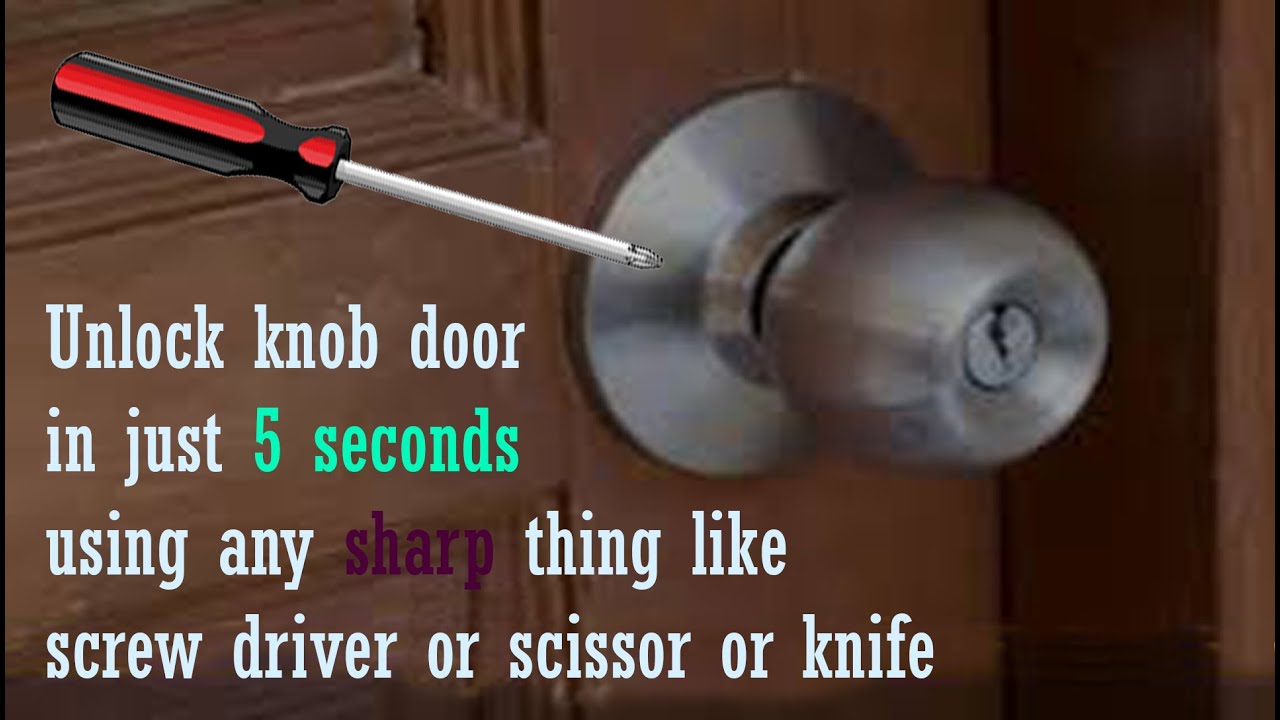
Removing the door handle can give access to the lock mechanism. Most door handles have visible screws on the faceplate or under a small cover. Use a screwdriver to remove these screws carefully. After removing the handle, you can reach the deadbolt lock’s inner parts.
Once the handle is off, try turning the spindle or use a flat tool to move the lock bolt. This method works best on older doors or simple locks. Be gentle to avoid breaking the lock or door.
Accessing Through Adjacent Windows
Windows next to the door offer another way inside. Check if any nearby window is unlocked or easy to open. Sliding or casement windows are usually simpler to open from the outside.
Remove window screens or use a tool to slide the window open slightly. This method lets you reach door locks or handles from the inside. Always be careful to avoid damaging the window glass or frame.
Preventing Lockouts
Lockouts can be stressful and inconvenient. Taking steps to prevent them saves time and worry. Small actions today make a big difference tomorrow. Protect your access and avoid trouble.
Spare Key Strategies
Keep a spare key in a safe place outside your home. Trusted neighbors or family members can hold a copy. Avoid hiding keys in obvious spots like under mats. Use a lockbox with a code for extra security. Regularly check that spare keys are accessible and not lost. These steps help you get inside without damage or delay.
Smart Lock Alternatives
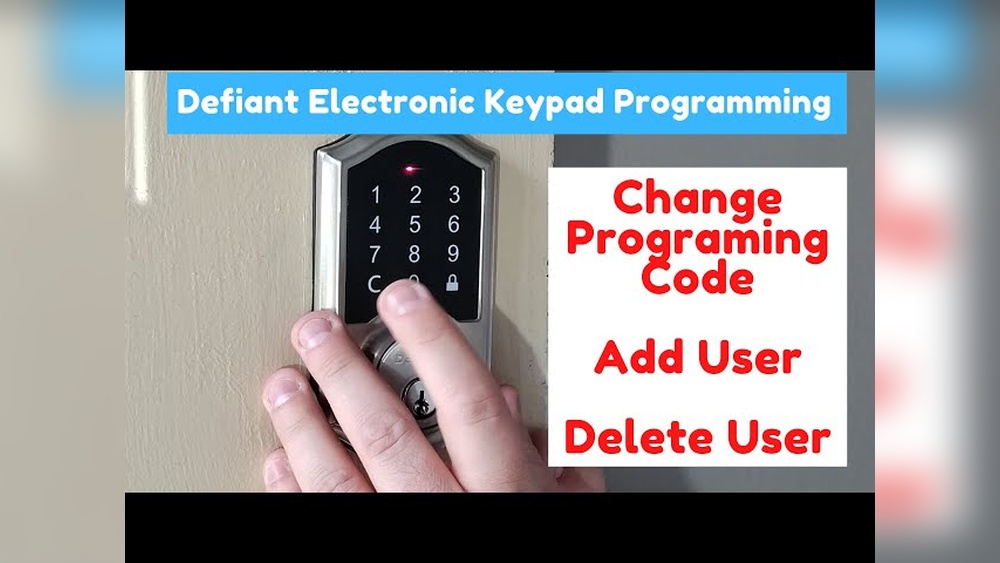
Smart locks offer keyless entry using codes or apps. You can open your door with a phone or keypad. Some models allow temporary access for guests or workers. Smart locks reduce the risk of losing physical keys. They need batteries, so keep spares handy. Consider smart locks for convenience and better control of your door.

Credit: www.youtube.com
Frequently Asked Questions
How Can I Open A Deadbolt Without A Key?
You can open a deadbolt without a key using lock picking, bump keys, or credit card methods. These techniques require some skill and tools. Always ensure you have legal permission before attempting to unlock any door.
Is It Legal To Unlock A Deadbolt Without A Key?
Unlocking a deadbolt without a key is legal only if you own the property or have permission. Unauthorized entry is illegal and punishable by law. Always confirm your rights before attempting to open any lock.
What Tools Do I Need To Pick A Deadbolt Lock?
To pick a deadbolt, you need a tension wrench and a lock pick. These tools help manipulate the lock pins to unlock the door. Practice and patience are essential for success with these tools.
Can A Credit Card Open A Deadbolt Lock?
A credit card usually cannot open a deadbolt due to its strong locking mechanism. Credit cards work better on spring bolt locks. For deadbolts, other methods like lock picking or bump keys are more effective.
Conclusion
Opening a deadbolt lock without a key takes patience and care. Using the right tools and methods helps avoid damage. Always try gentle techniques before forcing the lock. Knowing simple steps can save time and stress. Stay calm and focused during the process.
Remember, practicing these methods improves your skill. Keep safety in mind and respect property rules. This knowledge can be handy in emergencies or lost key situations. Practice makes perfect, so don’t rush.