Are you setting up a TV stand and wondering how many wall anchors you actually need? Getting this right is crucial to keep your TV secure and your space safe.
Too few anchors, and your stand might wobble or even fall. Too many, and you could be wasting time and damaging your walls unnecessarily. You’ll discover the simple way to figure out exactly how many wall anchors your TV stand requires—no guesswork, no stress.
Keep reading to make sure your setup is both strong and safe.
Choosing The Right Wall Anchors
Choosing the right wall anchors is key to safely mounting your TV stand. The anchors must hold the weight securely. Wrong anchors can cause the stand to fall. This can damage your TV and walls. Understanding the types, materials, and weight limits helps you pick the best anchors.
Types Of Wall Anchors
Wall anchors come in many types. Plastic expansion anchors work well for light loads. Toggle bolts spread the weight and work for heavier items. Molly bolts expand inside the wall for a strong hold. Choose the type based on your wall and TV stand weight.
Material Compatibility
Wall material affects anchor choice. Drywall needs different anchors than concrete or brick. Plastic anchors suit drywall but fail in concrete. Metal anchors or sleeve anchors fit concrete or brick. Match anchors to wall material for firm support.
Weight Capacity Considerations
Check the weight limit of each anchor. Add the TV stand and TV weight together. Use anchors that hold more than this combined weight. Spread weight across several anchors for safety. Overloading anchors risks falling and damage.

Credit: www.maciasexposiciones.com
Determining The Number Of Anchors
Determining the right number of wall anchors for a TV stand is crucial for safety and stability. Using too few anchors may cause the stand to fall. Too many can damage the wall or waste materials. Knowing how to choose the correct number helps protect your TV and wall.
Tv Stand Weight And Size
The weight of the TV stand is the main factor in choosing anchors. Heavier stands need more anchors to hold them securely. Larger stands spread the weight over a bigger area. This might require extra anchors to prevent wall damage.
Wall Material Impact
Different wall materials hold anchors differently. Drywall needs more anchors than solid wood or concrete walls. Plaster walls might require special anchors. Always check what type of wall you have before installing.
Manufacturer Recommendations
Most TV stands come with anchor guidelines. These instructions tell how many anchors to use. Follow them closely for the best support. Ignoring these tips can lead to unsafe setups.
Installation Tips For Secure Mounting
Secure mounting of your TV stand is crucial for safety and stability. Proper installation protects your TV and prevents accidents. Follow these tips to ensure your wall anchors hold strong.
Proper Anchor Placement
Place anchors where the wall is strongest. Locate the studs behind the drywall. Use a stud finder to find them easily. Anchoring into studs gives the best support. If no studs are available, use heavy-duty anchors. Space anchors evenly across the mounting area. This spreads the TV’s weight well.
Tools Needed
Gather the right tools before starting. You need a drill with bits for pilot holes. A stud finder helps locate wood supports. Use a level to keep the TV straight. Screwdrivers or a power driver tighten the anchors. A tape measure ensures correct anchor spacing. These tools make installation smooth and secure.
Avoiding Common Mistakes
Don’t skip measuring the wall or TV stand. Avoid placing anchors in weak spots like drywall only. Do not overtighten screws; this can damage anchors. Check the anchor weight rating matches your TV stand. Avoid using too few anchors to prevent sagging. Taking these precautions keeps your TV stand safe.
Testing Stability And Safety
Testing the stability and safety of your TV stand is vital. This step ensures the wall anchors hold firmly. A secure mount prevents accidents and damage.
Simple checks can confirm if the anchors are strong enough. Regular maintenance also keeps the setup safe over time.
Checking Anchor Strength
Apply gentle pressure to the TV stand. Push slightly from different sides to test firmness. The stand should not wobble or move. If it shifts, the anchors may be weak. Use a level tool to check alignment. Properly anchored stands stay straight and steady.
Signs Of Weak Mounting
Look for cracks around anchor points on the wall. Notice any unusual creaking sounds when moving the TV. The stand might lean or tilt unexpectedly. Gaps between the stand and wall suggest loose anchors. Early signs help prevent serious falls or damage.
Maintenance Tips
Regularly inspect wall anchors and screws for rust or wear. Tighten loose screws with a screwdriver as needed. Avoid hanging extra weight on the TV stand. Clean the area around anchors to prevent dust buildup. These steps keep your TV stand safe for years.
Alternatives To Wall Anchors
Wall anchors are common for mounting TV stands, but not the only choice. Some options offer more strength or easier installation. These alternatives can suit different walls and TV sizes. Consider the weight and wall type before picking a method.
Stud Mounting Options
Stud mounting uses the wooden frames inside the wall. These studs hold more weight than drywall. You need a stud finder to locate them. Screwing directly into studs gives a strong hold. This method reduces the need for many wall anchors.
Freestanding Tv Stands
Freestanding stands do not attach to the wall. They support the TV with a base or legs. This option works well for renters or those who move often. Choose a stand that fits your TV size and weight. Look for models with cable management for a tidy look.
Using Brackets And Straps
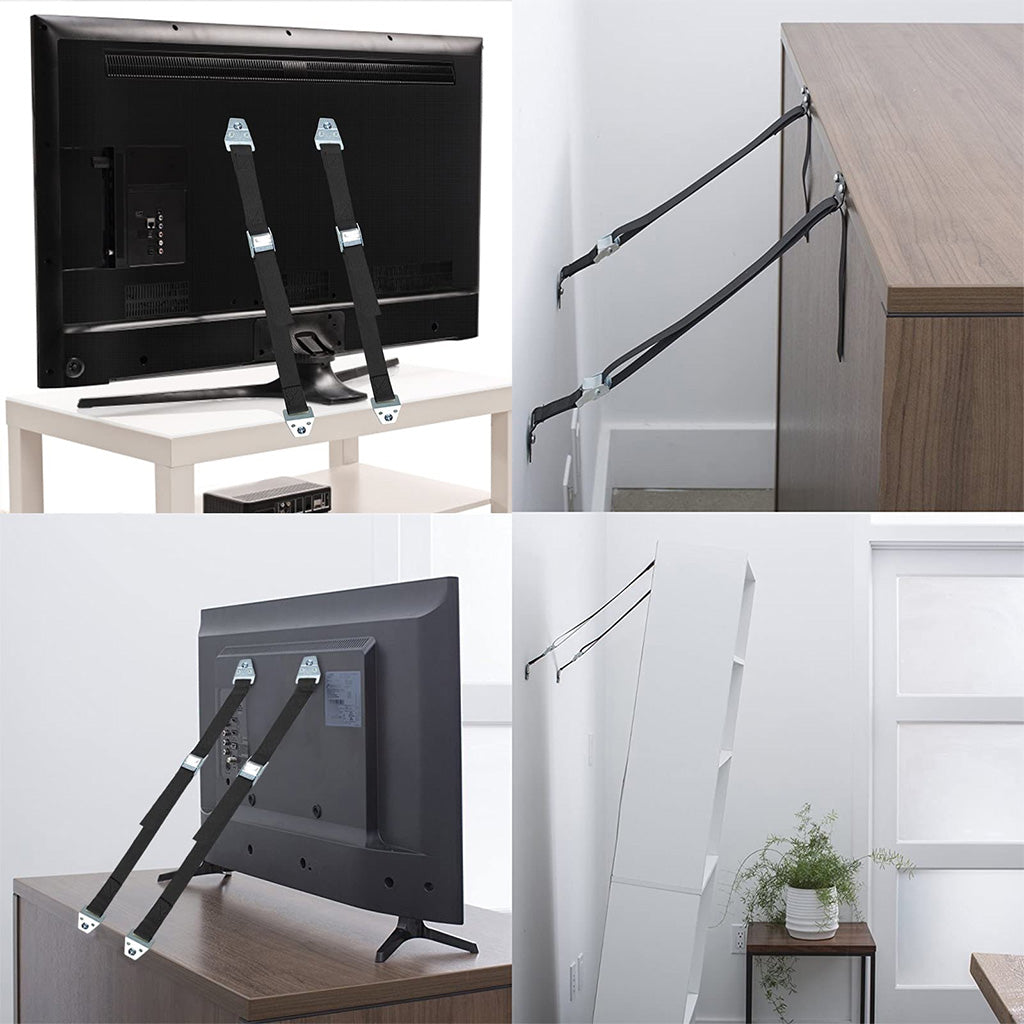
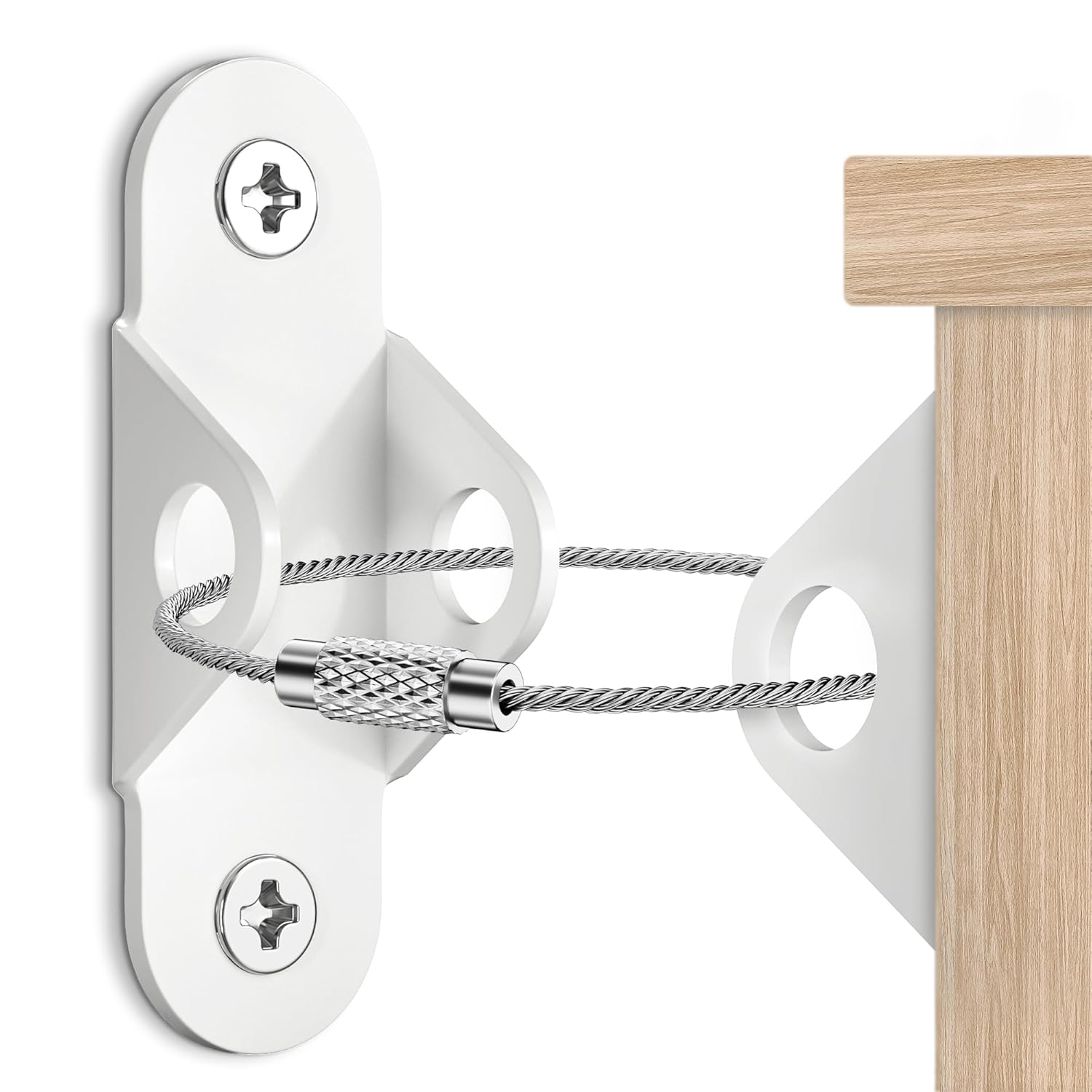
Brackets and straps add extra support for wall-mounted TVs. Brackets spread the TV’s weight across the wall. Straps secure the TV to a piece of furniture or the wall. This helps prevent tipping or falling. Use sturdy materials and follow instructions carefully.
Credit: belleze.com
Credit: candycllothes.com
Frequently Asked Questions
How Many Wall Anchors Are Needed For A Tv Stand?
Typically, use at least two wall anchors for a TV stand. Heavy or large stands may require more for stability. Always follow manufacturer guidelines and consider wall type for safe installation.
What Size Wall Anchors Suit Tv Stands Best?
Use anchors rated for your TV stand’s weight. Common sizes are 3/8-inch or 1/2-inch anchors for medium to heavy stands. Check packaging for weight limits and compatibility with your wall material.
Can I Use Fewer Wall Anchors For A Small Tv Stand?
Yes, smaller stands may need only one or two anchors. However, using more anchors improves stability and safety. Always ensure the anchors match the stand’s size and weight.
Do Drywall Anchors Work For Tv Stand Mounting?
Drywall anchors can work if rated for the TV stand’s weight. Use heavy-duty anchors designed for drywall to ensure secure mounting. For heavier stands, consider anchors going into studs for added safety.
Conclusion
Choosing the right number of wall anchors keeps your TV stand safe. Usually, use at least four anchors for stability. Check the wall type before picking anchors. Stronger walls may need fewer anchors. Weak walls need more for support. Always follow the TV stand’s instructions carefully.
Secure anchoring prevents accidents and damage. Take time to do it right. This simple step makes a big difference. Your TV stays steady, and your space looks neat. Safety matters most, so anchor well.