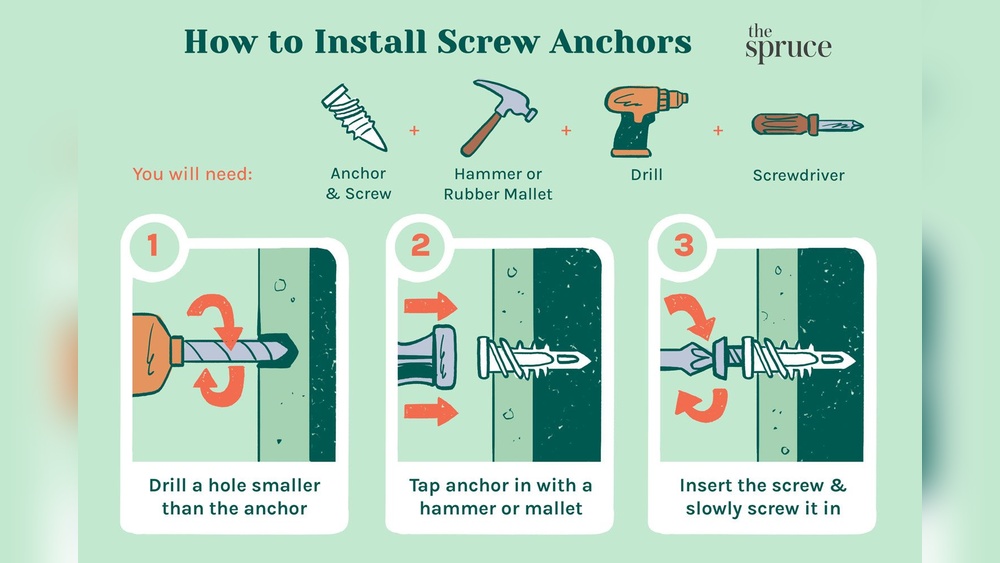
Are you planning to build or reinforce walls on a concrete slab? Knowing how to anchor walls properly is crucial for safety and durability.
If your walls aren’t securely fastened, they can shift, crack, or even collapse over time. But don’t worry—this guide will walk you through simple, effective steps to anchor your walls firmly to your concrete slab. By the end, you’ll feel confident tackling this task yourself, saving time and money while ensuring your structure stands strong.
Ready to learn how? Let’s dive in!
Tools And Materials Needed
Anchoring walls to a concrete slab requires specific tools and materials. These items ensure the wall stays firmly in place. Using the right tools makes the job easier and safer. The right materials guarantee a strong and lasting connection.
Essential Tools
- Hammer drill for drilling into concrete
- Masonry drill bits of correct size
- Measuring tape to get accurate measurements
- Level to keep the wall straight
- Screwdriver or impact driver for screws
- Wrench or socket set for bolts
- Chalk line for marking straight lines
- Safety gear like gloves and goggles
Required Materials
- Concrete anchor bolts or sleeve anchors
- Wood or metal wall plates
- Construction adhesive for extra hold
- Washers and nuts for secure fastening
- Sealant to protect against moisture
- Shims to adjust wall position
- Concrete patch to fill any holes
Preparing The Concrete Slab
Preparing the concrete slab is the first step in anchoring walls securely. A clean and well-marked slab ensures strong attachment and lasting stability. This stage sets the foundation for all work that follows.
Cleaning The Surface
Remove dirt, dust, and debris from the slab. Use a broom or vacuum to clear loose particles. Wash the surface with water and a mild detergent. Let the slab dry completely before proceeding. A clean surface helps anchors stick better and prevents problems later.
Marking Anchor Points
Measure the wall layout carefully and mark the anchor spots on the slab. Use a pencil or chalk to make clear marks. Double-check measurements to avoid mistakes. Accurate anchor points ensure the wall stays straight and stable. Marking well saves time and effort in the next steps.
Choosing The Right Anchors
Choosing the right anchors is crucial for a strong connection between walls and concrete slabs. The anchors must hold the wall firmly in place. The wrong type or size can cause safety risks and damage. Understanding different anchors and their uses helps pick the best one for your project.
Types Of Anchors
There are several common types of anchors for concrete slabs. Wedge anchors expand inside the hole for a tight grip. Sleeve anchors use a metal sleeve that expands as you tighten the bolt. Drop-in anchors sit flush with the surface and hold bolts securely. Concrete screws go directly into the slab without needing expansion. Each type has unique features and fits different needs.
Selecting Based On Load
Load means the weight or force the anchor must hold. Light loads need smaller, simpler anchors. Heavy loads require anchors with high strength and deep embedment. Consider both static loads, like wall weight, and dynamic loads, like wind pressure. Always check the anchor’s load rating to match your wall’s demands. Using the right anchor prevents movement and keeps structures safe.

Credit: www.youtube.com
Drilling Holes In Concrete
Drilling holes in concrete is a crucial step when anchoring walls to a concrete slab. It creates the space needed for anchors or bolts to secure the wall firmly. The process requires the right tools and careful technique to ensure strong, clean holes without damaging the slab.
Drill Bit Selection
Select a drill bit made for concrete, such as a carbide-tipped masonry bit. These bits can cut through tough concrete without breaking. Choose the right diameter based on your anchor size. A bit too small or large can weaken the hold. Use a hammer drill for best results, as it combines rotation and impact.
Proper Drilling Techniques
Mark the drilling spots clearly before starting. Hold the drill steady and straight to avoid angled holes. Start drilling at low speed to make a guide hole. Increase speed and pressure gradually, but don’t force the drill. Pull the bit out occasionally to clear dust and debris. Wear safety glasses and a mask to protect yourself from dust.
Installing Anchors
Installing anchors in a concrete slab is a key step to secure walls firmly. Proper anchoring prevents movement and adds strength to the structure. This guide explains two common types of anchors: expansion anchors and epoxy anchors. Both have unique uses and installation steps. Understanding these helps you choose the right anchor for your wall.
Placing Expansion Anchors
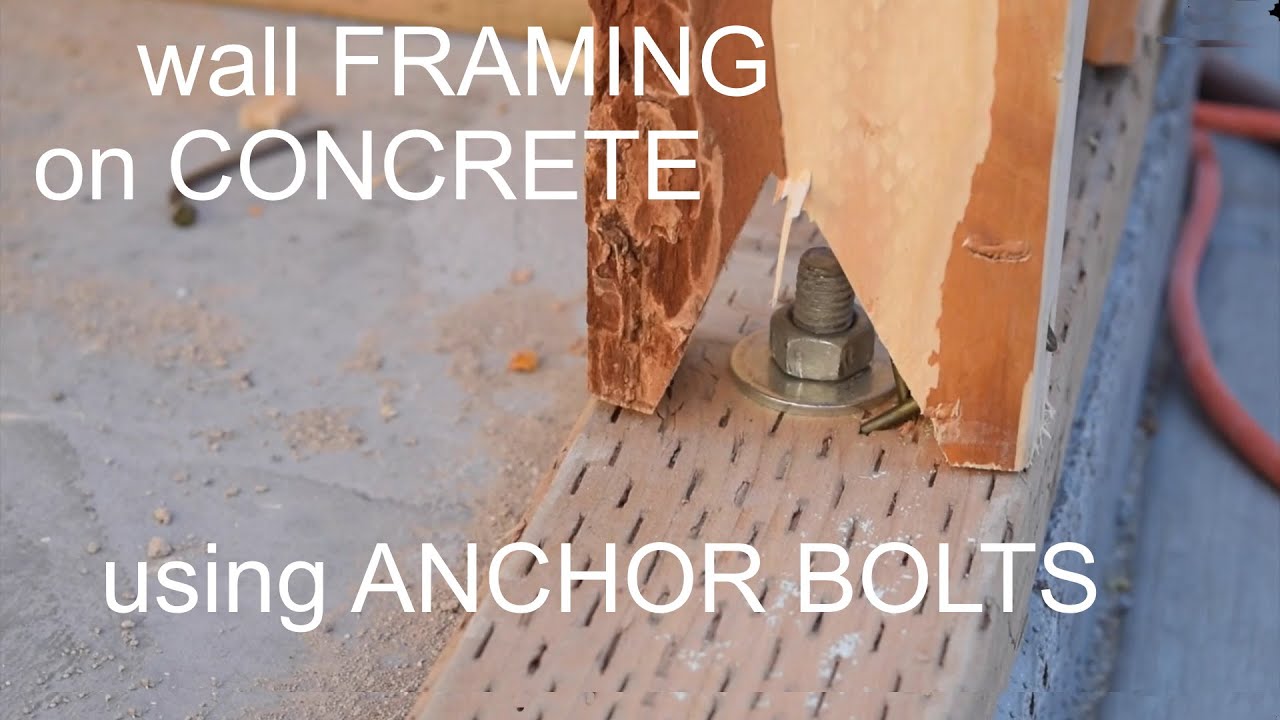
Expansion anchors work by expanding inside the hole drilled in concrete. First, drill a hole using a hammer drill and the right bit size. Clean the hole to remove dust and debris. Next, insert the anchor into the hole until it sits flush with the surface. Tighten the anchor bolt slowly. As you tighten, the anchor expands and grips the concrete tightly. This method offers strong holding power for many wall types.
Using Epoxy Anchors
Epoxy anchors use a strong adhesive to bond the anchor to the concrete. Start by drilling a hole slightly deeper than the anchor length. Clean the hole thoroughly using a brush and air blower. Inject the epoxy resin into the hole, filling it about halfway. Insert the threaded rod or bolt into the epoxy-filled hole. Keep the rod steady and allow the epoxy to cure fully. This method creates a durable and chemical-resistant hold. Epoxy anchors suit heavy loads and harsh environments.
Credit: www.youtube.com
Securing The Wall Frame
Securing the wall frame to a concrete slab is a key step in building strong walls. This process keeps the wall steady and safe. Proper anchoring stops the wall from moving or falling. It also helps the wall resist wind and other forces. Follow clear steps to ensure your wall frame is fixed firmly.
Positioning The Wall
Start by placing the wall frame on the concrete slab. Check the alignment carefully. Use a level to make sure the frame stands straight. Adjust the frame until it fits the marked spot perfectly. Accurate positioning helps avoid problems later. Mark the anchor points on the slab for drilling.
Fastening To Anchors
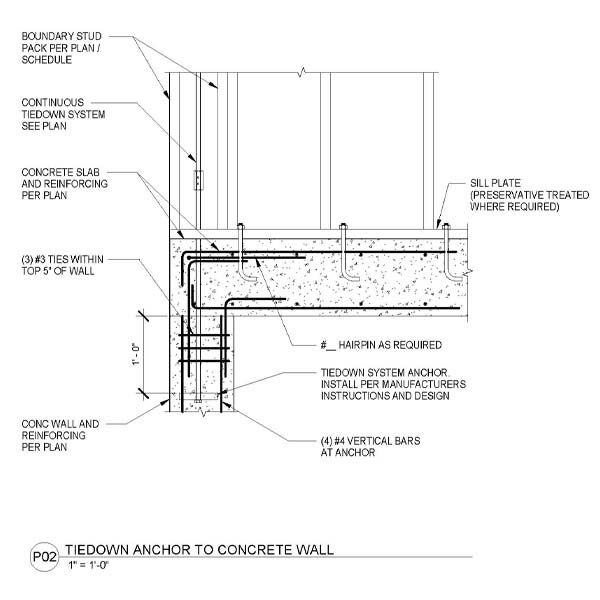
Drill holes in the concrete at the marked points. Insert the concrete anchors into these holes. Use a hammer or a setting tool to fix them tightly. Align the wall frame over the anchors. Secure the frame by tightening bolts or screws into the anchors. Check each fastener for a firm hold. This step locks the wall firmly to the slab.
Ensuring Stability And Safety
Ensuring stability and safety is key when anchoring walls to a concrete slab. A secure connection prevents damage and keeps structures strong. Regular checks help spot problems early. This keeps your walls steady and safe over time.
Checking Anchor Tightness
Anchor bolts must be tight to hold walls firmly. Use a wrench to test each bolt’s tightness. Loose bolts can cause movement and weaken the wall. Tighten bolts carefully, but avoid over-tightening. Over-tightening can damage the concrete or bolt.
Inspecting For Movement
Watch for any signs of wall or anchor movement. Small shifts can indicate loose anchors or slab issues. Tap the wall gently and listen for hollow sounds. Look for cracks or gaps near anchors. Early detection of movement helps prevent major repairs.
Common Mistakes To Avoid
Anchoring walls to a concrete slab needs care and attention. Mistakes can lead to weak holds and wasted effort. Avoiding common errors improves safety and durability. Focus on key steps to ensure a strong anchor.
Improper Drilling
Drilling holes too large weakens the anchor’s grip. Use the right drill bit size for the anchor type. Drilling too deep or shallow causes poor fit. Clean the holes from dust before inserting anchors. Dust blocks the anchor, reducing strength. Drill straight holes to prevent uneven pressure. Take time to measure and mark drilling spots precisely.
Wrong Anchor Selection
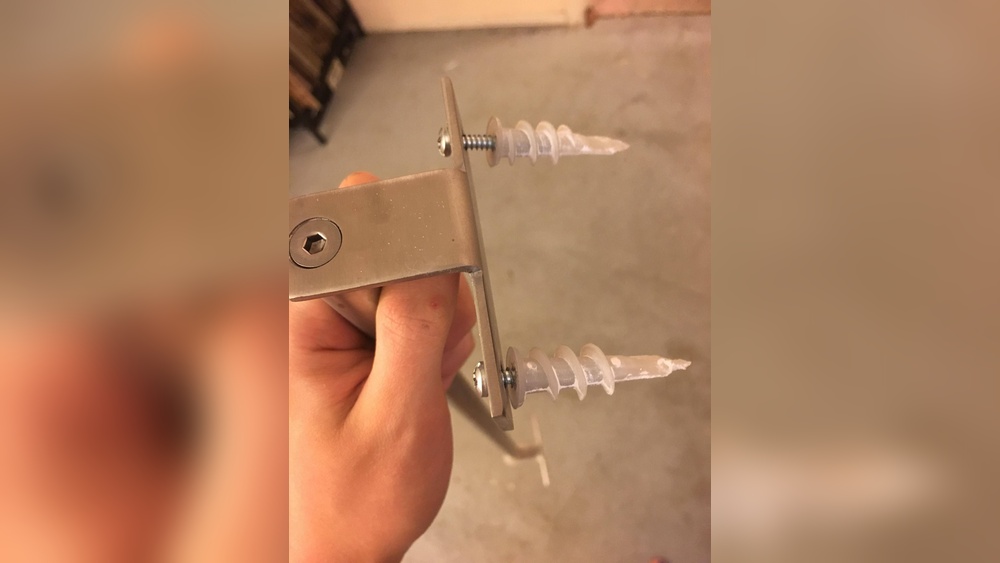
Using the wrong anchor type can cause failure. Concrete requires anchors designed for hard surfaces. Choose anchors rated for the load and wall weight. Avoid anchors made for drywall or wood in concrete. Plastic anchors often cannot hold heavy loads. Metal anchors like wedge or sleeve anchors work best. Match anchor size to the thickness of the wall and slab.
Maintenance Tips For Anchored Walls
Maintaining anchored walls is key for safety and durability. Walls attached to concrete slabs need regular care to stay strong. Neglect can lead to loose anchors and wall damage. Simple checks and fixes keep walls steady over time.
Regular Inspections
Check anchored walls often for cracks or movement. Look at the base where the wall meets the slab. Notice any gaps or rust on the anchors. Early signs of wear need quick attention. Use a flashlight to see hidden spots clearly. Record inspection dates and findings for future reference.
Addressing Loose Anchors
Tighten any loose anchors as soon as you find them. Loose anchors can weaken the wall’s hold on the slab. Replace anchors that are rusted or damaged. Use the correct tools to avoid damage during repairs. After fixing, test the wall for stability by gently pushing it. Keep spare anchors and parts nearby for fast repairs.
Credit: www.woodworks.org
Frequently Asked Questions
What Tools Are Needed To Anchor Walls To Concrete Slabs?
You need a hammer drill, masonry bit, concrete anchors, a wrench, and safety gear. These tools help secure walls firmly to the slab.
How Do You Prepare The Concrete Slab For Wall Anchoring?
Clean the slab surface and mark anchor points accurately. Drilling holes at marked spots ensures proper placement of wall anchors.
What Types Of Anchors Work Best For Concrete Slabs?
Wedge anchors, sleeve anchors, and epoxy anchors are common. Choose based on load requirements and wall material for strong attachment.
Can You Anchor Walls To Existing Concrete Slabs?
Yes, existing slabs can be used. Drill holes and install anchors carefully to avoid slab damage and ensure stability.
Conclusion
Anchoring walls to a concrete slab makes your structure strong and safe. Use the right tools and follow steps carefully for best results. Check measurements twice to avoid mistakes. Secure anchors tightly to keep walls steady. Regularly inspect the anchors for wear or damage.
A well-anchored wall lasts longer and stays firm. Simple steps lead to solid construction every time. You can build with confidence and peace of mind.