Are you ready to hang shelves, pictures, or hooks securely without worrying about them falling? Knowing how to install wall anchors and screws the right way can make all the difference in keeping your items safe and your walls damage-free.
In this guide, you’ll discover simple, step-by-step instructions that anyone can follow—no special tools or skills needed. Keep reading, and you’ll gain the confidence to tackle your next project like a pro.
Choosing The Right Wall Anchors
Choosing the right wall anchors is key for a strong hold. Different walls need different anchors to keep items safe and secure. Picking the right one helps avoid damage and keeps your screws tight.
Types Of Wall Anchors
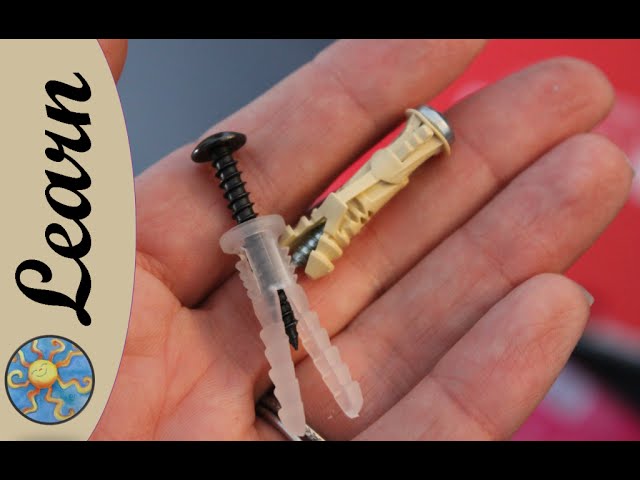
Plastic expansion anchors are common and easy to use. They work well in drywall for light items. Toggle bolts open behind the wall for heavy loads. Molly bolts expand inside hollow walls for medium weight. Self-drilling anchors screw directly into drywall without pre-drilling.
Matching Anchors To Wall Materials
Drywall needs anchors that spread the load over a wide area. Plaster walls require anchors that grip firmly without cracking. Concrete and brick need heavy-duty anchors like sleeve or wedge anchors. Wood walls often do not need anchors but use screws instead.
Selecting Anchor Size And Weight Capacity
Choose an anchor size that fits your screw properly. Small anchors hold light items like picture frames. Larger anchors support shelves and mirrors. Check the weight rating on the anchor package to match your item’s weight. Using the right size prevents anchors from pulling out or breaking.

Credit: www.youtube.com
Gathering Necessary Tools
Before installing wall anchors and screws, gather the right tools. Having proper tools makes the job easier and safer. It also ensures your work looks clean and holds strong.
Drill And Drill Bits
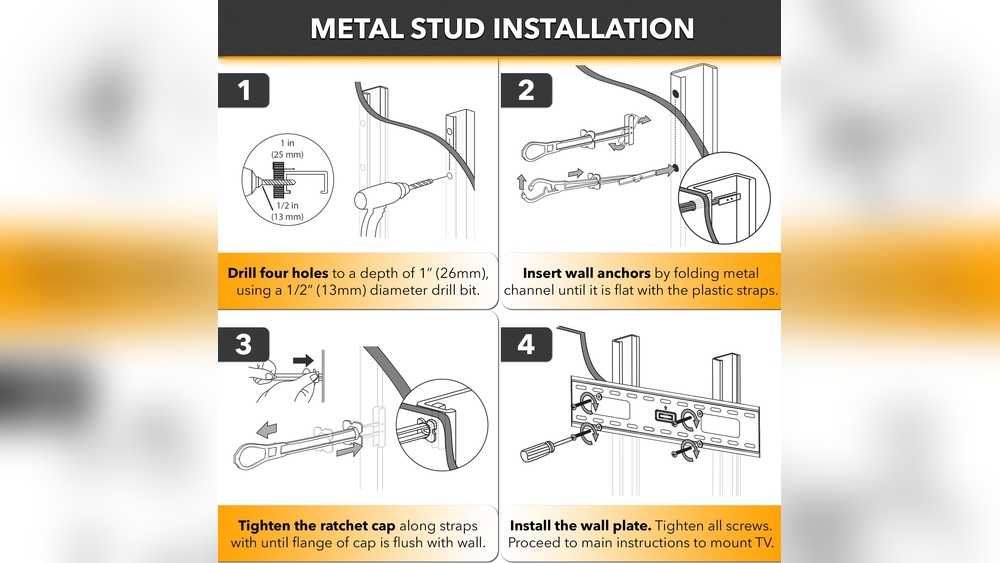
A drill helps make holes for wall anchors. Choose a drill bit that matches the anchor size. Use a drill with enough power for your wall type. A cordless drill is easy to handle and moves freely.
Screwdriver Options
Select a screwdriver that fits your screws. Phillips and flathead screwdrivers are common choices. A power screwdriver or drill with a screwdriver bit saves time. Match the screwdriver tip to the screw head for best grip.
Measuring And Marking Tools
Measure and mark the spot for your anchor. A tape measure helps find the exact place on the wall. Use a pencil or marker to make small, clear marks. A level ensures your marks stay straight and even.
Preparing The Wall
Preparing the wall is the first step in installing wall anchors and screws. This step helps ensure a secure hold and prevents damage. Proper preparation makes the installation smooth and safe.
Locating Studs And Marking Holes
Studs provide strong support for heavy objects. Use a stud finder to locate them behind the drywall. Mark the spots clearly with a pencil. If no stud is available, wall anchors will be necessary. Measure carefully to keep the holes even and straight.
Avoiding Electrical And Plumbing Lines
Electrical wires and plumbing pipes run behind walls. Drilling into them can cause serious damage or injury. Use a wire detector to find live electrical wires. Check your home’s blueprint for plumbing locations. Stay clear of these areas when marking holes.
Cleaning The Surface
Dust and dirt reduce the grip of anchors and screws. Wipe the wall surface with a damp cloth to remove debris. Let the wall dry completely before drilling. A clean surface ensures better adhesion and a stronger hold.
Drilling Pilot Holes
Drilling pilot holes is a key step when installing wall anchors and screws. These small holes guide screws and prevent the wall from cracking. Proper pilot holes make your installation strong and secure. Follow these tips to drill perfect holes every time.
Choosing The Correct Drill Bit Size
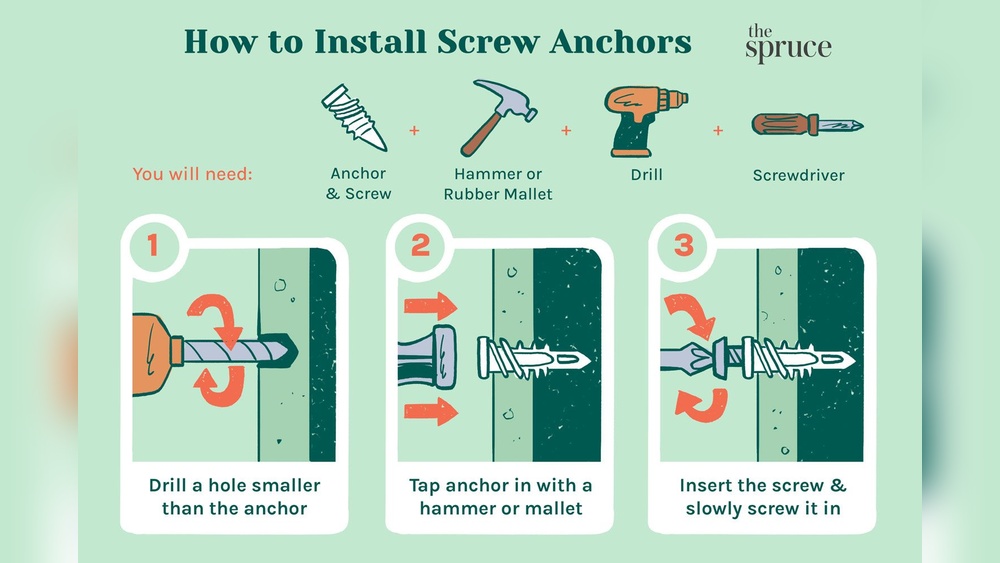
Select a drill bit slightly smaller than the anchor’s diameter. This size allows the anchor to fit tight in the hole. Too big a hole makes the anchor loose. Too small makes drilling hard and can break the wall.
Drilling At The Right Depth
Drill to the exact depth of the wall anchor. Mark the drill bit with tape to measure depth. Too shallow means the anchor won’t fit fully. Too deep can weaken the wall and reduce holding power.
Ensuring Straight Holes
Hold the drill steady and straight against the wall. Angled holes cause anchors to sit poorly and screws to hold weakly. Use a level or guide if needed. Straight holes keep anchors secure and make screw insertion easy.
Inserting Wall Anchors
Inserting wall anchors correctly is key for strong support. It helps hold screws firmly in drywall or hollow walls. This step keeps your items secure and prevents damage. Follow simple steps to place anchors properly before screwing.
Pushing Or Tapping Anchors Into Place
Start by aligning the anchor with the hole. Push it gently with your fingers. If it resists, tap lightly using a hammer. Tap until the anchor is flush with the wall surface. Avoid pushing too hard to stop damage. The anchor should sit firmly without wobbling.
Checking Anchor Fit And Stability
Check if the anchor fits snugly inside the hole. Try moving it slightly with your finger. A good anchor will not move or spin. Loose anchors need a larger size or a different type. Proper fit ensures the screw holds strong and steady. Test stability before inserting screws for best results.

Credit: www.tjlituo.com
Installing Screws
Installing screws into wall anchors is an important step to secure items safely on walls. The screws hold the anchor firmly in place, providing strong support. Understanding how to select the right screws and drive them properly will make your installation stable and long-lasting.
Selecting Suitable Screws
Choose screws that fit the wall anchor size exactly. The screw should match the anchor’s length and diameter. Too short screws won’t hold well, while too long screws can damage the wall. Use screws made of sturdy material like steel for better support.
Driving Screws Into Anchors
Start by placing the screw into the anchor’s opening. Use a screwdriver or drill with a proper bit to turn the screw slowly. Keep the screw straight to avoid damaging the anchor. Turn the screw until it feels tight and secure within the anchor.
Avoiding Over-tightening
Stop tightening once the screw is firmly in place. Over-tightening can crack the anchor or damage the wall. It can also strip the screw threads, reducing hold strength. Tighten just enough to hold the item securely against the wall.
Testing The Support Strength
Testing the support strength is important after installing wall anchors and screws. It ensures your items stay safe and secure on the wall. This step helps prevent accidents or damage from weak support.
Applying Gradual Pressure
Start by applying light pressure to the anchored screw. Increase pressure slowly to avoid sudden pulls. This method checks if the anchor holds firm under weight. If the screw moves or feels loose, recheck the installation.
Verifying Secure Installation
Look closely at the wall around the anchor for cracks or shifts. Use your hand to wiggle the screw gently. A secure installation will show no movement or damage. Confirming this means your anchor can support the intended load safely.
Credit: www.youtube.com
Common Mistakes To Avoid
Installing wall anchors and screws seems easy but many make common errors. These mistakes reduce strength and can damage walls. Avoiding them saves time and effort. Follow simple rules for better results.
Using Incorrect Anchors
Not all anchors fit every wall or load. Using the wrong type causes anchors to fail or pull out. Choose anchors designed for your wall and the weight you hang. Plastic anchors work for light loads only. Heavy items need metal or toggle anchors.
Ignoring Wall Material Differences
Different walls need different anchors. Drywall, plaster, brick, and concrete are not the same. A drywall anchor won’t hold in brick. Concrete needs special anchors and tools. Know your wall type before buying anchors. This prevents damage and ensures a strong hold.
Overloading Anchors
Anchors have weight limits. Putting too much weight on them causes failure. Check the weight rating on the package. Spread heavy items across multiple anchors. This keeps your wall safe and prevents accidents.
Frequently Asked Questions
What Tools Are Needed To Install Wall Anchors And Screws?
To install wall anchors and screws, you need a drill, screwdriver, measuring tape, pencil, and the correct anchors. These tools ensure proper placement and secure fastening for your wall fixtures.
How Do You Choose The Right Wall Anchor Type?
Select wall anchors based on wall material and weight support. Plastic anchors suit drywall; metal anchors work for heavier loads or masonry walls.
Can I Install Wall Anchors Without Drilling A Pilot Hole?
Drilling a pilot hole is recommended for precise anchor placement. It prevents wall damage and ensures the anchor fits securely for strong support.
How Deep Should I Drill For Wall Anchors?
Drill a hole slightly deeper than the anchor length. This allows the anchor to fit fully and hold the screw firmly in place.
Conclusion
Installing wall anchors and screws can make your projects stronger. Choose the right anchor for your wall type. Drill a hole carefully and insert the anchor fully. Screw in slowly to avoid damage. This method helps hold heavy items safely.
Practice these steps to gain confidence. Soon, hanging shelves or pictures will feel easy. Trust the process and take your time. Your walls will support your decorations well. Keep tools handy and follow safety tips always. Simple steps lead to sturdy results every time.