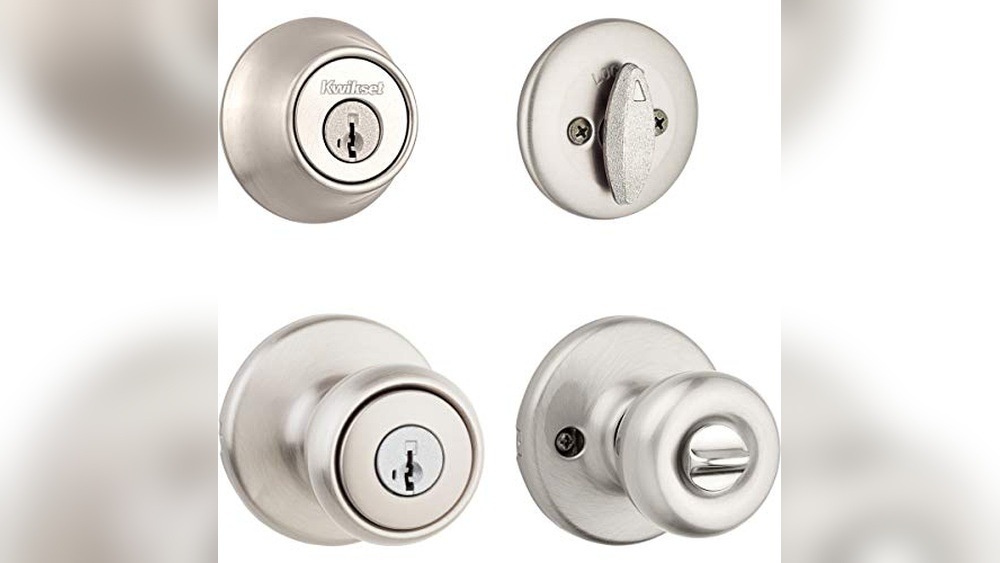
When it comes to securing your home, every detail matters. One question that often puzzles DIYers and even some professionals is: how deep should the deadbolt cutout be?
If the cutout is too shallow, your deadbolt might not fit properly, leaving your door vulnerable. If it’s too deep, you could weaken the door or waste time fixing mistakes. You want your lock to be strong and reliable, and that starts with getting the cutout just right.
You’ll discover the exact depth you need and tips to make the process smooth and secure. Keep reading to protect your home the right way.

Credit: www.amazon.com
Deadbolt Cutout Basics
Understanding deadbolt cutouts is important for a strong door lock. The cutout is the hole made in the door to fit the deadbolt. The depth and size must match the deadbolt for a secure fit. Too deep or too shallow can cause problems.
Proper cutout size helps the deadbolt work smoothly. It stops the lock from sticking or breaking. Knowing the basics helps with better installation and security.
Standard Deadbolt Dimensions
Most deadbolts have standard sizes for easy installation. The typical faceplate is about 1 inch wide and 2.25 inches tall. The hole for the bolt usually has a diameter of 1 inch. The backset, or distance from the door edge to the hole center, is often 2.375 or 2.75 inches.
Depth of the cutout should match the bolt length. Standard deadbolts need a cutout depth around 1 inch. Check the deadbolt package for exact measurements. Correct dimensions prevent loose or tight fitting.
Types Of Deadbolt Locks
Deadbolts come in single-cylinder and double-cylinder types. Single-cylinder deadbolts use a key outside and a thumb turn inside. Double-cylinder deadbolts require a key on both sides. This type needs a deeper cutout.
There are also electronic deadbolts. These may need extra space for wiring or batteries. Each type may need a different cutout depth. Always follow the lock maker’s guide for best results.
Determining Cutout Depth
Determining the correct cutout depth for a deadbolt is essential for a secure fit. Too shallow, and the lock won’t sit properly. Too deep, and the door’s strength may weaken. Knowing how to measure and align will help you make the right cut.
Measuring Door Thickness
Start by measuring your door’s thickness. Use a tape measure to get the exact number. Most doors range between 1.75 and 2.25 inches thick. The cutout must match this thickness to hold the deadbolt firmly. Write down the measurement before cutting.
Aligning With Lock Mechanism
The lock mechanism needs space inside the cutout. Check the deadbolt’s body depth from the manufacturer’s instructions. Mark this depth on your door’s edge. Align the cutout so the bolt slides smoothly into the door frame. Proper alignment ensures the lock works well and lasts longer.
Tools For Accurate Cutouts
Cutting the right depth for a deadbolt is important for security and fit. Using the right tools helps make clean and precise cutouts. This reduces mistakes and saves time. Proper tools give control and accuracy when working with wood or metal doors. Let’s explore the best tools to get accurate deadbolt cutouts.
Recommended Drills And Bits
Choose a drill with adjustable speed and good power. Cordless drills offer flexibility and ease of use. For deadbolt cutouts, a drill with a clutch helps avoid overdrilling.
Use spade bits or hole saws sized for the deadbolt. A 2 1/8-inch hole saw fits most standard deadbolts. Sharp bits reduce splintering and give smooth edges. Drill bits with a pilot tip help start the hole accurately.
Using Templates For Precision
Templates guide where to drill and how deep to cut. Many deadbolt kits include paper or plastic templates. Secure the template firmly to the door before marking.
Templates ensure consistent hole placement and size. They reduce guesswork and improve the final fit of the deadbolt. Reusable templates save time on future installations.
Common Installation Mistakes
Installing a deadbolt looks simple but often leads to mistakes. These errors can weaken your door’s security and make the lock hard to use. Paying attention to common mistakes helps avoid problems and ensures a strong lock setup.
Two frequent issues are cutting the hole too shallow or too deep and misaligning the holes. Both can cause the deadbolt to fit poorly or not work at all. Understanding these errors helps create a secure and smooth installation.
Too Shallow Or Too Deep Cutouts
Cutting the deadbolt hole too shallow stops the bolt from fitting fully inside. This leaves part of the lock exposed, reducing strength. The bolt may not slide smoothly, causing jamming or damage.
Cutting too deep removes too much wood. It weakens the door and may let the deadbolt move inside the hole. This causes loose fitting and less security.
Measure the bolt depth carefully. Use the deadbolt’s size as a guide to cut just enough. A precise cut keeps the lock tight and secure.
Misaligned Holes
Misaligned holes are a common cause of deadbolt problems. If the hole for the bolt and the faceplate do not line up, the lock will not work properly.
The bolt might hit the edge of the hole or not enter fully. It can cause the deadbolt to stick or fail to lock. Misalignment also makes the door hard to close.
Mark each hole carefully before cutting. Check alignment twice to avoid errors. Proper alignment ensures smooth lock operation and better security.
Security Impact Of Cutout Depth
The depth of the deadbolt cutout plays a key role in your door’s security. It affects how well the lock fits and how strong it will be against attacks. A proper cutout depth supports the deadbolt’s function and protects your home.
Too shallow a cutout can weaken the lock’s hold. Too deep, and the lock may not work correctly or could be easier to tamper with. Let’s explore how cutout depth impacts the deadbolt’s strength and its ability to resist forced entry.
Strength And Durability
A correct cutout depth ensures the deadbolt sits firmly in the door. This firmness helps the lock handle pressure from daily use. It prevents the lock from wobbling or loosening over time.
Strong deadbolt placement reduces wear on the lock parts. This increases the lock’s lifespan and keeps it secure. A cutout that is too shallow or deep weakens the door’s structure. This can cause cracks or damage around the lock area.
Resistance To Forced Entry
The cutout depth affects how well the deadbolt resists break-ins. A deeper, precise cutout allows the deadbolt to extend fully into the door frame. This makes it harder to force the door open.
A shallow cutout limits the bolt’s reach, making the lock less effective. Burglars can exploit this weakness with simple tools. Proper cutout depth also helps the lock resist twisting or prying.
In short, the right cutout depth boosts the deadbolt’s defense against forced entry. It strengthens the door’s overall security and protects your home.

Credit: www.amazon.com
Adjusting Cutouts For Different Doors
Adjusting the deadbolt cutout is essential for fitting locks on various door types. Different doors need different depths and widths for the cutout. Proper adjustment ensures the deadbolt works smoothly and keeps your door secure. Understanding the material and structure of your door helps decide how deep to cut.
Wood Vs Metal Doors
Wood doors are softer and easier to cut. The cutout should be deep enough to fit the deadbolt body without weakening the door. Usually, a depth of about 1 inch works well. Metal doors require more care. Cutting too deep can damage the door’s structure or paint. Use a metal drill bit and measure twice before cutting. The cutout must be precise to avoid gaps.
Handling Hollow Core Doors
Hollow core doors have a thin outer layer and a hollow inside. Cutting too deep can break the door’s surface. Use a shallow cutout that fits the deadbolt body snugly. Reinforce the inside with a small wood block or metal plate for strength. This keeps the lock secure and prevents the door from bending.
Professional Vs Diy Installation
Choosing between professional and DIY installation of a deadbolt cutout can impact your door’s security. The depth of the cutout must be precise. A cutout too shallow or too deep can cause problems. Professionals ensure the right depth and fit. DIY installation saves money but requires care and skill.
When To Hire Experts
Hire experts for complex door materials like metal or fiberglass. They have the right tools and experience. Experts avoid damage to your door or lock. They complete the job quickly and correctly. A properly installed deadbolt improves security and peace of mind. Experts measure and cut with accuracy.
Tips For Diy Success
Measure carefully before cutting. Mark the door clearly. Use a sharp drill bit and chisel. Check your progress often to avoid deep cuts. Follow the lock manufacturer’s instructions. Work slowly and patiently. Test the deadbolt fit before finishing. Safety glasses protect your eyes. Practice on scrap wood if unsure.
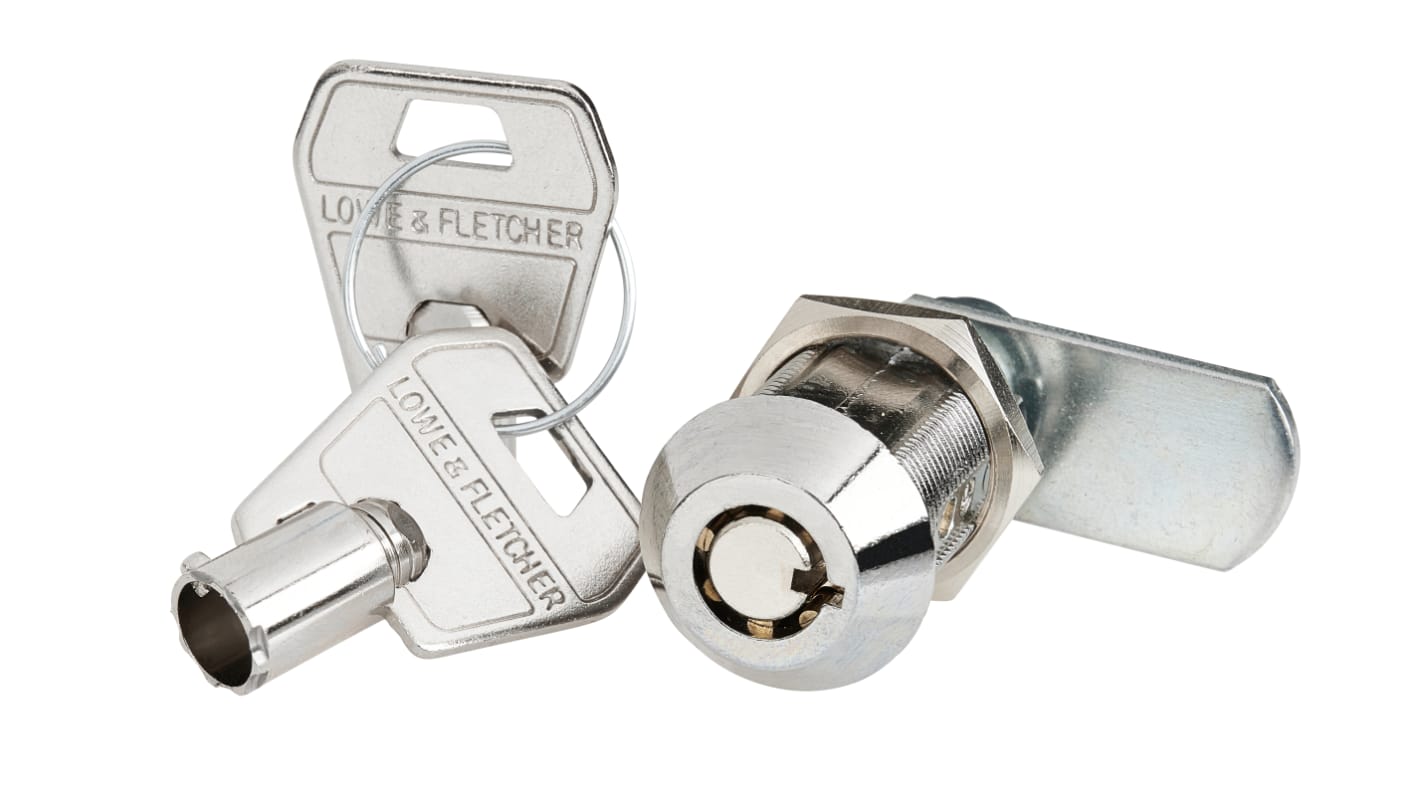
Credit: twen.rs-online.com
Maintenance And Reassessment
Maintaining your deadbolt cutout is key to home security. Over time, wear and tear can affect the lock’s fit. A proper fit keeps your lock strong and your door secure. Regular checks help catch problems early. Reassessing the cutout depth ensures the deadbolt works smoothly. Adjustments may be needed to keep everything tight and safe.
Regular Security Checks
Check your deadbolt and cutout every few months. Look for signs of looseness or damage around the door edge. Test the lock by turning the key and handle. Notice any sticking or resistance. Check that the bolt fully extends into the door frame. Tighten screws and clean the lock to prevent buildup. Small fixes prevent bigger problems later.
Updating Locks And Cutouts
Replace old locks to improve security and fit. New locks may require a different cutout depth. Measure carefully before installing to avoid mistakes. Use the right tools for clean, precise cutouts. Consider upgrading to stronger deadbolts for better protection. Always reassess the cutout depth after installation. Proper depth keeps the lock secure and easy to use.
Frequently Asked Questions
How Deep Should A Deadbolt Cutout Be?
A deadbolt cutout should be 1 inch deep to fit the lock mechanism. This depth ensures the deadbolt sits flush and operates smoothly. Always measure your lock’s specifications before cutting to avoid installation issues or damage to the door.
Why Is Deadbolt Cutout Depth Important?
Proper cutout depth ensures the deadbolt locks securely without jamming. Too shallow a cutout prevents full bolt extension, reducing security. Too deep risks weakening the door structure. Correct depth balances security and door integrity for optimal performance.
Can I Install A Deadbolt Cutout Too Deep?
Yes, cutting too deep can weaken the door and misalign the lock. This leads to poor locking performance and potential damage. Always follow manufacturer guidelines for cutout depth to maintain door strength and deadbolt functionality.
What Tools Are Needed For Deadbolt Cutout Depth?
You need a drill with hole saw, chisel, tape measure, and pencil. These tools help create precise, clean cutouts to the correct depth. Accurate measurement and steady tools ensure proper deadbolt fitting and secure installation.
Conclusion
Knowing the right depth for a deadbolt cutout keeps your door secure. Cut too shallow, and the lock won’t fit well. Cut too deep, and the door may weaken. Measure carefully before you start cutting. Follow the lock’s instructions to get the best fit.
A proper cutout helps the deadbolt work smoothly. It also makes your home safer. Take your time to do it right. Small details make a big difference in security. Keep your door strong and your home protected.