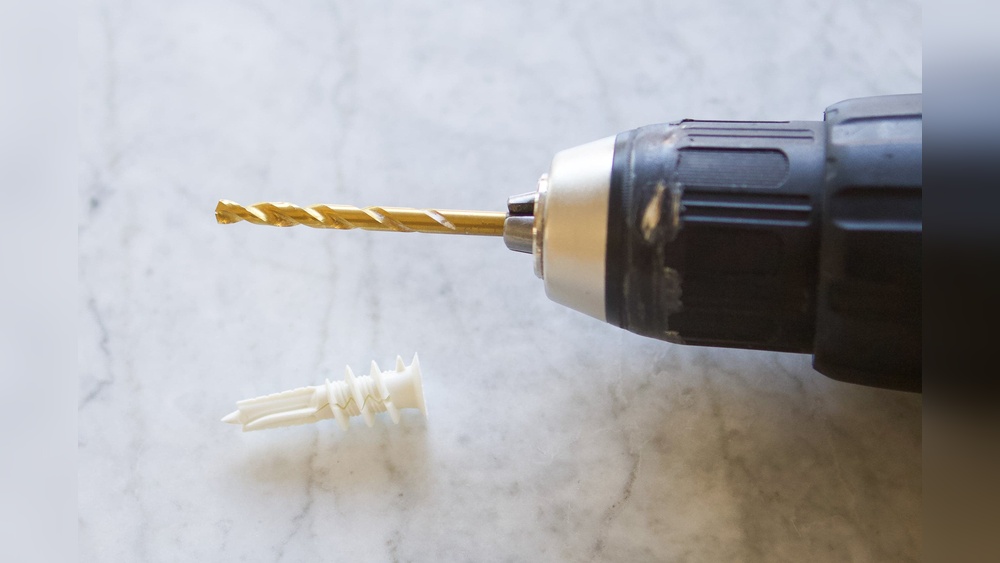
Are you ready to hang shelves, pictures, or heavy decorations but unsure how to drill holes for wall anchors the right way? Getting this step wrong can lead to wobbly fixtures or damaged walls, which no one wants.
In this guide, you’ll learn simple, clear steps to drill perfect holes that hold your anchors firmly and keep your walls safe. By the end, you’ll have the confidence to tackle any wall project and make your space look exactly how you want.
Let’s get started!
Choosing The Right Wall Anchor
Choosing the right wall anchor is key for a strong hold. The correct anchor keeps your items safe on the wall. It depends on the wall type and weight of the object. Picking the wrong anchor can cause damage or failure. Understanding different anchors helps you pick the best one.
Types Of Wall Anchors
Plastic expansion anchors are common and easy to use. They work well in drywall for light items. Metal anchors provide extra strength for heavier objects. Toggle bolts open behind the wall for strong support. Molly bolts expand inside the wall for a firm grip. Each type fits different needs and walls.
Matching Anchors To Wall Materials
Drywall needs plastic or toggle anchors for light to medium loads. Concrete or brick walls need masonry anchors or sleeve anchors. Hollow walls require anchors that expand or grip inside the wall. Match the anchor size to the drill bit and wall thickness. Correct pairing ensures the anchor stays secure and supports weight.

Credit: www.youtube.com
Selecting The Correct Drill Bit
Selecting the correct drill bit is a key step for drilling holes for wall anchors. It ensures a secure fit and prevents damage to the wall. Choosing the right bit size and type helps the anchor hold firmly. Using the wrong drill bit can cause the hole to be too big or too small. This section explains how to pick the right drill bit and use the right drill speed.
Bit Size And Material
Pick a drill bit that matches the wall anchor size exactly. The hole should be slightly smaller than the anchor’s outer diameter. This keeps the anchor tight and stable in the wall.
Use a bit made from strong materials like high-speed steel or carbide. These bits last longer and cut clean holes. For drywall, wood bits work well. For masonry walls, choose a masonry bit with a carbide tip. Using the right material prevents bit damage and ensures smooth drilling.
Using The Right Drill Speed
Control the drill speed based on the wall type. Slow speeds work best for masonry and brick. High speeds can overheat the bit and damage the wall.
For drywall or wood, medium to high speeds are effective. Keep steady pressure and avoid pushing too hard. Let the drill bit do the work to create a clean hole. Proper speed extends bit life and improves hole quality.
Preparing The Wall Surface
Preparing the wall surface is the first step to drill holes for wall anchors. It ensures a secure hold and avoids damage to the wall. Proper preparation helps the anchor stay tight and supports the weight of the item you hang. This part focuses on locating studs, marking spots, cleaning, and measuring. Follow these steps carefully for the best results.
Locating Studs And Marking Spots
Studs are the wooden beams behind the drywall. Anchors hold better if placed near or in studs. Use a stud finder to locate them quickly. Move the finder slowly across the wall until it beeps or lights up. Mark the spot lightly with a pencil. If no stud is found, choose a solid wall area instead. Mark the exact points where you want to drill. Use a tape measure to space holes evenly. Accurate marks prevent mistakes and keep your project neat.
Cleaning And Measuring
Clean the wall surface before drilling. Dust and dirt can affect the drill’s grip. Use a dry cloth or a soft brush to wipe the area. Make sure it is completely dry. Next, measure the size of the wall anchors and drill bits. Match the drill bit to the anchor size. Too large or small holes weaken the anchor’s hold. Double-check your measurements to avoid errors. Precise measuring helps the anchor fit snugly and hold firmly.

Credit: www.picturehangsolutions.com
Drilling The Hole
Drilling the hole is a key step when installing wall anchors. The hole must fit the anchor size perfectly for a strong hold. This part requires care and precision to avoid wall damage. Proper drilling ensures your anchor holds tight and supports the weight.
Setting Drill Depth
Set the drill depth to match the anchor length. Too shallow, the anchor won’t fit fully. Too deep, and the anchor won’t grip well. Use a piece of tape on the drill bit to mark the depth. Stop drilling as soon as the tape reaches the wall surface. This simple trick helps keep the hole size just right.
Maintaining Drill Stability
Hold the drill steady and straight against the wall. Keep your hands firm to avoid slipping. A wobbly drill can make a larger hole or uneven edges. Start drilling slowly to make a guide hole. Then increase speed while keeping the drill steady. This ensures a clean, precise hole for the anchor.
Installing The Wall Anchor
Installing a wall anchor is a key step to secure heavy items on your wall. It helps hold screws tightly in drywall or other surfaces. Follow clear steps for a strong hold and lasting support.
Inserting Different Types Of Anchors
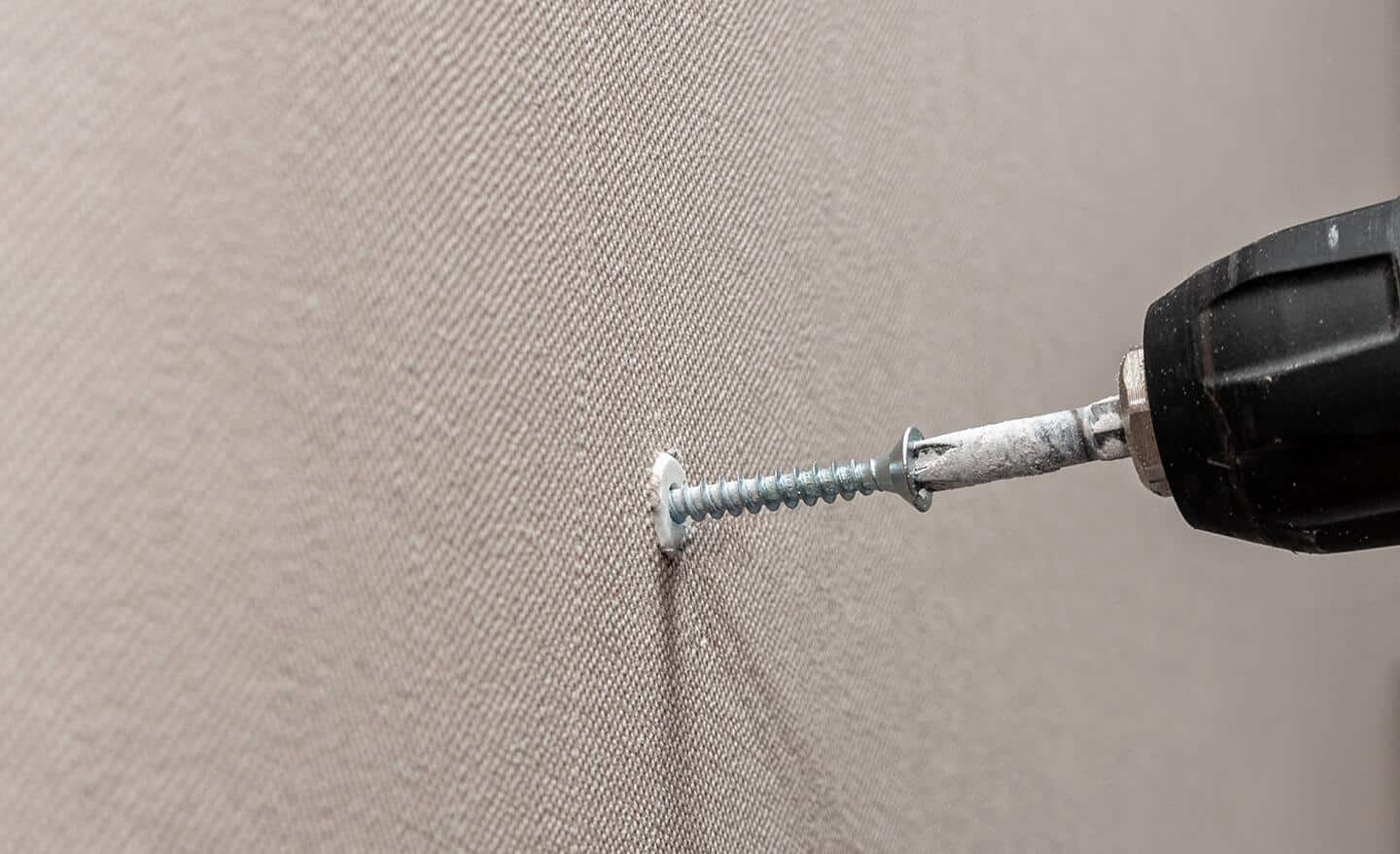
Plastic expansion anchors need a drilled hole just their size. Push them gently until flush with the wall. For toggle bolts, fold the wings and insert through the hole. Once inside, the wings open and grip the wall’s back. Metal anchors screw directly into the wall after drilling. Choose the right anchor for your wall type and weight.
Ensuring A Secure Fit
After inserting the anchor, test its hold by pulling gently. The anchor should not move or wiggle. Use a screwdriver to tighten the screw into the anchor slowly. Stop when the item feels firmly attached. Avoid over-tightening, which can damage the wall or anchor. A secure fit keeps your items safe and stable.
Common Mistakes To Avoid
Drilling holes for wall anchors can be tricky. Many people make simple mistakes that cause anchors to fail. Avoiding these errors helps your project last longer and hold better. Pay attention to the size of the hole and the type of wall you have. These two factors affect how well the anchor works.
Drilling Too Large Or Small
Choosing the wrong drill bit size is a common mistake. A hole that is too large makes the anchor loose. It won’t hold the weight and may fall out. A hole that is too small can crack the wall or break the anchor. Always match the drill bit size to the anchor size. Check the packaging for the correct drill bit recommendation. Take time to measure and use the right tools.
Ignoring Wall Material Differences
Different walls need different drilling methods. Drywall, concrete, and brick are not the same. Using the wrong drill bit or speed can damage the wall. For drywall, use a standard drill bit and low speed. For concrete or brick, use a masonry bit and steady pressure. Ignoring these differences causes poor anchor grip. Know your wall type before starting. This step saves you time and frustration.
Safety Tips For Drilling
Drilling holes for wall anchors requires care and attention. Safety should always be the top priority. Following simple safety tips helps avoid accidents and injuries. These tips protect your eyes, hands, and surroundings. They also prevent damage to your home’s wiring and structures.
Using Protective Gear
Wear safety glasses to protect your eyes from dust and debris. Use gloves to keep your hands safe from sharp edges. Ear protection helps reduce noise from the drill. Choose a dust mask if the drilling creates a lot of dust. Protective gear keeps you safe and comfortable during the task.
Preventing Electrical Hazards
Check the wall for electrical wires before drilling. Use a wire detector or stud finder with wire detection. Avoid drilling near outlets and switches. Turn off the power to the area if possible. This prevents electric shocks and damage to your home’s wiring. Stay alert and drill carefully to ensure safety.
Credit: www.homedepot.com
Frequently Asked Questions
How Do I Choose The Right Drill Bit Size?
Select a drill bit matching your wall anchor size. Check anchor packaging for recommended bit size. Using the correct size ensures a secure fit and prevents wall damage.
What Is The Proper Drilling Depth For Wall Anchors?
Drill a hole slightly deeper than the anchor length. This allows the anchor to fit fully and hold firmly. Avoid shallow holes that reduce anchor strength.
Can I Drill Holes For Anchors In Drywall?
Yes, drywall can hold wall anchors if installed properly. Use anchors designed for drywall to ensure strong support. Avoid heavy loads on drywall anchors to prevent damage.
How Do I Prevent Wall Damage When Drilling?
Use a level and mark the spot before drilling. Start with a small pilot hole for accuracy. Drill slowly to avoid cracking or chipping the wall.
Conclusion
Drilling holes for wall anchors is simple with the right steps. Use the correct drill bit size for a secure fit. Mark the spot clearly before you start drilling. Drill straight to avoid damage and ensure a tight hold. Take your time and work carefully for the best results.
This method helps your anchors hold strong and supports your items well. Practice a few times to build confidence. Small efforts lead to sturdy walls and safe fixtures. Now, you are ready to hang items with ease and safety.
