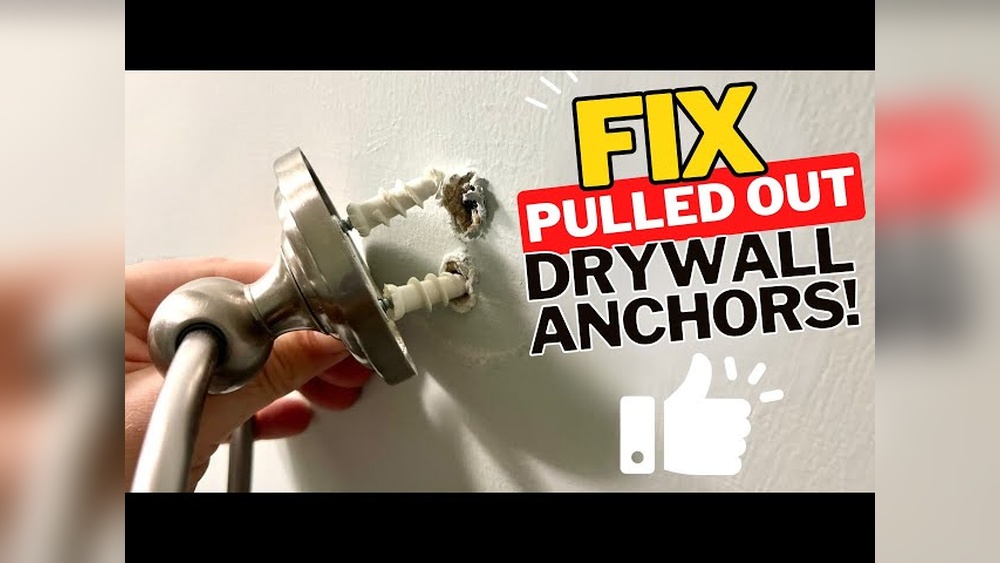
Removing wall anchors from drywall can feel tricky, especially if you want to avoid making a mess or damaging your walls. You might be staring at those stubborn anchors right now, wondering how to get them out cleanly and quickly.
Don’t worry—this guide will show you simple, effective ways to remove wall anchors without stress. By the time you finish reading, you’ll have the confidence to handle this common home task like a pro. Keep reading to discover easy steps that save your walls and your sanity.
Types Of Wall Anchors
Wall anchors help hang things on drywall safely. Different anchors work best for different weights and wall types. Knowing the types helps remove them correctly without damage. Here are common wall anchors you may find in your walls.
Plastic Expansion Anchors
Plastic expansion anchors are simple and common. They expand as a screw goes in. These anchors hold light to medium items. They fit in a small hole drilled in the drywall. Easy to install and remove with care.
Toggle Bolts
Toggle bolts have metal wings that open inside the wall. The wings spread the weight over a larger area. They hold heavy objects securely. Removing toggle bolts requires pulling the screw and wings out carefully.
Molly Bolts
Molly bolts are metal anchors with expandable sleeves. When the screw tightens, the sleeve expands inside the wall. They provide strong support for medium to heavy loads. Removing molly bolts means unscrewing and pulling the anchor gently.
Threaded Drywall Anchors
Threaded drywall anchors look like large plastic screws. They twist into the drywall without a pilot hole. These anchors hold medium weight items firmly. Remove by unscrewing the anchor from the wall slowly.
Tools Needed For Removal
Removing wall anchors from drywall requires the right tools. Using proper tools makes the job easier and safer. These tools help prevent damage to your wall and reduce frustration. Below are the main tools needed for removing wall anchors.
Screwdriver Options
A screwdriver is the most common tool for wall anchor removal. Choose a flathead or Phillips screwdriver based on the anchor type. A screwdriver helps twist out anchors that have a visible slot or head. For plastic anchors, gently turning with a screwdriver can loosen them. Always use a screwdriver with a handle that fits your hand well. This improves grip and control during removal.
Pliers And Utility Knife
Pliers are useful for pulling out stubborn anchors. Needle-nose pliers work best to grab small anchors firmly. Grab the anchor’s edge and pull straight out. Use a utility knife to cut around the anchor if it is flush with the wall. Scoring the drywall around the anchor reduces wall damage. Pliers combined with a utility knife make tough anchors easier to remove.
Drill And Specialty Tools
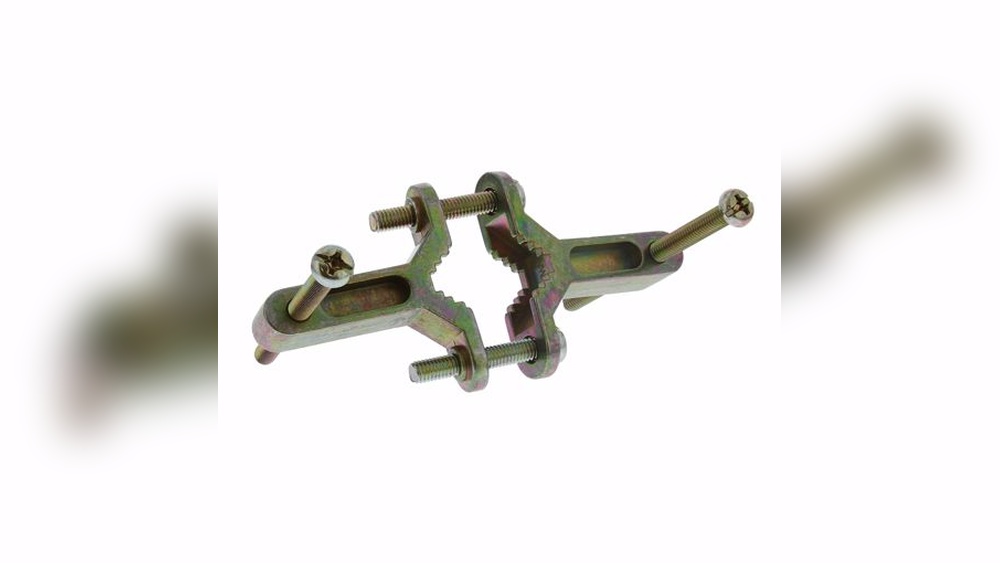
A drill is helpful for anchors that resist manual removal. Use a drill bit slightly smaller than the anchor to bore into it. This breaks the anchor apart inside the wall cavity. Specialty tools like anchor removers or extractor kits are also available. These tools clamp and twist anchors out without damaging drywall. Drills and specialty tools save time on difficult anchors.
Removing Plastic Expansion Anchors
Plastic expansion anchors hold screws tightly in drywall. Removing them can be tricky. These anchors expand inside the wall to grip firmly. You need to remove them carefully to avoid damage. Here are simple ways to take out plastic expansion anchors.
Pulling Out With Pliers
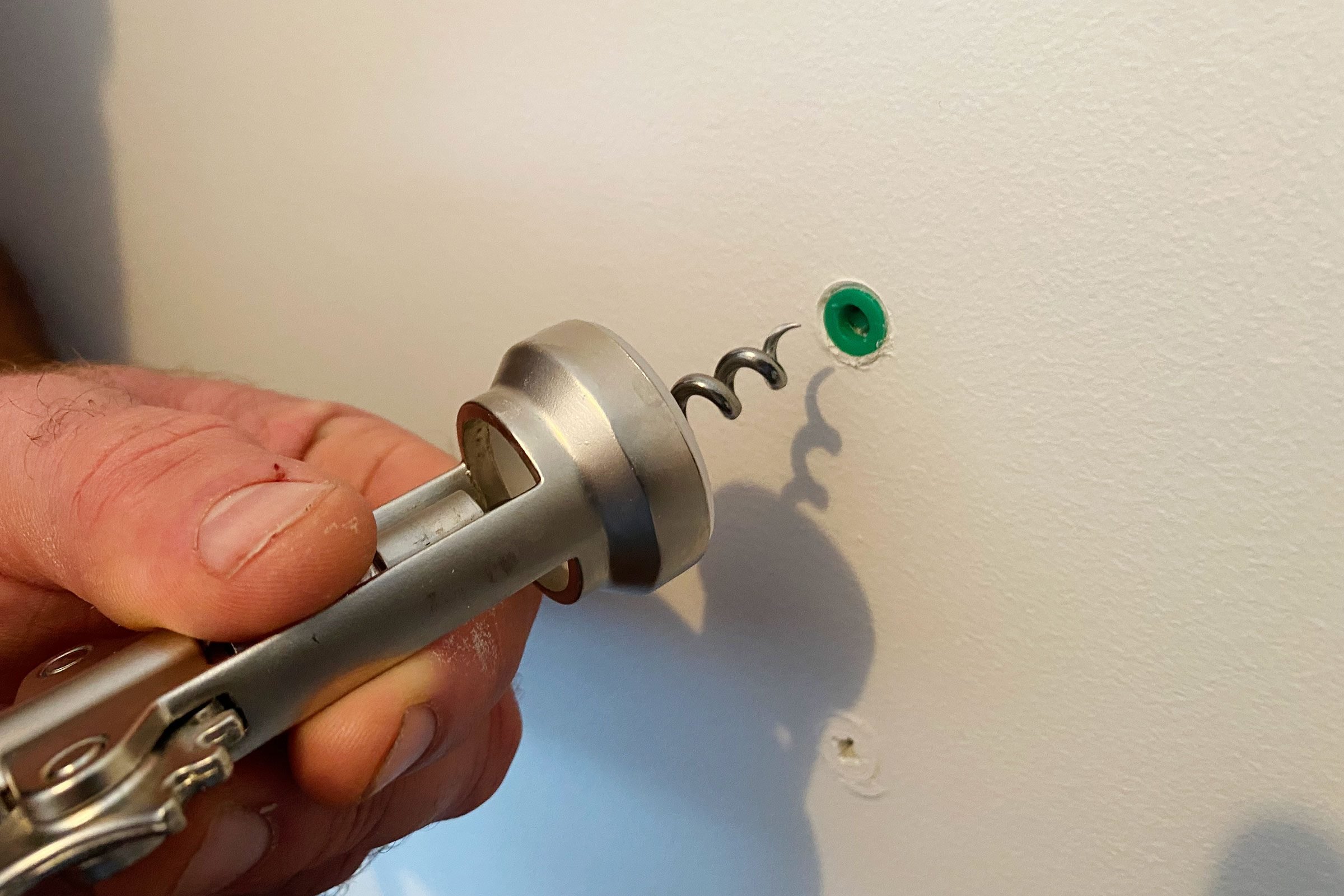
Use needle-nose pliers to grab the anchor’s edge. Pull gently while twisting back and forth. This loosens the anchor from the drywall. Pull slowly to avoid tearing the wall. If the anchor does not move, try another method.
Pushing Through The Drywall
Push the anchor inside the wall cavity. Use a screwdriver or a similar tool for this. Apply steady pressure until the anchor pops through. This leaves a small hole in the drywall. You can patch the hole easily later.
Alternative Techniques
Try drilling into the center of the anchor. Use a drill bit slightly smaller than the anchor. Drill slowly to break the anchor apart inside. Then push or pull out the pieces. Another way is to cut the anchor flush with the wall. Patch over the cut area smoothly.
Removing Toggle Bolts
Removing toggle bolts from drywall can be tricky. These anchors hold strongly behind the wall, making removal a bit challenging. This section guides you through simple steps to take out toggle bolts safely and cleanly. Follow these clear instructions to avoid damage to your wall.
Unscrewing The Bolt
Start by turning the bolt counterclockwise. Use a screwdriver that fits the bolt head well. Turn slowly to avoid stripping the screw. Sometimes, the bolt will unscrew fully and come free. If the bolt spins but does not move out, it may be stuck inside the toggle.
Handling The Toggle
The toggle is the metal piece behind the drywall. It expands to hold the bolt tight. After the bolt is out, the toggle usually stays inside the wall. Try to pull it out gently with needle-nose pliers. If it moves, pull it straight out. Avoid pushing it further into the wall cavity.
When To Cut The Bolt
If the bolt does not unscrew or the toggle is stuck, cutting the bolt is the best option. Use a small hacksaw or a rotary tool with a cutting blade. Cut the bolt close to the wall surface. Then push the toggle into the wall cavity. Patch the hole with spackle or drywall repair kit afterward.
Removing Molly Bolts
Removing molly bolts from drywall can be tricky but is doable with the right steps. Molly bolts expand behind the wall, making them sturdy. This expansion also makes removal a bit challenging. Follow these methods to remove them safely without damage.
Unscrewing To Collapse
Start by unscrewing the bolt inside the molly anchor. Use a screwdriver that fits well to avoid stripping the head. As you turn, the anchor’s legs begin to fold inward. This collapse releases the grip on the drywall. Keep turning until the bolt comes out completely. The folded anchor stays inside the wall cavity.
Pulling Out The Anchor
After removing the bolt, try pulling out the collapsed anchor. Use needle-nose pliers for a better grip. Gently wiggle the anchor while pulling straight out. If it moves, keep pulling until it frees from the drywall. Do not force it too hard to avoid wall damage. If the anchor resists, use the next method.
Drilling Out Stubborn Anchors
For anchors that won’t budge, drilling is the best option. Use a drill bit slightly larger than the anchor’s diameter. Drill slowly into the center of the anchor. This breaks it apart inside the wall. Clear out the pieces with pliers or a vacuum. Patch the hole with spackle or joint compound afterward.
Credit: www.familyhandyman.com
Dealing With Threaded Drywall Anchors
Threaded drywall anchors are common for hanging items securely on walls. They screw directly into drywall and hold screws tightly. Removing these anchors needs care to avoid wall damage. Two main ways exist to remove them: backing them out by hand or using a drill when stuck. Both methods can work well depending on the anchor’s condition.
Backing Out The Anchor
Start by turning the anchor counterclockwise. Use pliers or your fingers for grip. Pull gently while turning to ease it out. This method works best if the anchor is loose. If it feels stuck, avoid forcing it. Forcing can cause drywall damage. Take your time and keep steady pressure. Once loose, pull the anchor fully out. Fill the hole with spackle or wall filler afterward.
Using A Drill For Stuck Anchors
Use a drill with a screwdriver bit matching the anchor screw. Set the drill to low speed and reverse mode. Place the bit into the screw head carefully. Start drilling slowly to turn the anchor out. Keep the drill steady to avoid wall damage. This method works well for anchors tightly fixed inside drywall. Stop if the wall shows signs of cracking. After removal, patch the hole for a clean finish.
Repairing Drywall After Anchor Removal
Removing wall anchors from drywall often leaves behind holes and damage. Repairing these spots helps restore the wall’s smooth surface. A clean repair also hides the old anchor marks. This section guides you through simple steps to fix drywall after anchor removal.
Filling Holes
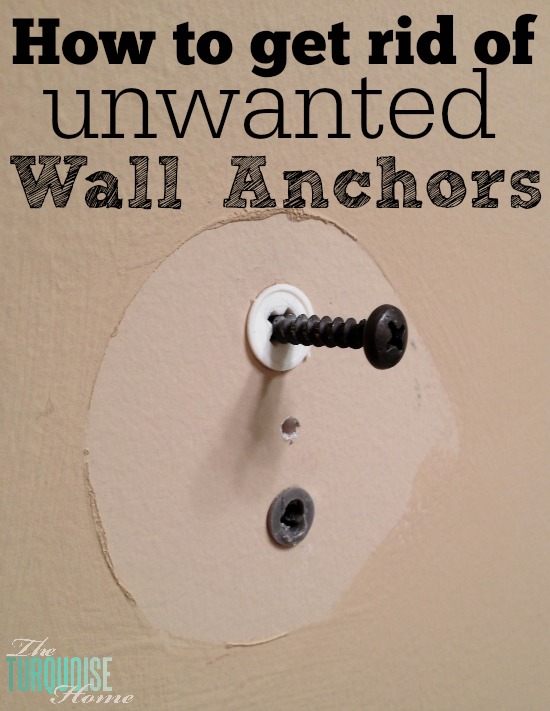
Start by cleaning the hole area to remove dust and loose debris. Use a putty knife to apply spackling or joint compound. Press the filler firmly into the hole. Smooth the surface with the knife, removing extra filler. Let the filler dry completely before moving on.
Sanding And Smoothing
Once dry, sand the filled area gently with fine-grit sandpaper. Sand until the patch blends with the wall. Avoid sanding too hard to prevent new damage. Wipe away dust with a damp cloth after sanding. The surface should feel even and smooth to touch.
Painting Tips
Choose paint that matches your wall color. Use a small brush or roller for better control. Apply paint over the patched area in thin layers. Let each layer dry before applying the next. This method hides the repair and refreshes your wall’s look.
Credit: theturquoisehome.com
Preventing Damage During Removal
Removing wall anchors from drywall can be tricky. The goal is to take them out without causing holes or tears. Careful steps help keep your wall smooth and ready for new use. Damage can be avoided by using the right method, moving slowly, and choosing proper tools.
Choosing The Right Method
Select a removal method based on the anchor type. Plastic anchors may twist out gently. Metal anchors might need pushing or pulling. Knowing the anchor type makes removal easier and safer for your wall. Do not force the anchor. Choose a method that suits the anchor’s shape and size.
Working Slowly And Carefully
Take your time during removal. Rushing can tear the drywall or enlarge the hole. Use gentle pressure and steady movements. Small pauses help you check for damage. Slow work prevents cracks and keeps the wall intact. Patience is key to preserving your drywall’s surface.
Using Proper Tools
Select tools designed for wall anchor removal. Needle-nose pliers or a screwdriver often work well. Avoid sharp tools that can gouge the drywall. A putty knife can help pry anchors gently. Using the right tools reduces risks and makes the job easier.
:max_bytes(150000):strip_icc()/how-to-remove-drywall-anchors-7562285-02-c01abbfe63374ad3a7bc1e52d0c15bb2.JPG)
Credit: www.thespruce.com
Frequently Asked Questions
How Do I Safely Remove Wall Anchors From Drywall?
To safely remove wall anchors, first unscrew any visible screws. For plastic anchors, push or pull them out gently. For metal anchors, use pliers to pull them out carefully. Avoid damaging drywall by working slowly and using proper tools.
Can I Patch Drywall Holes After Removing Anchors?
Yes, patching drywall holes is simple. Use spackle or joint compound to fill holes. Sand the area smooth once dry. Finally, repaint to match your wall. This restores your wall’s appearance neatly.
What Tools Do I Need To Remove Wall Anchors?
You need a screwdriver, pliers, and possibly a drill. A putty knife helps for patching holes afterward. Using the right tools prevents drywall damage and makes removal easier.
Will Removing Anchors Damage My Drywall?
Removing anchors can cause minor damage if done incorrectly. Use gentle pressure and correct tools to minimize damage. Most holes can be easily repaired with spackle and sanding.
Conclusion
Removing wall anchors from drywall does not have to be hard. Use the right tools and work slowly. Pulling or twisting the anchor carefully helps avoid damage. Fix any holes left behind with spackle or putty. Taking your time makes the wall look neat again.
This simple process keeps your walls clean and ready for new decorations. Try these steps next time you need to remove anchors safely.