Have you ever tried hanging something on your wall, only to find the anchor pulled right out? It’s frustrating, and it can leave your wall looking damaged and unstable.
But don’t worry—you don’t have to live with loose anchors or messy holes. You’ll learn simple, effective ways to fix pulled out wall anchors so your shelves, pictures, and decorations stay secure. By the end, you’ll know exactly what to do to make your walls strong again, saving you time, money, and stress.
Keep reading, and let’s get your walls back in shape!
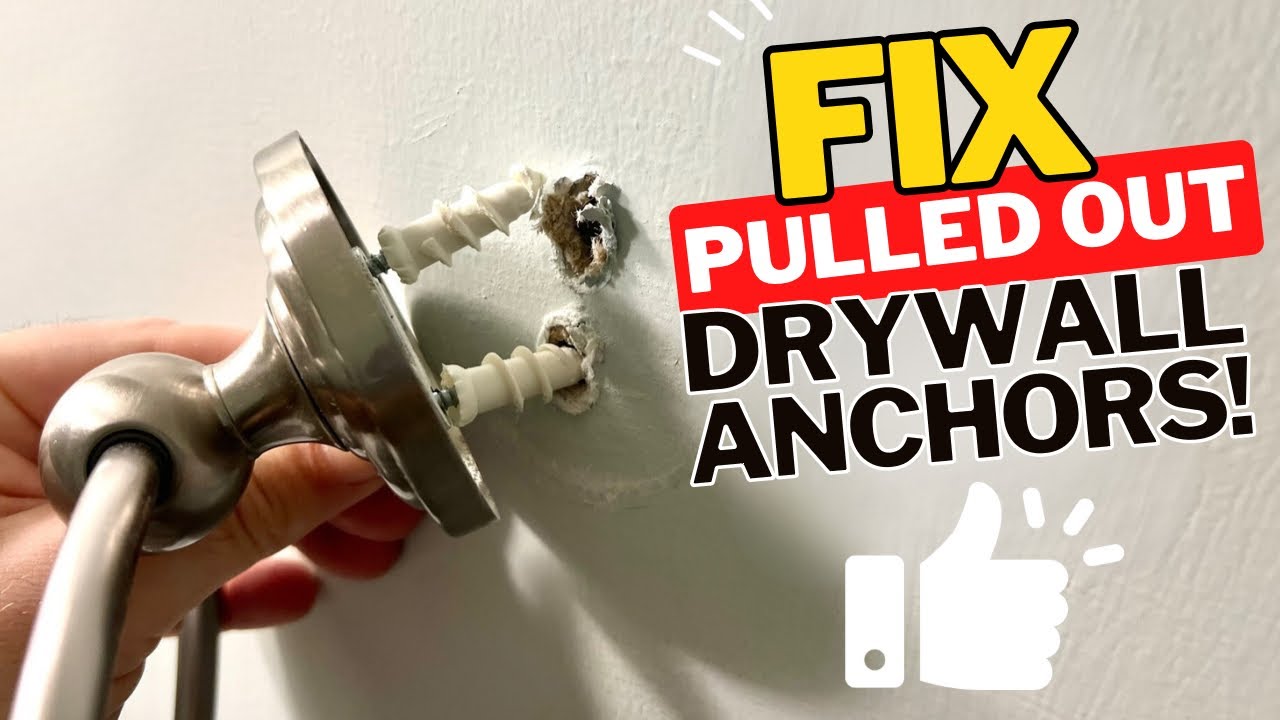
Credit: www.youtube.com
Identify The Damage
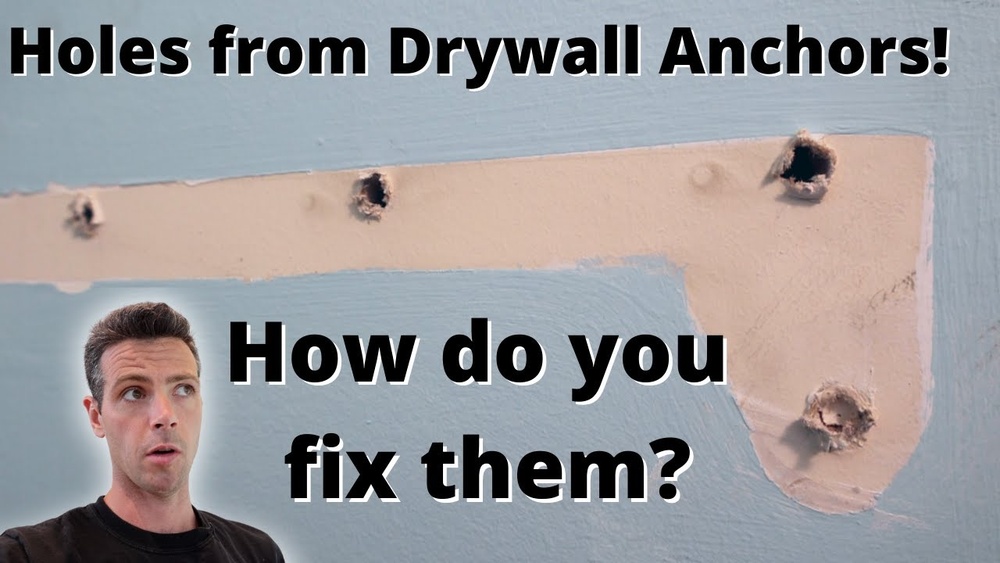
Identifying the damage is the first step in fixing pulled out wall anchors. It helps you understand what went wrong and how to repair it properly. Take a close look at the wall and the anchor area. This will guide you to choose the right tools and materials for the fix.
Check Anchor Type
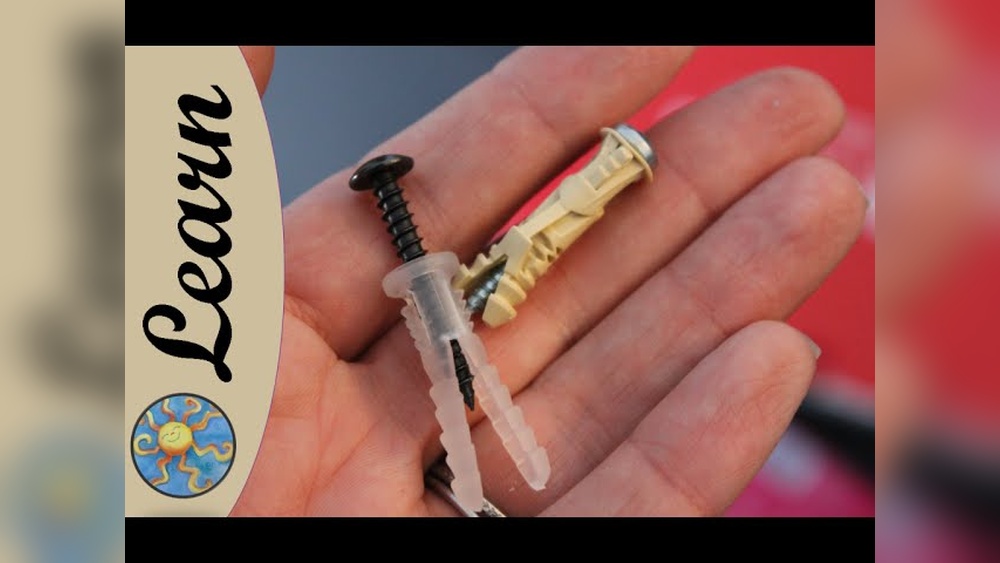
Look at the anchor itself. Is it plastic, metal, or a toggle type? Each anchor works differently and needs a specific fix. Knowing the type helps you decide if you can reuse it or must replace it. Some anchors pull out because they are not strong enough for the wall load.
Assess Wall Material
Identify the wall material around the hole. Common types include drywall, plaster, or concrete. Each material reacts differently to anchors. Drywall may crumble easily. Concrete walls need stronger anchors. This knowledge prevents further damage during repair.
Examine Hole Size
Measure the hole left by the pulled anchor. A hole too big may need filling before reanchoring. A small or clean hole might allow a simple fix. The hole size affects the anchor’s grip and the wall’s strength. Use a ruler or tape for accurate measurement.

Credit: www.reddit.com
Remove Loose Anchors
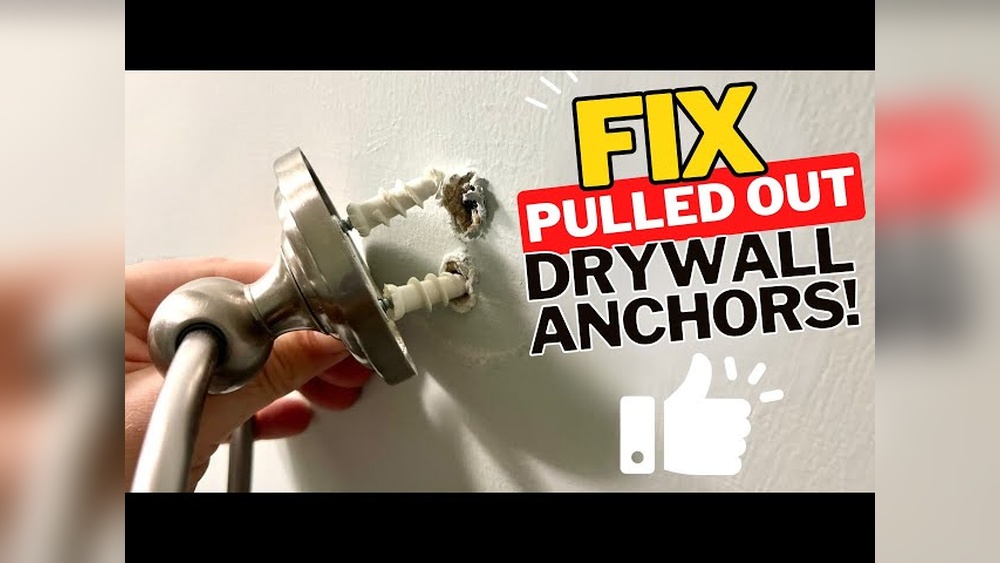
Removing loose wall anchors is the first step to fix pulled out anchors. Loose anchors can cause damage if not taken out properly. Careful removal helps prepare the wall for a new anchor. It also prevents bigger holes or cracks.
Focus on gentle and steady techniques. This avoids making the problem worse. Here are some simple ways to remove loose anchors safely.
Use Pliers Carefully
Grab the loose anchor with needle-nose pliers. Hold it firmly but gently. Pull straight out with slow, even pressure. Avoid twisting or jerking the anchor. This helps keep the wall intact. If the anchor won’t budge, try wiggling it slightly. Stop if the wall starts to crack.
Avoid Wall Damage
Do not force the anchor out too fast. Use smooth movements to protect the drywall. If the anchor breaks inside, remove the pieces with the pliers. Be patient. Preventing extra holes saves time later. Use a putty knife to loosen stuck anchors. Work carefully around the edges to avoid ripping the wall.
Clean The Area
After removing the anchor, clear dust and debris. Use a dry cloth or soft brush. A clean area helps new anchors stick better. Check for any small cracks or holes. Fill these with spackle or wall filler. Let it dry completely before adding new anchors. A smooth surface makes the repair strong and neat.
Fill And Repair Holes
Fixing holes left by pulled-out wall anchors is important for a clean look. Filling and repairing these holes restores your wall’s smooth surface. It also prepares the wall for new anchors or paint. Follow clear steps to get the best results.
Choose The Right Filler
Select a filler that suits your wall type. Spackle works well for small holes in drywall. For bigger holes or plaster walls, use joint compound or patch kits. Check drying time and ease of sanding before buying.
Apply Filler Correctly
Use a putty knife to press filler deep into the hole. Fill it slightly above the wall surface. Smooth the filler with the knife to remove extra material. Let it dry fully before touching or sanding.
Sand For Smooth Finish
Use fine-grit sandpaper to smooth the dried filler. Sand gently until the patch is level with the wall. Wipe away dust with a damp cloth. The wall is now ready for painting or new anchors.
Select New Anchors
Selecting new wall anchors is key to fixing pulled out anchors properly. Choosing the right type ensures strong support and prevents future damage. Focus on matching the anchor to your wall and the weight it must hold. Quality materials also matter for lasting results.
Match Anchor To Wall Type
Walls vary in material and thickness. Drywall anchors work best in drywall. Masonry anchors fit brick or concrete walls. Use anchors designed for your wall type to get a secure hold. This reduces the chance of anchors pulling out again.
Consider Weight Capacity
Check the weight your anchor needs to support. Light items need small anchors. Heavy shelves or mirrors require stronger, larger anchors. Choose anchors that can hold more than the item’s weight for safety. Overestimate weight to avoid accidents.
Use Quality Materials
Buy anchors made from strong, durable materials. Plastic anchors can work for light loads. Metal anchors give better strength and longevity. Avoid cheap, flimsy anchors that break easily. Good materials keep your wall and items safe.
Install Anchors Properly
Installing wall anchors properly prevents them from pulling out again. Follow these steps carefully. A good installation supports weight and keeps your walls safe. Small mistakes can cause anchors to fail. Start with the right tools and measurements for the best results.
Drill Correct Hole Size
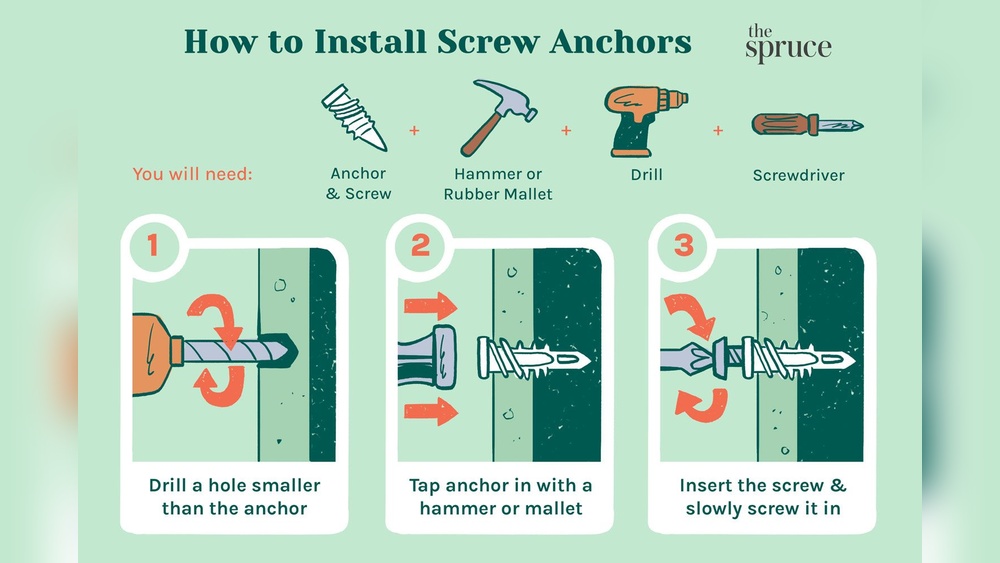
Choose a drill bit that matches the anchor size. A hole too big or too small causes loose anchors. Measure the anchor width before drilling. Drill straight into the wall for a clean hole. Avoid forcing the drill, which can damage the wall.
Insert Anchor Securely
Push the anchor into the hole until flush with the wall. Use a hammer gently if needed, but do not hit hard. The anchor should fit tightly without bending. Check that the anchor does not spin or wobble. A solid fit ensures strong support.
Test For Stability
After inserting the anchor, give it a gentle pull. The anchor should stay firmly in place. Attach the screw or hook and test the load lightly. If the anchor moves, remove it and try again. Stability means your anchor can hold the weight safely.
Alternative Fixing Methods
Wall anchors can fail or pull out, leaving holes and weak spots. Fixing these spots quickly helps keep walls strong. Using alternative fixing methods can provide better support and last longer. These methods suit different wall types and weights.
Use Toggle Bolts
Toggle bolts work well on drywall and hollow walls. They have wings that open inside the wall. This spreads the weight over a larger area. First, drill a hole big enough for the toggle. Push the bolt with wings folded through the hole. The wings open behind the wall and hold tightly. Tighten the bolt to secure your item firmly.
Try Adhesive Mounts
Adhesive mounts stick to walls without drilling. They are good for light objects like pictures or small shelves. Clean the wall surface before applying the mount. Press it firmly and hold for a few seconds. Let the adhesive set for the time suggested on the package. These mounts avoid wall damage and pull-out problems.
Explore Magnetic Anchors
Magnetic anchors attach to metal studs or surfaces inside walls. Strong magnets hold items without screws or holes. They work best on metal or steel walls. Place the magnet where you want support. Attach your item to the magnet securely. Magnetic anchors are easy to move and reuse.
Prevent Future Pull-outs
Preventing wall anchors from pulling out again saves time and effort. Simple steps keep anchors strong and secure. Focus on how much weight the anchor holds, check anchors often, and use the right tools for installation. These habits help avoid damage and keep your walls safe.
Avoid Overloading
Do not hang items heavier than the anchor’s limit. Check the packaging for weight capacity. Spread weight evenly if hanging multiple objects. Heavy items need stronger anchors or wall studs. Overloading weakens anchors and causes them to pull out.
Regularly Inspect Anchors
Look at your anchors every few months. Tighten loose screws or replace damaged anchors quickly. Early checks stop small problems from growing. This keeps your walls stable and your items safe. Regular inspection prevents unexpected falls.
Use Proper Tools
Use a drill and screwdriver suited for anchors. A drill hole that is too big or too small weakens the hold. Follow the anchor instructions carefully. Correct tools make installation easier and stronger. Proper use helps anchors stay in place longer.

Credit: www.reddit.com
Frequently Asked Questions
What Causes Wall Anchors To Pull Out?
Wall anchors pull out due to improper installation or excessive weight. Using the wrong anchor type or size weakens the hold. Overloading the anchor beyond its capacity also causes failure. Moisture and wall damage can reduce anchor effectiveness, leading to pull out.
How Do I Fix A Pulled Out Wall Anchor?
To fix a pulled out wall anchor, first remove the old anchor. Patch the hole with spackle or drywall compound. Let it dry, then sand smooth. Reinstall a new, appropriate anchor size for the load to ensure a secure hold.
Can I Reuse A Pulled Out Wall Anchor?
No, it’s best not to reuse a pulled out wall anchor. Once pulled, the anchor loses grip and won’t hold securely. Always replace with a new anchor sized properly for the wall and load to prevent future damage.
What Type Of Wall Anchor Prevents Pulling Out?
Toggle bolts or molly bolts provide stronger support and resist pulling out. They expand behind the wall, distributing weight evenly. Use these anchors for heavy items or drywall with low density for a secure, long-lasting hold.
Conclusion
Fixing pulled out wall anchors is simple with the right steps. Start by cleaning the hole and choosing the correct anchor size. Insert the anchor carefully to avoid further damage. Tighten screws gently to keep the anchor secure. Taking time helps avoid repeated repairs.
With patience, your wall will hold firmly again. Small fixes can save money and effort. Try these tips for a strong, lasting hold. Easy and effective — that’s the goal.