If you’re looking to securely attach a conduit collar to an exterior brick wall, you’ve come to the right place. Getting this right is crucial to ensure your wiring stays safe and your installation looks clean.
But how do you make sure the collar stays firmly anchored without damaging your brick? In this guide, you’ll discover simple, step-by-step tips that anyone can follow—even if you’re new to DIY. Keep reading, and you’ll learn exactly how to anchor your conduit collar with confidence and ease.
Credit: allfuelhst.com
Tools And Materials Needed
Anchoring a collar for conduit to an exterior brick wall requires specific tools and materials. Having the right items makes the job easier and ensures a strong, safe hold. Prepare everything before starting to save time and avoid mistakes.
Types Of Collars For Conduit
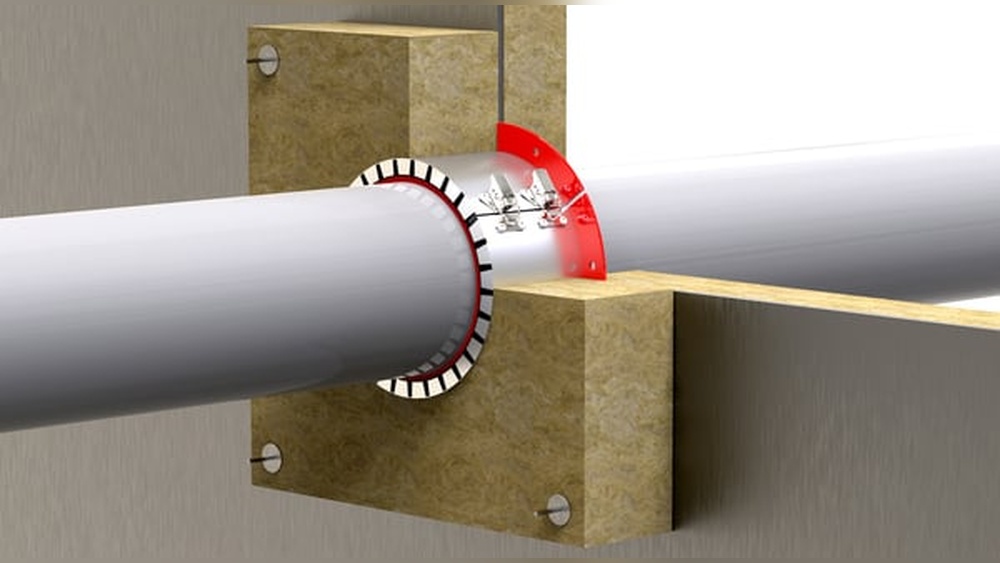
Choose the right collar based on your conduit size and wall type. Metal collars offer strong support and resist weather well. Plastic collars are lightweight and resist corrosion. Some collars have rubber gaskets to keep water out. Select a collar that fits tightly around the conduit.
Anchor Fasteners Suitable For Brick
Use fasteners designed for brick surfaces. Sleeve anchors provide a secure hold in brick walls. Tapcon screws are popular for masonry and easy to install. Expansion anchors work well for heavy loads. Pick fasteners that match collar holes and wall thickness.
Additional Supplies
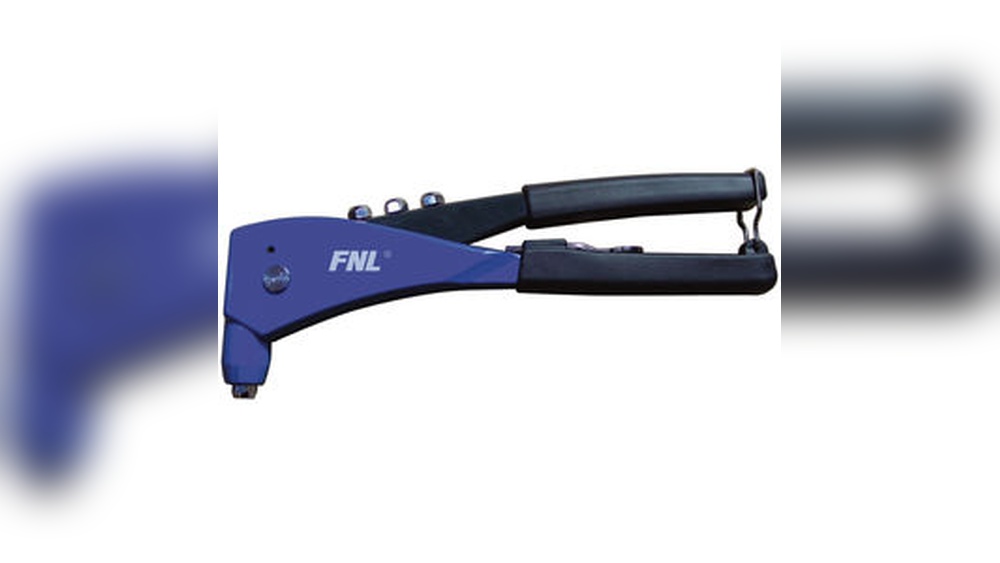
Gather a drill with masonry bits to create holes in brick. A screwdriver or impact driver helps drive screws or anchors. A level ensures the conduit stays straight. Use a pencil to mark drilling spots. Safety gear like gloves and goggles protects during work.
Credit: allfuelhst.com
Preparing The Work Area
Preparing the work area is a key step before anchoring a collar for conduit to an exterior brick wall. It helps make the installation smooth and safe. A clean and well-marked surface ensures the anchors hold firmly. Take time to organize your tools and clear the space around the wall. This preparation saves effort and avoids mistakes.
Cleaning The Brick Surface
Start by removing dirt, dust, and loose debris from the brick surface. Use a stiff brush to scrub the area where the collar will attach. Dirt and grime can stop anchors from gripping properly. For tough stains, use a mild detergent and water, then rinse well. Let the surface dry completely before moving to the next step.
Marking Anchor Points
Next, position the collar against the brick wall. Use a pencil or marker to mark where the anchors will go. Double-check these marks for accuracy. Incorrect anchor points can cause the collar to sit unevenly. Measure carefully and keep the marks clear and visible. This step guides drilling and helps avoid damage to the wall.
Drilling Into Brick
Drilling into brick is the first step to anchor a collar for conduit on an exterior wall. It needs care and the right tools. The drill hole must be clean and the right size. This ensures a secure fit for the anchor and prevents damage to the brick.
Choosing The Right Drill Bit
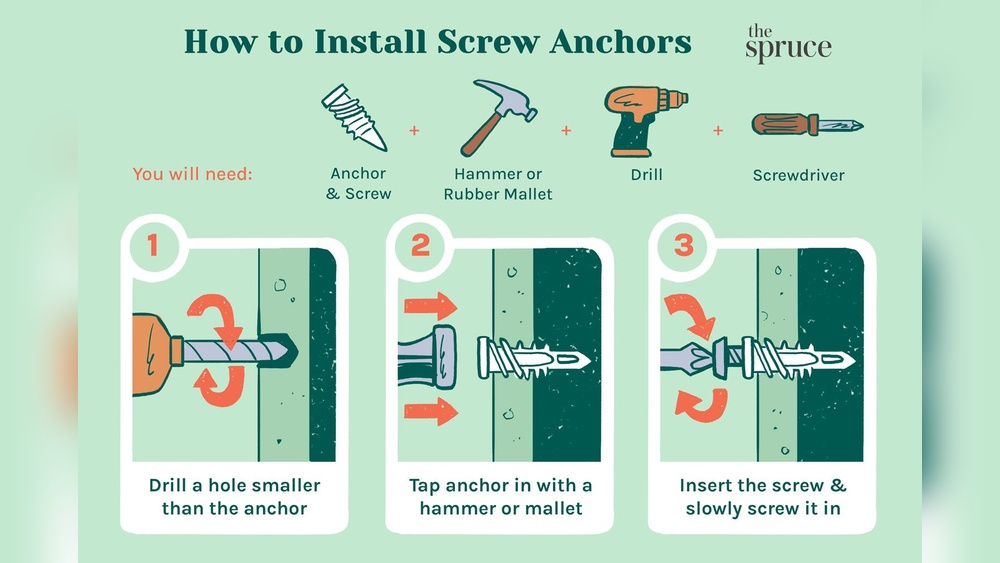
Use a masonry drill bit made for bricks and stone. These bits have a carbide tip that stays sharp. Choose a bit size matching the anchor diameter. Too small or large causes weak hold or damage. Check the drill bit for wear before starting.
Drilling Techniques For Brick
Start drilling with steady pressure and a slow speed. Let the bit do the work. Avoid pushing too hard to prevent cracking the brick. Drill straight, not at an angle, for a firm anchor hold. Remove dust from the hole often with a brush or air blower.
Installing Anchors
Installing anchors is a key step for fixing a collar to a brick wall. Anchors hold the collar tightly and keep the conduit safe. This step helps avoid movement and damage over time. Proper installation makes the setup strong and long-lasting.
Choose the right type of anchor based on your wall and collar size. Use the right tools to make clean holes for the anchors. Take care during installation to get the best hold.
Inserting Plastic Or Metal Anchors
Drill a hole in the brick using a masonry bit. The hole size should match the anchor size exactly. Gently tap the plastic or metal anchor into the hole. Make sure the anchor sits flush with the wall surface. Use a hammer to tap softly if needed. Avoid pushing too hard to prevent damage.
Ensuring Secure Fit
Check that the anchor fits tightly in the hole. Wiggle the anchor lightly to test stability. A loose anchor will not hold the collar properly. Tighten screws slowly to avoid stripping the anchor. Stop tightening once the collar feels secure. A firm fit prevents future loosening or falling.
Attaching The Collar
Attaching the collar to a brick wall is a key step in securing conduit outside. This step ensures the conduit stays firmly in place, preventing damage and keeping the installation neat. The process involves two main tasks: positioning the collar and securing it with screws. Follow these steps carefully for a safe and stable setup.
Positioning The Collar Correctly
Place the collar around the conduit and hold it against the brick wall. Check that the collar sits flat without gaps between it and the wall. Align the collar so the conduit runs straight and does not tilt. Mark the drill holes on the brick through the collar’s mounting points. Proper position avoids stress on the conduit later.
Securing With Screws
Use a hammer drill to make holes where you marked the brick. Insert wall anchors into the holes for a strong hold. Hold the collar in place and drive screws through its holes into the anchors. Tighten the screws until the collar is snug against the wall. Avoid over-tightening, which can crack the brick or collar.
Sealing And Finishing Touches
Sealing and finishing touches protect the conduit collar and the wall. These steps stop water and dust from entering. They also keep the installation neat and strong. Proper sealing extends the life of the setup. It prevents damage to the brick and conduit.
Applying Weatherproof Sealant
Choose a sealant made for outdoor use. Silicone sealants work well on brick and metal. Apply the sealant around the collar edges. Use a steady hand for a smooth line. Fill all gaps between the collar and brick. This prevents water from leaking inside. Let the sealant dry fully before touching.
Inspecting For Stability
Check the collar’s hold on the wall. Press gently on the conduit and collar. Look for any movement or looseness. Tighten screws or anchors if needed. Make sure the collar is flush against the brick. A stable collar keeps the conduit safe during storms. Test after the sealant dries for best results.
Common Mistakes To Avoid
Anchoring a collar for conduit to an exterior brick wall seems simple but many make mistakes. These errors can cause weak holds and damage to the wall. Avoiding common mistakes helps ensure a strong, lasting anchor.
Focus on proper steps to secure the conduit firmly. Learn what errors to avoid for a safe installation.
Using Wrong Drill Bits
Many use regular drill bits instead of masonry bits. Regular bits can break or damage the brick. Masonry bits drill clean holes in brick and mortar.
Ignoring Wall Condition
Drilling into crumbling or damaged brick weakens the anchor. Always check the wall condition before installation. Avoid placing anchors on loose or cracked bricks.
Choosing Incorrect Anchor Size
Small anchors may not hold the conduit tightly. Oversized anchors can crack the brick. Match anchor size to conduit and wall thickness for best results.
Not Cleaning Drill Holes
Drill dust inside holes reduces anchor grip. Use a brush or air blower to clean holes. Clean holes help anchors stay secure longer.
Over-tightening Anchors
Too much force can crack bricks or strip threads. Tighten anchors just enough to hold the conduit firmly. Avoid excessive pressure.
Ignoring Weatherproofing
Unsealed anchor points allow water to seep into bricks. Water causes damage and weakens the wall. Use sealant to protect drilled areas from moisture.
Credit: www.stifirestop.com
Frequently Asked Questions
What Tools Are Needed To Anchor Collar On Brick Walls?
You need a hammer drill, masonry bits, anchors, screws, and a screwdriver. A level and measuring tape help ensure accuracy. Safety gear like gloves and goggles is recommended.
How To Choose The Right Anchor For Exterior Brick?
Select anchors rated for masonry and outdoor use. Sleeve anchors or expansion anchors work well. Consider wall thickness and conduit size for a secure fit.
Can I Install Conduit Collar Without Drilling Bricks?
Drilling ensures a strong hold; alternative methods risk instability. Adhesive mounts exist but are less durable outdoors. For safety and durability, drilling is preferred.
How Deep Should Holes Be For Conduit Anchors?
Drill holes at least 1. 5 inches deep or as per anchor instructions. Proper depth ensures anchors grip firmly in the brick. Avoid drilling too shallow or too deep.
Conclusion
Anchoring a collar for conduit to a brick wall is simple with the right steps. Use proper tools and choose the right anchors for a strong hold. Make sure the collar fits tightly around the conduit. Secure the collar firmly to prevent movement or damage.
Taking time to do this job carefully saves future repairs. A well-anchored conduit keeps your wiring safe and neat. Follow these tips, and your project will last for years. Simple steps, good results.