Are you struggling to hang something sturdy on your concrete wall? Installing a hook might seem tricky, but with the right steps, you can do it yourself quickly and safely.
Imagine having that perfect spot to hang your tools, decorations, or keys without worrying about them falling. In this guide, you’ll discover simple, clear instructions that make the process easy—even if you’ve never drilled into concrete before. Keep reading, and you’ll gain the confidence and know-how to get the job done right the first time.

Credit: www.reddit.com
Choosing The Right Hook
Choosing the right hook is important for a strong hold in a concrete wall. The hook must fit the weight and type of item you want to hang. A wrong hook can damage the wall or cause the item to fall. Understanding different hooks helps you pick the best one for your needs.
Types Of Hooks For Concrete
Concrete walls need special hooks made for hard surfaces. Common types include sleeve anchors, expansion hooks, and screw hooks. Sleeve anchors fit tightly in drilled holes. Expansion hooks expand inside the hole for a firm grip. Screw hooks have threads that grip the concrete. Choose a type based on the weight and shape of the item.
Weight Capacity Considerations
Every hook has a weight limit. Check the hook’s label for maximum weight. Use a hook that holds more than the item’s weight. This prevents accidents and damage. For heavy items, use heavy-duty hooks or multiple hooks. Always follow safety guidelines for best results.
Material And Finish Options
Hooks come in different materials like steel, stainless steel, and plastic. Steel hooks are strong but may rust over time. Stainless steel resists rust and lasts longer outside. Plastic hooks are light and best for small, light items. Choose a finish that suits the environment and prevents corrosion.
Tools And Materials Needed
Installing a hook in a concrete wall requires the right tools and materials. Using proper equipment makes the job easier and safer. The correct items also ensure the hook holds firmly.
Below are the main tools and materials needed to install a hook in concrete. Each plays a key role in the process.
Drill And Drill Bits
A power drill is essential for making holes in concrete walls. Use a hammer drill if possible. It makes drilling faster and easier.
Choose masonry drill bits. These bits are strong and can cut through concrete. Pick a bit size that matches your anchors.
Anchors And Screws
Concrete anchors provide a secure hold for screws in concrete. Use plastic or metal anchors based on the hook weight. Insert anchors into the drilled hole before screwing.
Use screws that fit the anchors. The screws must be strong enough to support the hook and its load.
Safety Gear
Wear safety goggles to protect your eyes from dust and debris. Use gloves to protect your hands while drilling and handling anchors.
Wear a dust mask to avoid breathing in concrete dust. Ear protection helps if you use a loud hammer drill.
Preparing The Concrete Wall
Preparing the concrete wall is the first step to install a hook safely and securely. This stage ensures the hook will hold well and avoid damage to the wall. Proper preparation makes the installation process smoother and more reliable.
Locating The Mounting Spot
Choose a flat and solid part of the concrete wall. Avoid areas with cracks or loose materials. The spot should support the hook’s weight and use. Test the surface by tapping lightly to check for hollow sounds. A firm sound means the area is strong enough.
Marking Drill Points
Use a pencil or chalk to mark the exact spots for drilling. Measure carefully to align the hook properly. Double-check the marks to avoid mistakes. Clear and precise marks help guide the drill and prevent errors.
Checking For Hidden Utilities
Scan the wall for wires, pipes, or other hidden utilities. Use a stud finder or utility detector for safety. Avoid drilling where utilities may run. This step prevents accidents and costly repairs.
Credit: www.youtube.com
Drilling Into Concrete
Drilling into concrete is a key step to install a hook securely. It requires the right tools and careful technique. Concrete is tough and can damage drill bits if not handled well. Taking time during drilling ensures a strong hold and prevents cracks.
Selecting The Right Drill Bit
Use a masonry drill bit for concrete. These bits have a special tip made of carbide. They cut through hard surfaces smoothly. Choose a bit size that matches your hook anchor. Avoid using wood or metal bits as they wear out quickly.
Drilling Techniques
Mark the spot clearly before drilling. Hold the drill straight and steady. Start at low speed to create a guide hole. Increase speed gradually but do not push hard. Let the drill do the work to avoid cracks. Pause occasionally to cool the bit.
Cleaning The Hole
Remove dust and debris from the hole. Use a brush or compressed air to clean inside. A clean hole allows the anchor to fit tightly. Avoid leaving dust as it weakens the hold. Proper cleaning improves the hook’s strength and safety.
Installing The Anchor
Installing the anchor is a key step when you want to hang something on a concrete wall. The anchor holds the hook firmly in place. Without it, the hook might come loose and cause damage or injury. This section explains how to choose, insert, and secure the right anchor for your project.
Types Of Anchors
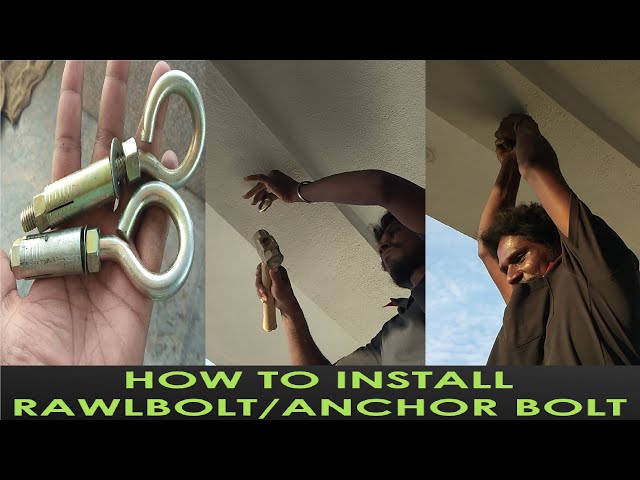
There are many anchor types for concrete walls. Plastic anchors work well for light loads. Metal anchors are stronger and good for heavy items. Expansion anchors spread inside the wall for a tight grip. Choose an anchor that matches your wall and the hook’s weight.
Inserting The Anchor
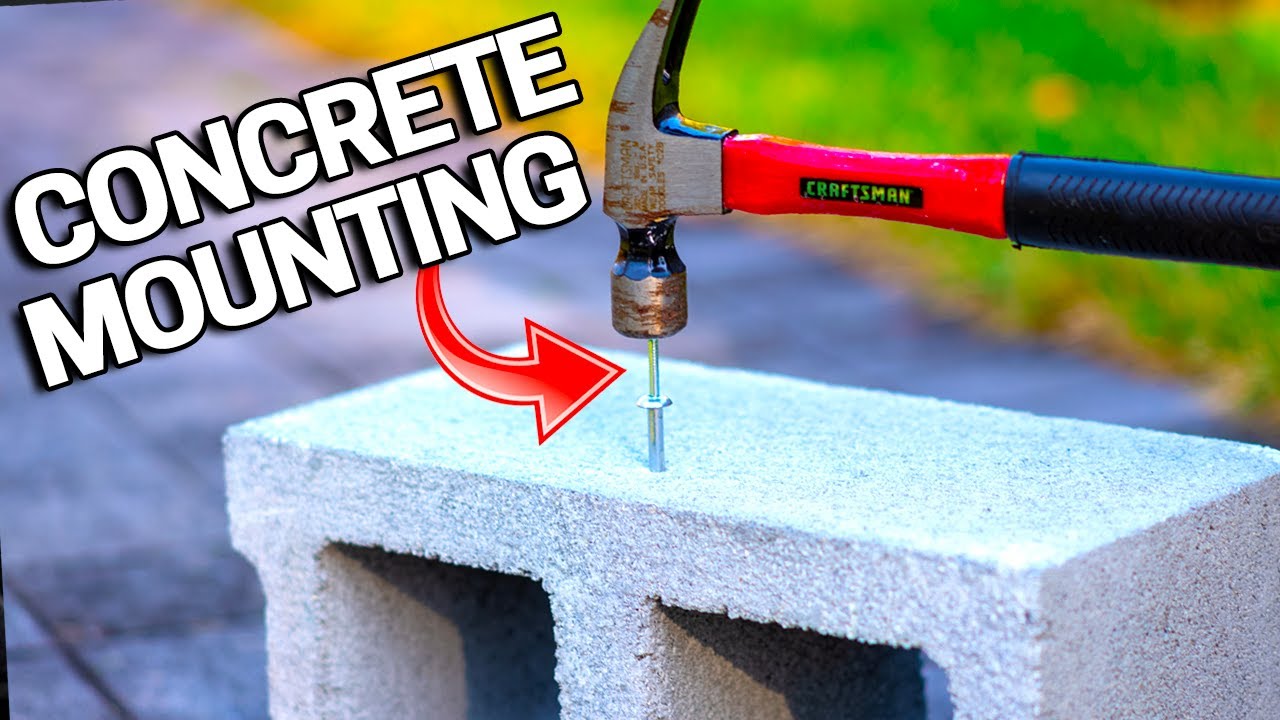
Start by drilling a hole in the concrete. Use a drill bit that fits the anchor size. Clean the hole by blowing out dust. Push the anchor into the hole gently. Tap it with a hammer until it is flush with the wall surface.
Ensuring A Secure Fit
After the anchor is in, check if it is tight. It should not wiggle or move. Use the right screw for the anchor type. Screw it in slowly, feeling for resistance. Stop if the anchor or wall cracks. A secure fit keeps the hook stable and safe.
Mounting The Hook
Mounting the hook on a concrete wall needs care and precision. Proper mounting ensures the hook holds weight safely. Follow clear steps to place the hook firmly.
Aligning The Hook
Start by holding the hook against the wall. Use a level to check if it is straight. Mark the spots for drilling holes on the wall. These marks guide you where to drill.
Securing With Screws
Drill holes at the marked points using a concrete drill bit. Insert wall plugs into the holes to hold screws tight. Place the hook over the plugs and screw it in. Tighten screws until the hook feels secure.
Testing Stability
After mounting, gently pull the hook to test strength. Check if it moves or feels loose. Tighten screws again if needed for extra support. The hook should stay firm without any wiggle.
Tips For Long-lasting Mounts
Ensuring your hook stays firmly in place requires more than just proper installation. Long-lasting mounts depend on smart care and attention. These tips help keep hooks secure and safe on concrete walls.
Avoiding Overloading
Do not hang items heavier than the hook’s limit. Overloading weakens the mount and may cause damage. Check the hook’s weight rating before use. Spread weight evenly across multiple hooks for heavy objects.
Regular Inspection
Look at the hooks often for signs of wear or loosening. Tighten screws if needed. Watch for cracks in the concrete near the hook. Early checks prevent bigger problems later.
Maintenance Suggestions
Clean hooks and wall areas to remove dust and dirt. Use a damp cloth and mild cleaner. Avoid harsh chemicals that can weaken the hook or wall. Replace hooks that show rust or damage to keep mounts strong.
Credit: www.youtube.com
Frequently Asked Questions
How Do You Prepare A Concrete Wall For Hook Installation?
Clean the wall surface thoroughly to remove dust and debris. Mark the exact spot for the hook. Use a hammer drill with a masonry bit to drill a hole. Insert a wall plug to secure the hook firmly.
What Tools Are Needed To Install A Hook In Concrete?
You need a hammer drill, masonry drill bit, wall plugs, a screwdriver, and the hook. Safety goggles and gloves are also essential for protection during installation.
Can I Install Hooks On Painted Concrete Walls?
Yes, but ensure the paint is stable and not peeling. Drill carefully to avoid cracking. Use appropriate anchors for secure installation without damaging the wall.
How Deep Should The Hole Be For A Wall Hook?
The hole depth should match the length of the wall plug plus the hook’s threaded part. Usually, 1. 5 to 2 inches deep is sufficient for a secure fit.
Conclusion
Installing a hook in a concrete wall is simple with the right steps. Start by choosing the correct drill bit and anchor. Drill carefully to avoid cracks or damage. Secure the hook tightly for strong support. Take your time and follow each step clearly.
This method helps you hang items safely and firmly. Practice makes the process easier and faster. Now, you can confidently add hooks to your concrete walls.