Have you ever wished you had an extra outlet right where your light switch is? Adding an outlet to an existing light switch can make your space much more convenient without the hassle of rewiring your entire room.
Imagine plugging in your phone charger, lamp, or any device exactly where you need it most. In this guide, you’ll discover simple, step-by-step instructions to safely add an outlet to your existing light switch. Keep reading, and you’ll be surprised how easy and cost-effective this upgrade can be for your home.
Tools And Materials Needed
Before starting to add an outlet to an existing light switch, gather all the necessary tools and materials. Having everything ready makes the work smoother and safer. Proper tools help avoid mistakes and save time.
Safety is important when working with electricity. Using the right materials ensures a secure connection and long-lasting results. Below are the key tools and materials needed for this project.
Tools Required
- Voltage tester – to check if wires are live
- Wire stripper – to remove insulation from wires
- Flathead and Phillips screwdrivers – to remove and secure screws
- Needle-nose pliers – to bend and hold wires
- Utility knife – to cut electrical tape and wires if needed
- Drill with bits – to make holes for mounting the outlet box
- Fish tape or wire puller – to guide wires through walls
Materials Needed
- New electrical outlet – choose the correct type and rating
- Outlet cover plate – to cover the outlet securely
- Electrical box – to house the new outlet safely
- Wire nuts – to connect wires safely
- Electrical wire – use proper gauge for your circuit
- Electrical tape – to insulate wire connections
- Grounding wire – for proper grounding and safety
Personal Safety Gear
- Insulated gloves – protect hands from electric shocks
- Safety glasses – shield eyes from debris
- Work boots – protect feet during the project

Credit: www.youtube.com
Safety Precautions
Safety is the most important part of adding an outlet to a light switch. Electricity can cause shocks or fires if handled wrong. Always take steps to protect yourself and your home.
Follow these safety rules to work smart and safe. Read each tip carefully before starting your project.
Turn Off The Power At The Breaker
Never start work without cutting power. Find the correct circuit breaker and switch it off. Use a tester to confirm the power is off. This prevents shocks and injuries.
Use Proper Tools And Equipment
Use tools made for electrical work. Insulated screwdrivers and wire strippers help avoid accidents. Wear rubber-soled shoes and safety glasses for extra protection.
Double Check All Connections
Make sure all wires are connected tightly. Loose wires can cause sparks or fires. Check twice before closing the outlet box or turning power on.
Know Your Limits And Call A Pro
Do not attempt complex wiring if unsure. Mistakes can be dangerous. Call a licensed electrician for help if needed. Safety is more important than saving money.
Locate The Light Switch Wiring
Start by turning off the power to the switch for safety. Open the switch box and identify the wiring inside. Look for the wires that control the light to connect the new outlet properly.
Finding the wiring behind your light switch is the first step. This helps you know where to connect the new outlet safely. Start by turning off the power at the breaker box. Safety first.
Remove the switch cover plate carefully. Use a screwdriver to take out the screws holding the switch in place. Gently pull the switch out from the wall box.
Look inside the box to see the wires. You will usually find black, white, and ground wires. The black wire carries the power. The white wire is neutral. The ground wire is usually green or bare copper.
Identify The Hot Wire
The hot wire brings electricity into the switch. It is usually black but can be red. Use a voltage tester to check which wire is live. Hold the tester near each wire carefully. The one that makes the tester light up is the hot wire.
Check The Neutral Wire
The neutral wire completes the circuit. It is typically white. Sometimes, light switches do not have a neutral wire in the box. If you do not find one, you may need professional help to add an outlet.
Locate The Ground Wire
Ground wires keep you safe from shocks. Look for a green or bare copper wire. It is usually attached to a green screw on the switch or inside the box. Make sure this wire is intact and ready to connect.
Confirm Wire Connections
Note how wires connect to the switch. Usually, the hot wire connects to one terminal. The switched wire goes to the other terminal. The neutral wires are often tied together in the back of the box. The ground wire connects to the box or switch ground screw.
Turn Off Power Safely
Turning off power safely is the first step before adding an outlet to a light switch. It stops electric shocks and keeps you safe. Never skip this step. Electricity can be dangerous. Always double-check the power is off before starting any work.
Locate The Correct Circuit Breaker
Find the main electrical panel in your home. Look for the breaker that controls the room with the light switch. The breaker usually has labels. If not, test each breaker carefully to find the right one. Turning off the correct breaker cuts power to the switch.
Switch Off The Circuit Breaker
Flip the identified breaker to the “off” position. You should hear a click. This stops electricity flow to the switch and wires. Avoid partial switching. Make sure the breaker stays in the off position during your work.
Test Power Is Off
Use a voltage tester or a non-contact voltage detector. Hold it near the wires in the switch box. If the tester shows no power, it is safe to proceed. Test multiple wires to be sure. Never trust the breaker alone to guarantee safety.
Remove The Switch Cover
Start by turning off the power to the switch at the breaker box. Then, use a screwdriver to carefully remove the switch cover plate. This gives clear access to the wiring behind the switch.
Start by turning off the power at the circuit breaker. Safety first. Never work on electrical parts with power on.
Next, use a screwdriver to remove the screws holding the switch cover. Keep the screws safe for later. Gently pull the cover away from the wall. The switch and wiring are now visible.
Check the switch for any damage or wear. This is a good time to inspect the area. Clean the switch cover if you plan to reuse it. A clean workspace helps prevent mistakes.
Removing the cover gives access to the switch box. This step is essential for adding an outlet. Take your time and handle parts carefully.
Identify The Hot, Neutral, And Ground Wires
Identifying the hot, neutral, and ground wires is the first step in adding an outlet to an existing light switch. Each wire has a specific role in the electrical circuit. Knowing which wire is which helps keep the process safe and correct.
Electrical wires often look similar. Without proper identification, you risk incorrect connections. This could cause shocks or damage to your home’s electrical system. Understanding wire colors and functions makes your work easier and safer.
Identify The Hot Wire
The hot wire carries electricity from the power source. It is usually black or red. This wire connects to the switch and the outlet’s brass-colored screw. Use a voltage tester to confirm the hot wire safely.
Identify The Neutral Wire
The neutral wire completes the electrical circuit. It usually has white insulation. This wire connects to the outlet’s silver-colored screw. It does not carry current unless the circuit is complete.
Identify The Ground Wire
The ground wire protects against electrical faults. It is often bare copper or green. Connect the ground wire to the green screw on the outlet. This wire helps prevent shocks and fires.
Choose The Outlet Location
Choosing the right spot for your new outlet is very important. It affects how useful and safe the outlet will be. Think about where you need power most and where the wires can easily connect.
Good planning makes the job easier and the outlet more convenient to use.
Check The Wall Space
Look for free wall areas near the light switch. Avoid spots with pipes or metal studs inside. Use a stud finder to be sure. Clear space helps with easy installation.
Consider Accessibility
Pick a spot that is easy to reach. Avoid placing the outlet too close to the floor or behind furniture. It should be comfortable to plug in devices without bending too much.
Avoid Moisture And Heat
Do not place the outlet near sinks, heaters, or air conditioners. Moisture and heat can damage the outlet or cause hazards. Keep the outlet dry and cool for safety.
Plan For Future Use
Think about what devices you will plug in. Choose a location that fits your needs now and later. This saves time and money on future changes.
Run Electrical Cable From Switch To Outlet
Start by turning off the power at the breaker for safety. Run electrical cable from the switch box to the new outlet location carefully. Connect wires correctly to ensure the outlet works with the existing switch.
Gather Necessary Tools And Materials
Start by collecting the right tools and materials. You will need electrical cable, a wire stripper, a drill, fish tape, and screws. Also, have a voltage tester and electrical tape ready. Use cable rated for your home’s wiring, typically 14/2 or 12/2 NM cable.
Turn Off Power At The Circuit Breaker
Safety first. Switch off the power to the circuit at your home’s breaker panel. Use a voltage tester to confirm no electricity flows to the light switch. This step prevents shocks or injury during the work.
Plan The Cable Route
Decide the best path from the switch box to the new outlet location. Avoid sharp bends and obstacles. The cable should run through walls or ceilings safely. Use existing holes or drill new ones if needed, but check for pipes or wires first.
Run The Cable Through Walls
Feed the cable from the switch box to the outlet box carefully. Use fish tape to pull the cable through tight spaces. Leave enough cable length at both ends for connections. Secure the cable with staples, avoiding over-tightening.
Connect The Cable At The Switch Box
Strip the cable ends and connect wires to the existing switch. Match black wires to black, white to white, and ground wires to the green screw or grounding wire. Tighten connections firmly to prevent loose wiring.
Connect The Cable At The Outlet Box
Attach the cable wires to the outlet terminals. Black wire goes to the brass screw, white to the silver screw, and ground to the green screw. Make sure all connections are secure and no bare wire shows outside the terminals.
Connect Wires To The Outlet
Connecting wires to the outlet is a key step in adding an outlet to an existing light switch. It requires careful attention to detail and safety. Proper wiring ensures the outlet works safely and efficiently. This section guides you through each wiring step clearly and simply.
Prepare your tools and wires before starting. Turn off power at the circuit breaker to avoid shocks. Use a voltage tester to confirm power is off. Follow the instructions exactly for a secure connection.
Identify The Wires
Look inside the switch box to find the wires. Usually, you will see black, white, and green or bare copper wires. Black wires carry power. White wires are neutral. Green or bare wires are ground. Knowing each wire’s role prevents mistakes.
Strip The Wire Ends
Use a wire stripper to remove about half an inch of insulation from each wire. Expose clean copper for a strong connection. Avoid nicking or cutting the wire strands. Proper stripping prepares wires for secure attachment to the outlet.
Connect The Hot Wire
Attach the black (hot) wire to the brass terminal screw on the outlet. Loop the wire clockwise around the screw. Tighten the screw firmly to hold the wire in place. This step powers the outlet correctly.
Connect The Neutral Wire
Attach the white (neutral) wire to the silver terminal screw on the outlet. Loop it clockwise around the screw. Tighten the screw securely. Neutral completes the electrical circuit safely.
Connect The Ground Wire
Attach the green or bare copper wire to the green grounding screw on the outlet. Loop it clockwise and tighten. Grounding protects you from electrical shocks. It is essential for safety.
Double-check Your Connections
Review all wire connections for tightness and correctness. Loose or wrong connections cause hazards or outlet failure. Make sure no wires touch each other or metal parts. Proper checking prevents future problems.
Wire The Outlet To The Switch
Wiring an outlet to an existing light switch requires care and attention. This step connects power from the switch to the new outlet. Proper wiring ensures safety and functionality for your new outlet.
Follow each step carefully to avoid electrical hazards. Turn off the power at the breaker before starting any wiring work. Use a voltage tester to confirm the power is off.
Identify The Wires In The Switch Box
Open the light switch box and look at the wires inside. Typically, you will see a black (hot) wire, a white (neutral) wire, and a green or bare copper (ground) wire. Identify which wires bring power in and which go out to the light fixture.
Knowing these wires helps you connect the outlet correctly and safely.
Connect The Outlet’s Hot Wire To The Switch
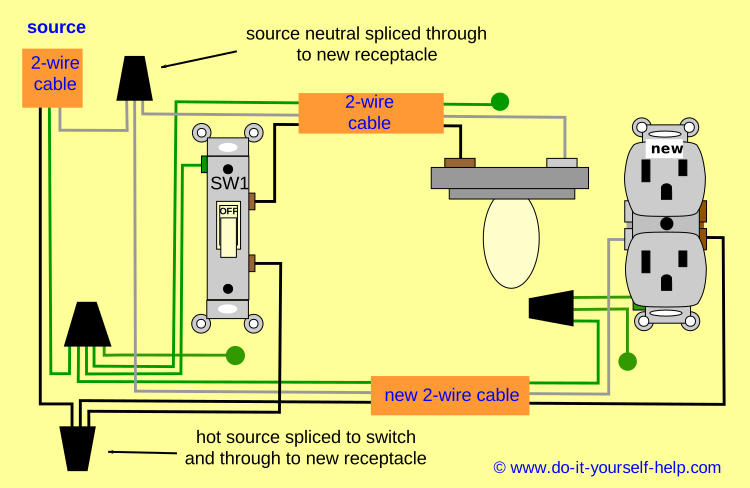
Use a wire nut to connect the outlet’s black wire to the switch’s black wire. This connection delivers power to the outlet through the switch. Make sure the connection is tight and secure to prevent electrical problems.
Join The Neutral Wires Together
Connect the outlet’s white wire to the white neutral wires in the switch box. These neutral wires complete the circuit and allow electricity to flow properly. Use a wire nut to secure the connection.
Attach The Ground Wire To The Outlet
Connect the outlet’s ground wire to the green or bare copper ground wires in the box. Proper grounding protects against electrical shocks. Attach the ground wire to the outlet’s green screw securely.
Secure The Outlet And Test
Carefully push the wires back into the box. Screw the outlet into place. Turn the power back on and test the outlet with a plug-in tester or device. The outlet should work only when the switch is on.
Secure The Outlet And Switch
Securing the outlet and switch is a critical step in your project. It ensures safety and a neat finish. Properly mounted devices prevent loose connections and accidental shocks. Follow simple steps to fix them firmly into the wall box.
Prepare The Outlet And Switch For Mounting
First, check all wires are connected correctly. Tighten any loose screws on the terminals. Align wires so they do not get pinched or bent. Gently fold wires back into the electrical box. This keeps everything organized and safe.
Attach The Outlet And Switch To The Wall Box
Use screws that came with the devices. Insert screws through the mounting holes. Turn screws clockwise until snug. Do not over-tighten to avoid cracking the plastic. Make sure the outlet and switch sit flush with the wall surface.
Install The Cover Plate
Place the cover plate over the outlet and switch. Align screw holes with the mounting screws. Tighten screws just enough to hold the plate firmly. A properly installed cover plate protects wires and improves appearance. Check for any gaps or looseness before finishing.
Credit: www.reddit.com
Restore Power And Test
Restoring power and testing your new outlet is a crucial step. It ensures everything works safely and correctly. Take your time and follow these steps carefully.
Turn The Circuit Breaker Back On
Find your home’s main electrical panel. Flip the circuit breaker switch that you turned off earlier. This action restores power to the light switch and the new outlet. Make sure the breaker is fully on to avoid power issues.
Check The Outlet With A Tester
Use a plug-in outlet tester or a simple device like a lamp. Plug it into the new outlet to see if it has power. If the tester lights up or the lamp turns on, the outlet works.
Test The Light Switch Function
Flip the light switch to confirm it still controls the light properly. The switch should operate without any flicker or delay. This check ensures the wiring changes did not affect the switch.
Inspect For Any Issues
Look for sparks, strange smells, or buzzing sounds. These signs mean a problem exists. Turn off the breaker and review your wiring connections if you notice any issues.
Troubleshooting Common Issues
Adding an outlet to an existing light switch can sometimes cause problems. These issues can stop your outlet from working correctly or even be a safety risk. Knowing how to spot and fix common problems will save time and effort.
Below are some common issues you might face. Each one comes with simple steps to help solve them.
Incorrect Wiring Connections
Wiring mistakes are a top cause of outlet problems. Double-check all wires match the switch and outlet terminals. The hot wire usually connects to the brass screw, and the neutral wire goes to the silver screw. Loose or swapped wires can stop power flow.
Tripped Circuit Breaker
Adding an outlet can overload the circuit. This may trip the breaker and cut power. Check your breaker box and reset any tripped switches. Use a circuit tester to confirm the outlet is live after resetting.
No Power At The Outlet
Sometimes the outlet has no power even with correct wiring. Test the switch to see if it controls power to the outlet. The switch may need to be bypassed or rewired. Also, check for a blown fuse or loose wire connections inside the box.
Outlet Feels Warm Or Sparks
A warm outlet or sparks mean a serious problem. It could be a loose connection or too much current. Turn off the power immediately. Tighten all wires and replace the outlet if damaged. Call an electrician if the problem continues.
Switch And Outlet Both Do Not Work
If both the switch and outlet fail, the issue may be upstream. Check the main power source and wiring in the breaker panel. Look for any tripped breakers or blown fuses affecting the circuit.
Credit: www.do-it-yourself-help.com
Frequently Asked Questions
How Do I Add An Outlet To An Existing Light Switch?
First, turn off power at the breaker. Then, run a new cable from the switch box to the outlet location. Connect the outlet’s hot, neutral, and ground wires properly. Finally, secure the outlet and restore power to test functionality.
Can I Use The Existing Wiring For A New Outlet?
Yes, if the existing wiring has a neutral wire and enough capacity. Ensure the circuit can handle the extra load. Always follow electrical codes and consult a professional if unsure about wiring suitability.
Is It Safe To Install An Outlet Near A Light Switch?
Yes, installing an outlet near a light switch is safe if done correctly. Ensure all connections are secure and the circuit is not overloaded. Follow local electrical codes to maintain safety and compliance.
What Tools Do I Need To Add An Outlet To A Switch?
You’ll need a voltage tester, wire stripper, screwdriver, electrical tape, and a new outlet. A drill and fish tape may help run cables inside walls. Always use insulated tools for safety.
Conclusion
Adding an outlet to a light switch can be simple with clear steps. Always turn off the power before starting any work. Use the right tools and follow safety rules closely. Check your wiring carefully to avoid mistakes. Taking your time helps ensure a safe and neat job.
This project can save you trips for extra outlets later. With patience, you can improve your home’s convenience and function. Remember, safety comes first in every electrical task.