Is your deadbolt refusing to lock no matter how hard you try? It’s frustrating and can make you feel unsafe in your own home.
But don’t worry—you don’t have to call a locksmith just yet. With a few simple steps, you can fix your deadbolt and restore your peace of mind. You’ll discover easy and effective ways to get your lock working again quickly.
Keep reading, and take control of your home’s security today.

Credit: www.reddit.com
Common Deadbolt Problems
Deadbolts can stop working for many reasons. These common problems often cause the lock not to turn or secure the door. Knowing the usual issues helps fix the deadbolt quickly. This saves time and keeps your home safe.
Misaligned Strike Plate
The strike plate is the metal piece on the door frame. It catches the bolt when you lock the door. If it is not aligned, the bolt cannot slide in properly. This stops the deadbolt from locking fully. Warped doors or loose screws often cause this problem.
Loose Or Broken Components
Parts inside the deadbolt can come loose or break. Screws may fall out, or the bolt may not move smoothly. Dust and dirt can also cause parts to stick. These issues stop the lock from working as it should.
Key Issues
Problems with the key or cylinder can block the deadbolt. A bent or worn key may not turn the lock. Dirt inside the keyhole can also stop the key from moving. Sometimes, the key gets stuck or will not insert fully.
Internal Lock Mechanism Faults
The inside parts of the deadbolt can wear out over time. Springs may break, or the latch can jam. These faults stop the deadbolt from locking or unlocking. Regular use without maintenance can cause this damage.
Tools Needed For Repair
Fixing a deadbolt that won’t lock requires a few simple tools. Having the right tools makes the repair easier and faster. This section lists the basic tools you need to fix the deadbolt properly.
Screwdrivers
Screwdrivers are essential for removing and tightening screws on the deadbolt. A flathead and a Phillips screwdriver cover most screw types. Choose screwdrivers that fit the screws well to avoid damage.
Lubricants
Lubricants help the deadbolt move smoothly inside the lock. Use graphite powder or silicone spray for best results. Avoid oil-based lubricants as they attract dust and dirt.
Replacement Parts
Some deadbolt problems require new parts. Common replacements include screws, springs, or the lock cylinder. Always have spare parts that match your deadbolt model.
Measuring Tools
Measuring tools ensure correct fitting of parts. A tape measure or ruler helps check the deadbolt size and door thickness. Accurate measurements prevent fitting errors and improve lock function.
Realigning The Strike Plate
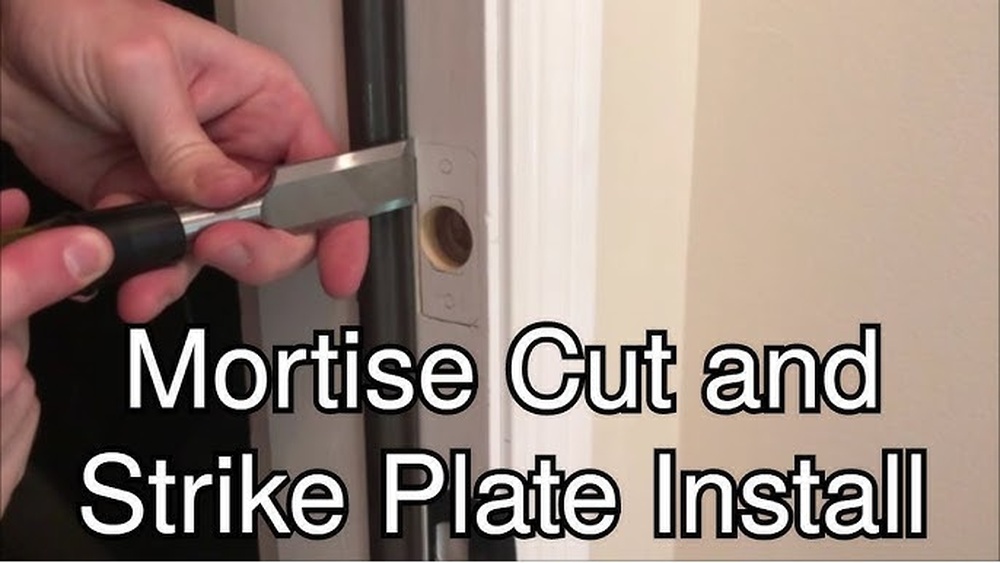
Realigning the strike plate can often fix a deadbolt that won’t lock properly. The strike plate is the metal piece on the door frame where the deadbolt slides into. If it is out of place, the deadbolt may not catch or lock securely. Adjusting the strike plate helps the deadbolt fit perfectly, making your door secure again.
Checking Alignment
Start by closing the door slowly. Watch where the deadbolt hits the strike plate. If the bolt doesn’t line up with the hole, the strike plate is misaligned. Use a pencil to mark where the bolt touches the plate. This step helps you know how much to move the plate.
Adjusting The Plate Position
Loosen the screws of the strike plate carefully. Move the plate slightly toward the pencil marks. Make small adjustments and check if the deadbolt fits better. Sometimes, you may need to file the edges of the hole for a smoother fit. Ensure the plate sits flush with the door frame.
Securing With Screws
Once aligned, tighten the screws firmly. Use longer screws for stronger hold if the old ones are short. Check the deadbolt again by locking and unlocking the door multiple times. Properly securing the strike plate keeps the deadbolt working smoothly and improves door security.

Credit: www.youtube.com
Fixing Loose Or Broken Parts
Fixing loose or broken parts is a key step to repair a deadbolt that won’t lock. Over time, screws can loosen and parts can wear out. This stops the deadbolt from working smoothly. Fixing these issues can restore your lock’s function and improve security.
Begin by checking all screws and components. Tighten or replace parts as needed. This simple work often solves the problem without extra help.
Tightening Screws
Loose screws cause the deadbolt to move incorrectly. Use a screwdriver to tighten all screws on the lock and strike plate. Check the door frame screws too. Make sure they hold the lock firmly in place. Tight screws keep parts aligned and working well.
Replacing Damaged Components
Look for broken or worn parts like the bolt, latch, or springs. These parts wear out from daily use. Remove damaged pieces carefully. Buy exact replacement parts from a hardware store. Install new parts by following the original setup. This fixes the deadbolt’s locking action.
Testing The Deadbolt Movement
After repairs, test the deadbolt several times. Turn the key or thumb turn slowly. Watch the bolt slide in and out smoothly. The lock should catch firmly without sticking. If it still feels loose or jammed, recheck screws and parts. Proper movement means the deadbolt will lock securely.
Resolving Key And Cylinder Issues
Deadbolt locks may fail to lock due to problems with the key or cylinder. These parts must work smoothly for the lock to function. Fixing issues here can restore security quickly. Follow these steps to resolve common key and cylinder problems.
Cleaning The Keyhole
Dirt and dust often clog the keyhole. This stops the key from turning freely. Use a can of compressed air to blow out debris. Insert the key and wiggle it gently to remove loose dirt. Avoid using water or oil as they can cause rust inside.
Lubricating The Lock
A dry lock cylinder can cause stiffness. Use a graphite-based lubricant to make the lock move smoothly. Spray a small amount into the keyhole. Insert and turn the key several times to spread the lubricant evenly. Avoid using oil sprays as they attract dirt.
Rekeying Or Replacing Cylinder
If cleaning and lubrication fail, the cylinder may need rekeying or replacement. Rekeying changes the internal pins to match a new key. This is cheaper than full replacement. If the cylinder is old or damaged, replacing it ensures better security. Contact a locksmith for professional help.
Credit: www.reddit.com
Repairing Internal Lock Mechanism
Repairing the internal lock mechanism is a key step to fix a deadbolt that won’t lock. The problem often lies inside the lock itself. Dirt, worn parts, or broken components can stop the deadbolt from working properly. Understanding the internal parts helps you repair the lock and save money on replacements.
Start by carefully taking the lock apart. This allows you to see the pieces inside. Next, check each part for damage or wear. Some parts may need cleaning or adjusting. Others might require replacement. Fixing or swapping out the broken parts will restore the deadbolt’s function.
Disassembling The Deadbolt
First, remove the screws on the faceplate and inside the door. Keep the screws safe to avoid losing them. Gently pull the lock apart. Take off the exterior and interior knobs or handles. Slide out the cylinder and bolt components. Lay the pieces out in order to remember their position.
Inspecting Internal Components
Look closely at the bolt, cylinder, and springs. Check for rust, dirt, or broken pieces. Test the bolt’s movement by hand. It should slide smoothly without sticking. Springs should be tight and not loose or broken. Dirt or grime can block parts and stop the deadbolt from locking.
Replacing Worn Parts
Identify any worn or damaged parts. Order replacements from a hardware store or online. Use the original parts as a guide. Remove old pieces carefully. Install new parts in the same place. Reassemble the lock and test the bolt’s movement. The deadbolt should lock and unlock with ease.
Preventive Maintenance Tips
Preventive maintenance helps keep your deadbolt working smoothly. Small efforts stop big problems. Regular care extends the lock’s life and ensures security. Follow these simple tips to avoid a deadbolt that won’t lock.
Regular Cleaning
Dirt and dust can block the deadbolt. Clean the lock surface and keyhole often. Use a soft cloth or brush to remove grime. Avoid water or harsh chemicals that can damage parts. A clean lock works better and lasts longer.
Lubrication Schedule
Lubricate your deadbolt every six months. Use a graphite or silicone spray for smooth operation. Avoid oil-based lubricants that attract dirt. Apply a small amount inside the keyhole and bolt mechanism. This reduces friction and stops sticking.
Routine Inspections
Check your deadbolt regularly for wear or damage. Look for loose screws or misaligned parts. Test the lock by turning the key and bolt several times. Early detection of problems helps fix issues fast. Keep your home safe with simple checks.
Frequently Asked Questions
Why Won’t My Deadbolt Lock Properly?
A deadbolt may not lock due to misalignment, debris, or worn-out parts. Check the strike plate and key for damage. Lubricate the mechanism and tighten screws to ensure smooth operation.
How Can I Realign A Deadbolt Lock?
To realign, loosen the screws on the strike plate and adjust it slightly. Test the bolt’s movement and tighten screws once it slides smoothly into the strike plate.
What Causes A Deadbolt To Jam?
Deadbolts jam due to dirt buildup, rust, or internal wear. Regular cleaning and lubrication prevent jamming. Replace damaged parts if the problem persists.
Can I Fix A Deadbolt Lock Myself?
Yes, many deadbolt issues can be fixed DIY with basic tools. Follow proper steps like cleaning, lubricating, or realigning before considering professional help.
Conclusion
Fixing a deadbolt that won’t lock does not have to be hard. Check the alignment of the door and the strike plate first. Tighten any loose screws and clean the lock mechanism. Lubricate the lock with a proper spray to help smooth movement.
Test the lock after each step to see if it works. If the problem stays, consider replacing the deadbolt. Taking these simple steps saves time and keeps your home safe. Keep your locks working well for peace of mind.