When you’re hanging something heavy on your wall, using the right wall anchors is key to keeping it secure. But have you ever wondered how far apart those anchors should be?
Placing them too close or too far can lead to problems like damage to your wall or items falling down. You’ll learn the simple rules to space your wall anchors perfectly every time. Keep reading, and you’ll gain the confidence to hang shelves, mirrors, or artwork safely and easily.
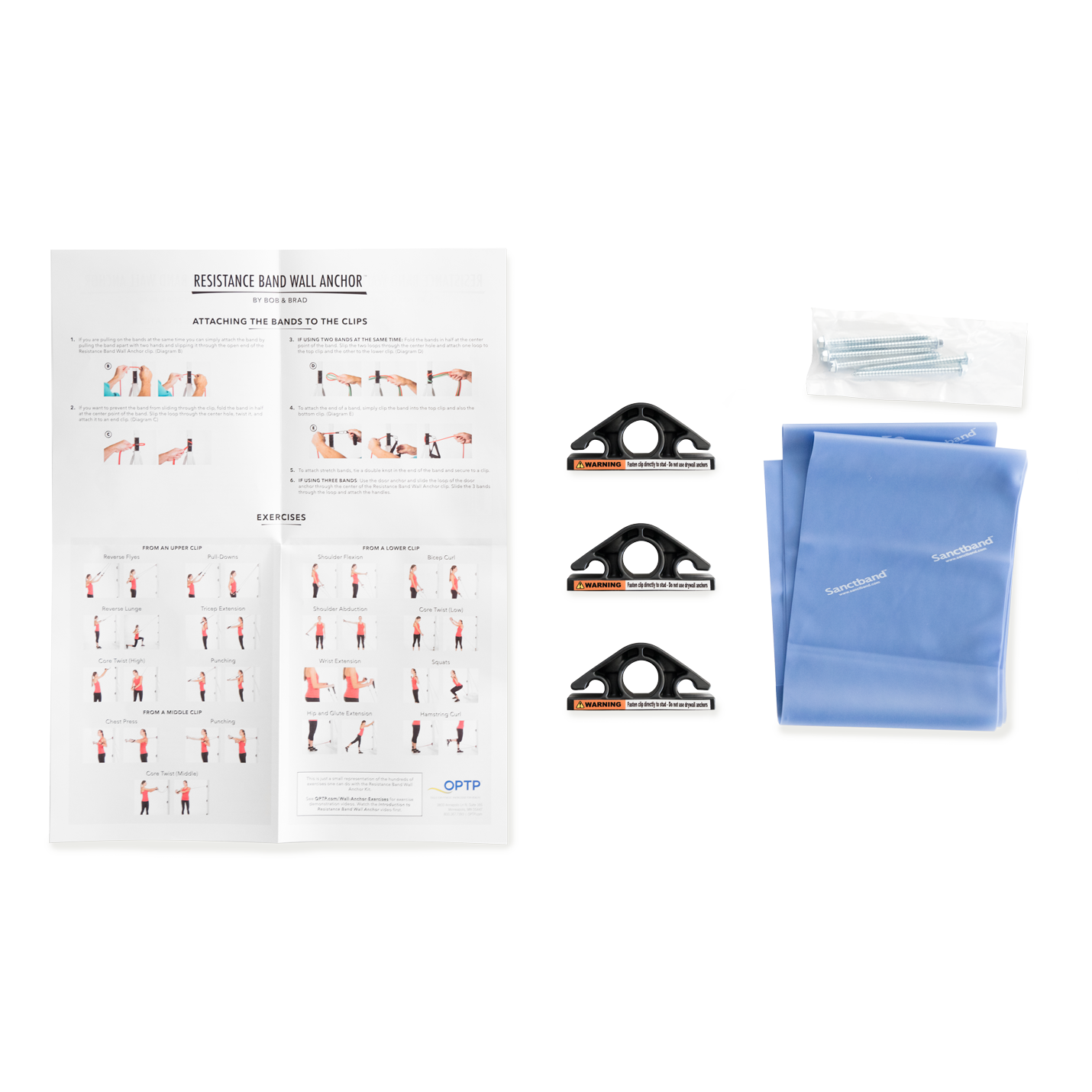
Credit: www.optp.com
Types Of Wall Anchors
Choosing the right wall anchor is key to secure mounting. Different anchors work best for different walls and weights. Knowing each type helps pick the correct one for your project.
Plastic Expansion Anchors
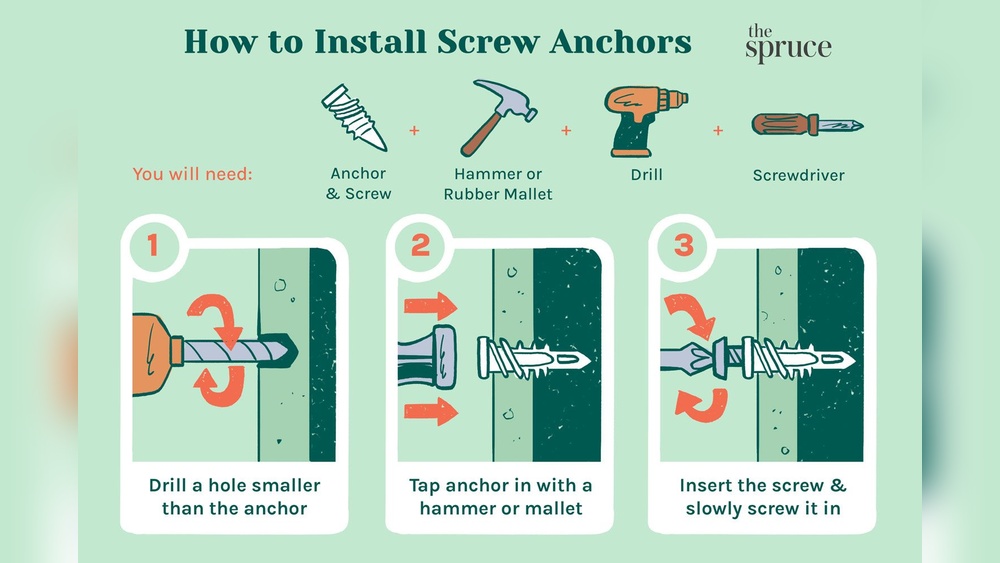
Plastic expansion anchors are common and easy to use. They work well in drywall and light materials. Insert the anchor into a drilled hole and tighten the screw. The anchor expands to hold firmly in place. Best for light loads like small shelves or pictures.
Toggle Bolts
Toggle bolts are strong anchors for heavy objects. They have wings that open behind the wall. The wings spread the load across a wide area. Ideal for hollow walls and ceilings. Use toggle bolts to hang heavy mirrors or shelves.
Molly Bolts
Molly bolts are metal anchors for medium-weight items. They expand inside the wall when the screw tightens. This creates a solid grip in drywall or plaster. Molly bolts are reusable and provide good support. Suitable for curtain rods or towel racks.
Threaded Drywall Anchors
Threaded drywall anchors screw directly into drywall without a drill. They create a strong hold for medium loads. Easy to install and remove without damage. Use these anchors for mounting hooks, small shelves, or light fixtures.
Factors Influencing Anchor Spacing
Choosing the right distance between wall anchors depends on several key factors. These factors affect how strong and safe the mounting will be. Understanding them helps to place anchors correctly. This ensures the load is supported well and the wall stays intact.
Weight Of The Load
The load’s weight is a top factor for anchor spacing. Heavier items need anchors placed closer together. This spreads the weight evenly and reduces stress on the wall. Lighter objects allow wider spacing. Always check the load’s weight before deciding anchor distance.
Wall Material
The type of wall changes how far apart anchors should be. Drywall, brick, concrete, and wood all hold anchors differently. For drywall, keep anchors closer to avoid damage. Brick or concrete can handle wider spacing because they are stronger. Knowing the wall material is key to safe anchor placement.
Anchor Size And Type
Anchor size and type affect spacing needs. Larger anchors support more weight and can be spaced farther apart. Small anchors need to be closer together to share the load. Some anchor types, like toggle bolts, hold better and allow wider spacing. Choose anchors carefully to match your project.
Environmental Conditions
Conditions like humidity and temperature impact anchor spacing. Moist or cold environments can weaken some anchors or wall materials. In these cases, place anchors closer for extra support. Outdoor walls often need tighter spacing due to weather exposure. Consider the environment for lasting strength.
Recommended Spacing Guidelines
Spacing wall anchors correctly keeps your installation strong and safe. The distance between anchors depends on the weight they must hold. Follow these guidelines for the best results.
Light Loads
For light items like small pictures or clocks, place anchors 12 to 16 inches apart. This spacing supports weights up to 10 pounds. Use plastic anchors for simple jobs.
Medium Loads
Medium loads include shelves, mirrors, or small cabinets. Space anchors 8 to 12 inches apart to hold 10 to 25 pounds. Metal anchors or toggle bolts work best here.
Heavy Loads
Heavy items need strong support and closer anchors. Place anchors 4 to 8 inches apart for weights over 25 pounds. Use heavy-duty anchors designed for drywall or masonry.
Spacing For Different Wall Types
Wall anchors must be spaced correctly for safety and strength. Different wall types need different spacing rules. Using the right distance keeps your anchor secure. This section explains the best spacing for common wall materials.
Drywall
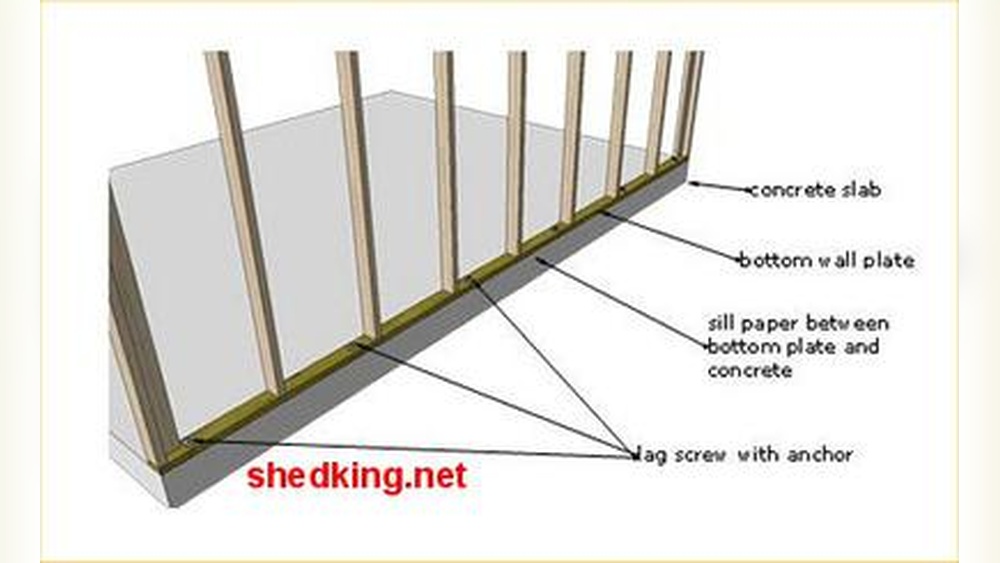
Drywall is soft and fragile. Anchors should be at least 16 inches apart. This distance matches the studs behind the drywall. Anchors near studs hold more weight. Use anchors designed for drywall to avoid damage.
Concrete
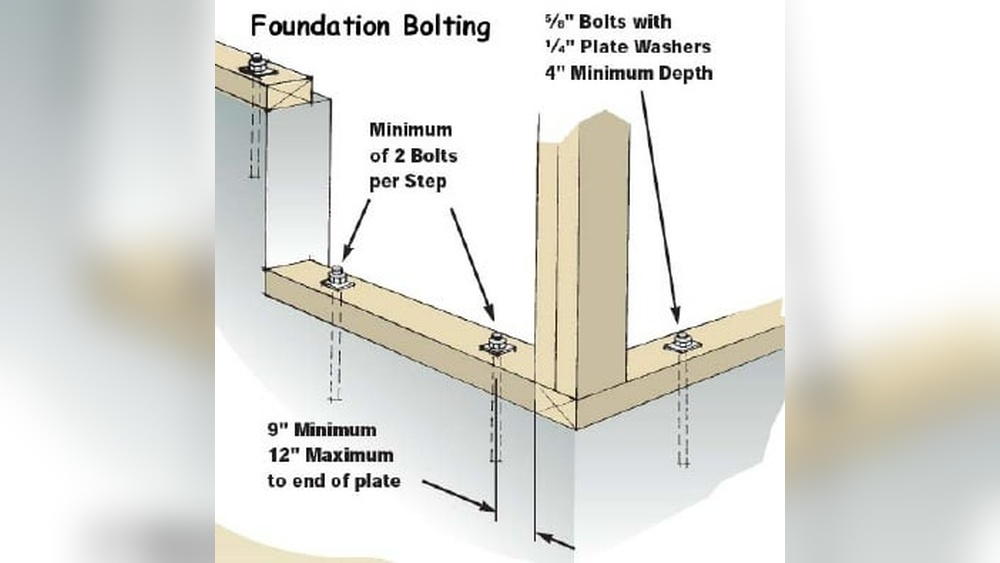
Concrete walls are very strong. Space anchors about 12 to 18 inches apart. This spacing prevents cracking and spreading of the anchor holes. Use heavy-duty anchors made for concrete. Drill holes carefully to avoid cracks.
Brick
Brick walls need careful spacing. Place anchors 10 to 16 inches apart. Avoid placing anchors too close to edges or mortar lines. Anchors should go into the brick, not the mortar. Use anchors made for brick walls for best hold.
Plaster
Plaster walls are fragile and old. Space anchors 16 inches or more apart. Avoid placing anchors too close to each other. Use special anchors made for plaster. Drill gently to avoid cracking the plaster surface.
Common Mistakes In Anchor Placement
Placing wall anchors correctly is key to strong, safe mounting. Many people make simple errors that weaken the hold. These mistakes can cause your items to fall or damage your walls. Understanding common anchor placement errors helps you avoid problems.
Too Close Together
Anchors placed too close reduce the wall’s strength. The wall material between anchors can crack or break. This causes less support for the item you hang. Keep enough space to let each anchor hold firmly.
Too Far Apart
Anchors spaced too far apart may not support weight evenly. Heavy items can pull on one anchor more than others. This creates stress and increases the chance of failure. Find a balanced distance to share the load well.
Ignoring Wall Studs
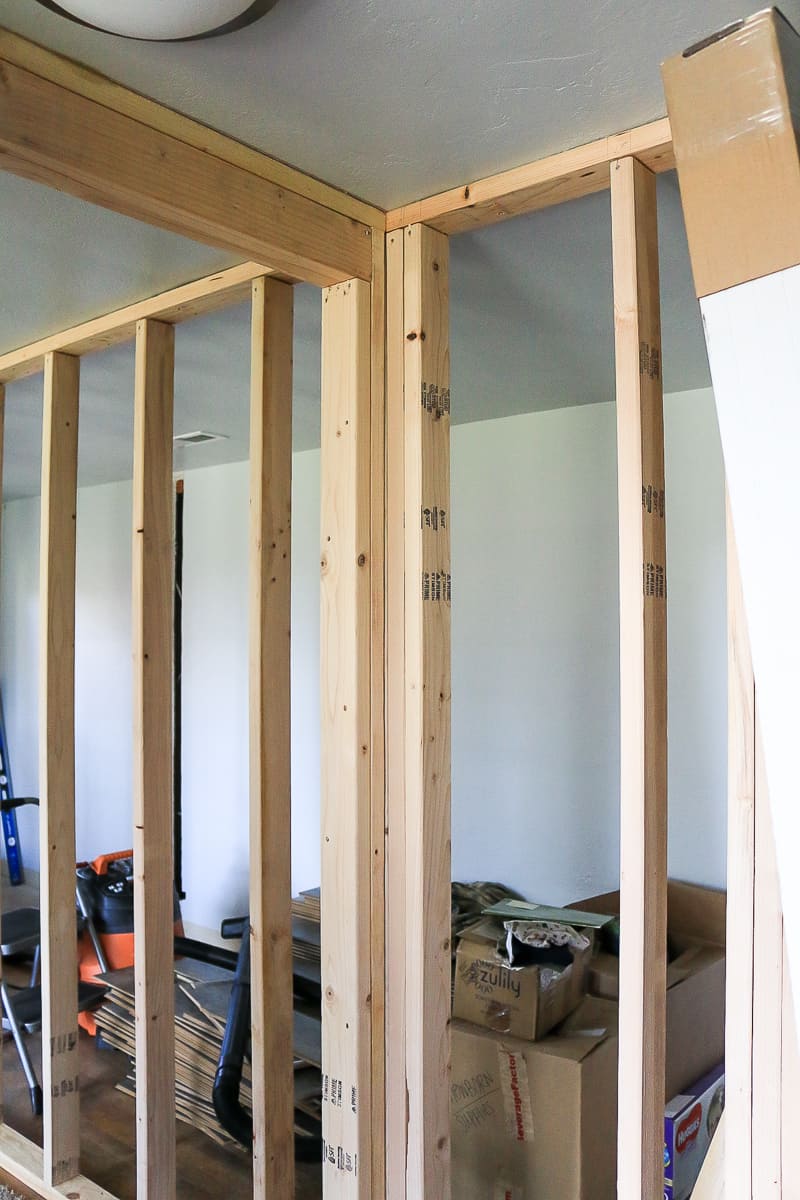
Wall studs offer the best support for anchors. Ignoring studs means relying only on drywall or plaster. These surfaces are weak and can crumble under weight. Use a stud finder and place anchors near studs for safety.

Credit: www.picturehangsolutions.com
Tools For Accurate Anchor Spacing
Placing wall anchors correctly depends on accurate spacing. Using the right tools helps you measure and mark the spots precisely. This prevents damage to your walls and keeps items secure. Here are some essential tools to help with anchor spacing.
Measuring Tape
A measuring tape is key for spacing anchors evenly. It lets you measure the distance between holes quickly. Use a tape with clear, easy-to-read markings. Pull the tape tight to avoid errors. Mark the exact spots before drilling.
Level
A level ensures your anchors stay straight across the wall. It prevents items from hanging crooked or tilting. Place the level on the wall and adjust until the bubble centers. Mark along the level line to guide your anchor placement.
Stud Finder
A stud finder locates studs behind your wall surface. Anchors hold best in studs for heavy items. Scan the wall slowly to find the edges of each stud. Mark the stud centers to place anchors where they grip firmly.
Tips For Secure Anchor Installation
Installing wall anchors correctly is key for strong, safe support. Poor installation can cause anchors to fail or damage walls. Follow simple steps to make sure anchors hold tight and last long. These tips help keep your items secure and walls intact.
Pre-drilling Holes
Always drill a hole before inserting an anchor. Use a drill bit that matches the anchor size. This prevents the wall from cracking or breaking. It also makes it easier to push the anchor in smoothly. Pre-drilling gives a clean, tight fit for better strength.
Avoiding Over-tightening
Do not tighten screws too much after placing anchors. Over-tightening can break the anchor or strip the wall material. Turn the screw until it feels snug and secure. Stop once you feel resistance. This keeps the anchor firm without damage.
Checking Load Capacity
Know the weight your anchor can hold before use. Check the package or product details for load limits. Use anchors designed for the type of wall and weight you need. Never exceed the recommended load. This keeps your installation safe and reliable.
Credit: www.makingmanzanita.com
Frequently Asked Questions
How Far Apart Should Wall Anchors Be Spaced?
Wall anchors should be spaced 16 to 24 inches apart. This spacing ensures even weight distribution and strong support. Always consider the wall type and the weight of the item you’re hanging for best results.
Does Anchor Spacing Depend On Wall Type?
Yes, anchor spacing depends on the wall material. Drywall may need closer anchors, while studs allow wider spacing. Always check the manufacturer’s guidelines for the specific wall anchor you use.
Can Improper Spacing Weaken Wall Anchors?
Improper spacing can reduce anchor strength and cause damage. Anchors placed too close may crack the wall, while too far apart may fail to support weight. Proper spacing ensures stability and safety.
What Is The Best Spacing For Heavy Wall Anchors?
For heavy items, space anchors 16 inches apart or attach directly to wall studs. This spacing offers maximum support and prevents wall damage. Always use anchors rated for the item’s weight.
Conclusion
Choosing the right distance between wall anchors keeps your items secure. Too close, and the wall weakens. Too far, and support lessens. Follow the anchor instructions for best results. Measure carefully before drilling any holes. This simple step saves time and effort later.
Strong anchors protect your walls and belongings. Proper spacing means safer, longer-lasting installations. Keep these tips in mind for your next project. Easy and effective—just the way it should be.