Are you struggling to find a strong and reliable way to anchor into a block wall? Whether you’re hanging heavy shelves, mounting a TV, or securing outdoor fixtures, knowing the right method can save you time, money, and frustration.
In this guide, you’ll discover simple, step-by-step techniques that ensure your anchors hold firm and your projects stay safe. Keep reading to learn how to make your block wall work for you with confidence and ease.
Types Of Block Walls
Understanding the types of block walls helps in choosing the right anchor. Different blocks have unique properties and strengths. Knowing these can make your anchoring job easier and safer.
Concrete Block Walls
Concrete blocks are strong and dense. They often have hollow centers to reduce weight. These blocks offer good support for heavy anchors. They are common in foundations and exterior walls.
Cinder Block Walls
Cinder blocks are lighter than concrete blocks. Made from ash and cement, they are less dense. They usually have large hollow spaces. Anchors need careful placement for firm grip in these walls.
Hollow Vs Solid Blocks
Hollow blocks have empty spaces inside. These spaces make them lighter but weaker. Solid blocks are fully filled with concrete. They provide better holding power for anchors. Choosing the right anchor depends on this difference.
Choosing The Right Anchor
Choosing the right anchor is key for a strong hold in block walls. The type of anchor you pick depends on the wall’s material and the weight you need to support. Picking the wrong anchor can lead to poor grip or damage to the wall.
Understanding different anchors helps you pick the best one for your project. Below are common anchors used for block walls and what makes each unique.
Expansion Anchors
Expansion anchors expand inside the hole to hold tight. They work well in solid block walls. When you tighten the screw, the anchor pushes against the wall sides. This creates a strong grip. Use expansion anchors for medium loads and general use.
Sleeve Anchors
Sleeve anchors have a metal sleeve that expands outside the hole. They fit well in hollow or solid blocks. The sleeve grips the wall when you tighten the bolt. Sleeve anchors hold heavy items safely. Use them for shelves, railings, or large fixtures.
Epoxy Anchors
Epoxy anchors use strong glue inside the drilled hole. Insert a bolt or rod into the epoxy for a secure bond. These anchors work best for very heavy loads or uneven surfaces. Epoxy anchors resist vibration and pull-out forces well. They need time to cure before use.
Tools And Materials Needed
Anchoring into a block wall requires specific tools and materials. These help secure the anchor firmly and safely. Using the right items makes the job easier and ensures a strong hold.
Drill And Bits
A good drill is essential for making holes in block walls. Use a hammer drill for best results. Choose masonry bits made for concrete or block. The bit size should match the anchor diameter. This prevents loose or weak fittings.
Anchors And Screws
Select anchors designed for block walls, like sleeve or wedge anchors. These expand inside the hole for a tight grip. Match screws with the anchors for proper fitting. Use corrosion-resistant screws for outdoor or damp areas.
Safety Gear
Wear safety glasses to protect your eyes from dust and debris. Use gloves to protect your hands from sharp edges. A dust mask helps avoid inhaling fine particles. Ear protection reduces noise from the drill.
Credit: centrerest.com
Preparing The Wall
Preparing the wall is an important step before anchoring into a block wall. A well-prepared surface ensures strong and lasting anchor points. It helps avoid mistakes and makes the process easier. Taking time to prepare the wall sets a good foundation for the project.
Marking Anchor Points
Start by measuring where the anchors need to go. Use a pencil to mark these spots clearly. Double-check the marks to ensure they are level and spaced correctly. Accurate marking helps drill holes in the right places. This prevents damage and keeps the anchor secure.
Cleaning Drill Holes
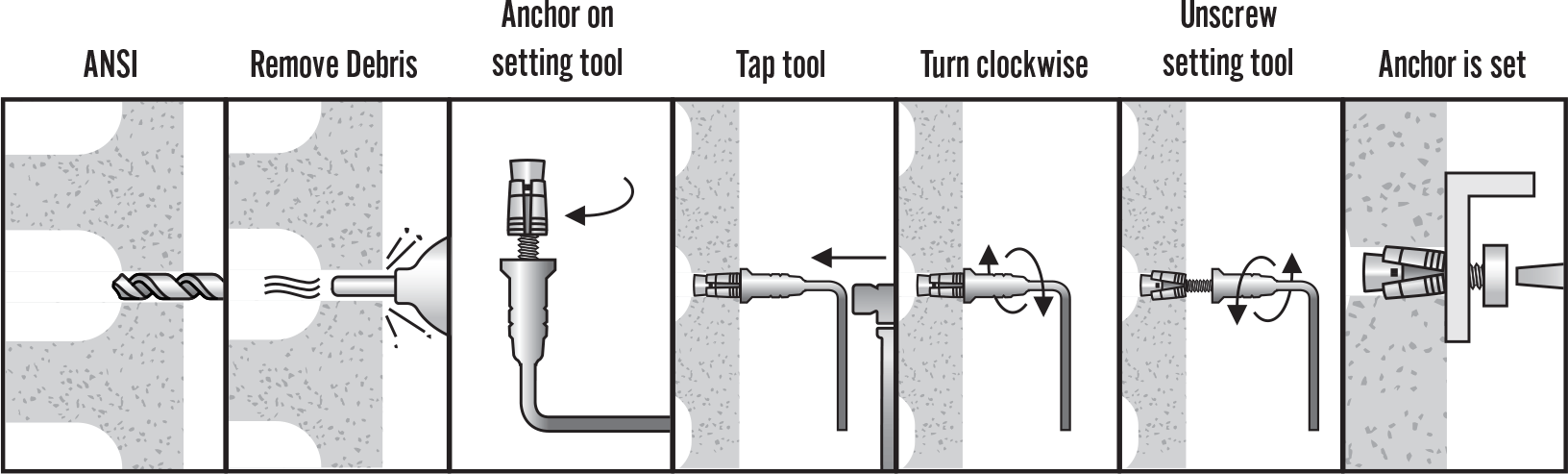
After drilling, clean out the holes carefully. Use a brush or compressed air to remove dust and debris. Clean holes allow anchors to grip the wall better. This step improves the strength of the installation. Take your time to ensure the holes are clean and ready.
Drilling The Hole
Drilling the hole is a key step in anchoring into a block wall. It prepares the spot where the anchor will hold tight. A clean, correctly sized hole helps the anchor grip better. Careful drilling prevents damage to the wall and ensures safety. Follow the right steps and use proper tools for best results.
Choosing Drill Bit Size
Select a drill bit that matches the anchor size. The hole should be slightly smaller than the anchor for a snug fit. Check the anchor packaging for recommended drill bit size. Avoid using a bit too large or too small. A perfect fit keeps the anchor steady and secure.
Drilling Techniques
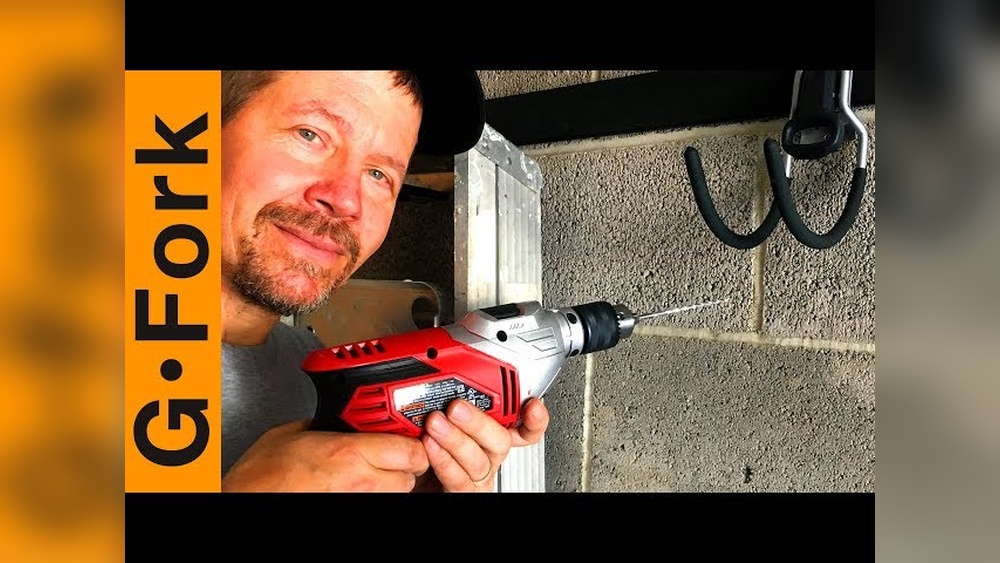
Use a hammer drill for block walls to break through tough material. Start drilling slowly to mark the spot. Increase speed once the bit bites into the wall. Keep the drill steady and straight to avoid uneven holes. Clear dust by pulling the bit out regularly. This helps the drill work better and prevents clogging.

Credit: www.youtube.com
Installing The Anchor
Installing anchors into a block wall requires careful steps to ensure a secure hold. The anchor must fit tightly and hold firm under pressure. Choosing the right method depends on the type of anchor and the wall condition. This section explains two common ways to install anchors for strong and lasting support.
Inserting Expansion Anchors
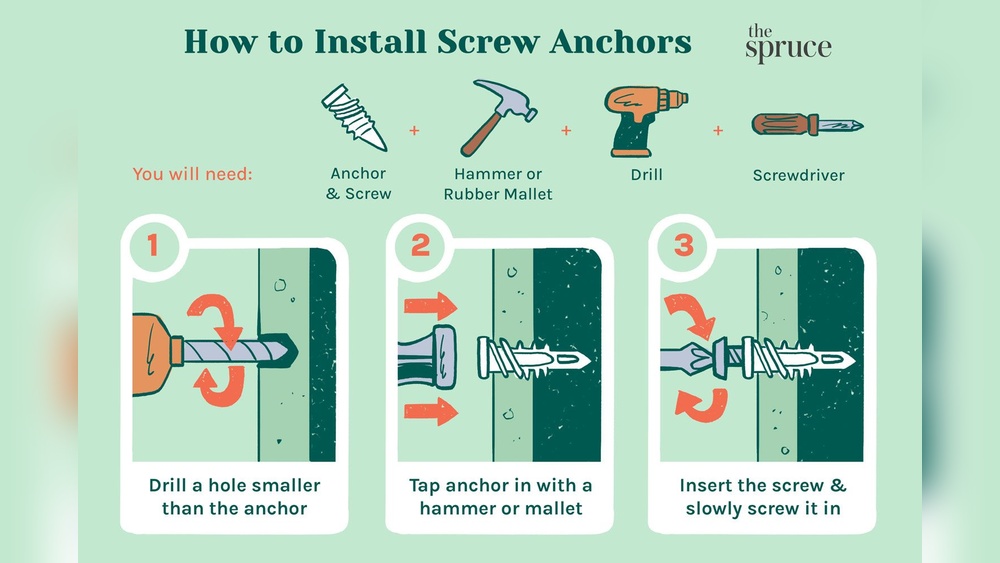
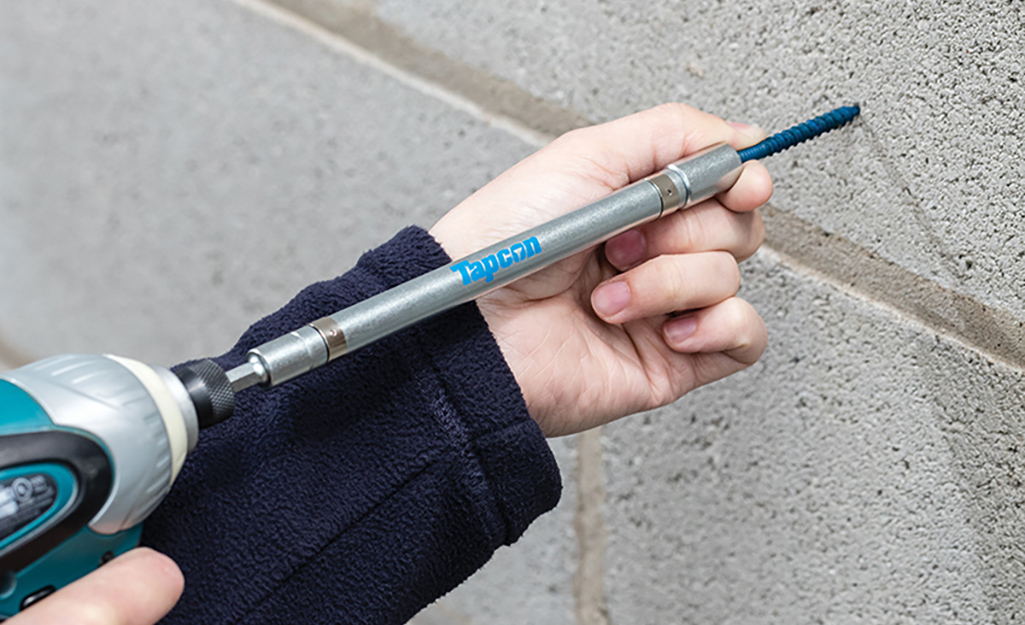
Expansion anchors work by expanding inside the hole in the wall. First, drill a hole that matches the anchor size. Clean out dust and debris from the hole for better grip. Insert the anchor gently into the hole until it sits flush with the wall.
Use a hammer to tap the anchor fully into place. When you tighten the screw, the anchor expands. This expansion presses tightly against the wall inside the hole. It creates strong resistance that holds the anchor firmly. Check the anchor is secure before hanging anything heavy.
Using Epoxy For Strong Fixing
Epoxy provides an extra-strong bond inside block walls. Drill the hole slightly deeper than the anchor length. Clean the hole thoroughly to remove dust and loose particles. Mix the epoxy resin according to the instructions.
Inject the epoxy into the hole using a syringe or stick. Fill the hole about halfway with epoxy. Insert the anchor slowly, twisting slightly to spread the resin evenly. Wipe away any excess epoxy on the wall surface.
Wait for the epoxy to cure fully before applying load. This method creates a chemical bond that holds the anchor tight. It works well for heavy fixtures and uneven wall surfaces. Epoxy anchors offer high strength and long-lasting results.
Securing The Fixture
Securing the fixture properly is key to a strong and lasting hold on a block wall. The right technique ensures the anchor stays firm and supports the weight without shifting. This step protects your fixture and wall from damage.
Tightening Screws Correctly
Use a screwdriver that fits the screw head well. Turn the screw steadily and avoid rushing. Stop turning when you feel resistance and the fixture is snug. Check that the fixture does not move or wiggle after tightening.
Avoiding Over-tightening
Over-tightening can strip the screw or damage the anchor. Stop once the fixture is secure and does not move. Tighten little by little, not all at once. Too much force can crack the block or break the anchor inside.
Testing The Fixing Strength
Testing the fixing strength is a key step after anchoring into a block wall. It ensures the anchor holds firmly and safely. Without testing, you cannot be sure the anchor will support the weight or pressure applied over time. Proper testing prevents accidents and damage.
Checking the fixing strength gives you peace of mind. It confirms the anchor will not loosen or pull out easily. Testing also helps identify any weak spots early, allowing you to fix them before use.
Load Testing Methods
Load testing involves applying pressure or weight to the anchor. Start by slowly adding weight near the expected load. Watch for any movement or signs of failure. Use a spring scale or weight set for accuracy.
Another method is the pull test. Attach a pull tester to the anchor and apply steady force. Measure how much force it takes to move or break the anchor. This shows the true holding power of the fixing.
For larger projects, use hydraulic jacks or professional equipment. They give precise results and ensure safety standards. Always follow the manufacturer’s instructions for testing tools.
Signs Of Secure Anchoring
A secure anchor will not shift or loosen under pressure. Check for cracks or crumbling around the anchor site. These indicate weak fixing and need attention.
Listen for sounds like creaking or popping during load tests. These sounds suggest stress or damage in the wall or anchor. A solid anchor remains silent and stable.
Feel for any movement by gently rocking the fixture. No wiggle means a strong hold. Any movement means the anchor needs replacing or reinforcement.
Common Mistakes To Avoid
Anchoring into a block wall requires careful attention to detail. Small errors can cause weak holds or damage the wall. Avoiding common mistakes helps ensure a secure, lasting anchor. Focus on the right tools and methods for best results.
Incorrect Drill Size
Choosing the wrong drill bit size can weaken the anchor. A drill bit too small makes the hole tight, risking cracks. A drill bit too large creates a loose fit. Always match the drill bit size to the anchor’s diameter. This helps the anchor hold firmly in the block wall.
Ignoring Wall Type
Not all block walls are the same. Some are solid concrete blocks, others are hollow. Using the same anchors for both can cause failure. Identify your wall type before choosing anchors. This step ensures you use the right method for a strong hold.
Improper Anchor Selection
Using anchors made for drywall or wood weakens the hold in block walls. Specific anchors like sleeve or wedge anchors work best in block walls. Pick anchors designed for masonry to avoid slippage. Proper anchor choice increases safety and durability.
Maintenance Tips
Maintaining anchors in block walls keeps them strong and safe. Regular checks help spot problems early. Simple care extends the life of your anchors and prevents damage.
Checking For Looseness
Look closely at each anchor for any movement. Gently wiggle the attached item to feel if it shifts. Loose anchors can cause accidents or wall damage. Tighten screws or bolts if you find any looseness. Do this check every few months for best results.
Reinforcing Old Anchors
Old anchors may weaken over time. Remove any loose anchors carefully. Fill the hole with fresh mortar or filler. Insert a new anchor suited for block walls. Reinforcing old anchors improves stability and safety. Replace anchors that show cracks or rust for better hold.
Credit: www.homedepot.com
Frequently Asked Questions
What Tools Are Needed To Anchor Into Block Wall?
You need a hammer drill, masonry bit, anchors, screws, and a screwdriver. A level and pencil help mark drilling spots. Safety goggles and gloves protect you during work.
How Do I Choose The Right Anchor For Block Walls?
Select anchors based on wall thickness and load weight. Sleeve anchors suit heavy loads, while plastic anchors fit light fixtures. Always check anchor packaging for weight limits and compatibility.
Can I Anchor Into Hollow Block Walls Safely?
Yes, use toggle bolts or sleeve anchors designed for hollow blocks. Drill carefully to avoid cracking. Ensure anchors fit tightly for secure hold and avoid heavy loads on hollow sections.
What Is The Proper Drilling Depth For Block Wall Anchors?
Drill holes slightly deeper than the anchor length. This allows full anchor insertion and strong grip. Clean debris from holes before inserting anchors to ensure maximum adhesion.
Conclusion
Anchoring into block walls is simple with the right steps. Choose the correct anchor type and drill carefully. Clean the hole well before inserting the anchor. Tighten screws steadily to avoid damage. These tips help ensure a strong, safe hold.
Practice makes the process easier and more confident. Soon, you will feel ready to handle block wall projects. Trust the method and take your time. Your walls will hold firm and support your needs.