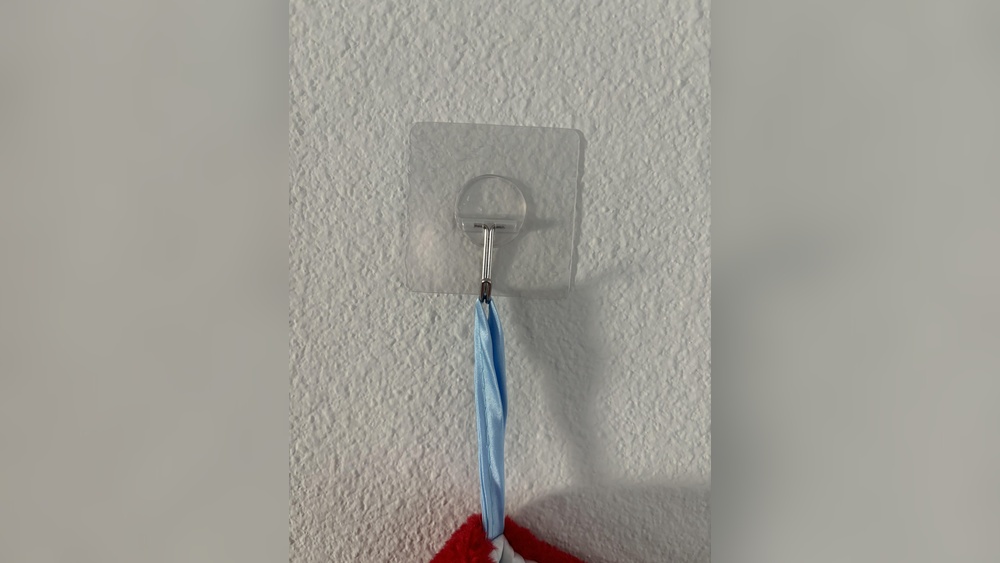
You’ve probably used adhesive hooks to hang things quickly and easily. But when it’s time to remove them, you might worry about damaging your walls or leaving sticky residue behind.
If you want to get those hooks off without stress or mess, you’re in the right place. You’ll discover simple, effective ways to peel adhesive hooks away cleanly. Keep reading, and you’ll learn how to protect your walls and say goodbye to stubborn sticky spots for good.
Credit: www.youtube.com
Types Of Adhesive Hooks
Adhesive hooks come in many types. Each type fits different needs and surfaces. Knowing their differences helps in removing them safely. The materials and strength affect how hooks stick and how to take them off.
Common Materials Used
Most adhesive hooks use plastic or metal for the hook part. The backing is usually made from foam, plastic, or fabric tape. The adhesive layer sticks to walls and can be made from glue or sticky gel. Some adhesives are designed to leave no marks. Others might leave residue behind.
Strength And Adhesion Levels
Adhesive hooks have different strength levels. Light-duty hooks hold small items like keys or decorations. Medium-duty hooks can hold things like towels or kitchen utensils. Heavy-duty hooks support heavier items such as bags or tools. The stronger the hook, the harder it can be to remove without damage.
Tools Needed For Removal
Removing adhesive hooks from walls needs the right tools. Using the proper items makes the job easier. It prevents damage to your wall and saves time. Some tools are common in homes. Others are made for sticky adhesives.
Household Items
Several household items help remove adhesive hooks safely. A hairdryer softens the glue with warm air. This makes the hook easier to pull off. Dental floss or fishing line works well to slide behind the hook. It cuts through the adhesive without pulling hard. A plastic card, like an old credit card, helps gently pry the hook away. Rubbing alcohol or vinegar breaks down sticky residue after removal.
Specialized Tools
Specialized tools can also aid in hook removal. A plastic scraper removes glue and residue without scratching the wall. Adhesive remover gels or sprays dissolve tough glue spots. These products are designed to work fast and cleanly. Rubber gloves protect your hands during the process. Using the right tools ensures a smooth, damage-free removal.
Preparing The Wall
Preparing the wall is an important first step before removing adhesive hooks. It helps avoid damage and makes the removal easier. Taking time to prepare ensures the wall stays clean and intact.
Clearing The Area
Remove any items near the hook. This includes furniture, decorations, or other objects. Clearing the area gives you space to work safely. It also helps prevent accidental damage to belongings.
Make sure nothing is blocking the hook. This makes it easier to see and reach the adhesive. Clear space helps you focus on the task without distractions.
Protecting Surroundings
Place a drop cloth or old towel under the wall area. This catches any debris or adhesive residue. Protect floors and nearby surfaces from scratches or stains.
Cover furniture and nearby items with plastic sheets or cloth. This prevents dust or pieces of adhesive from settling on them. Taking these steps keeps your space clean during removal.

Credit: www.reddit.com
Removing Adhesive Hooks Safely
Removing adhesive hooks safely protects your walls and keeps surfaces clean. Using the right method helps avoid damage and makes cleanup easy. Several simple techniques work well without causing marks or paint peeling.
Choose a gentle approach and take your time. This reduces stress on the wall and prevents holes or scratches. The following methods are effective and easy to try at home.
Peeling Techniques
Start by peeling the hook slowly from one edge. Pull straight down or at a low angle to lessen stress on the wall. Do not yank quickly or pull outward sharply. If the hook resists, pause and try another method.
Use your fingers or a plastic card to lift the hook gently. This helps separate the adhesive without tearing paint or wallpaper. Work gradually, moving along the edge to loosen the hook evenly.
Using Heat To Loosen Adhesive
Heat softens the glue, making the hook easier to remove. Use a hairdryer on low heat and hold it 6–8 inches from the hook. Warm the adhesive for 30–60 seconds before peeling.
Check if the hook moves easily. If not, warm it a little more. Avoid high heat or holding the dryer too close. This prevents damage to paint or wall texture.
Applying Solvents And Oils
Oils and some solvents dissolve sticky residue for smoother removal. Dab a small amount of rubbing alcohol, vinegar, or cooking oil on a cloth. Gently rub around the hook’s base to weaken the adhesive.
Wait a few minutes for the solution to work. Then try peeling the hook again. Test any solvent on a hidden spot first to protect paint or wallpaper. Use mild products to avoid stains or discoloration.
Preventing Wall Damage
Removing adhesive hooks from walls can cause damage if done carelessly. Preventing wall damage is key to keeping your walls looking fresh and clean. Gentle methods and patience help avoid marks and peeling. It is important to treat your walls with care during removal.
Using the right technique protects paint and keeps surfaces intact. This section explains how to avoid paint peeling and handle delicate surfaces.
Avoiding Paint Peeling
Peeling paint happens when the adhesive is pulled off too fast. Slow and steady pulling reduces this risk. Heat from a hairdryer softens the glue and makes removal easier. Pull the hook at a low angle, not straight out. Using dental floss or fishing line can help slide the adhesive off gently. Always test a small area first to check for paint damage.
Handling Delicate Surfaces
Some walls have delicate paint or wallpaper that tears easily. Avoid using sharp tools to scrape off adhesive. Use warm soapy water or rubbing alcohol to loosen glue. Dab gently with a soft cloth instead of rubbing hard. For wallpaper, work slowly to stop any lifting or tearing. Patience is key to keep delicate surfaces safe during hook removal.

Credit: www.youtube.com
Cleaning Residue After Removal
Removing adhesive hooks often leaves sticky residue on the wall. This leftover glue can attract dust and dirt. It also spoils the wall’s look. Cleaning this residue is important to restore the wall’s smooth surface. Use the right cleaning methods to avoid damage. Quick and gentle cleaning works best to protect paint and wallpaper.
Effective Cleaning Solutions
Warm soapy water works well for light residue. Mix a few drops of dish soap in water. Apply with a soft cloth and rub gently. For tougher residue, use rubbing alcohol or vinegar. Dab a small amount on a cloth. Test on a hidden area first to check for damage. These solutions break down the sticky glue without harsh chemicals.
Removing Sticky Residue
Start by softening the residue with a damp cloth. Let it sit for a few minutes. Then, gently scrape the residue with a plastic card or your fingernail. Avoid metal tools that can scratch the wall. Use circular motions while wiping with the cleaning solution. Repeat the process until the residue disappears. Finish by wiping the wall with a clean, damp cloth. Dry with a soft towel to prevent streaks.
Repairing Minor Wall Damage
Removing adhesive hooks can leave small marks or holes on your walls. Fixing these minor damages helps keep your walls looking fresh and clean. Repairing is simple and does not need special tools.
Filling Small Holes
Start by cleaning the hole area with a dry cloth. Use a small amount of spackling paste or wall filler. Apply it gently with a putty knife or your finger. Smooth the surface and remove extra paste. Let it dry completely, usually for a few hours. Once dry, sand the area lightly to make it flat and smooth.
Touching Up Paint
Match the paint color of your wall carefully. Use a small brush to apply paint over the repaired spot. Apply thin layers and let each dry before adding more. Blend the edges softly to avoid sharp lines. This step makes the repair less visible. Your wall will look neat and well cared for.
Tips For Using Adhesive Hooks Again
Using adhesive hooks again can save money and reduce waste. Proper care helps hooks stick well and come off without damage. Follow simple tips to reuse hooks easily.
Choosing The Right Hook
Select hooks made for your wall type. Some hooks suit smooth surfaces better. Others work best on textured walls. Check the weight limit of each hook. Use hooks that hold your items safely. Avoid heavy objects on light hooks.
Proper Application For Easy Removal
Clean the wall surface before applying the hook. Dirt and dust reduce stickiness. Press the hook firmly for strong hold. Leave the hook in place for one hour before hanging. This helps the adhesive set well. To remove, pull the tab slowly along the wall. This keeps the wall safe and ready for reuse.
Frequently Asked Questions
How Do I Remove Adhesive Hooks Without Damaging Walls?
Gently pull the hook straight down to stretch the adhesive strip. Avoid yanking or pulling at an angle to prevent wall damage.
What Household Items Help Remove Adhesive Hooks Easily?
Use a hairdryer to warm the adhesive, softening it. This makes removing hooks easier without leaving residue or marks.
Can I Reuse Adhesive Hooks After Removal?
Most adhesive hooks lose their stickiness after removal. It’s best to use new adhesive strips for secure reattachment.
How To Clean Wall Residue After Removing Adhesive Hooks?
Use warm soapy water or rubbing alcohol on a soft cloth. Gently wipe the area to remove leftover adhesive residue.
Conclusion
Removing adhesive hooks from walls can be simple and safe. Use gentle methods like heat or slow pulling. Avoid harsh tools to protect your paint and wall. Take your time to prevent damage. Clean the area well after removal. These tips help keep your walls looking good.
Try these steps for easy, damage-free hook removal. You’ll have a smooth wall ready for your next decoration.