Are you wondering how high off the ground you should hang a wall hook? Getting the height right can make a big difference in how useful and attractive your space looks.
Whether you’re organizing your entryway, bedroom, or kitchen, the perfect height helps keep things easy to reach and visually balanced. You’ll discover simple tips to find the ideal spot for your wall hook—so you can enjoy a clutter-free, stylish home without any guesswork.
Keep reading to learn the secrets of hanging wall hooks like a pro!
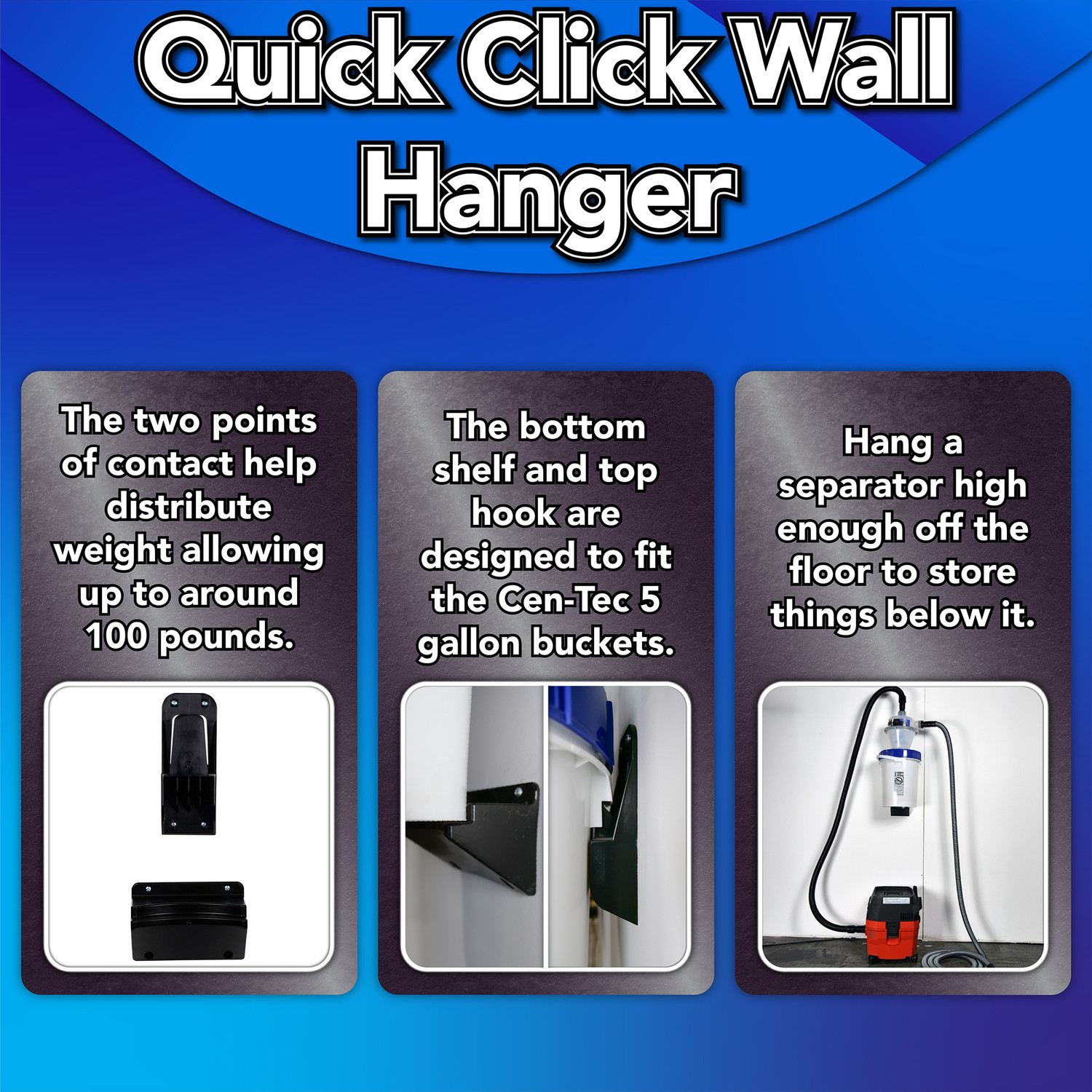
Credit: centecsystems.com
Ideal Height For Wall Hooks
Choosing the right height for wall hooks is important for easy use and neat spaces. The ideal height depends on who will use the hooks and what will hang on them. Setting hooks too high or too low can cause discomfort or clutter.
This section covers standard heights, user needs, and item types to help you place hooks perfectly.
Standard Height Measurements
Most wall hooks are set between 60 and 70 inches from the floor. This range fits most adults and keeps items within reach. For general use, 65 inches is a common and safe choice. Setting hooks at this height helps keep things tidy and accessible.
Considerations For Different Users
Children need lower hooks to reach their coats or bags. Placing hooks around 48 inches works well for kids. For elderly people or those with mobility issues, hooks should be lower, around 50 to 55 inches. This avoids stretching or bending that may cause discomfort.
Adjusting Height For Specific Items
Heavy items need stronger, lower hooks to avoid accidents. Hats and light scarves can go higher, as they are easy to reach. For bags or backpacks, hooks placed around 60 inches work best. Adjust the height based on what will hang to keep things organized.
Factors Affecting Hook Placement
Choosing the right height for a wall hook depends on several key factors. These factors help ensure the hook is both useful and safe. Understanding these will guide you to the best placement for your wall hooks. The room’s purpose, the wall’s strength, and the hook’s design all play a role.
Room Type And Function
Each room has unique needs. In a kitchen, hooks might hold pots or towels. In a bedroom, they hang clothes or bags. Hooks in a bathroom often hold towels or robes. The hook’s height should match what you plan to hang and who will use it. For children’s rooms, place hooks lower for easy reach. For adults, a higher spot may be better.
Wall Material And Support
Wall types differ in strength. Drywall needs anchors to hold heavier hooks. Concrete or brick walls offer strong support but require special tools. Wood walls can hold hooks easily. Check the wall’s material before placing hooks. Stronger walls allow higher placement for heavy items. Weak walls need careful positioning to avoid damage.
Hook Size And Design
Large hooks hold bigger items and often stick out more. Small hooks suit lighter, smaller items. The hook’s shape affects how far it extends from the wall. Hooks with multiple prongs can hold more but need more space. Place bigger hooks where they won’t block paths or catch clothing. Match the hook’s size to the items you plan to hang.
Ergonomic Tips For Hook Installation
Installing wall hooks at the right height improves comfort and usability. Ergonomic tips help place hooks where they suit daily needs. Proper height reduces strain and makes items easy to grab. Follow these simple guidelines for a better hook setup.
Accessibility And Reach
Choose a height everyone can reach without stretching or bending. For most adults, 5 to 6 feet works well. Children need lower hooks, about 3 to 4 feet high. Keep hooks within easy arm’s length to avoid discomfort.
Avoiding Obstructions
Check the wall area for switches, shelves, or furniture. Place hooks where nothing blocks access or movement. Leave enough space around each hook to hang items freely. Avoid corners or narrow spaces that limit use.
Safety Precautions
Install hooks away from busy walkways to prevent bumps. Use anchors suitable for your wall type to hold weight safely. Avoid sharp or protruding hooks in child play areas. Secure hooks firmly to prevent falls or injuries.

Credit: www.amazon.com
Special Situations
Special situations call for special wall hook heights. Different rooms and uses need different placements. This ensures safety, ease of use, and style all work together. Here are key points for unique wall hook needs.
Hooks In Kids’ Rooms
Hooks should be low enough for children to reach. Around 3 to 4 feet from the floor works well. This helps kids hang up coats and bags by themselves. Avoid placing hooks too high to prevent accidents.
Hooks For Heavy Or Bulky Items
Heavy items need strong hooks placed between 4 and 5 feet high. This height helps you lift items easily without straining. Make sure the hook is securely fixed to a wall stud for safety.
Decorative Vs. Functional Placement
Decorative hooks can be placed higher for a stylish look. Functional hooks should focus on ease of reach and use. Balance looks and function by mixing hook heights in a room.
Tools And Techniques For Mounting
Mounting a wall hook correctly ensures it holds weight safely and looks great. The right tools and techniques make the job easier and more secure. Knowing what hardware to pick, following clear steps, and maintaining the hook keeps it strong over time.
Choosing The Right Hardware
Select hardware based on wall type and hook size. Drywall needs anchors or toggle bolts. Wood walls allow screws directly into studs. Use screws that match the hook’s mounting holes. Pick anchors rated for the hook’s weight. Avoid nails; they hold less weight and can loosen.
Step-by-step Installation Guide
Start by marking the hook’s position on the wall. Use a level to keep it straight. Drill holes for anchors or screws. Insert anchors if needed. Align the hook with holes. Screw the hook tightly to the wall. Test the hook by applying light pressure. Adjust if it feels loose.
Maintenance And Adjustments
Check the hook regularly for loosening. Tighten screws if the hook wobbles. Replace anchors if they fail to hold. Clean the hook to avoid rust or dirt buildup. Adjust the height if needed for comfort. Proper care extends the hook’s life and safety.

Credit: louiserosephotography.com
Frequently Asked Questions
How High Should A Wall Hook Be Installed?
A wall hook is typically installed between 60 to 70 inches from the floor. This height suits most adults for easy reach. Adjust based on the hook’s purpose and user height for optimal convenience and comfort.
What Is The Best Height For Coat Hooks On Walls?
Coat hooks should be placed about 65 to 70 inches high. This height allows easy hanging and access for most people. For children, lower the hook to around 48 inches to ensure usability.
How High To Mount Wall Hooks For Heavy Items?
Mount wall hooks for heavy items at about 60 to 66 inches high. Ensure they are anchored into wall studs for strength. This height balances ease of use and stability for heavier loads.
Does Hook Height Affect Wall Hook Functionality?
Yes, proper hook height enhances functionality by ensuring easy access. Too low or too high reduces usability. Ideal height depends on item type and user reach for best results.
Conclusion
Choosing the right height for a wall hook makes a big difference. It helps keep your space tidy and easy to use. Think about who will use the hook and what you will hang. Measure carefully before installing to avoid mistakes.
A well-placed hook saves time and effort every day. Small details like this improve your home’s function and look. Try different heights if you are unsure. You will find the best spot that fits your needs perfectly.