Are you tired of guessing where to place wall hooks and ending up with uneven, awkward spaces? Knowing exactly how high your wall hooks should be and how far apart to hang them can make a huge difference in both style and function.
Whether you’re organizing your entryway, setting up a gallery wall, or creating a practical storage solution, getting these measurements right will save you time and frustration. Keep reading, and you’ll learn simple, proven tips to hang your wall hooks perfectly every time—making your space look neat, balanced, and easy to use.

Credit: www.reddit.com
Ideal Height For Wall Hooks
Choosing the right height for wall hooks is important for comfort and use. Hooks placed too high or too low make hanging items hard. The ideal height depends on what you will hang and who will use the hooks.
Wall hooks should be easy to reach. They must fit the space and users’ needs. This section explains common heights and how to adjust them for different people.
Standard Heights For Different Uses
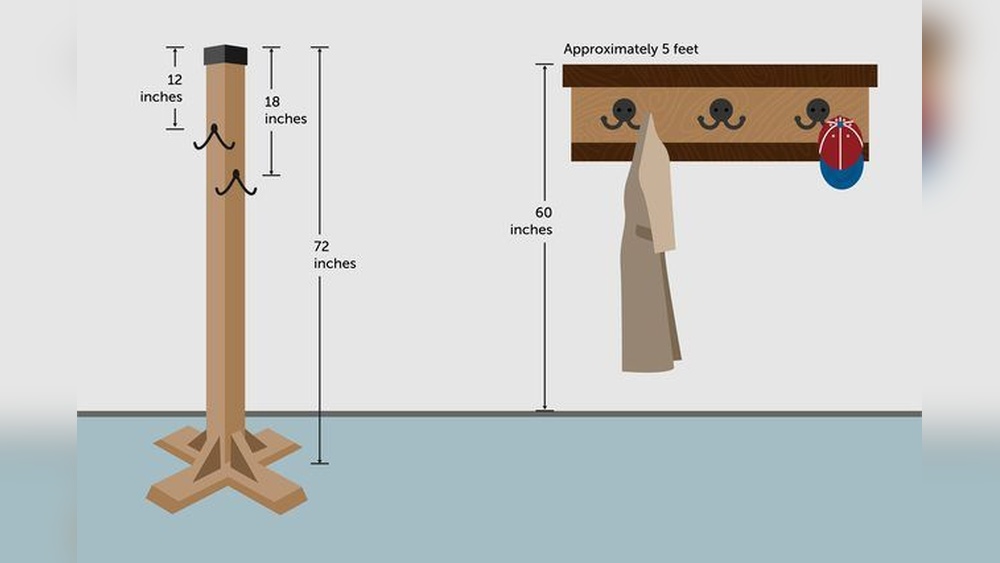
Coat hooks usually sit 5 to 6 feet from the floor. This height fits most adults. For towels, 4 to 5 feet is better to keep them dry. Kitchen hooks often hang 4 to 5 feet high for easy reach. Hooks for bags or keys can be lower, around 4 feet.
Adjusting Height For Accessibility
People with limited mobility need lower hooks. Place hooks 3 to 4 feet above the floor for easy reach. This height helps wheelchair users and those who cannot stretch. Clear space below the hook also improves access. Always think about who uses the space most.
Height Considerations For Kids
Children need lower hooks to hang their items. Set hooks 3 to 4 feet high for kids. This height lets them reach without help. For very young children, place hooks even lower, around 2 to 3 feet. This encourages independence and tidiness.
Credit: furnica.com
Spacing Between Wall Hooks
Spacing between wall hooks affects both function and style. Proper spacing helps your items hang safely. It also keeps the wall looking neat and balanced. Too close or too far apart can cause problems. The right distance depends on what you hang and the room’s look.
Common Distance Guidelines
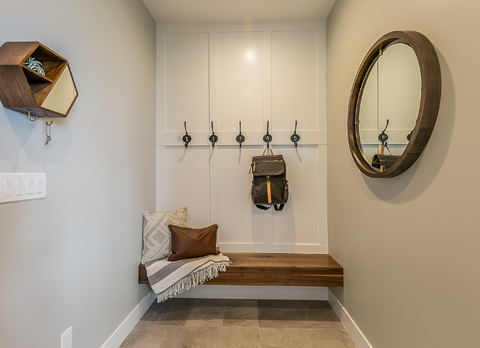
For most wall hooks, 4 to 6 inches apart works well. This range fits small to medium items like keys or hats. For wider items like coats or bags, 8 to 12 inches is better. In hallways or entryways, spacing hooks evenly keeps things tidy. Measure the wall space first to plan hook placement.
Spacing For Heavy Vs. Light Items
Heavy items need stronger support and wider spacing. Hooks 10 to 12 inches apart help spread weight evenly. Use sturdy hooks and anchors for heavy coats or bags. Light items like scarves or jewelry can sit closer. Hooks 3 to 5 inches apart hold these well without clutter.
Visual Balance And Aesthetic Tips
Even spacing creates a clean, organized look on walls. Align hooks at the same height for harmony. Odd numbers of hooks often look more natural than even numbers. Match hook style to room decor for a pleasing effect. Leave some space around hooks to avoid a crowded feel.
Types Of Wall Hooks
Wall hooks come in many types. Choosing the right type helps keep spaces tidy. Different hooks serve different needs. Some hold light items, others support heavy loads. Understanding the types makes hanging easier and safer.
Single Vs. Multiple Hooks
Single hooks hold one item at a time. They are simple and space-saving. Multiple hooks have two or more prongs. These hold several items in one spot. Use single hooks for coats or bags. Multiple hooks suit hats or keys together. Space between hooks matters to avoid crowding.
Material And Design Impact
Hooks come in metal, wood, plastic, or ceramic. Metal hooks are strong and last long. Wood hooks look warm and natural. Plastic hooks are light and cheap. Design affects the hook’s style and use. Rounded hooks prevent damage to clothes. Sharp hooks hold heavier items better.
Choosing Hooks Based On Function
Think about what you want to hang. Light items need small, delicate hooks. Heavy items require strong, large hooks. Bathroom hooks resist water and rust. Kitchen hooks should be easy to clean. Choose hooks that fit the room and task. Proper hooks make organizing simple and neat.
Credit: vixencomposites.com
Installation Tips
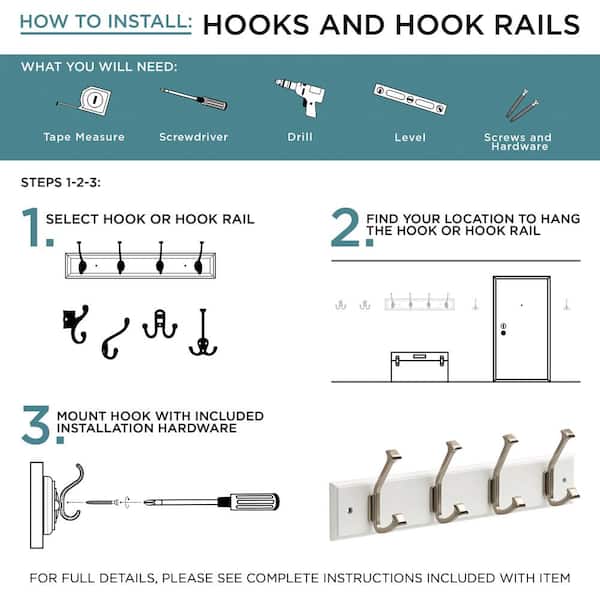
Installing wall hooks correctly ensures they hold weight and last long. Small errors can cause hooks to fall or walls to get damaged. Use these installation tips for a strong and safe setup.
Follow simple steps to avoid common problems. You will get hooks that look good and work well.
Finding Studs And Anchors
Studs are wooden beams behind your wall. Hooks attached to studs hold more weight. Use a stud finder to locate them easily. Mark stud spots with a pencil. If no stud is available, use wall anchors. Anchors keep hooks secure in drywall or plaster. Choose anchors based on the hook’s weight limit.
Tools Needed For Secure Mounting
Use a drill for clean holes and strong grip. A level helps keep hooks straight and even. A tape measure measures height and distance between hooks. A pencil marks drill points. Screwdrivers tighten screws without damage. These tools make the installation safe and neat.
Avoiding Common Mistakes
Do not place hooks too high or too low. Measure height based on what you will hang. Space hooks evenly for balance and better support. Avoid drilling without checking for wires or pipes. Use the right size screws and anchors. Tighten screws firmly but do not overtighten. These tips prevent damage and keep hooks secure.
Creative Hook Arrangements
Creative hook arrangements can change a plain wall into a stylish feature. Hooks do more than hold items. They add personality and charm to any room. Using different patterns and designs makes small spaces look larger and lively. Hooks can become art, not just utility.
Patterns For Small Spaces
Small spaces need smart use of every inch. Arrange hooks in rows or grids to keep order. Vertical patterns save floor space and draw eyes up. Diagonal or staggered hooks add fun and movement. Choose the right height to keep things easy to reach. Keep hooks close but not crowded for balance.
Using Hooks For Decorative Displays
Hooks can hold more than coats and bags. Hang plants, frames, or fairy lights for a fresh look. Mix hook sizes and shapes for visual interest. Use colorful hooks to brighten dull walls. Create a gallery wall using hooks to display art or photos. Change displays seasonally for new vibes.
Combining Hooks With Shelves
Shelves and hooks work well together. Shelves hold books and décor, hooks hold hats and scarves. Place hooks under or beside shelves for easy access. This combo saves space and adds layers to the wall. Use matching materials for a neat, cohesive style. This setup works well in entryways and kitchens.
Frequently Asked Questions
How High Should Wall Hooks Be Installed?
Wall hooks should be installed at a height of 5 to 6 feet. This height suits most adults and provides easy access. For children’s rooms, lower heights around 3 to 4 feet are ideal. Adjust based on user needs for comfort and convenience.
How Far Apart Should Wall Hooks Be Spaced?
Wall hooks are best spaced 6 to 12 inches apart. This spacing allows enough room for hanging items without overlap. For larger items like coats, increase spacing to 12 inches. Proper spacing ensures hooks are functional and visually balanced.
What Factors Affect Wall Hook Placement Height?
User height, item type, and wall space affect hook height. Consider who will use the hooks most often. Heavier items may need hooks placed lower for better support. Also, balance aesthetics with practicality when deciding placement height.
Can Wall Hooks Be Installed Unevenly For Design?
Yes, uneven wall hooks create a stylish, dynamic look. Varying hook heights add visual interest and suit different item lengths. This approach is popular in modern and eclectic decor styles. Just ensure hooks remain functional and accessible.
Conclusion
Choosing the right height and spacing for wall hooks makes a big difference. Hooks placed about 5 to 6 feet high suit most adults well. Keeping them 6 to 12 inches apart helps items hang neatly. This setup keeps your space tidy and easy to use.
Remember, adjust based on who will use the hooks most. Small changes can improve your room’s look and function. Simple steps lead to better organization and comfort. Try these tips for your walls and see the difference.