Is your hydraulic floor jack not lifting like it used to? You rely on it to safely raise heavy loads, and when it fails, your work grinds to a halt.
But before you rush to buy a new one, what if you could fix it yourself? Repairing your hydraulic floor jack is easier than you think, and saving time and money starts here. In this guide, you’ll discover simple steps to identify common problems and get your jack working smoothly again.
Keep reading to take control and bring your tool back to life.
Common Floor Jack Issues
Hydraulic floor jacks are vital tools for lifting heavy objects safely. Like all tools, they can face common problems over time. Knowing these issues helps you fix your jack faster and avoid bigger troubles. The next sections describe typical faults and simple ways to spot them.
Hydraulic Fluid Leaks
One frequent issue is hydraulic fluid leaks. Look for wet spots or puddles under the jack. Leaks reduce pressure and make the jack weak. Check seals and hoses for cracks or damage. Replace any worn parts to stop leaks. Using the right fluid level keeps the jack working smoothly.
Slow Lifting Problems
A jack that lifts slowly wastes time and effort. Air trapped in the hydraulic system often causes this. Bleed the system to release trapped air. Dirty or old hydraulic fluid can also slow lifting. Change the fluid regularly to keep the pump efficient. Make sure the jack is clean and free of rust.
Jack Not Holding Pressure
If the jack lowers by itself, it may not hold pressure. This can happen from a faulty release valve. Tighten or replace the valve to fix this problem. Worn seals inside the cylinder also cause pressure loss. Inspect seals and swap them if needed. Keeping the jack upright during use helps maintain pressure.
Handle Or Pump Malfunctions
Problems with the handle or pump affect jack operation. A loose or broken handle can stop pumping action. Tighten or replace the handle parts. Pump seals may wear out and leak fluid. Check the pump for damage and change faulty seals. Regular lubrication of moving parts improves handle movement.
Essential Tools And Materials
Repairing a hydraulic floor jack requires the right tools and materials. Without them, the job can become difficult or incomplete. Having everything ready makes the process smoother and safer. It also helps you fix the jack properly the first time.
Hydraulic Fluid Types
Choosing the correct hydraulic fluid is important. Different jacks need different fluids. Most use standard hydraulic oil, but some require specific types. Check the jack’s manual for the right fluid. Using the wrong fluid can cause damage or poor performance.
Wrenches And Screwdrivers
Wrenches and screwdrivers help remove and tighten parts. A set of both metric and standard sizes is useful. Adjustable wrenches work well for various bolts. Flathead and Phillips screwdrivers cover most screws. These tools help you open the jack and replace broken parts.
Seal Kits And Replacement Parts
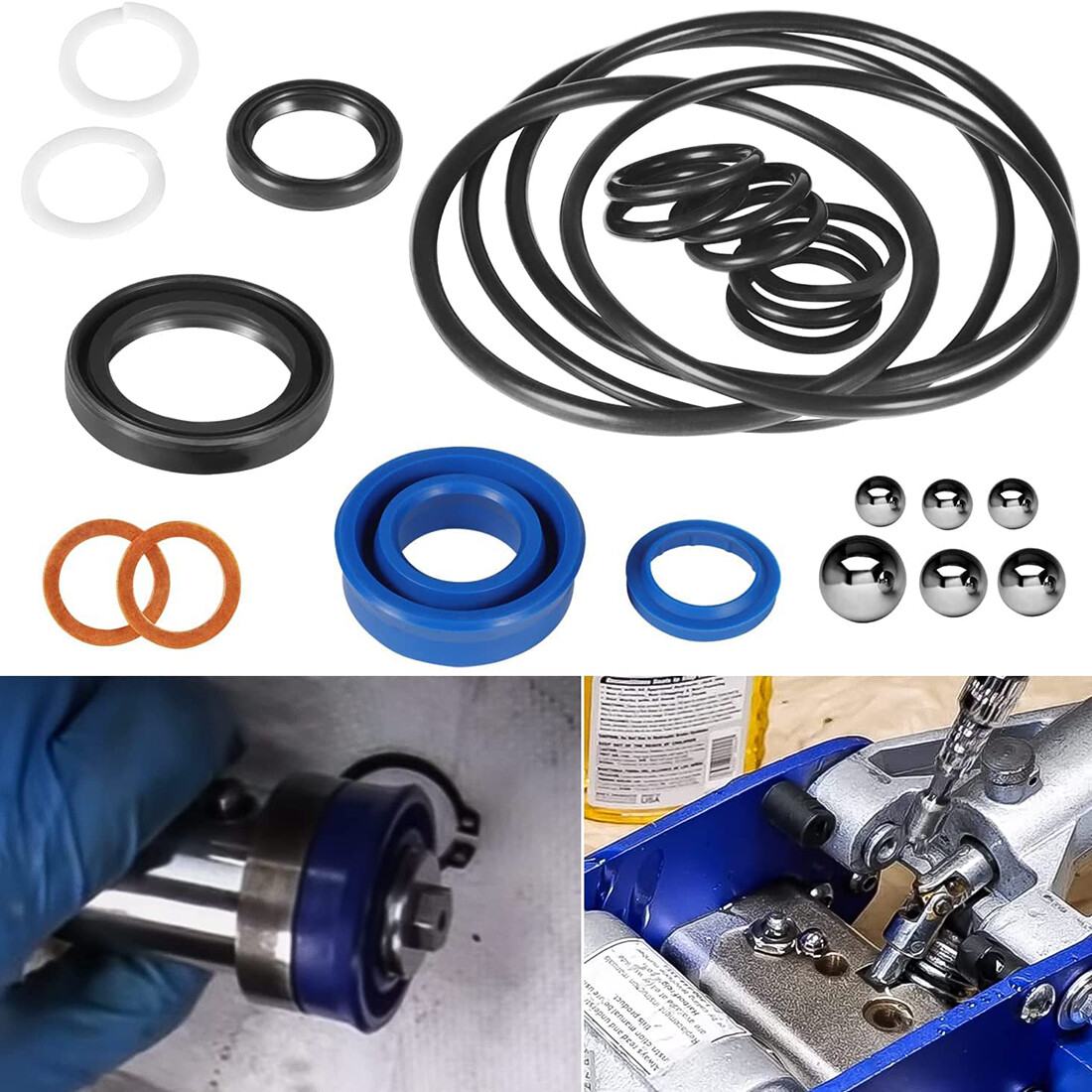
Seal kits fix leaks inside the jack. They include rubber seals and O-rings. These parts prevent hydraulic fluid from escaping. Replacement parts like valves or pistons might be needed too. Using original or high-quality parts ensures the jack works well.
Cleaning Supplies
Cleaning supplies keep the jack free from dirt and grime. Rags and brushes help remove old grease and dust. A cleaning solvent or degreaser makes this easier. Clean parts work better and last longer. Always clean before and after repairs for best results.
Step-by-step Repair Process
Repairing a Hydralis floor jack takes careful steps. Follow this guide to fix common problems safely and quickly. This step-by-step process helps restore the jack’s function and keeps it reliable for future use.
Inspecting The Floor Jack
Start by cleaning the jack. Remove dirt and grease. Check for visible damage like cracks or rust. Look closely at the hydraulic parts and wheels. Identify any broken or worn components. A careful inspection saves time and guides the repair.
Fixing Hydraulic Fluid Leaks
Hydraulic fluid leaks reduce lifting power. Find the leak source by wiping the jack dry. Operate the jack slowly and watch for fluid spots. Tighten loose fittings carefully. Replace damaged hoses or seals. Use only the right hydraulic fluid for your jack.
Bleeding Air From The System
Air in the hydraulic system causes poor performance. Open the bleed valve slowly. Pump the jack handle several times to push air out. Close the valve when fluid flows steadily without bubbles. Bleeding restores smooth and strong lifting action.
Replacing Seals And O-rings
Old seals and O-rings often cause leaks. Remove the hydraulic cylinder carefully. Take out the worn seals and O-rings. Match new parts exactly to the old ones. Lubricate new seals lightly before installing. Proper replacement ensures a tight, leak-free system.
Testing The Jack After Repair
Check the jack’s lifting power after repairs. Place it under a safe load. Pump the handle and watch the rise. Look for leaks or strange noises. Test lowering the load smoothly. A well-tested jack works safely and lasts longer.
Credit: www.ebay.com
Maintenance Tips For Longevity
Keeping your Hydralis floor jack in good shape extends its life and saves money. Simple care steps prevent problems and keep it working well. These maintenance tips help your jack stay strong and reliable for years.
Regular Fluid Checks
Check the hydraulic fluid often. Low fluid can cause the jack to fail. Use the recommended oil type for your model. Top off the fluid if the level is low. Avoid mixing different fluids to keep it safe.
Proper Storage Methods
Store the jack in a dry, clean place. Avoid damp areas that cause rust. Keep it on a flat surface to prevent damage. Lower the jack fully before storing to protect its parts.
Routine Cleaning
Clean dirt and grease from the jack regularly. Use a cloth to wipe the surface. Remove debris from moving parts to avoid jams. Clean jacks work smoothly and last longer.
Avoiding Overloading
Never lift more weight than the jack’s limit. Overloading can damage seals and pumps. Always check the weight before lifting. Use the right jack size for the job to stay safe.
When To Seek Professional Help
Knowing when to seek professional help for your Hydralis floor jack can save you time and money. Some issues need expert care to avoid further damage or injury. Recognizing these signs early ensures your jack works safely and efficiently.
Severe Structural Damage
Cracks or bends in the frame are serious problems. These damages weaken the jack’s strength. Fixing structural damage requires special tools and skills. Professionals can assess the damage and repair it correctly. Avoid using the jack if you see major frame issues.
Complex Hydraulic Failures
Hydraulic systems are delicate and precise. Leaks or pressure loss can cause the jack to fail. Fixing hydraulic parts is tricky without proper training. Professionals have the right equipment to locate and fix leaks. Attempting repairs alone may worsen the problem.
Safety Concerns
Safety is the top priority with any lifting tool. If the jack feels unstable or does not hold weight properly, stop using it. Faulty jacks can cause accidents and injuries. Experts ensure the jack meets safety standards after repair. Trust professionals to keep your work environment safe.
Credit: www.vevor.com

Credit: www.youtube.com
Frequently Asked Questions
How Do I Fix A Hydraulic Floor Jack Leak?
To fix a leak, first identify the source. Replace worn seals or O-rings. Tighten all fittings. Use hydraulic jack oil to refill and test for leaks.
Why Is My Hydraulic Floor Jack Not Lifting?
Common causes include low hydraulic fluid, air trapped in the system, or worn seals. Check fluid levels and bleed the jack to remove air.
How Often Should I Service A Hydraulic Floor Jack?
Service your jack every 6-12 months or after heavy use. Regular maintenance ensures safety and prolongs the jack’s lifespan.
Can I Repair A Hydraulic Floor Jack Myself?
Yes, with basic tools and knowledge, you can replace seals, refill oil, and bleed air. Follow safety guidelines and manufacturer instructions carefully.
Conclusion
Repairing your Hydralis floor jack can save time and money. Follow the steps carefully for safe and effective results. Regular checks help keep the jack in good condition. Using the right tools makes the process easier. Remember to work in a clean, well-lit area.
Taking these actions ensures your jack works well for longer. Stay patient and take your time with each step. Your floor jack will be ready to use again soon. Simple fixes can prevent bigger problems down the road. Keep your equipment reliable and safe with proper care.