Have you ever faced a locked door with a deadbolt and felt completely stuck? Whether you’re locked out of your own home or need to help someone in an emergency, knowing how to get into a deadbolt door can save you time, stress, and frustration.
This guide will walk you through simple, effective methods you can use right now—without needing expensive tools or calling a locksmith. Keep reading, because by the end, you’ll feel confident and ready to handle deadbolt locks safely and smartly.
Types Of Deadbolt Locks
Deadbolt locks come in different types. Each type offers different security and convenience levels. Understanding these helps you know how to handle or open them safely.
Single Cylinder Deadbolts
Single cylinder deadbolts have a keyhole on one side only. Inside, they have a thumb turn to lock or unlock the door. These are common in many homes. Easy to use from inside without a key.
Double Cylinder Deadbolts
Double cylinder deadbolts need a key on both sides. No thumb turn on the inside. They provide extra security for doors with glass nearby. Can be tricky to open quickly from inside during emergencies.
Keyless Deadbolts
Keyless deadbolts use codes or electronic keys. No physical key needed to lock or unlock. They offer quick access and can be programmed for multiple users. Often found on modern homes and offices.

Credit: www.youtube.com
Common Tools For Entry
Getting into a deadbolt door requires specific tools. These tools help manipulate the lock mechanism. Understanding these common tools gives insight into how deadbolts work. Here are some of the most used tools for entry.
Lock Picks And Tension Wrenches
Lock picks are thin metal tools used to move lock pins. Tension wrenches apply turning force inside the lock cylinder. Together, they simulate the key’s action. This method requires patience and a steady hand. It is a popular non-destructive way to open deadbolts.
Bump Keys
Bump keys look like regular keys but have special cuts. They fit into the lock and can “bump” the pins. A quick tap causes the pins to jump above the shear line. This allows the lock to turn and open. Bump keys are fast but need practice to use correctly.
Drilling Equipment
Drilling is a last resort method for entry. It destroys the lock mechanism to gain access. A power drill with a metal bit is used. Drilling weakens the lock pins or cylinder. This method is noisy and damages the door hardware. It is used when other tools fail or are unavailable.
Techniques To Bypass Deadbolts
Deadbolts are strong locks designed to keep doors secure. Bypassing them takes skill and the right tools. Understanding different techniques helps you choose the safest and quickest method. Some ways are simple but require practice. Others may cause damage or need special equipment.
Here are common techniques used to bypass deadbolts. Each method has its own risks and uses. Learn the basics before trying any of these approaches.
Lock Picking Basics
Lock picking uses small tools to move the lock’s pins. It mimics the key’s action inside the lock. You need a tension wrench and a pick. Insert the wrench to apply slight pressure. Then, gently lift each pin with the pick. Feel for pins that bind and set them in place. Patience and a light touch are key. This method does not damage the lock but needs practice.
Using Bump Keys Effectively
A bump key fits many locks of the same type. It looks like a normal key but with all cuts at the lowest level. Insert the bump key fully in the lock. Tap the key sharply with a small hammer or tool. This jolts the pins inside, pushing them to the shear line. Turn the key while tapping to open the lock. This method is fast but can wear out the lock over time.
Drilling And Its Risks
Drilling destroys the lock by breaking the pins or cylinder. Use a drill bit designed for metal. Drill directly into the center of the keyhole. This method is loud and obvious. It damages the lock, making it unusable afterward. Drilling can be dangerous without proper safety gear. Use this as a last option when other methods fail.

Credit: www.wikihow.com
Non-destructive Entry Methods
Non-destructive entry methods help open a deadbolt door without damage. These techniques are useful in emergencies or when you lose your key. They save money and keep your lock intact for future use.
These methods require some tools and patience. Practice makes the process easier. Here are three common ways to try.
Credit Card Method
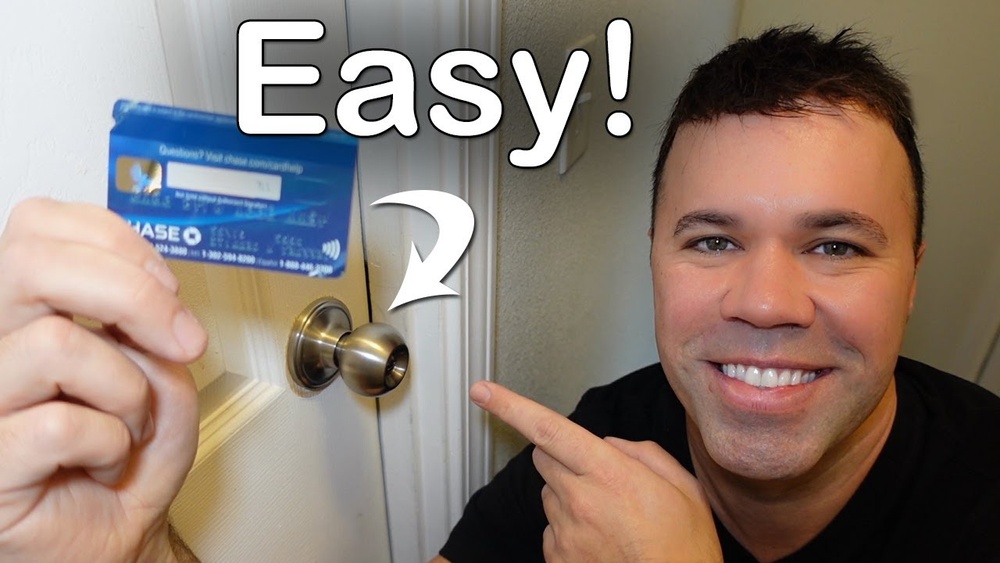
This method works best on spring bolt locks, not deadbolts. Slide a flexible plastic card between the door and frame. Push the card while wiggling it to move the latch back. It needs gentle force and correct angle. This method may fail on sturdy deadbolts.
Using A Shim
A shim is a thin piece of metal or plastic. Insert it between the door and the latch. Slide it down to push the latch open. This works well on padlocks or latch bolts. Deadbolts often have no gap for a shim. Use thin, firm material for better results.
Bypassing With A Screwdriver
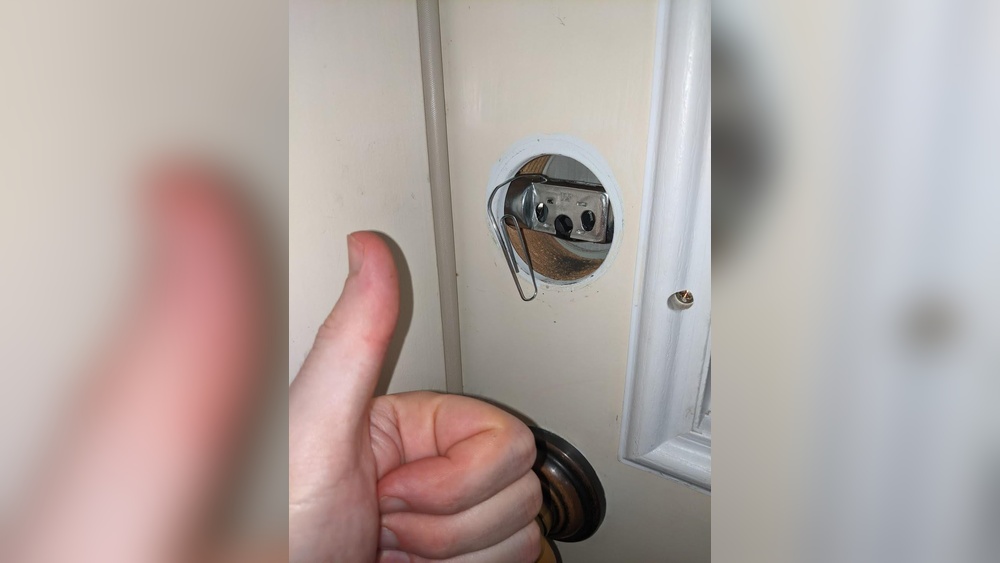
Use a flathead screwdriver to turn the lock from the inside. This works if the lock has a thumb turn. Insert the screwdriver into the hole or slot. Twist gently to rotate the lock. This method avoids damage and is quick. It won’t work on locks without an accessible thumb turn.
When To Call A Locksmith
Knowing when to call a locksmith is important if you face trouble with a deadbolt door. Trying to fix complex locks yourself can cause damage or waste time. A professional locksmith has the right tools and skills to handle difficult locks safely. This section explains key moments to seek help from a locksmith.
Recognizing Complex Locks
Some deadbolt locks are hard to open without special tools. High-security locks or electronic deadbolts need expert knowledge. If you see unusual designs or multiple locking points, do not try to open them yourself. Calling a locksmith ensures you avoid mistakes that may break the lock or door.
Avoiding Damage
Using wrong methods can damage your door or lock. Broken keys or scratched doors cost more to fix later. Professionals know how to open deadbolts without harm. They save you from extra repairs and expenses. Protect your property by calling a locksmith early.
Emergency Situations
Locked out with no spare key? Lost your keys or broken the lock? Emergencies need quick and safe solutions. Locksmiths offer fast service to help you get back inside. Do not waste time trying unsafe tricks. Calling a locksmith is the best choice in urgent cases.

Credit: www.youtube.com
Preventive Measures For Homeowners
Homeowners can reduce the risk of break-ins by using smart preventive steps. Taking care of your deadbolt door locks helps keep your home safe. Simple actions can stop many common lock problems before they start.
Upgrading Locks
Old locks are easier to break or pick. Changing to modern deadbolt locks adds strong protection. Choose locks with high security ratings and solid materials. Double-cylinder deadbolts add extra safety for doors with glass nearby. Upgrades make your door harder to force open.
Regular Maintenance
Check your deadbolt locks often to ensure they work well. Clean locks with a dry cloth to remove dust and dirt. Lubricate moving parts with graphite or silicone spray. Avoid oil-based products that can attract grime. Tighten screws and fix loose parts quickly. Well-maintained locks function smoothly and last longer.
Security Enhancements
Use additional security tools to protect your deadbolt doors. Install strike plates with long screws to reinforce the door frame. Add door jammers or security bars for extra defense. Consider using smart locks with alarms or remote access features. Security cameras and motion lights near doors can deter intruders.
Frequently Asked Questions
How Can I Unlock A Deadbolt Door Without A Key?
You can unlock a deadbolt by using a bump key, lock pick, or credit card. These methods require skill and caution. Always ensure you have permission before attempting to unlock any door.
What Tools Are Needed To Open A Deadbolt Lock?
Common tools include lock picks, tension wrenches, bump keys, and sometimes a screwdriver. Proper knowledge is essential to use these tools effectively and legally.
Is It Legal To Pick A Deadbolt Lock?
Lock picking is legal only if you own the property or have permission. Unauthorized lock picking can lead to legal consequences. Always check local laws before attempting.
Can A Deadbolt Lock Be Bypassed Without Damage?
Some deadbolts can be bypassed using lock picking or bumping techniques without damage. However, not all deadbolts are susceptible. Professional locksmiths offer non-destructive entry options.
Conclusion
Getting into a deadbolt door takes patience and the right tools. Always stay calm and work step by step. Avoid forcing the lock, as this can cause damage. Practice safe and legal methods only. Knowing some basic techniques helps in emergencies.
Remember, respecting others’ property is important. Keep these tips in mind for any lockout situation. Stay prepared, stay safe, and act smart.