Are you staring at those stubborn plastic hard wall picture hooks and wondering how to get rid of them without damaging your walls? You’re not alone.
Removing these hooks can be tricky, and a wrong move might leave marks or holes you don’t want. But don’t worry—this guide will show you simple, effective steps to safely remove those hooks and keep your walls looking flawless. Keep reading, and you’ll learn the secrets to a smooth, damage-free removal that anyone can do.
Your walls will thank you!
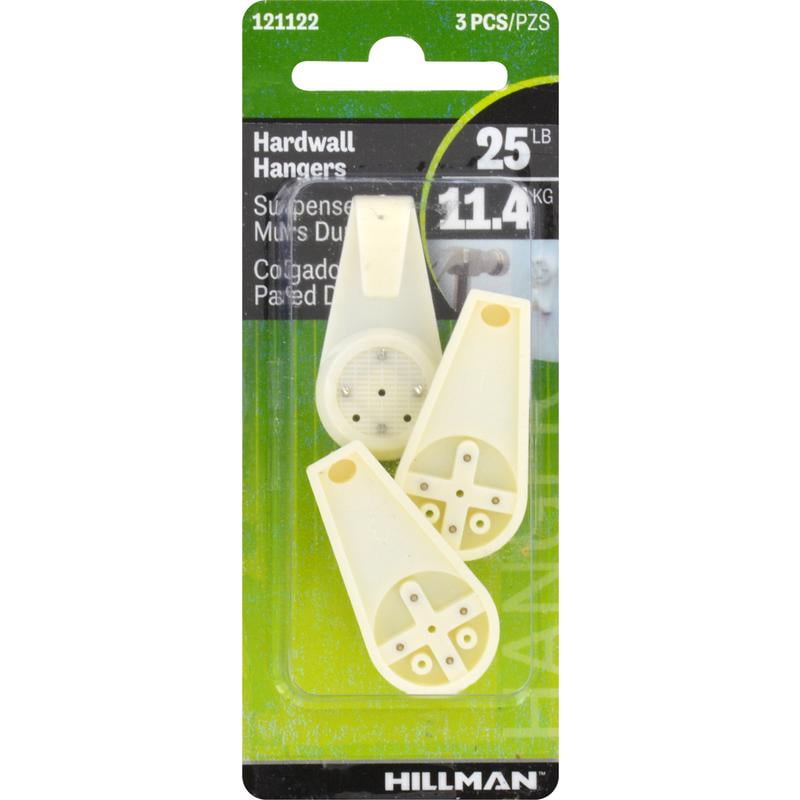
Credit: www.walmart.com
Types Of Plastic Hard Wall Hooks
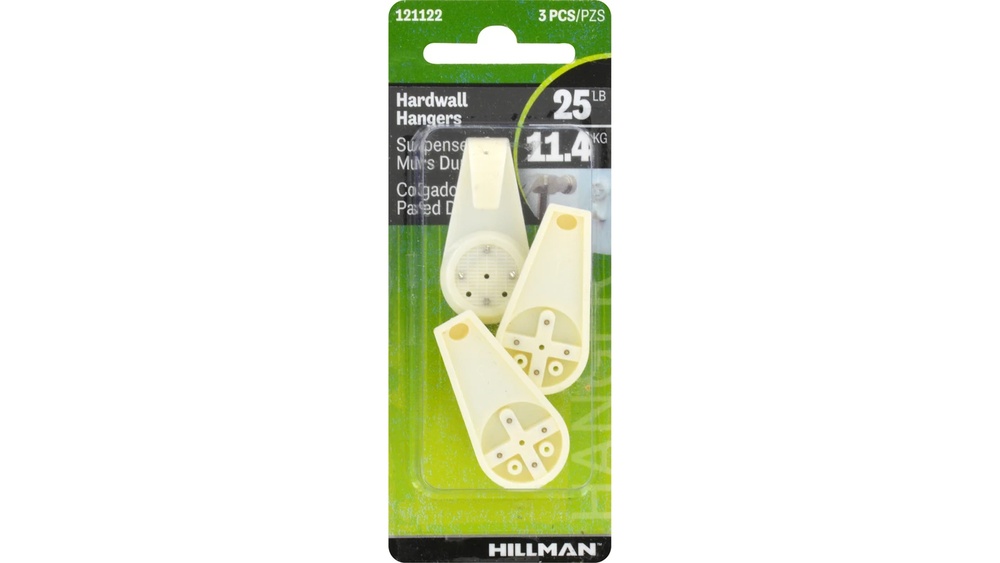
Plastic hard wall picture hooks come in different types. Each type works in a specific way. Knowing the types helps in removing them safely. It also protects your walls from damage.
Some hooks stick to the wall with glue. Others use small nails or pins. The design affects how strong the hook is. It also changes the removal method.
Common Designs
Most plastic hooks have a small, flat base. This base sits flush against the wall. Some have a curved hook for hanging pictures. Others have a straight pin or nail attached.
Hooks with a wide base spread the weight evenly. This reduces wall damage. Small hooks are for light pictures. Larger ones hold heavier frames. The design fits different wall types and weights.
Adhesive Vs. Nail-based Hooks
Adhesive hooks use sticky pads or strips. They stick directly to the wall surface. Removal requires careful peeling to avoid marks. Nail-based hooks use tiny nails or pins.
These nails go into the wall for extra hold. Removing nail hooks needs pulling out the pins. Nail hooks may leave small holes behind. Adhesive hooks may leave sticky residue.

Credit: www.amazon.com
Tools Needed For Removal
Removing plastic hard wall picture hooks does not require many tools. Some tools are common in most homes. Others are specialized but easy to find. Having the right tools makes the job faster and prevents wall damage.
Household Items
A few household items work well for removing hooks. A butter knife or a flathead screwdriver helps gently pry hooks off. A hairdryer softens the adhesive, making removal easier. Cotton balls and rubbing alcohol clean leftover sticky residue. A pair of pliers can pull hooks carefully without breaking them.
Specialized Tools
Special tools offer more control and safety. A putty knife with a thin blade slides under hooks smoothly. A plastic scraper avoids scratching the wall surface. An adhesive remover gel targets sticky glue left behind. A heat gun provides stronger heat than a hairdryer but needs careful use.
Preparation Before Removal
Before removing plastic hard wall picture hooks, proper preparation is key. It helps protect your walls and makes the process easier. Taking a few simple steps can save time and avoid damage. Start by clearing the area and protecting the wall surface. These steps set you up for smooth removal without stress.
Clearing The Area
Remove any furniture or objects near the wall. This creates space to work safely and freely. Clear the floor below the hook to catch any falling pieces. Move fragile items away to prevent accidents. A clean area reduces the risk of damage during removal. It also gives you better access to the hook.
Protecting The Wall Surface
Use painter’s tape around the hook to shield the wall. This prevents scratches and paint peeling during removal. Place a soft cloth or cardboard under the hook for extra protection. Have a gentle cleaning solution ready to fix small marks later. Protecting the wall keeps it looking fresh and smooth. It makes repair easier if any damage occurs.

Credit: crjheavytrucks.com
Step-by-step Removal Methods
Removing plastic hard wall picture hooks can be simple with the right steps. Different hooks need different removal methods. Follow these step-by-step guides to avoid damage to your walls. Each method works best for specific hook types.
Peeling Off Adhesive Hooks
Start by gently lifting the edge of the hook’s adhesive strip. Pull the strip slowly downwards, keeping it close to the wall. Avoid pulling straight out to prevent wall damage. If the strip breaks, try softening the adhesive first. Clean any leftover residue with warm soapy water.
Removing Nail Or Pin Hooks
Use pliers to grip the hook base firmly. Pull the hook straight out with steady force. Wiggle slightly if it feels stuck, but do not force it. Push the nail or pin back through the wall if needed. Fill the small hole with spackling paste and smooth it over.
Soften Adhesive For Easier Removal
Apply heat using a hairdryer on low setting near the hook. Warm the adhesive for 30 seconds to loosen it. Test the hook’s edge gently to check if the adhesive softens. Use a plastic card to lift the hook slowly. Repeat heating if the hook resists removal.
Preventing Wall Damage
Removing plastic hard wall picture hooks requires care to protect your walls. Walls can get damaged easily if you pull hooks roughly or use harsh chemicals. Taking gentle steps keeps paint and drywall intact. It helps your walls look fresh and clean after hook removal.
Follow safe methods to avoid peeling paint and stubborn sticky marks. These tips save time and effort in fixing wall damage later.
Avoiding Paint Peeling
Do not yank the hook off quickly. Pull it slowly and gently at an angle. This reduces stress on the paint. Use your fingers or a plastic card to lift the edges carefully.
If the hook is stuck, warm the adhesive with a hairdryer for a few seconds. Heat softens glue, making the hook easier to remove. Avoid metal tools that can scrape paint off.
Handling Stubborn Residue
Sticky glue residue can stay on the wall after hook removal. Use a soft cloth dampened with warm soapy water to rub the area. This loosens the residue without harming paint.
For tougher spots, try a small amount of rubbing alcohol on a cotton ball. Dab gently and avoid scrubbing hard. Test on a small hidden area first to ensure no paint fades.
Never use sharp objects or strong chemicals to scrape residue. These actions cause permanent damage to walls and paint.
Cleaning After Hook Removal
Removing plastic hard wall picture hooks can leave marks or sticky spots on your wall. Cleaning the wall after hook removal helps restore its smooth look. Proper cleaning prevents damage and makes your wall ready for new decorations.
Removing Adhesive Residue
Adhesive residue sticks to the wall after removing hooks. Use a soft cloth with warm soapy water. Rub gently to avoid damaging the paint. For tougher residue, try rubbing alcohol or a small amount of vinegar. Test on a small spot first to check for paint reaction. Avoid harsh scrubbing which can peel the paint.
Touching Up Wall Paint
Small scratches or peeled paint may appear after hook removal. Use matching wall paint to cover these spots. Apply paint with a small brush for better control. Let the paint dry fully before adding new hooks or decorations. This keeps your wall looking fresh and neat.
Alternative Hook Options For Walls
Removing plastic hard wall picture hooks can be tricky and may damage your walls. Choosing the right alternative hook can keep your walls safe and still display your pictures beautifully. Many options do not leave marks or holes and can hold frames securely. These alternatives are easy to use and remove.
Damage-free Hanging Solutions
Damage-free hooks use adhesives that stick well but peel off cleanly. They hold light to medium weight pictures without nails or screws. These hooks protect paint and drywall from holes and cracks. You can remove them anytime without leaving sticky residue. Perfect for renters or anyone who wants to avoid wall damage.
Reusable Hooks
Reusable hooks offer flexibility and convenience. They use strong suction cups or removable adhesive strips. You can move and reuse them multiple times on different walls. These hooks support various frame sizes and weights. They save money by lasting longer than single-use hooks.
Frequently Asked Questions
How Do I Safely Remove Plastic Hard Wall Picture Hooks?
To remove plastic hard wall hooks safely, gently wiggle the hook side to side. Pull slowly to avoid wall damage. Use a hairdryer to warm adhesive if needed. Always remove hooks carefully to prevent holes or paint peeling.
What Tools Are Needed To Remove Plastic Hooks?
You only need basic tools like a hairdryer and a putty knife. The hairdryer softens adhesive for easy removal. A putty knife helps lift the hook gently without damaging the wall.
Can Removing Hooks Damage My Wall Paint?
Yes, improper removal can peel or chip wall paint. Use slow, gentle pulling and warm adhesive with heat. Patch small holes with spackle and sand lightly to restore paint smoothly.
How To Fix Wall Holes After Removing Hooks?
Fill small holes with spackling paste or wall filler. Let it dry completely, then sand smooth. Finally, touch up with matching paint for a flawless finish.
Conclusion
Removing plastic hard wall picture hooks can be simple and safe. Use gentle tools and take your time to avoid wall damage. Small holes can be fixed quickly with basic supplies. Clean the area well before rehanging pictures or painting.
This method saves money and keeps your walls looking good. Try these steps for easy hook removal at home. Your walls will thank you.