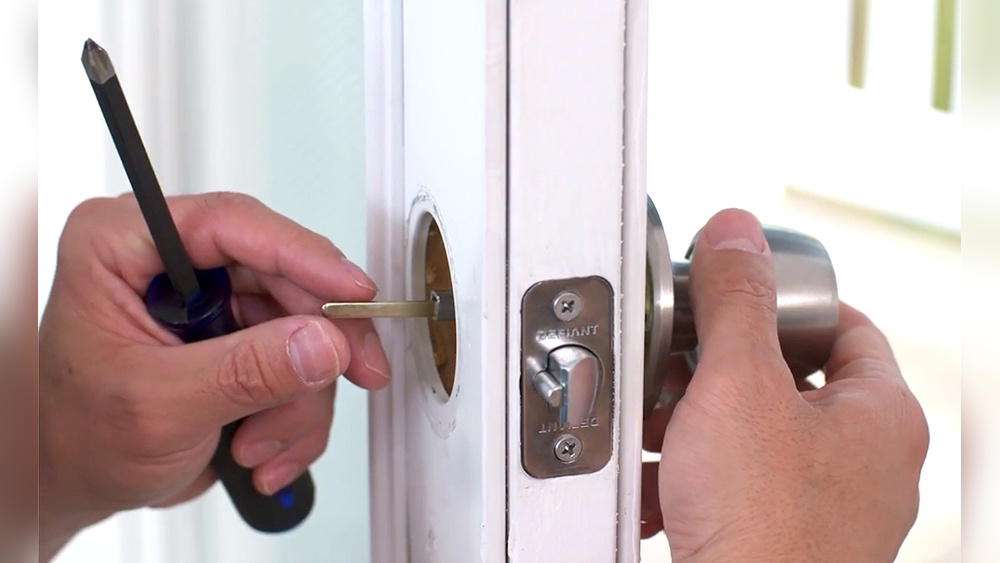
Have you ever struggled to unlock a stubborn deadbolt and wished you knew a simple trick to make it easier? Understanding how to brake in a deadbolt can save you time and frustration.
Whether you’re dealing with a jammed lock or just want to improve your home security, knowing this skill puts control right in your hands. Keep reading, and you’ll discover clear, practical steps that anyone can follow to handle deadbolts like a pro.
Don’t let a tricky lock slow you down—let’s get you moving smoothly again.
Types Of Deadbolts
Deadbolts are essential for home security. They come in different types. Each type offers unique benefits and uses. Understanding these types helps you choose the right one for your door. This guide explains the main types of deadbolts you might find.
Single Cylinder Deadbolts
Single cylinder deadbolts have a keyhole on the outside. Inside, there is a thumb turn to lock or unlock. This type is common on most homes. It is easy to use and install. It provides good security for doors with glass or windows nearby.
Double Cylinder Deadbolts
Double cylinder deadbolts need a key on both sides. This design stops burglars from breaking glass to open the door. It adds extra security but can be risky in emergencies. You must have a key to exit quickly. This type suits doors with glass panels or windows close by.
Keyless Deadbolts
Keyless deadbolts use a keypad or code for access. No physical key is needed. They offer convenience and quick entry. Some models use fingerprint or smartphone control. These deadbolts reduce the risk of lost keys. They are ideal for busy homes or offices.

Credit: www.amazon.com
Common Challenges In Breaking Deadbolts
Breaking a deadbolt is not an easy task. Many challenges make it tough to force open this type of lock. Understanding these challenges helps explain why deadbolts are so secure. Here are the main obstacles you might face when trying to break a deadbolt.
Material Strength
Deadbolts use strong metals like steel. These materials resist cutting and hammering. The metal parts are thick and hard to damage. Tools often fail because the material does not bend or break easily. This strength protects doors from forced entry.
Lock Mechanisms
Deadbolts have simple yet effective mechanisms. The bolt slides deep into the door frame. This stops the door from moving even if pushed hard. The internal parts fit tightly, making it hard to pick or tamper with. The design adds an extra layer of security.
Security Features
Many deadbolts include extra security features. These can be anti-drill plates or hardened pins. Some have bump-resistant technology to block lock bumping. Others prevent turning the key from the outside without the right tool. These features reduce the chance of breaking the lock.
Tools For Quick Deadbolt Removal
Removing a deadbolt quickly requires the right tools. These tools help bypass or break the lock without much effort. Understanding each tool’s use can save time and effort during removal.
Lock Picks
Lock picks are thin tools used to manipulate a lock’s pins. Skilled users can open deadbolts without damage. Lock picking needs practice and patience to succeed. It is a quiet way to open locks without tools that cause damage.
Bump Keys
Bump keys are special keys shaped to fit many locks. They work by tapping the key to move pins inside the lock. This method can quickly open a deadbolt if done correctly. Bump keys require a gentle touch and some knowledge of locks.
Drills And Power Tools
Drills and power tools break the lock when other methods fail. Drilling destroys the lock cylinder to open the door fast. This method causes damage and requires replacement of the deadbolt. It is the last option for quick deadbolt removal.
Step-by-step Deadbolt Bypass Techniques
Step-by-step deadbolt bypass techniques show how to open a deadbolt without the key. These methods are helpful in emergencies or if you lose your key. Each technique requires different tools and skills. Understanding these methods can help you decide the best action for your situation.
Picking The Lock
Picking a deadbolt means manipulating the pins inside the lock. Use a tension wrench to apply slight pressure. Insert a pick tool to lift the pins one by one. Feel for the pins to set them in place. When all pins are set, the lock turns open. Practice is needed to pick locks successfully.
Using A Bump Key
A bump key is a special key cut to fit many locks. Insert the bump key fully into the lock. Use a small hammer or tool to tap the key gently. The tapping moves the pins inside the lock quickly. This action can free the lock cylinder. Timing and force control are important to avoid damage.
Drilling The Lock
Drilling is a forceful way to bypass a deadbolt. Choose a drill bit that matches the lock pins. Drill directly into the lock cylinder to break the pins. This destroys the lock but allows access. Wear safety glasses and protect your hands. Drilling should be the last option due to damage.
Safety Tips During Emergency Escape
Safety is the top priority during an emergency escape. Knowing how to brake a deadbolt safely can save lives. Quick and calm actions reduce risks. Follow these tips to protect yourself and others.
Assessing The Situation
Look around before trying to open the deadbolt. Check for fire, smoke, or any danger nearby. Decide if breaking the lock is necessary. Sometimes, waiting for help is safer than escaping immediately.
Minimizing Damage
Use the right tools to avoid injury. Strike the lock gently but firmly. Aim for the lock cylinder, not the door frame. Protect your hands with gloves or cloth. Keep calm to prevent mistakes.
Calling For Help
After breaking the deadbolt, call emergency services. Give your exact location clearly and quickly. Stay on the line until help arrives. Inform neighbors if they might be in danger too.
Credit: www.easternmarine.com
Preventive Measures To Avoid Lockouts
Lockouts can be frustrating and stressful. Taking steps to prevent them saves time and worry. Simple actions keep your home safe and accessible.
Spare Keys
Keep a spare key in a trusted place. Give a copy to a family member or close friend. Avoid hiding keys in obvious spots. This small step helps avoid lockouts easily.
Smart Locks
Install smart locks for keyless entry. Use codes or smartphone apps to unlock doors. This technology reduces the risk of losing keys. It also allows easy access for trusted people.
Regular Maintenance
Check your deadbolt regularly. Clean and lubricate it to prevent jams. Fix any problems early to avoid lock failure. A well-maintained lock works smoothly every time.
Credit: lepaystchad.com
Frequently Asked Questions
What Does It Mean To Brake In A Deadbolt?
Braking in a deadbolt means stopping or controlling its movement. It ensures the lock engages smoothly. This prevents damage and extends the deadbolt’s lifespan. Proper braking helps maintain security and ease of use.
How Do You Safely Brake A Deadbolt Lock?
To safely brake a deadbolt, turn the key or thumb turn slowly. Avoid forcing the bolt in or out. This reduces wear and prevents jamming. Gentle, controlled movements protect the lock mechanism.
Why Is Braking Important For Deadbolt Maintenance?
Braking prevents sudden force on the lock parts. It reduces wear and tear, extending the deadbolt’s life. Proper braking keeps the lock functioning smoothly. This enhances security and avoids costly repairs.
Can Improper Braking Damage A Deadbolt?
Yes, improper braking can cause internal damage. Forcing the bolt can misalign parts or break springs. This leads to lock failure or security risks. Always brake deadbolts gently to avoid damage.
Conclusion
Braking a deadbolt needs care and the right steps. Always turn the key or thumb turn slowly. Avoid forcing it to stop damage. Check the lock for dirt or rust often. Clean and oil it to keep smooth action. Practice these tips to keep your door secure.
Safe and easy locking makes a big difference. Deadbolts protect your home well when used right. Simple habits help your lock last a long time.