Have you ever tried to hang something on your wall, only to find the anchor broke off inside? It’s frustrating, messy, and can leave you wondering what to do next.
But don’t worry—getting a broken anchor out of the wall is easier than you might think. In this guide, you’ll discover simple, effective steps to remove that stubborn piece without damaging your wall. Keep reading, and you’ll have your wall ready for hanging again in no time.
Identify The Anchor Type
Knowing the type of anchor in your wall is the first step to removing it safely. Different anchors need different tools and methods. Identifying the anchor helps avoid damage to your wall. It also makes the removal process faster and cleaner.
Some anchors are visible, while others hide inside the wall. Look closely at the broken anchor to spot its features. Check its size, shape, and material. This helps you figure out which anchor type you are dealing with.
Plastic Expansion Anchors
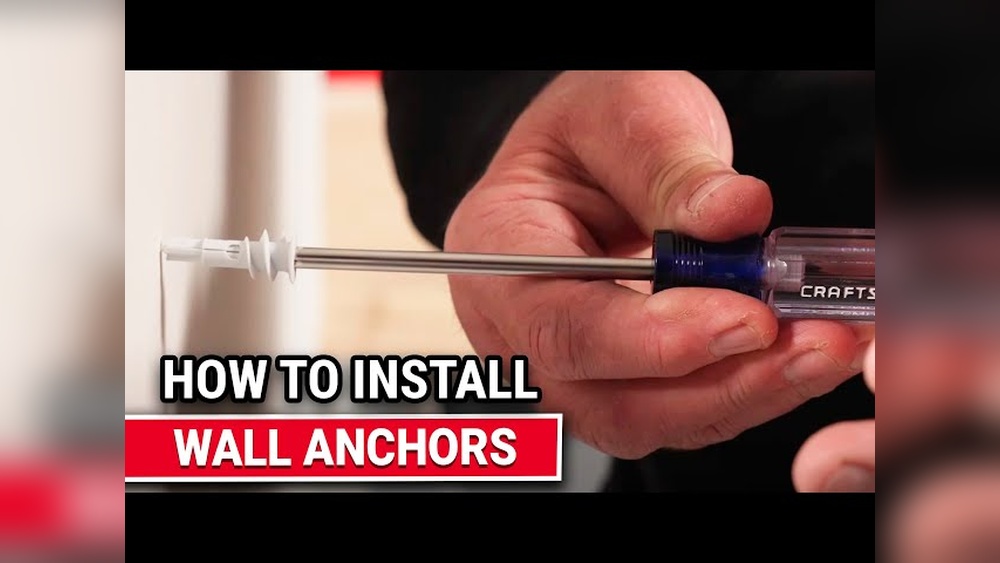
Plastic expansion anchors are common in drywall. They are usually white or beige and made of plastic. These anchors expand as you screw into them, gripping the wall tightly. The tip often flares or splits to create a hold inside the wall.
They are easy to spot because they stick out slightly or may be flush with the wall. When broken, parts of the plastic may remain inside the hole. These anchors do not have metal parts, so removal is simpler.
Molly Bolts
Molly bolts have a metal sleeve that expands behind the wall. The sleeve spreads out to hold heavy objects securely. You can recognize molly bolts by their metal body and screw head. The metal sleeve may stay inside if the anchor breaks.
These bolts require careful removal. The metal sleeve can get stuck or cause wall damage if pulled incorrectly. Knowing you have a molly bolt helps you prepare the right tools.
Toggle Bolts
Toggle bolts use a spring-loaded metal wing. The wings open inside the wall to spread weight over a large area. These anchors are strong and used for heavy items. The metal wings fold to fit through the hole.
Toggle bolts usually have a large screw with a metal toggle. You might see the screw head on the wall surface. The wings stay inside once inserted, making removal tricky. Identifying toggle bolts lets you plan how to pull or push the anchor out carefully.
Gather Necessary Tools
Gathering the right tools makes removing a broken anchor easier and safer. Having everything ready saves time and avoids frustration. Some tools are common in most homes. Others are made for specific jobs like anchor removal. Knowing which tools to use helps you finish the task well.
Common Household Tools
Start with simple tools you may already have. A pair of pliers can grip and pull small anchor pieces. A flathead screwdriver helps pry the anchor from the wall gently. Needle-nose pliers reach into tight spaces. A utility knife can cut around the anchor if needed. A hammer is useful for tapping the anchor loose carefully. These tools suit small or shallow anchors.
Specialized Removal Tools
For stubborn or deep anchors, special tools work best. An anchor removal tool is designed to grab and pull anchors out cleanly. A drill with a small bit can help loosen anchors inside the wall. A hollow wall anchor extractor fits into the anchor and twists it out. These tools reduce damage to the wall. They are helpful for larger or metal anchors.
Prepare The Work Area
Preparing the work area is important before removing a broken anchor from the wall. It helps keep the space clean and safe. Getting ready also protects the wall from damage. Taking time to prepare makes the job easier and faster.
Clear The Surrounding Space
Remove furniture and items near the wall. This gives you room to work freely. Clearing space prevents accidents and damage to belongings. Keep tools close but out of the way. A tidy area helps you focus on the task.
Protect The Wall Surface
Place painter’s tape around the anchor spot. This stops scratches and paint chips. Use a soft cloth or cardboard to shield the wall. Protecting the surface keeps the wall clean and intact. It saves extra repair work later.

Credit: www.reddit.com
Remove Plastic Expansion Anchors
Plastic expansion anchors hold screws tightly inside walls. Removing broken ones can be tricky. These anchors expand inside the wall, making them hard to pull out. Knowing the right methods helps avoid damage to your wall. Two simple ways to remove plastic anchors are prying out and pushing through.
Prying Out Technique
Use a flathead screwdriver or pliers. Place the tool under the edge of the anchor. Gently pry the anchor out by rocking the tool back and forth. Move slowly to avoid wall damage. If the anchor is loose, it will come out easily. For stubborn anchors, try to widen the gap first. This method works well for anchors sticking out.
Pushing Through Method
This method works when the anchor is flush or inside the wall. Use a long nail or screwdriver. Push the anchor deeper into the wall cavity. This frees the hole for new screws or plugs. Make sure to push gently to avoid wall damage. Clean the hole after pushing the anchor through. This method is quick and leaves the wall ready for repair.
Extract Molly Bolts
Extracting molly bolts from a wall can be tricky. These anchors expand behind the wall, holding firmly. Removing them requires patience and the right steps. Follow the methods below to get the bolt out without damaging the wall.
Unscrewing The Bolt
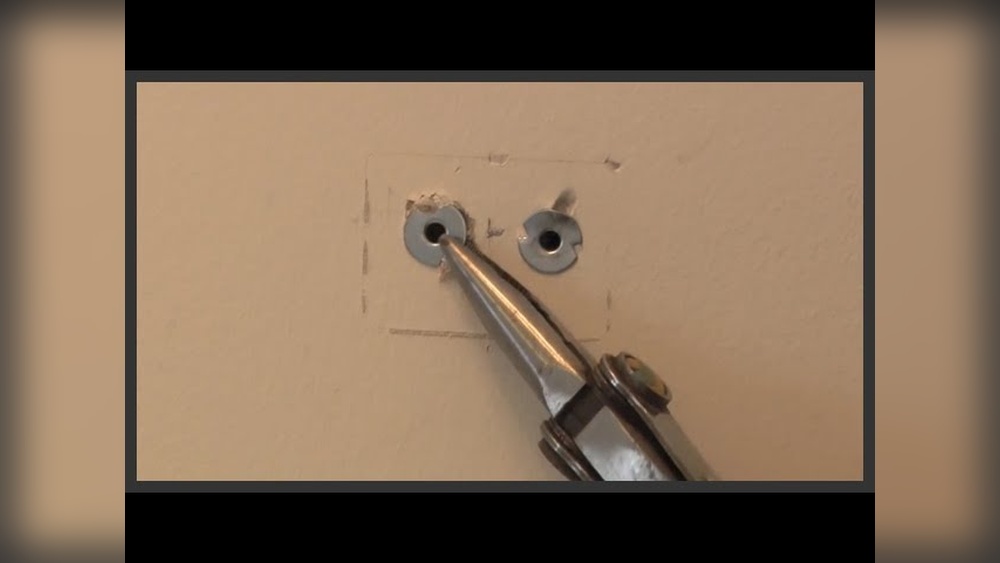
Start by turning the bolt counterclockwise. Use a screwdriver that fits well. Turn slowly to avoid stripping the head. If the bolt moves easily, keep unscrewing it. Sometimes, the bolt comes out with the sleeve. Stop if you feel strong resistance.
Collapsing The Anchor
If the bolt won’t unscrew, try collapsing the anchor. Push the bolt inward slightly. Use pliers to pull the sleeve gently toward you. This action bends the anchor’s legs inward. The anchor becomes loose inside the wall. After that, pull the anchor out carefully. Avoid forcing it to prevent wall damage.
Take Out Toggle Bolts
Removing broken toggle bolts from a wall can be tricky. These anchors expand behind the wall, making them hard to reach. Taking them out requires patience and the right steps. This guide shows how to remove toggle bolts safely and cleanly.
Accessing The Toggle
First, locate the broken toggle bolt inside the wall. Use a flashlight to see the hole clearly. Gently widen the hole if needed, using a utility knife or small drill. Be careful not to damage the wall further. The goal is to reach the toggle without making a big hole.
Pulling The Anchor Out
Try to grab the toggle bolt with needle-nose pliers. Grip firmly but gently. Pull straight out to avoid breaking it inside the wall. If the toggle does not move, try wiggling it slightly. For stubborn bolts, use a wire coat hanger bent into a hook to pull it out. Take your time for a clean removal.
Fixing Wall Damage After Removal
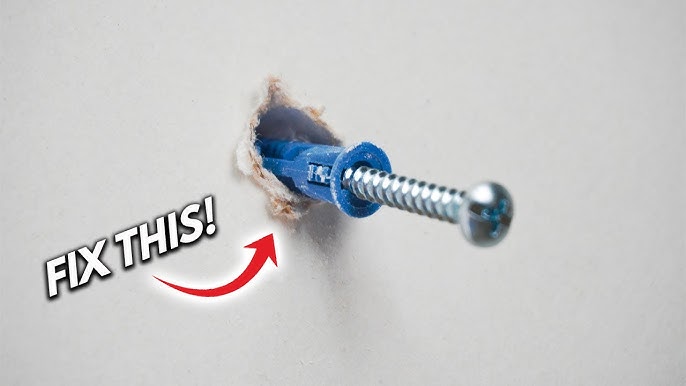
Removing a broken anchor from the wall often leaves holes and rough patches. Fixing these damages restores the wall’s smooth look. It also prepares the surface for a fresh coat of paint. This process makes your wall look neat and new again.
Filling Holes
Start by cleaning out loose debris from the hole. Use a putty knife to apply wall filler or spackle. Press the filler firmly to fill the entire hole. Smooth the surface with the knife to remove excess filler. Let the filler dry completely before moving on. Drying time depends on the product used.
Sanding And Painting
Once dry, gently sand the filled area with fine-grit sandpaper. Sand until the surface is smooth and level with the wall. Wipe away dust with a damp cloth. Choose paint that matches your wall color. Apply paint with a brush or roller in thin layers. Allow the paint to dry between coats for best results.
Credit: www.youtube.com
Preventing Future Anchor Issues
Preventing future anchor problems saves time and effort. Choosing the right anchor and installing it properly stops damage to your walls. These steps help keep your walls strong and your items secure.
Choosing The Right Anchor
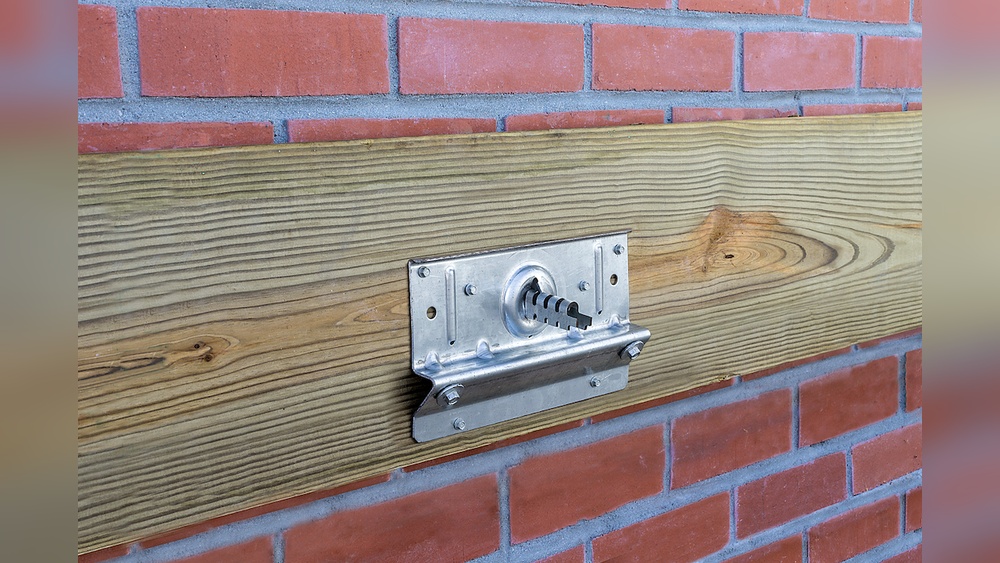
Pick an anchor that fits the wall type. Drywall anchors work well for drywall only. Use masonry anchors for brick or concrete walls. Check the weight limit before buying. Too weak anchors cause breaks and holes. Use metal anchors for heavy items. Plastic anchors suit light decorations. Match the anchor size with the screw size. This avoids loose or tight fits. Proper anchor choice prevents future repairs and damage.
Proper Installation Tips
Drill the correct hole size for the anchor. Too big or small holes weaken the hold. Clean the hole of dust before inserting the anchor. Push or tap the anchor gently into the hole. Avoid forcing it hard to prevent breaks. Use a screwdriver to insert the screw slowly. Tighten the screw just enough to hold the item. Over-tightening can crack the anchor or wall. Follow the manufacturer’s instructions carefully. Proper installation keeps your walls safe and your items steady.

Credit: www.reddit.com
Frequently Asked Questions
How Can I Safely Remove A Broken Anchor From The Wall?
Use pliers to grip the exposed part and gently twist it out. If it’s flush, drill around the anchor carefully to loosen it without damaging the wall.
What Tools Do I Need To Extract A Broken Wall Anchor?
You’ll need needle-nose pliers, a drill, a screwdriver, and possibly a utility knife. These tools help you grip, loosen, and remove the anchor safely.
Can I Repair The Wall After Removing A Broken Anchor?
Yes, patch the hole with spackle or wall filler. Sand it smooth, then repaint for a clean finish that hides any damage.
Why Did My Wall Anchor Break Inside The Wall?
Anchors break due to over-tightening, poor quality, or wall material weakness. Using the correct anchor size and type can prevent this issue.
Conclusion
Removing a broken anchor from the wall can be simple with the right steps. Take your time and follow the methods carefully. Use basic tools you already have at home. Avoid damaging the wall to save repair work later. Patience helps you get the anchor out cleanly.
Now, you can hang items safely again. Try these tips next time you face this problem. Small fixes like this improve your home quickly and easily.