Are you tired of fumbling in the dark or reaching for a lamp to control your lighting? Adding a light switch to your existing light can make your space more convenient and safer.
But if you’ve never done electrical work before, the idea might seem overwhelming. Don’t worry—this guide will walk you through each step in a simple, clear way. By the end, you’ll have the confidence to upgrade your home lighting yourself, saving time and money.
Ready to brighten up your room with just a few easy moves? Let’s get started!
Tools And Materials Needed
Adding a light switch to an existing light requires specific tools and materials. Having the right items makes the job easier and safer. This list covers everything needed for a smooth installation.
Basic Tools
A screwdriver set is essential for loosening and tightening screws. A wire stripper helps remove insulation from wires without damage. A voltage tester checks if wires are live to avoid shocks. Pliers assist in bending and holding wires firmly.
Electrical Materials
Use a new light switch suitable for your lighting setup. Electrical wires, usually 14/2 or 12/2 gauge, connect the switch to the light. Wire connectors, or wire nuts, secure wire connections safely. An electrical box holds the switch and protects wires inside the wall.
Safety Gear
Wear insulated gloves to protect hands from electric shocks. Safety glasses shield eyes from debris or sparks. A dust mask prevents inhaling dust when cutting into walls or ceilings.
Safety Precautions
Safety comes first when adding a light switch to an existing light. Electricity can be dangerous if you do not take proper care. Follow these safety steps to avoid accidents and injuries. Keep tools and workspace organized. Stay calm and focused during the work.
Turn Off Power At The Circuit Breaker
Always switch off the power at the circuit breaker before starting. Do not rely on the wall switch to cut power. Use a voltage tester to confirm no electricity flows to the wires. This step prevents electric shocks and accidents.
Use Proper Tools And Equipment
Select insulated tools made for electrical work. Avoid using tools with damaged handles or blades. Wear rubber-soled shoes for extra protection. Use a sturdy ladder to reach high places safely. Proper tools reduce the risk of injury.
Wear Safety Gear
Wear safety glasses to protect your eyes from sparks and debris. Use gloves designed for electrical work. Avoid loose clothing or jewelry that can catch on wires or tools. Safety gear shields you during electrical tasks.
Check For Damaged Wires
Inspect all wires before connecting the switch. Look for cracks, frays, or exposed metal. Replace any damaged wires immediately. Damaged wires can cause short circuits or fires.
Keep The Work Area Dry
Never work on electrical parts in wet or damp areas. Water conducts electricity and increases shock risk. Make sure your hands are dry before handling wires. Keep the floor free of water spills.
Locate The Power Source
Locating the power source is the first step to add a light switch to an existing light. Without knowing where the power comes from, you cannot connect the switch safely or correctly. This step helps you understand the wiring and avoid any electrical hazards.
Power sources usually come from the circuit breaker or a junction box. Identifying the correct source ensures the new switch controls the light as intended. It also helps in turning off the power to avoid shocks while working.
Check The Circuit Breaker Panel
Open your home’s circuit breaker panel. Look for the breaker that controls the light fixture you want to switch. Turn off this breaker to stop electricity flow. Use a voltage tester to confirm no power is present before starting any work.
Inspect The Existing Light Fixture
Remove the light fixture cover carefully. Look inside for wires and connections. Identify the live wire supplying power to the light. This wire will connect to the new switch to control the light.
Locate The Junction Box
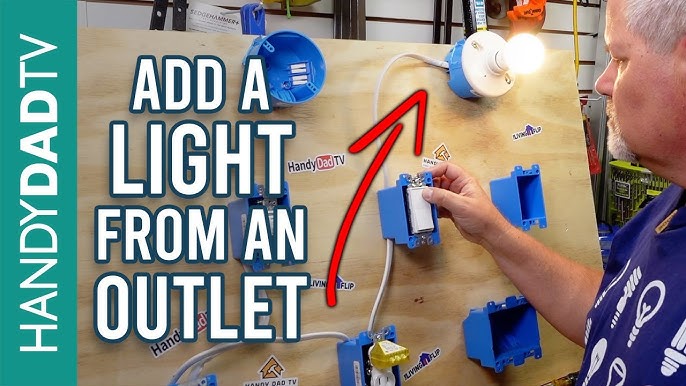
Find the junction box where wires meet. It often contains power lines feeding the light fixture. This box allows you to tap into the power source safely. Make sure to turn off power before opening the junction box.
Credit: www.youtube.com
Turn Off The Electricity
Turning off the electricity is the first step when adding a light switch. This step keeps you safe from electric shocks. It also protects your home wiring and devices from damage.
Always treat electrical work with care. Never skip this safety step. It only takes a minute but prevents accidents.
Locate Your Home’s Circuit Breaker
Find the main circuit breaker box in your home. It is usually in the basement, garage, or utility room. The box contains switches that control electricity flow.
Identify The Correct Breaker
Look for the breaker that controls the room’s lights you will work on. The breakers usually have labels, such as “Living Room” or “Kitchen.”
Switch Off The Breaker
Flip the breaker switch to the “off” position. This stops electricity from reaching the light fixture and wires. Double-check by turning on the light switch. It should not light up.
Use A Voltage Tester
Test the wires with a voltage tester. This tool confirms no electricity flows in the wires. Touch the tester tips to the wires’ ends. The tester should show no voltage.
Remove Existing Fixtures
Removing existing fixtures is the first step to adding a new light switch. It clears the space and exposes the wiring. This step makes the installation safer and easier. Safety is key. Always turn off the power before starting.
Turn Off Power At The Circuit Breaker
Locate your home’s circuit breaker panel. Flip the switch to cut power to the fixture. Use a tester to confirm no electricity flows to the wires. This prevents shocks during removal.
Remove The Light Bulbs And Shades
Take out all bulbs carefully. Remove any glass or plastic shades. This gives clear access to the fixture base and screws. Keep the bulbs and shades safe for reuse.
Unscrew The Fixture From The Ceiling Or Wall
Find the screws holding the fixture in place. Use a screwdriver to remove them. Hold the fixture with one hand to stop it from falling. Gently pull the fixture away from the surface.
Disconnect The Wiring Safely
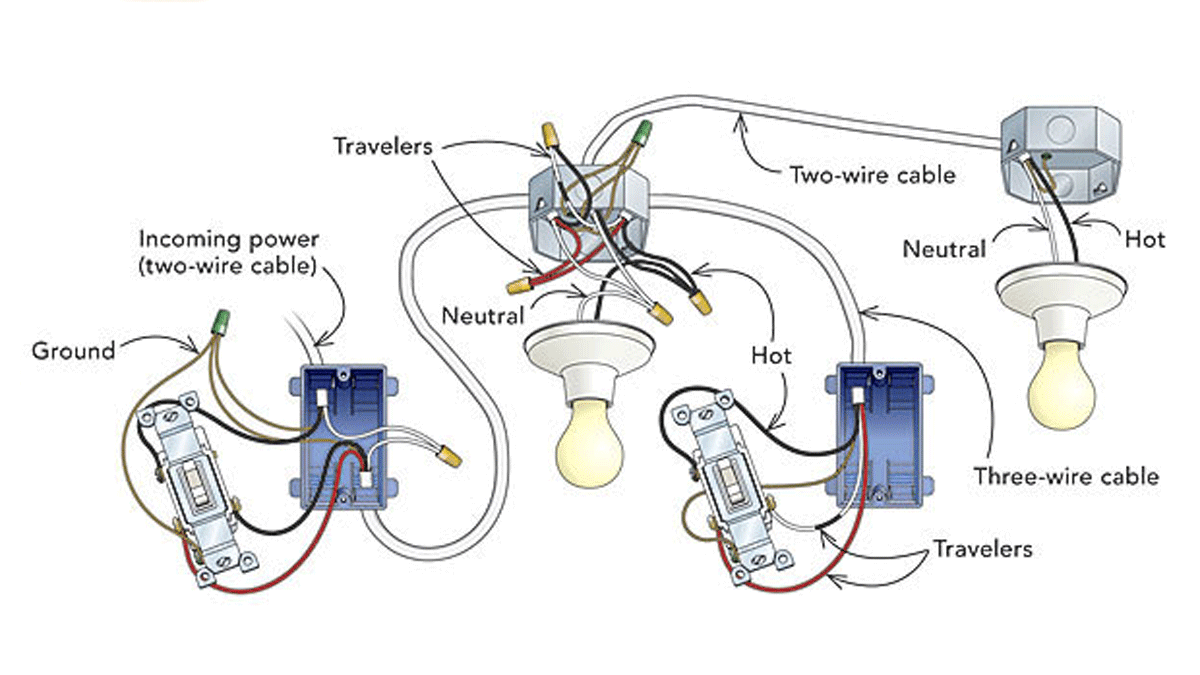
Identify the wires connected to the fixture. Unscrew the wire nuts or connectors. Separate the fixture wires from the house wires. Cap the exposed wires with wire nuts for safety.
Credit: www.finehomebuilding.com
Run Electrical Wiring
Running electrical wiring is a key step to add a new light switch. It connects the power source to the switch and light fixture. Proper wiring ensures safety and functionality. Follow clear steps to make the process smooth and safe.
Choose Wire Type And Length
Select the right wire type for your home’s electrical system. Most residential wiring uses NM cable, also called Romex. Typically, 14/2 wire is for 15-amp circuits, and 12/2 wire fits 20-amp circuits. Check the breaker size before choosing wire.
Measure the distance between the power source, switch, and light fixture. Add extra length to allow room for connections and bends. Always buy a little more wire than needed for flexibility.
Route Wires To Switch Location
Plan the wire path from the power source to the switch box. Avoid sharp bends or tight spaces that can damage wires. Use a fish tape to pull wires through walls or conduits.
Secure wires with staples or clips, keeping them neat and tight. Make sure wires do not touch any sharp edges or hot surfaces. Leave enough wire length inside boxes for easy connections.
Install The Light Switch
Installing a light switch is an important step to control your light easily. This process involves connecting the wires and securing the switch in place. It is not difficult if you follow the steps carefully. Always make sure the power is off before you start.
Connect Wires To Switch Terminals
Start by identifying the wires: usually black (hot), white (neutral), and green or bare (ground). Attach the black wire to the brass terminal on the switch. Connect the white wire to the silver terminal if your switch requires it, or cap it if not. Secure the green or bare wire to the green grounding screw. Tighten all screws firmly to avoid loose connections. Double-check that no wires touch each other or the metal box.
Mount The Switch
Push the connected wires gently back into the electrical box. Align the switch with the box holes. Use screws to fix the switch tightly. Make sure it sits flush with the wall surface. Attach the switch cover plate last. Turn the power back on and test the switch for proper function.
Connect The Light Fixture
Connecting the light fixture is a key step in adding a light switch to an existing light. This part ensures the light turns on and off correctly. Proper wiring and secure connections keep the fixture safe and working well.
Follow clear steps to attach the fixture wires to the house wiring. Check that power is off before starting. Use a voltage tester to be sure. Safety first.
Identify The Fixture Wires
Look at the wires coming from the light fixture. Usually, there are three: black, white, and green or bare copper. Black is the hot wire. White is neutral. Green or bare copper is ground. Match these with the house wires.
Connect The Hot Wire
Attach the black wire from the fixture to the black wire in the ceiling box. Twist the ends together tightly. Use a wire nut to secure the connection. This wire carries electricity to the light.
Connect The Neutral Wire
Join the white wire from the fixture to the white wire in the ceiling box. Twist them and secure with a wire nut. The neutral wire completes the electrical circuit for the light.
Attach The Ground Wire
Connect the green or bare copper wire from the fixture to the ground wire in the ceiling box. This wire prevents electrical shocks. Secure it with a wire nut or grounding screw.
Secure The Fixture To The Ceiling
Once wiring is complete, push wires gently into the ceiling box. Attach the fixture base to the mounting bracket. Use screws and tighten firmly. The fixture should sit flush and stable.
Test The Switch
Testing the switch is a crucial step after installing it. This ensures the switch works safely and controls the light properly. Never skip this part. A simple test can prevent electrical problems or damage.
Turn On The Power
First, restore power to the circuit by turning the breaker back on. Check the power switch is in the off position before you do this. Safety first. Electricity should flow only when the switch is ready to be tested.
Flip The Switch
Flip the new switch up and down. Observe if the light turns on and off as expected. The switch should feel firm, not loose or stiff. If the light does not respond, double-check your wiring connections.
Check For Flickering Or Sparks
Look for any flickering in the light. Flickering can mean loose wiring or a bad connection. Also, watch for sparks or unusual smells near the switch. These signs indicate a problem that needs fixing immediately.
Use A Voltage Tester
Use a voltage tester to confirm power flows through the switch. This tool helps verify the switch is working safely. Touch the tester to the switch terminals carefully. The tester should light up or beep to show power.

Credit: diy.stackexchange.com
Troubleshooting Tips
Troubleshooting is key when adding a light switch to an existing light. Small mistakes can stop the switch from working. Checking common problems saves time and effort. This section covers easy tips to fix issues quickly.
Check The Power Supply
Start by ensuring the power is off before working. Use a voltage tester to confirm no current flows. If the light or switch does not turn on, check the circuit breaker. Sometimes breakers trip without clear signs.
Verify Wire Connections
Loose or wrong wire connections cause most problems. Make sure wires match the switch terminals. Tighten screws on the switch to hold wires firmly. Look for damaged or frayed wires and replace them.
The switch itself might be faulty. Use a multimeter to test for continuity. Flip the switch on and off to see if it works inside. Replace the switch if the test shows no continuity.
Inspect The Light Fixture
Problems can come from the light fixture, not the switch. Check the bulb and socket for damage. Replace the bulb with a new one to rule out failure. Clean the socket contacts if dirty or corroded.
Confirm Proper Wiring Setup
Follow the wiring diagram exactly for your switch type. Common errors include mixing line and load wires. Use wire labels to keep track of each wire’s role. Correct wiring ensures the switch controls the light properly.
Look For Grounding Issues
Grounding keeps the circuit safe and stable. Check the ground wire is attached to the switch and box. A missing ground can cause the switch to malfunction or create hazards. Use a tester to verify proper grounding.
Frequently Asked Questions
How Do I Safely Add A Switch To An Existing Light?
Turn off the power at the breaker before starting. Use a voltage tester to confirm no electricity flows. Follow wiring codes and connect the switch in series with the light fixture. If unsure, hire a licensed electrician for safety.
What Tools Are Needed To Install A Light Switch?
You’ll need a voltage tester, wire strippers, screwdriver, electrical tape, and a wire connector. These tools help you safely cut, strip, and connect wires. Having the right tools ensures a smooth and secure installation process.
Can I Add A Switch Without Rewiring The Entire Circuit?
Yes, you can tap into the existing wiring. Locate the light fixture’s power source and run wires to the new switch. This method avoids rewiring the whole circuit but must comply with electrical codes for safety.
How Do I Choose The Right Switch Type For My Light?
Select a switch that matches your light’s voltage and load. Common types include single-pole, three-way, and dimmer switches. The right choice depends on your lighting setup and control preferences.
Conclusion
Adding a light switch to an existing light can be simple and quick. Follow safety steps and use the right tools. Take your time to connect wires carefully. Test the switch before finishing the job. This small change can make your space more convenient and safe.
With patience, anyone can do this task well. Give it a try and enjoy better control of your lighting.