Are you struggling to hang something on your drywall or hollow walls without it falling down? Hollow wall anchors might be the simple solution you need.
But how do you install them correctly so they hold tight and keep your items secure? You’ll discover easy, step-by-step instructions that anyone can follow. By the end, you’ll feel confident tackling your next project and finally get those shelves, pictures, or fixtures firmly in place.
Keep reading to learn the secrets to a strong, reliable hold every time.

Credit: www.youtube.com
Types Of Hollow Wall Anchors
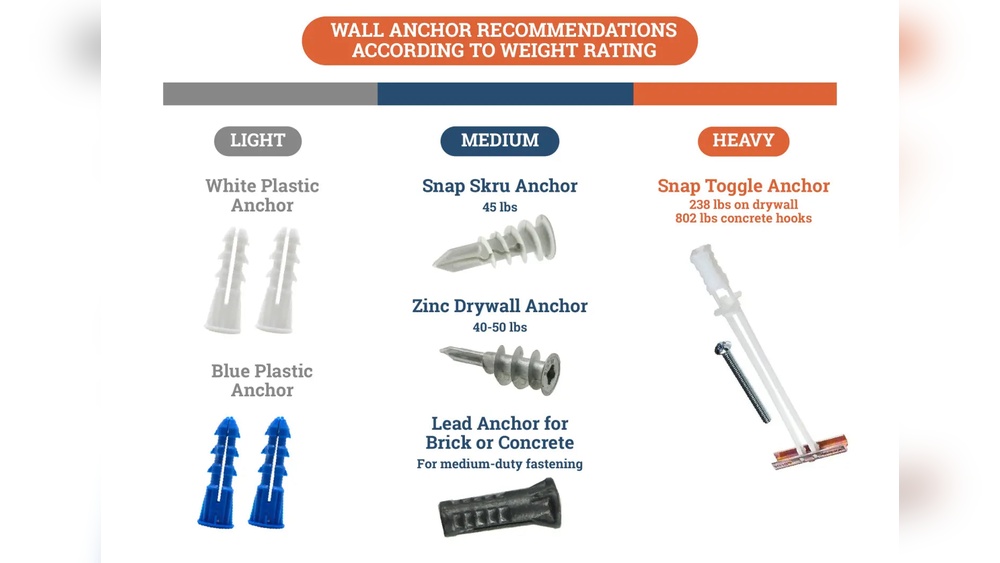
Hollow wall anchors secure items to walls without solid backing. They work in drywall, plaster, and hollow block walls. Different types suit different weights and wall materials. Choose the right anchor for a strong, lasting hold.
Plastic Expansion Anchors
Plastic expansion anchors fit small to medium loads. Insert the anchor into a drilled hole. When you screw in, it expands to grip the wall. These anchors are affordable and easy to use.
Toggle Bolts
Toggle bolts have spring-loaded wings that open inside the wall. They spread the load over a wide area. Great for heavy items on hollow walls. Requires a larger hole for installation.
Molly Bolts
Molly bolts expand behind the wall when tightened. They form a strong, permanent hold. Ideal for medium to heavy objects. Installation needs a pre-drilled hole and careful tightening.
Self-drilling Anchors
Self-drilling anchors screw directly into drywall without pre-drilling. They save time and effort. Suitable for light to medium loads. Easy to remove and reuse with less wall damage.
Tools And Materials Needed
Installing hollow wall anchors needs a few simple tools and materials. Having the right tools makes the job easier and safer. It also helps you get strong and lasting results. Gather these items before you start your project.
Drill And Drill Bits
A drill is essential to make holes in the wall. Use the right drill bit size for the anchor. Too big or small holes can weaken the anchor hold. Choose a drill bit that matches the anchor diameter exactly.
Screwdriver
You need a screwdriver to tighten the screws into the anchors. Match the screwdriver type to the screw head, such as flathead or Phillips. A good fit prevents stripping the screw and damaging the anchor.
Measuring Tape
Measure carefully where to place the anchors. Use a measuring tape to mark the exact spot on the wall. Proper measurement ensures even spacing and correct positioning of your items.
Hammer
A hammer helps gently tap anchors into the wall hole. Tap lightly to avoid breaking the anchor or wall surface. Use the hammer only after drilling and cleaning the hole.
Level
A level ensures your anchors are straight and aligned. Check the level after marking the spots and after installing anchors. Straight anchors keep shelves and fixtures balanced and secure.
Preparing The Wall
Preparing the wall is the first step to install hollow wall anchors correctly. A well-prepared wall ensures the anchors hold firmly and safely. Taking time to prepare helps avoid mistakes and damage to the wall.
Selecting The Right Location
Choose a spot that can support the weight of what you want to hang. Avoid weak or damaged areas. Pick a place on a flat surface for better anchor grip. Make sure the location fits the item’s size and purpose.
Marking Drill Points
Use a pencil to mark exact points where you will drill holes. Measure carefully to keep marks straight and even. Accurate marks help in drilling clean holes. Mark each hole clearly before starting work.
Checking For Obstacles
Look for wires, pipes, or studs behind the wall. Use a stud finder or similar tool to check. Avoid drilling into obstacles to prevent damage or injury. Double-check the area before drilling holes.
Drilling The Hole
Drilling the hole is the first step to install hollow wall anchors properly. It creates the right space for the anchor to fit securely. Doing this step carefully ensures a strong hold for the item you want to hang. Follow the right method to avoid damaging the wall or making the hole too big or small.
Choosing The Correct Drill Bit Size
Select a drill bit that matches the anchor size exactly. The hole should be just big enough for the anchor to fit snugly. Using a bit too large will make the anchor loose. Too small, and the anchor won’t fit or may break. Check the anchor package for the recommended drill bit size.
Drilling At The Right Angle
Hold the drill perpendicular to the wall surface. Drilling straight ensures the anchor goes in evenly. Angled holes can cause the anchor to slip or not hold well. Keep your hand steady and drill slowly at first. This control helps prevent mistakes and wall damage.
Cleaning Out Debris
Remove dust and small pieces from the hole after drilling. Use a brush or blow air into the hole. Clean holes help the anchor stick better. Dust can stop the anchor from gripping the wall firmly. A clean hole makes installation easier and stronger.
Installing The Anchor
Installing the anchor is a key step in hanging items on hollow walls. The right technique ensures a strong hold and prevents damage. Different anchors require different methods for proper installation. Below are clear steps for common types of hollow wall anchors.
Inserting Plastic Expansion Anchors
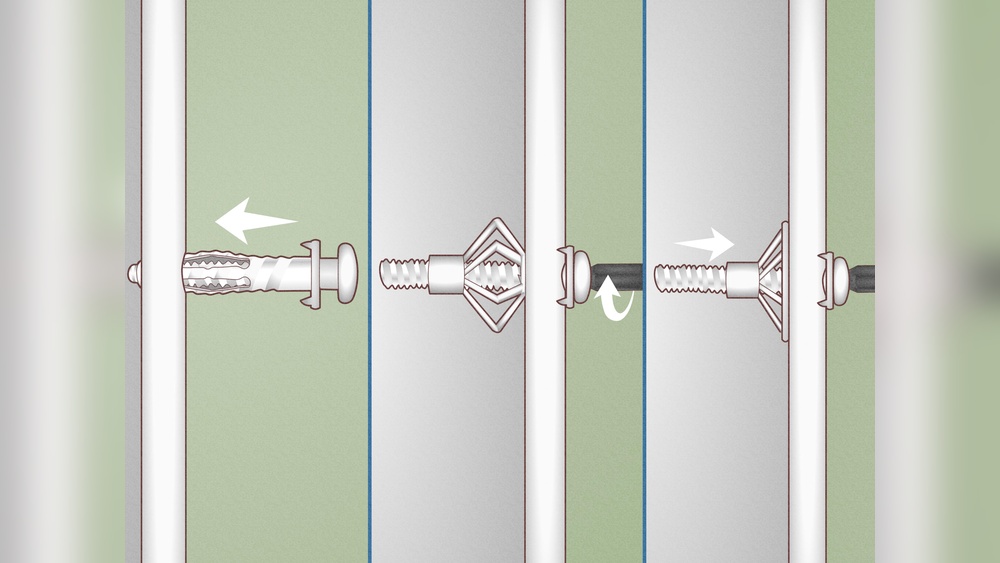
First, drill a hole slightly smaller than the anchor. Tap the plastic anchor gently into the hole. Push it until it sits flush with the wall. Next, insert the screw into the anchor. Tighten slowly to expand the anchor inside the wall. This creates a firm grip and holds the screw in place.
Positioning Toggle Bolts
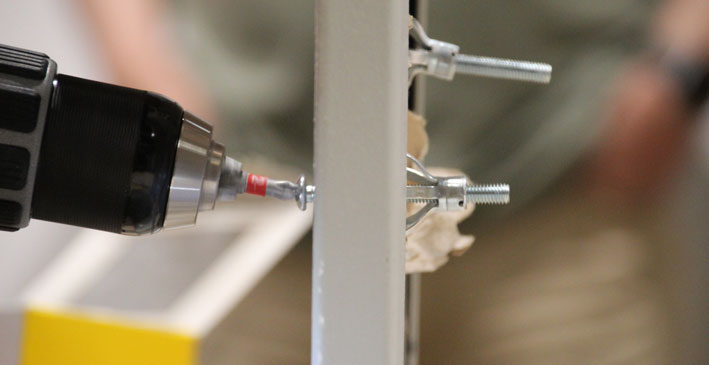
Drill a hole large enough for the toggle to pass through. Thread the bolt through the item to hang. Screw the toggle onto the bolt, folding the wings flat. Push the toggle through the hole until it opens inside the wall. Pull back gently to position the toggle. Tighten the bolt slowly to secure the anchor.
Setting Molly Bolts
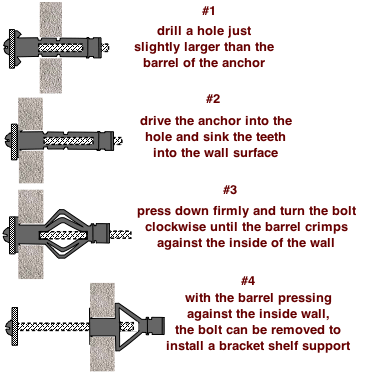
Drill a hole matching the molly bolt size. Insert the molly bolt into the hole. Tap it lightly until it is flush with the wall. Tighten the screw slowly to expand the sleeve behind the wall. The molly bolt grips the wall firmly. Remove the screw, hang your item, and reinsert the screw.
Using Self-drilling Anchors
Place the tip of the anchor against the wall. Turn it clockwise to screw it in directly. Apply steady pressure while turning. The anchor cuts its own hole and anchors itself. Stop when the flange sits flush with the wall. Insert the screw and tighten it securely.
Securing The Fixture
Securing the fixture is a crucial step in installing hollow wall anchors. It ensures the item stays firmly in place. Proper attachment prevents damage and keeps things safe.
Aligning The Fixture
Start by placing the fixture over the anchor hole. Make sure it sits evenly against the wall. Check the position before inserting screws. Proper alignment avoids stress on the anchor and wall.
Tightening Screws Properly
Use a screwdriver to turn the screws slowly. Tighten until the fixture feels secure but do not overtighten. Over-tightening can damage the anchor or wall. Stop when there is firm resistance.
Checking Stability
Gently wiggle the fixture to test its hold. It should not move or feel loose. If it shifts, loosen screws and realign the fixture. Tighten screws again and check stability once more.
Common Mistakes To Avoid
Installing hollow wall anchors seems simple but has common pitfalls. Avoiding these mistakes saves time and prevents damage. Knowing what to watch for makes your project stronger and safer.
Wrong Anchor Type
Not every anchor fits every wall type. Using a plastic anchor on drywall may fail under weight. Choose anchors made for hollow walls, like toggle or molly bolts. Picking the wrong type leads to poor support and wall damage.
Oversized Or Undersized Holes
Drilling the hole too large or too small causes issues. A big hole lets the anchor slip or fall out. A small hole makes it hard to insert the anchor fully. Measure carefully and use the right drill bit size for a tight fit.
Overtightening Screws
Turning screws too hard can strip the anchor or damage the wall. Tighten screws just enough to hold the object firmly. Stop as soon as you feel resistance. Over-tightening weakens the anchor’s grip and risks wall cracks.
Credit: www.celofixings.com
Tips For Long-lasting Fixing
Ensuring a long-lasting fixing with hollow wall anchors requires careful attention. Small steps can make a big difference in the strength and durability of your installation. Follow these tips to keep your anchors secure and reliable over time.
Using Suitable Anchors For Weight
Choose anchors that match the weight of the item you want to hang. Light objects need light anchors, heavy items need heavy-duty anchors. Using the right anchor prevents damage and keeps the fixing strong. Check the weight limit on the anchor packaging before installation.
Regular Inspections
Check your anchors regularly for signs of wear or looseness. Look for cracks, movement, or any changes around the fixing point. Early detection helps avoid bigger problems later. Tighten or replace anchors as needed to maintain a secure hold.
Repairing Loose Anchors
If an anchor becomes loose, fix it promptly to avoid damage. Remove the anchor and fill the hole with suitable filler or a wall repair compound. Let it dry completely before installing a new anchor. This restores the wall’s strength and ensures a solid hold.
Credit: www.do-it-yourself-help.com
Frequently Asked Questions
What Tools Are Needed To Install Hollow Wall Anchors?
You need a drill, drill bit, screwdriver, and hollow wall anchors. A measuring tape helps ensure correct placement. Using the right tools makes installation easier and secure.
How Do You Prepare The Wall For Hollow Wall Anchors?
Mark the spot, then drill a hole matching the anchor size. Clean debris from the hole before inserting the anchor. Proper preparation ensures a strong hold for your fixture.
Can Hollow Wall Anchors Support Heavy Items?
Hollow wall anchors support moderate weights, typically up to 50 pounds. For heavier items, consider toggle bolts or molly bolts. Choose anchors based on the wall type and item weight.
How Deep Should I Drill For Hollow Wall Anchors?
Drill a hole slightly longer than the anchor length. This allows the anchor to fit flush inside the wall. Correct depth ensures proper expansion and a secure grip.
Conclusion
Installing hollow wall anchors is easier than it seems. Start with the right tools and follow steps carefully. Drill a hole, insert the anchor, and tighten the screw. This method holds items securely on hollow walls. Practice makes perfect, so take your time.
Use anchors suitable for the weight you hang. With patience, you can hang shelves, pictures, or hooks safely. Trust the process, and your walls will hold strong. Simple steps lead to strong results every time.