Are you struggling to hang shelves, pictures, or heavy items on your walls without worrying they might fall? Choosing the right wall anchors can make all the difference between a secure hold and a frustrating disaster.
But with so many types available, how do you know which one fits your needs? In this guide, you’ll discover simple tips to pick the perfect wall anchor every time. Keep reading, and you’ll gain the confidence to tackle your next project like a pro.

Credit: www.picturehangsolutions.com
Types Of Wall Anchors
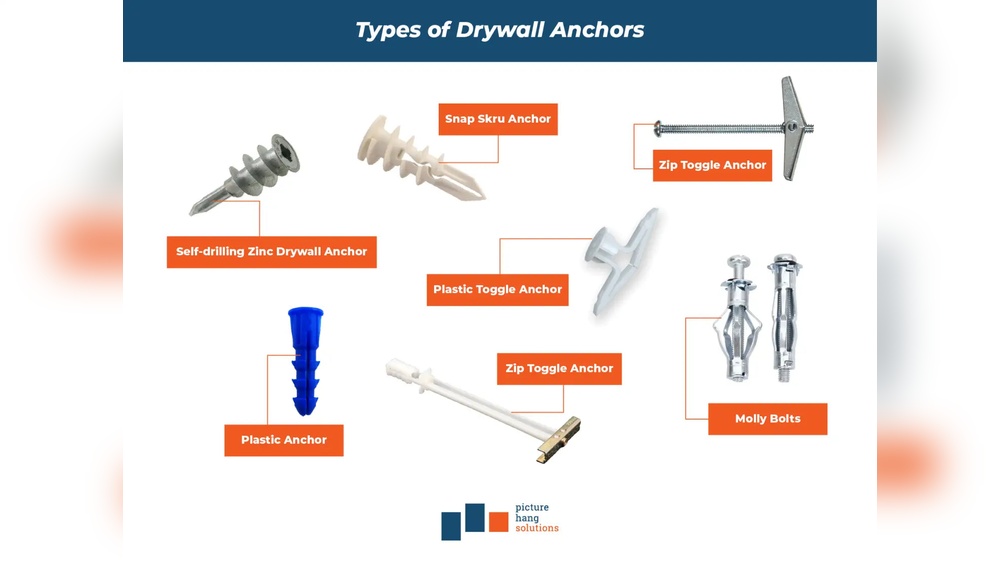
Wall anchors come in various types, each designed for different wall materials and weights. Choosing the right anchor helps secure items safely. Knowing the main types makes selection easier. Here are the common types of wall anchors you should know.
Plastic Expansion Anchors
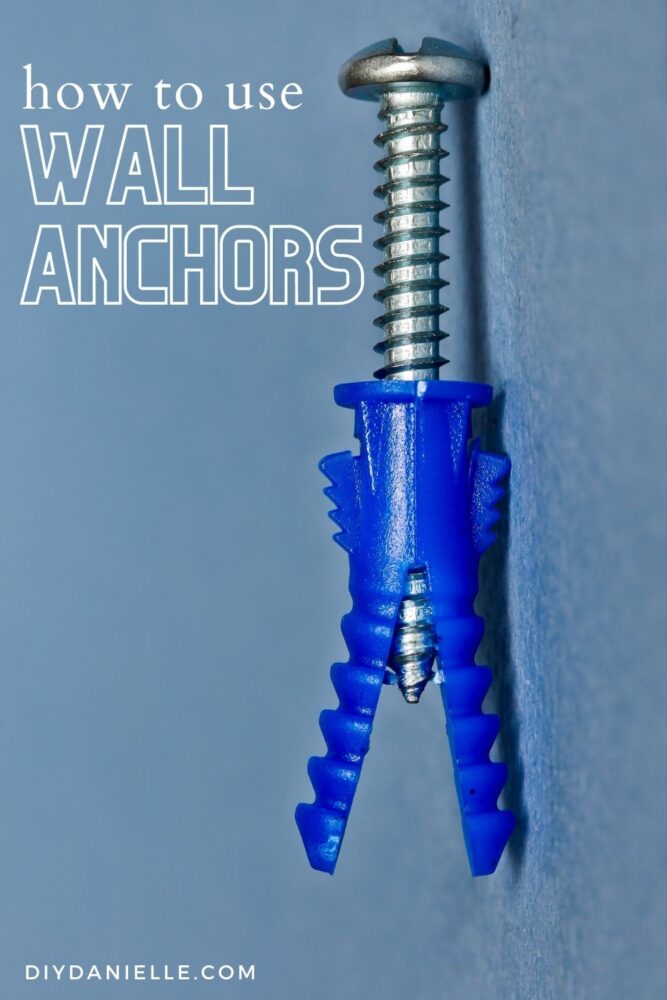
Plastic expansion anchors are the most common type. They work well in drywall and light materials. Insert the anchor into a drilled hole, then screw in the fastener. The anchor expands and grips the wall tightly. Use these for light to medium weight items.
Toggle Bolts
Toggle bolts have spring-loaded wings that open behind the wall. They provide strong support for heavy items. Drill a hole large enough for the folded wings. Insert the bolt, then tighten to secure the wings. Ideal for hollow walls and ceilings.
Molly Bolts
Molly bolts have a metal sleeve that expands inside the wall. They offer a strong hold in drywall and plaster. Insert the bolt, then tighten to expand the sleeve. Great for medium to heavy loads on hollow walls.
Self-drilling Anchors
Self-drilling anchors screw directly into drywall without pre-drilling. They save time and provide a secure hold. Made of metal or plastic, they work for light to medium loads. Best for quick installations on drywall surfaces.
Materials And Wall Types
Choosing the right wall anchors depends on the material and type of your wall. Different walls need different anchors for strong support. Understanding your wall’s material helps pick the best option. This section explains common wall types and the right anchors for each.
Drywall Considerations
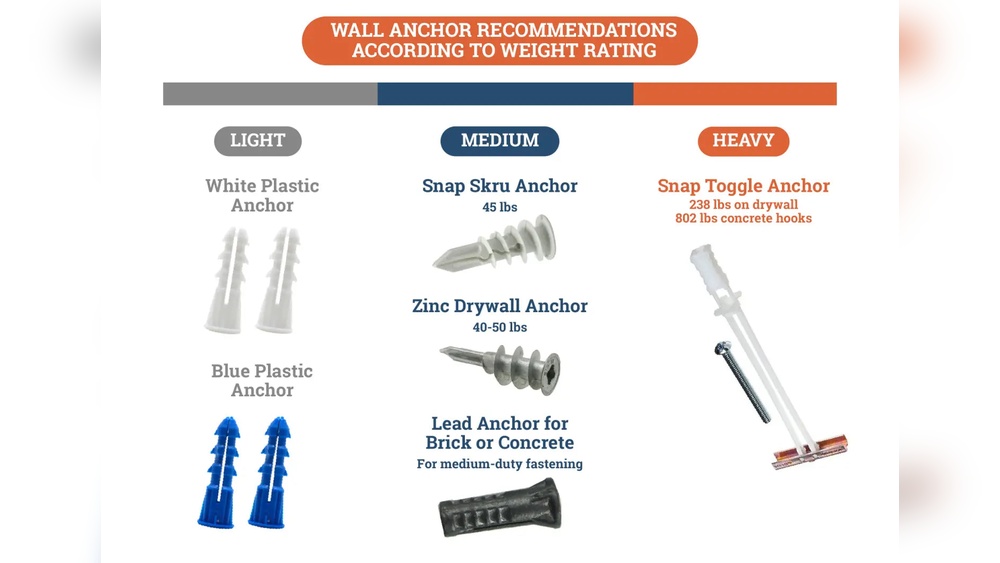
Drywall is soft and easy to damage. Simple plastic anchors work for light items. For heavier objects, use metal anchors or toggle bolts. These spread weight and prevent holes from growing. Avoid nails or screws alone; they often pull out.
Concrete And Masonry Walls
Concrete and masonry are hard and dense. Use anchors made for solid walls like sleeve anchors or wedge anchors. Drill a hole with a masonry bit first. These anchors grip tightly and hold heavy loads well. Do not use drywall anchors here.
Plaster Walls
Plaster walls are brittle and may crack. Use anchors that spread weight widely. Toggle bolts are a good choice. They hold well without breaking the plaster. Avoid heavy loads on plaster unless you find a stud.
Wooden Surfaces
Wood walls are strong and hold screws well. Often, you do not need anchors. Screws can go directly into wood. For thin wood, use wall anchors designed for wood. They add grip and prevent splitting.
Weight Capacity And Load Requirements
Choosing the right wall anchors depends on understanding weight capacity and load requirements. This ensures the anchor supports your item safely. Using the wrong anchor can cause damage or accidents. Knowing how much weight the anchor must hold is the first step. Then, select an anchor designed for that load. This section explains how to assess weight and pick anchors by load rating. It also covers safety margins for heavy items.
Assessing Item Weight
Start by finding the exact weight of the item. Use a scale or check product details. Remember to include any extra weight, like shelves or decorations. Knowing the total weight helps choose the correct anchor. It prevents choosing one that may fail under pressure.
Choosing Anchors By Load Rating
Wall anchors come with load ratings. These ratings show the maximum weight the anchor can hold. Select an anchor with a load rating higher than your item’s weight. This ensures the anchor handles the stress without breaking. Check packaging or product descriptions for load limits.
Safety Margins For Heavy Loads
Add a safety margin for heavy or valuable items. Use anchors rated at least 25% to 50% above the item’s weight. This margin protects against unexpected forces or weight shifts. It also accounts for wear over time. Safety margins make installations more secure and long-lasting.

Credit: www.ceres-tools.com
Installation Tips For Secure Mounting
Installing wall anchors correctly is key to a strong hold. This section shares simple tips to secure your mounts. Follow these steps for safe and stable installation.
Proper Drilling Techniques
Choose the right drill bit size for your anchor. Drill slowly to avoid wall damage. Keep the hole straight and clean. Remove dust to help the anchor fit tightly.
Anchor Placement Strategies
Place anchors where the wall is strongest. Avoid areas near edges or cracks. Space anchors evenly to spread the load. Use a level to keep mounts straight.
Avoiding Common Mistakes
Do not oversize the hole; anchors will slip. Avoid forcing anchors into tight holes. Skip using anchors in weak or damp walls. Check weight limits to prevent failures.
Tools Needed For Anchor Installation
Choosing the right wall anchors is only part of the task. Having the proper tools makes the installation easier and safer. Using the correct tools also ensures the anchors hold firmly and last longer.
Many tools help with anchor installation. Some are for drilling holes, some for fastening, and others for measuring and marking. Knowing which tools to use helps avoid mistakes and saves time.
Drills And Drill Bits
A drill makes holes in walls for anchors. Pick a drill with adjustable speed for better control. Use the right drill bit size that matches the anchor diameter. For example, plastic anchors need smaller bits than metal ones. A sharp drill bit cuts clean holes and prevents wall damage.
Screwdrivers And Wrenches
Screwdrivers drive screws into anchors. Use the correct type: flathead or Phillips. A loose fit can strip screws or damage anchors. Wrenches tighten bolts for heavy-duty anchors. Choose a wrench that fits the bolt size to avoid slipping. Both tools help secure anchors tightly.
Measuring And Marking Tools
Measuring tools like tape measures ensure accurate hole placement. Mark spots clearly with a pencil or marker before drilling. A level helps keep anchors straight and aligned. Marking and measuring prevent errors and keep the project neat.
Signs Of Anchor Failure
Wall anchors hold objects firmly on walls. Knowing signs of anchor failure helps avoid accidents. Watch for small problems early. Fixing them keeps your fixtures safe and secure.
Wall Damage Indicators
Cracks or holes around the anchor show damage. Paint may peel or bubble near the spot. The wall may feel soft or crumbly when pressed. These signs mean the anchor is losing grip.
Loose Fixtures
Fixtures that wobble or tilt suggest anchor failure. Screws may spin without tightening. Objects can slide down or fall off easily. Loose fixtures need immediate attention to avoid falls.
When To Replace Anchors
Replace anchors if you see wall damage or loose fixtures. Any movement of the anchor is a warning sign. Old anchors can weaken over time. Changing anchors keeps your wall and objects safe.
Special Considerations
Choosing the right wall anchors needs careful thought about the surface and conditions. Some walls need special types of anchors for safety and durability. Understanding these special cases helps you pick the best anchor for your project. Below are key points to consider for different wall types and uses.
Mounting On Hollow Walls
Hollow walls like drywall or plasterboard cannot hold heavy weight on their own. You need anchors that spread the load over a larger area. Toggle bolts and molly bolts work well here. They open up behind the wall to create a strong grip. Avoid using regular plastic anchors as they may fail easily.
Outdoor And Moisture-prone Areas
Moisture damages many anchors by causing rust or swelling. Choose anchors made from stainless steel or plastic for outdoor use. These resist water and last longer in wet conditions. Also, check if the anchor resists UV rays for sunny spots. Proper anchor choice prevents damage and keeps mounts secure.
Temporary Vs Permanent Anchors
Temporary anchors are easy to remove without wall damage. Use plastic expansion anchors or adhesive hooks for short-term needs. Permanent anchors like heavy-duty metal ones are for lasting fixtures. Think about how long the anchor must hold before picking the type. This saves effort and protects your walls.
Credit: diydanielle.com
Frequently Asked Questions
What Types Of Wall Anchors Are Best For Drywall?
Plastic expansion anchors work well for light loads on drywall. For heavier items, use toggle bolts or molly bolts. These provide stronger support by expanding behind the drywall, ensuring a secure hold and preventing damage.
How Do I Choose The Right Size Wall Anchor?
Select an anchor size based on the weight of the item and wall thickness. Always check the anchor’s weight rating. Using the correct size prevents wall damage and ensures secure mounting.
Can I Use Wall Anchors On Concrete Or Brick?
Yes, but you need specific anchors like masonry anchors or sleeve anchors. These are designed to grip the rough surface of concrete or brick, providing a stable hold for heavy items.
Are Metal Wall Anchors Better Than Plastic Ones?
Metal anchors generally offer stronger support and are ideal for heavy loads. Plastic anchors suit lighter objects and are easier to install. Choose based on the weight and wall type.
Conclusion
Choosing the right wall anchor makes your project safer and stronger. Consider the wall type and the weight of what you hang. Different anchors suit different materials like drywall, brick, or concrete. Always follow instructions for the best hold. Taking time to pick the right anchor saves effort later.
Now, you can hang items with confidence and ease.