Are you planning to attach something to a concrete wall but unsure how many anchors you need? Getting this right is crucial for safety and stability.
Too few anchors can lead to weak support, while too many might be a waste of time and materials. You’ll discover the simple rules and expert tips to choose the perfect number of anchors for your project. By the end, you’ll feel confident that your wall attachment will hold strong and last long.
Keep reading to avoid costly mistakes and get your job done right the first time.
Types Of Anchors For Concrete Walls
Choosing the right anchor is key to attaching walls to concrete securely. Different anchors serve different needs. Some work well for light loads, others for heavy structures. Understanding the types helps pick the best fit for your project. This section explains common anchors used for concrete walls.
Expansion Anchors
Expansion anchors are popular for their simple design. They expand inside the hole as you tighten the bolt. This creates a strong grip in solid concrete. They work best in clean, dry holes. Perfect for medium loads and quick installations.
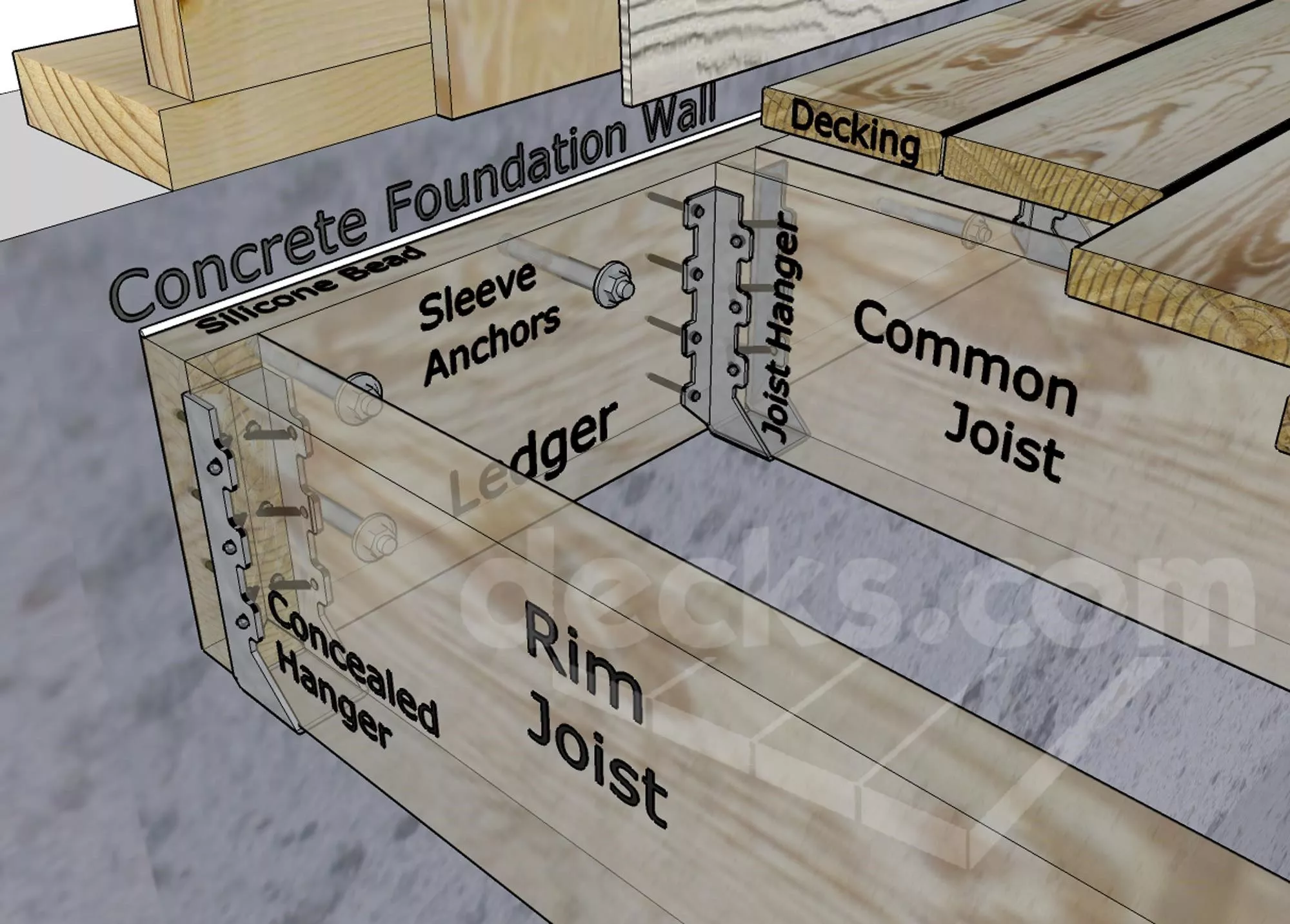
Sleeve Anchors
Sleeve anchors have a metal sleeve around the bolt. When tightened, the sleeve expands and grips the concrete. They hold well in both solid and hollow concrete. Good choice for heavy items and outdoor use. Easy to install and reliable.
Wedge Anchors
Wedge anchors are very strong and ideal for heavy loads. They use a wedge that pulls tight inside the hole. This anchor is set by hammering and then tightening. Best for solid concrete walls and heavy equipment. Offers high stability and durability.
Chemical Anchors
Chemical anchors use resin or epoxy to fix bolts in place. The adhesive fills the hole and bonds with the concrete. Suitable for irregular holes or weak concrete. They provide excellent holding power and vibration resistance. Ideal for structural or safety-critical attachments.
Credit: www.decks.com
Factors Influencing Anchor Quantity
Choosing the right number of anchors to attach a wall to a concrete wall depends on several key factors. Each factor plays a role in ensuring the wall stays secure and safe. Understanding these points helps in making the best decision for your project.
Load Requirements
The load on the wall is the main factor in anchor quantity. Heavier walls need more anchors to hold the weight. Consider both static loads and any forces acting on the wall. This includes wind pressure or vibrations that may affect stability.
Wall Thickness And Material
Thicker walls usually require more anchors for a strong hold. The material of the wall also matters. Different materials, like brick or block, have different anchor needs. Softer materials may need closer anchor spacing.
Anchor Size And Strength
Bigger anchors carry more load. Using larger, stronger anchors can reduce the number needed. Always check the anchor’s load rating. Match the anchor strength to the wall and load requirements.
Spacing Guidelines
Anchors must be spaced properly for best support. Too far apart lowers the wall’s strength. Too close can weaken the concrete. Follow recommended spacing rules from anchor manufacturers. This ensures safety and durability.
Calculating The Number Of Anchors
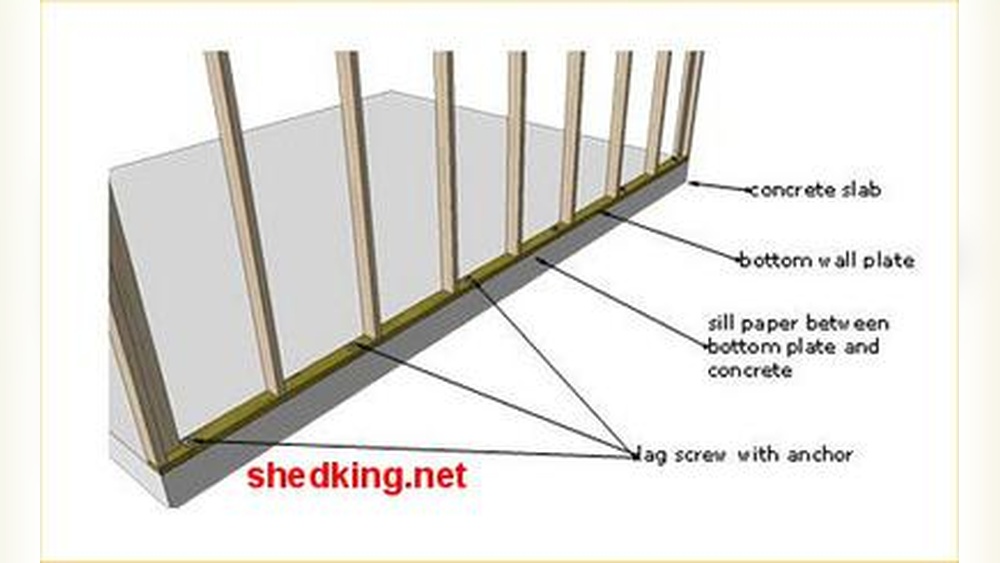
Calculating the number of anchors for attaching a wall to a concrete surface needs care. The right number ensures strong support and safety. Too few anchors risk wall failure. Too many increase costs and effort. This section guides you through the key steps for accurate calculations.
Assessing Load Capacity
Start by understanding the total weight the anchors must hold. This includes the wall’s weight and any extra loads like shelves or fixtures. Calculate the combined weight to know the demand on each anchor. Knowing this helps prevent overloading and wall damage.
Determining Anchor Load Ratings
Each anchor has a load rating, the maximum weight it can safely hold. Check the product details for this rating. Use anchors with ratings higher than your calculated load. This adds strength and reduces risk. Match anchor type to the wall and load for best results.
Spacing Calculations
Proper spacing spreads the load evenly across the wall. Measure the wall length and decide how far apart anchors should be. Follow manufacturer guidelines for minimum and maximum spacing. Correct spacing avoids stress points and ensures balanced support.
Safety Margins
Add safety margins to cover unexpected forces or errors. Increase your total anchor count by 10-20%. This extra margin protects against mistakes or future load increases. Safety margins give peace of mind and keep your wall secure over time.
Installation Best Practices
Proper installation ensures your anchors hold strong in a concrete wall. Following best practices helps avoid weak points and increases safety. Each step matters, from drilling to tightening the anchors.
Drilling Techniques
Use a hammer drill for concrete walls. Choose a drill bit size that matches the anchor diameter. Drill straight and steady to the correct depth. Avoid widening the hole by moving the drill side to side.
Cleaning Anchor Holes
Remove all dust and debris from the drilled hole. Use a wire brush or compressed air for cleaning. Clean holes improve anchor grip and prevent loosening. Never install anchors in dirty holes.
Proper Torque Application
Tighten anchors with the right torque value. Over-tightening can crack the concrete or damage the anchor. Under-tightening reduces holding power. Use a torque wrench for accurate tightening.
Avoiding Common Mistakes
Do not reuse old anchors or damaged parts. Avoid drilling holes too close to each other. Do not ignore manufacturer instructions for anchor spacing. Check the wall condition before installation to avoid weak spots.
Troubleshooting Anchor Issues
Troubleshooting anchor issues is important for a strong wall attachment. Anchors can fail over time or due to poor installation. Knowing how to spot and fix these problems keeps your wall safe and stable.
Signs Of Anchor Failure
Look for cracks or gaps around the anchor holes. Walls may feel loose or move slightly when pushed. Rust or corrosion on metal anchors is a clear warning sign. Anchors that pull out easily show they no longer hold well.
Reinforcing Existing Anchors
Adding more anchors near weak spots can improve strength. Use larger or heavy-duty anchors if the load is high. Injecting epoxy into the hole before placing anchors helps secure them. Tighten loose anchors carefully without damaging the wall.
When To Replace Anchors
Replace anchors if they are cracked, rusted, or bent. Anchors that no longer hold tightly must be removed and replaced. If the wall material crumbles around the anchor, choose a new location. Always pick anchors suitable for concrete walls and the load size.

Credit: www.frontierbasementsystems.com
Code And Safety Standards
Code and safety standards play a key role in attaching a wall to a concrete wall. These rules ensure the structure is secure and safe for use. Following these standards protects both the building and its occupants from potential damage or injury.
Building Codes To Follow
Building codes set the minimum requirements for wall anchoring. These codes vary by region but focus on strength and safety. They specify the number and type of anchors needed. Always check local codes before starting any project. Compliance helps prevent legal issues and structural failures.
Manufacturer Recommendations
Anchor manufacturers provide detailed guidelines for their products. These include load capacities and installation methods. Following these instructions ensures anchors perform correctly. Using the right number of anchors based on recommendations increases safety. Ignoring them can weaken the connection and cause failure.
Inspection And Maintenance
Regular inspection of wall anchors is essential for long-term safety. Look for signs of rust, loosening, or damage. Fix or replace anchors showing wear immediately. Maintenance extends the lifespan of the anchoring system. It keeps the wall firmly attached to the concrete wall over time.

Credit: www.picturehangsolutions.com
Frequently Asked Questions
How Many Anchors Are Needed For A Concrete Wall?
The number of anchors depends on the wall size and load. Generally, use one anchor every 16 to 24 inches for stability. Always follow manufacturer guidelines for specific weight limits and spacing to ensure a secure attachment.
What Factors Affect Anchor Quantity For Concrete Walls?
Anchor quantity depends on wall thickness, load type, and material weight. Heavier loads require more anchors spaced closer together. Environmental factors like vibration or moisture also influence anchor choice and placement.
Can I Use Fewer Anchors For Light Wall Attachments?
Yes, light attachments may require fewer anchors. For small fixtures, two to three anchors spaced evenly often suffice. Always verify load capacity to avoid wall damage or fixture failure.
What Types Of Anchors Are Best For Concrete Walls?
Expansion anchors, wedge anchors, and sleeve anchors work well in concrete. Choose anchors rated for your load and wall thickness. Proper installation is key for holding strength and durability.
Conclusion
Choosing the right number of anchors keeps your wall safe and strong. Too few anchors can cause damage or collapse. Too many can waste time and money. Check the wall size and weight before deciding. Use quality anchors made for concrete.
Follow guidelines for spacing and placement. Doing this makes the wall last longer. Small effort leads to big safety. Stay careful and plan well. Your wall will hold steady for years.