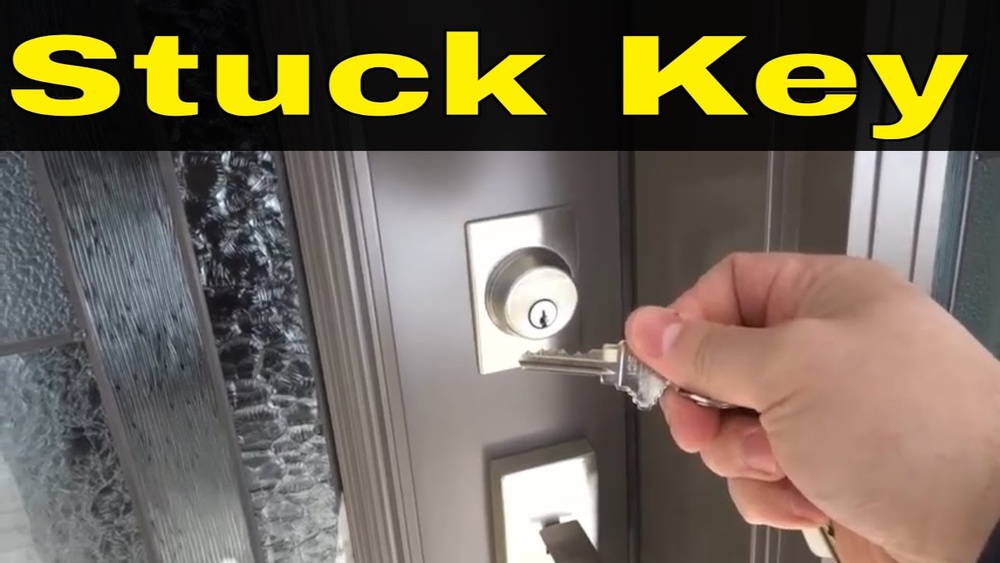
Have you ever found yourself staring at a deadbolt with a key stuck inside, unsure of what to do next? It’s frustrating, stressful, and can feel like a problem with no easy fix.
But don’t worry—you’re not alone, and you don’t have to call a locksmith just yet. You’ll discover simple, effective ways to get that key out without causing damage or spending a fortune. Keep reading, and you’ll be back inside your home in no time.

Credit: www.wikihow.com
Common Reasons For A Stuck Key
Getting a key stuck in a deadbolt lock can cause frustration. Understanding common reasons helps solve the problem faster. Several issues can cause the key to jam or refuse to turn. Knowing these causes makes it easier to fix the lock or avoid damage.
Worn Or Damaged Key
A key that is worn or bent often causes problems. The edges may not fit well inside the lock. This poor fit stops the key from turning smoothly. Using a damaged key repeatedly can harm the lock’s internal parts.
Misaligned Deadbolt
Sometimes the deadbolt and the strike plate do not line up. This misalignment stops the bolt from moving properly. A key stuck in this case may be hard to remove. Doors that sag or shift often cause this problem.
Debris Inside The Lock
Dirt, dust, or small particles can get trapped inside the lock. These block the key’s path or jam the pins. Cleaning the lock regularly can prevent this issue. Debris buildup causes the key to catch or stick.
Frozen Or Rusted Mechanism
Cold weather can freeze the lock, making it hard to turn the key. Rust also builds up over time, especially outdoors. Rusty parts stick and resist movement inside the lock. Both freezing and rusting create strong resistance against the key.
Tools You’ll Need
Getting a key stuck in a deadbolt can be frustrating. Having the right tools makes the job easier and faster. Prepare these tools before you start. Each tool has a specific role to help remove the key safely.
Lubricants
Lubricants help loosen the stuck key and deadbolt mechanism. Use graphite powder or a silicone-based spray. Avoid oil-based lubricants that attract dirt. Apply a small amount where the key enters the lock. This reduces friction and eases key removal.
Pliers And Tweezers
Pliers and tweezers help grip and pull out the key. Use needle-nose pliers for small spaces. Tweezers work well for tiny key fragments. Be gentle to avoid breaking the key further inside the lock.
Screwdrivers
Screwdrivers assist in removing the lock or door hardware if needed. A flathead or Phillips screwdriver fits most screws. Removing the lock can give better access to the stuck key. Always keep screwdrivers ready before starting.
Lock Pick Set
A lock pick set helps if the key is deeply stuck. Use tension wrenches and picks to turn the lock cylinder. This method needs patience and practice. It can free the key without damaging the lock.
Step-by-step Removal Techniques
Removing a key stuck in a deadbolt can be frustrating. Follow these simple steps to safely get the key out. Each technique helps loosen the key without damaging the lock. Take your time and be gentle to avoid further problems.
Applying Lubricant
Start by applying a small amount of lubricant into the keyhole. Use graphite powder or a silicone spray for best results. Avoid oil-based lubricants as they can attract dirt. Let the lubricant sit for a few minutes. This helps loosen any stuck parts inside the lock.
Gently Wiggling The Key
Hold the key firmly and move it gently side to side. Do not force the key or pull too hard. Light wiggling can help free the pins inside the deadbolt. Keep the movements slow and steady. This method often releases the key without damage.
Using Pliers For Grip
If the key is hard to pull out, use needle-nose pliers. Grip the key carefully near the lock face. Pull the key straight out with steady pressure. Avoid twisting or bending the key too much. This tool gives better control and reduces slipping.
Tapping The Lock Lightly
Tap the lock gently with a small hammer or screwdriver handle. Light taps can help loosen stuck parts inside the lock. Do not hit the lock hard as it may cause damage. Tap around the lock to avoid focusing force in one spot. This step often helps release a stubborn key.
When To Try Lock Picking
Trying to pick a lock can be a useful skill when you face a stuck key in a deadbolt. It works best when the key cannot be turned or removed. Picking can help you open the lock without damaging the door or lock. Use this method only if you own the lock or have permission. Never pick locks you do not own. Keep calm and take your time for better results.
Basic Picking Tools
You need a tension wrench and a pick. The tension wrench applies slight pressure inside the lock. The pick lifts the pins one by one. You can use small flathead screwdrivers if picks are unavailable. Use tools made of sturdy metal to avoid bending. Keep your tools clean and smooth for better control.
Simple Pick Methods
Insert the tension wrench into the lock’s bottom. Apply gentle pressure in the direction the key turns. Insert the pick and feel for pins inside. Lift each pin slowly until it stays up. Listen for small clicks. Keep tension steady and lift pins one at a time. Practice patience, as rushing can cause errors.
Safety Tips
Wear safety glasses to protect your eyes from metal shards. Avoid using too much force to prevent breaking tools. Work in a well-lit area for better visibility. Do not pick locks in public places to avoid legal issues. If you feel stuck, stop and reassess your approach. Keep children and pets away from your tools.
Preventing Future Key Jams
Preventing future key jams in deadbolts saves time and stress. Small actions protect your lock and key from damage. These simple steps keep your lock working smoothly for years.
Regular Maintenance
Clean your deadbolt regularly to remove dust and dirt. Use a soft brush or cloth to clean the keyhole. Lubricate the lock with graphite powder or a silicone-based spray. Avoid oil-based lubricants as they attract more dirt. Regular care helps the lock work easily and prevents jams.
Using Quality Keys
Use keys made from strong materials like brass or nickel silver. Cheap keys wear out quickly and cause jams. Always carry a spare key to avoid forcing a damaged one. Replace bent or worn keys immediately to protect the lock.
Proper Key Insertion
Insert the key gently and fully into the lock each time. Forcing the key can bend it or damage the pins inside. Turn the key slowly and smoothly to avoid getting stuck. Proper use extends the life of both key and lock.
Weatherproofing Locks
Protect your deadbolt from rain, snow, and dust with a cover or shield. Moisture can cause rust and freeze the lock in winter. Apply a weather-resistant lubricant to keep parts moving well. Weatherproofing keeps the lock safe and prevents key jams.

Credit: diy.stackexchange.com
When To Call A Locksmith
Knowing when to call a locksmith can save time and prevent damage. Some key problems are easy to fix at home. Others need expert tools and skills. Understanding the signs helps you decide the best step.
Signs You Need Professional Help
The key is stuck firmly and won’t move at all. The deadbolt shows signs of damage or rust. You hear strange noises when turning the key. The key has broken inside the lock. Your attempts to remove the key make the problem worse.
These signs mean the lock needs careful handling. A locksmith can safely remove the key and check the deadbolt. Trying to fix these issues alone may cause more damage.
Cost Considerations
Calling a locksmith has a cost, but it can prevent bigger expenses. Simple key removal usually costs less than replacing the whole lock. Emergency services or after-hours calls may be more expensive. Compare prices from local locksmiths for fair rates.
Weigh the cost of repair against possible damage from DIY attempts. Spending a little now can save money and hassle later.
Choosing A Reliable Locksmith
Pick a locksmith with good reviews and proper licenses. Check if they offer transparent pricing before starting work. Ask about their experience with deadbolt issues. A trustworthy locksmith will explain the process clearly. Avoid locksmiths who pressure you or offer unclear quotes.
Finding a skilled professional ensures your lock is fixed correctly and safely.

Credit: www.youtube.com
Frequently Asked Questions
How Do I Safely Remove A Key Stuck In A Deadbolt?
Apply graphite lubricant to the key and gently wiggle it. Avoid force to prevent breaking the key inside the lock.
What Causes A Key To Get Stuck In A Deadbolt?
Keys get stuck due to worn pins, dirt buildup, or misalignment inside the lock mechanism. Regular maintenance helps avoid this.
Can I Use Household Tools To Extract A Stuck Key?
Yes, tools like needle-nose pliers or tweezers can help if the key is partially out. Be gentle to prevent damage.
When Should I Call A Locksmith For A Stuck Key?
If the key won’t budge after gentle attempts or breaks inside, call a locksmith to avoid further lock damage.
Conclusion
Getting a key stuck in a deadbolt can be stressful. Stay calm and try gentle methods first. Use simple tools like a lubricant or pliers carefully. Avoid forcing the key to prevent damage. Sometimes, calling a locksmith is the safest choice.
Knowing these steps can save time and frustration. Keep this guide handy for future problems. Small actions can make a big difference in removing a stuck key. Remember, patience and care help solve the issue without harm.


