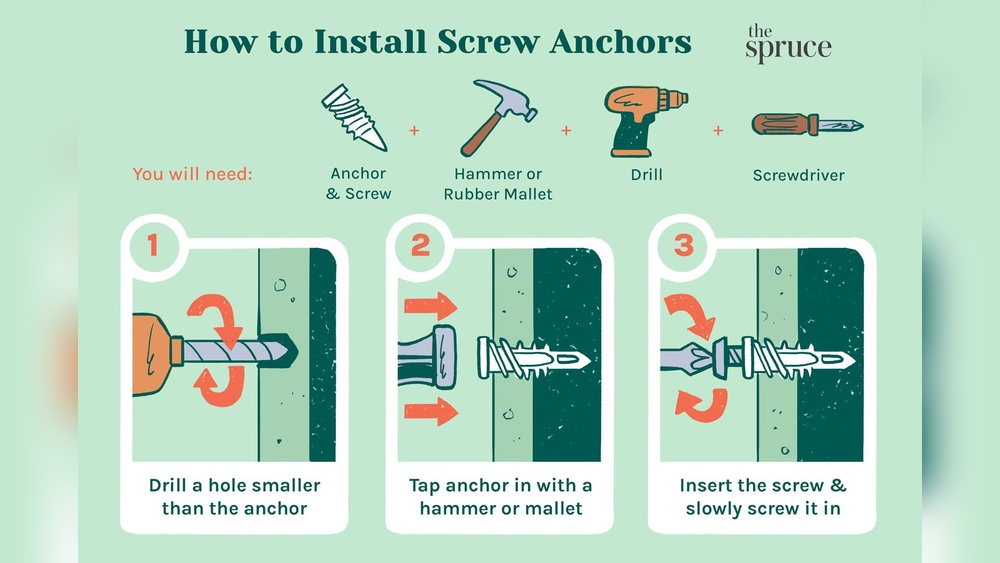
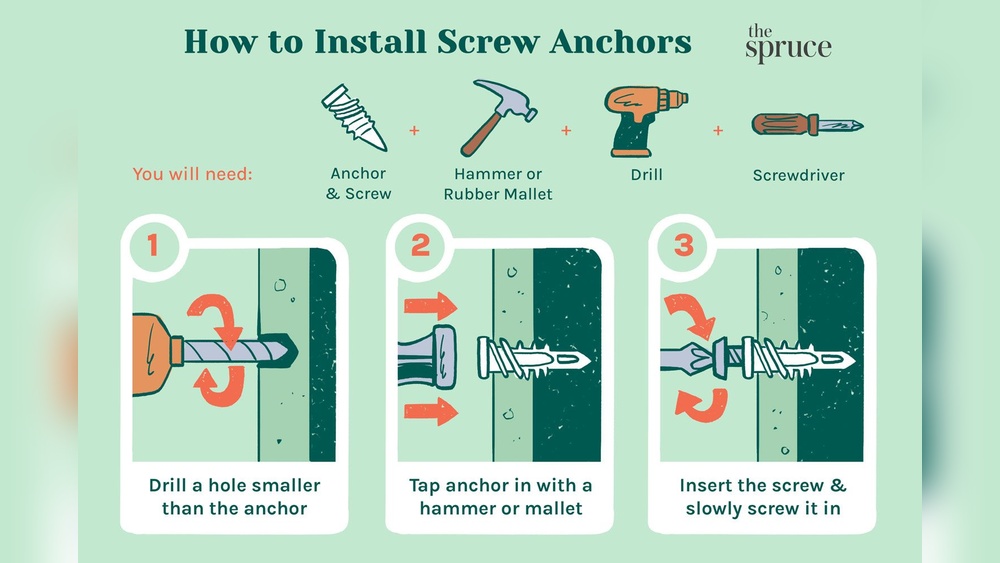
Have you ever tried to hang something on your wall, only to realize you don’t have the right anchors? It can be frustrating when you want a quick fix, but you don’t want to damage your walls or buy extra tools.
What if you could screw into your wall securely without using any anchors at all? In this post, you’ll discover simple, effective ways to do just that. By the time you finish reading, you’ll feel confident handling your next wall project with ease and no extra hassle.
Keep reading to find out how!
Choosing The Right Screw
Before you start screwing into a wall without an anchor, you must know the wall material. Different walls hold screws differently. Understanding the type of wall helps you pick the right method and tools.
Some walls are soft and easy to screw into, while others are hard and need special care. This section explains common wall types and how they affect screwing without anchors.
Drywall Characteristics
Drywall is a soft, lightweight material made from gypsum. It covers the frame of most modern homes. Drywall alone does not hold screws well. Screws can easily pull out if the drywall is thin or old.
Small screws can stay in drywall if the load is light. For heavier items, drywall anchors or finding a stud is better. Check the wall’s surface for signs of damage or thin spots.
Wood Studs And Their Benefits
Wood studs are vertical wooden beams behind drywall. They provide strong support for screws. Screwing directly into a stud is the best way to hang heavy items without an anchor.
Use a stud finder to locate these beams. Screws grip tightly in wood, giving a firm hold. Wood studs allow you to skip anchors safely and easily.
Masonry And Concrete Walls
Masonry walls include brick, stone, and concrete blocks. Concrete walls are solid and very strong. Screwing into masonry or concrete needs special drill bits and screws.
Without anchors, screws may not hold well in these hard surfaces. Pre-drilling with a masonry bit helps. Use screws designed for masonry to get better grip and stability.
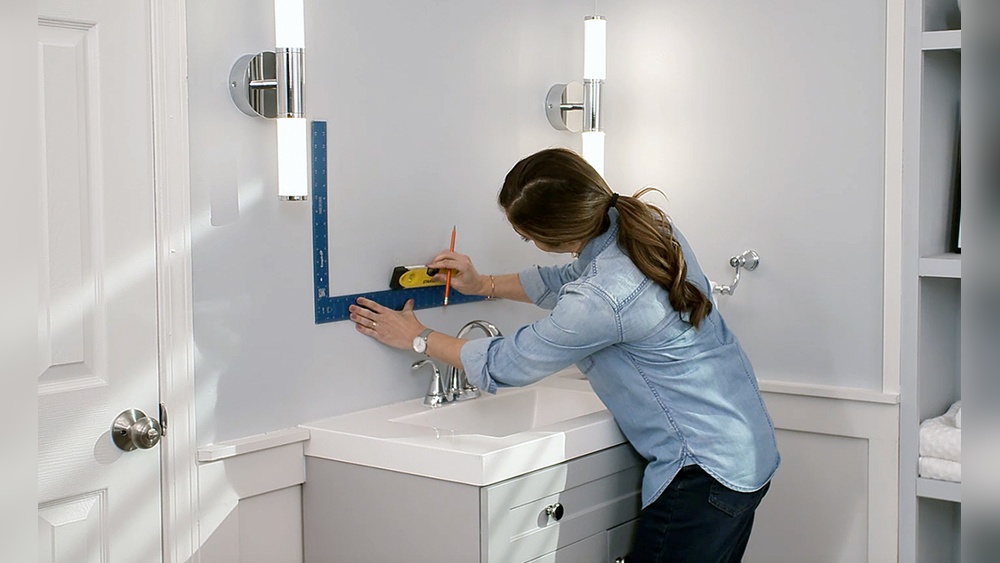
Credit: www.homedepot.com
Assessing Wall Material
Finding studs in your wall is key to hanging heavy items without anchors. Studs are the wooden beams behind drywall. Screwing directly into them gives strong support. Knowing how to locate studs saves time and prevents wall damage. Two main ways help find studs: using a stud finder and manual methods. Both are simple and effective for beginners.
Using A Stud Finder
A stud finder is a small device that detects wood or metal behind walls. It is easy to use and works well on most walls. Turn it on and move it slowly along the wall surface. The device will beep or light up when it finds a stud. Mark the spot with a pencil. Check multiple points to find the stud edges. This method is fast and accurate.
Manual Methods To Find Studs
Manual methods do not need special tools. One way is tapping the wall with your knuckles or a small hammer. A hollow sound means no stud. A solid, less hollow sound shows a stud. Another trick is to look for electrical outlets or light switches. These are often attached to studs. Measure about 16 inches from these points to find other studs. Finally, look for small nail or screw heads in the drywall. These often mark stud locations.
Locating Studs Without Anchors
Screwing into drywall without using anchors can be tricky. Drywall is soft and can crumble under pressure. Yet, it is possible to secure screws directly into drywall for light items. This method works best for things like small picture frames or lightweight decorations.
Choosing the right screw and technique helps keep the screw steady. Avoid heavy loads or valuable items to prevent damage. Let’s explore two useful ways to screw into drywall directly.
Using Self-drilling Screws
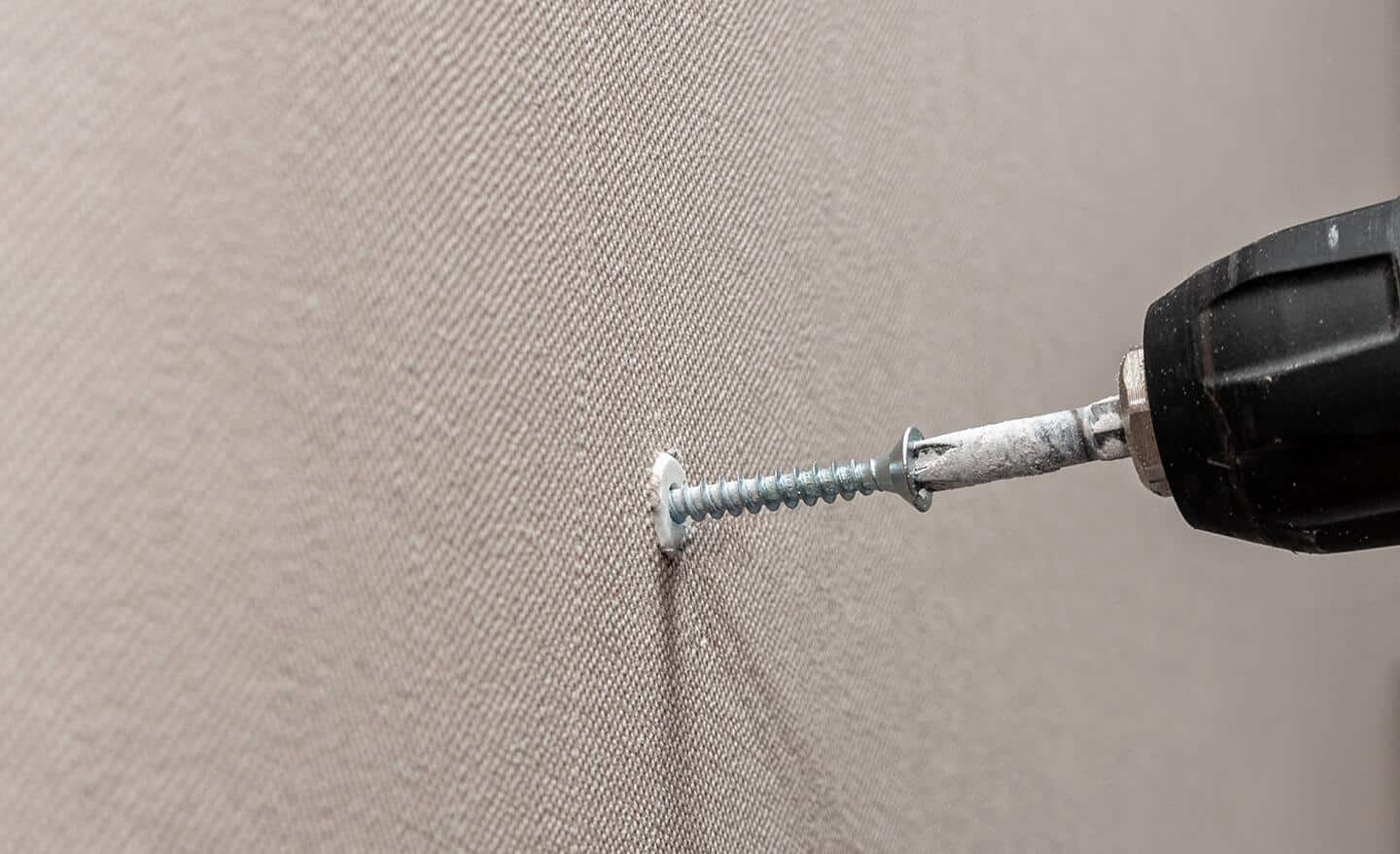
Self-drilling screws have sharp tips that cut into drywall easily. They do not need a pilot hole. Just push the screw in slowly and turn it by hand or with a screwdriver.
These screws hold better than regular screws in drywall. They spread pressure over a small area, reducing drywall damage. Use screws with wide threads for a stronger grip.
Be careful not to over-tighten. Too much force can break the drywall. Stop turning when the screw feels firm and snug.
Maximizing Grip Without Anchors
Drywall alone does not hold screws well under heavy weight. To increase grip, try these tips:
- Choose screws with coarse threads for better hold.
- Insert screws at a slight angle to increase surface contact.
- Do not drill holes larger than the screw’s diameter.
- Use shorter screws to avoid hitting wiring or pipes.
These steps help the screw stay tight without anchors. Still, keep loads light to avoid wall damage or falling items.
Prepping The Wall Surface
Wood studs provide a strong base for screws without the need for anchors. These wooden frames are usually found behind drywall in walls. Screwing directly into studs offers better support for heavy items. It reduces the risk of screws pulling out over time.
Knowing how to secure screws in wood studs ensures your items stay safe on the wall. It also makes the process quicker and easier. Follow simple steps to get a firm hold every time.
Driving Screws Into Studs
First, locate the stud using a stud finder or by tapping the wall. Mark the spot where you want to insert the screw. Use a drill or screwdriver to start the screw slowly. This prevents splitting the wood. Push the screw straight into the stud. Avoid angling it, as this weakens the hold. Stop once the screw head is flush with the wall surface.
Ensuring Strong Hold
Choose the right screw length and thickness for the job. Longer screws grip deeper into the wood for added strength. Avoid screws that are too thin, as they may bend or break. Pre-drill small pilot holes to reduce wood splitting. Tighten screws firmly but do not over-tighten. Over-tightening can strip the wood and loosen the screw.
Screwing Into Drywall Directly
Masonry walls need special care for screws to hold well. These walls are hard and dense. Regular screws often slip or break. Using anchors is common, but there are ways to screw without them. These methods help save time and materials.
Using Tapcon Screws
Tapcon screws are made for masonry. They have sharp threads that cut into concrete or brick. No need for anchors. Just drill a hole, clean it, and drive the screw in. These screws hold tightly in hard walls.
Choose the right length and diameter. Use a hammer drill to make a clean hole. Tapcon screws are strong and reliable for heavy items.
Pre-drilling Techniques
Pre-drilling creates a guide hole for the screw. Use a masonry bit slightly smaller than the screw. Drill deep enough to fit the screw length. This reduces wall damage and helps the screw grip better.
Clear out dust from the hole before screwing. This prevents slipping and improves hold. Pre-drilling saves effort and prevents wall cracks.

Credit: www.youtube.com
Securing Screws In Wood Studs
Hanging heavy items on a wall without anchors needs care and planning. Heavy objects can pull screws out if not handled right. Use smart methods to keep items secure and walls safe.
These tips help hold heavy things firmly without extra hardware. Small steps make a big difference in strength and safety.
Distributing Weight Evenly
Spread the load across several points on the wall. This lowers pressure on each screw and the wall. Use a board or rail to share the weight. It keeps screws from pulling out or breaking the wall.
Position screws at equal distances for balance. Avoid placing all weight on one spot. Even weight means less stress and better hold.
Using Multiple Screws
Use more than one screw to hold heavy items. Multiple screws share the load and increase support. Place screws in solid parts of the wall, like studs.
Check that screws are tight and straight. Loose screws can cause slipping or damage. Using several screws makes the mount stronger and safer.
Alternatives For Masonry Walls
Many people make mistakes when screwing into a wall without an anchor. These errors can cause damage or make the screw loose quickly. Avoiding common mistakes helps your project last longer and stay safe.
Over-tightening Screws
Turning screws too hard can strip the hole or break the screw. This weakens the grip and may cause the screw to fall out. Tighten screws just enough to hold firmly. Stop once you feel resistance to avoid damage.
Ignoring Wall Material
Different walls need different approaches. Drywall, plaster, and wood hold screws in unique ways. Screwing into drywall without an anchor can fail easily. Check your wall type before starting. Use the right technique for a stronger hold.

Credit: abutterflyhouse.com
Frequently Asked Questions
Can I Screw Into Drywall Without Using An Anchor?
Yes, you can screw into drywall without an anchor if the screw is small and the load is light. For heavier items, anchors provide necessary support to prevent damage or loosening.
What Tools Help Screw Into A Wall Without Anchors?
Use a stud finder to locate studs behind the drywall. Screwing directly into studs offers solid support without anchors. A drill and appropriate screw size also help ensure a secure fit.
How To Prevent Wall Damage When Screwing Without Anchors?
Pre-drill a pilot hole to avoid cracking the drywall. Use screws designed for drywall to minimize damage. Always avoid heavy loads on screws without anchors to prevent wall damage.
Are There Alternatives To Anchors For Wall Mounting?
Yes, mounting items directly into wall studs is a good alternative. Adhesive hooks or tapes can work for lightweight objects. Choose the method based on the weight and type of item.
Conclusion
Screwing into a wall without an anchor is possible with the right steps. Choose the correct screw type and size for your wall. Pre-drill a small hole to avoid cracks. Tighten the screw carefully to hold it firm. Always check the wall material before starting.
This method works well for light items. Remember, safety comes first. Try these tips for simple, secure wall mounting.