Have you ever tried to remove an anchor from your wall and felt stuck, unsure of what to do next? Removing an anchor might seem tricky, but with the right steps, you can do it quickly and without damaging your wall.
Whether you’re redecorating or fixing a mistake, knowing how to get an anchor out of your wall will save you time and frustration. Keep reading, and you’ll learn simple, effective methods that anyone can follow to make this task easy and stress-free.
Types Of Wall Anchors
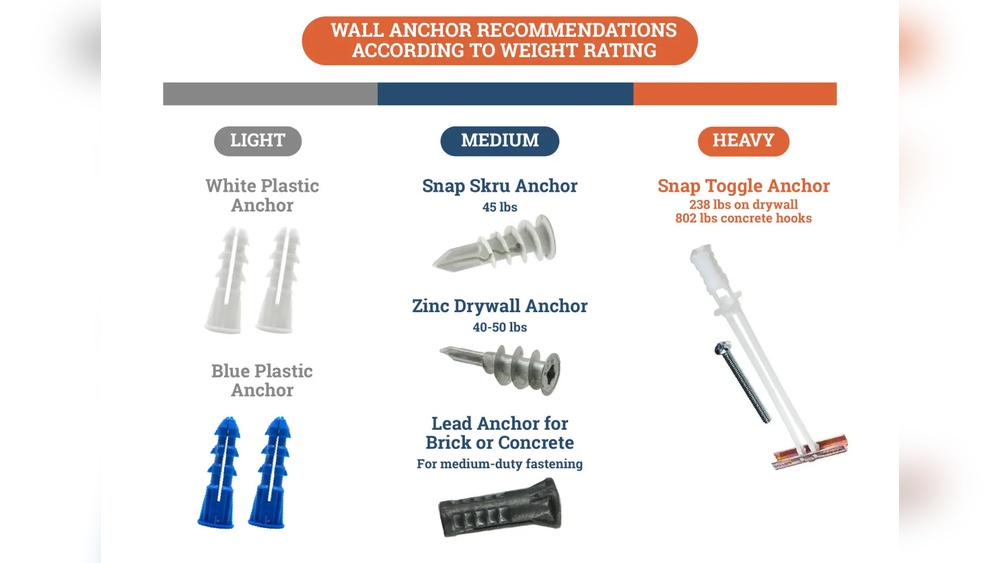
Wall anchors hold objects firmly on walls. Different anchors fit different wall types and weights. Knowing the types helps you remove them safely. Here are common wall anchors and how they work.
Plastic Expansion Anchors
Plastic expansion anchors are simple and common. They expand inside the wall when a screw is driven in. These anchors work best in drywall or plaster. Removing them can be tricky if stuck tight.
Toggle Bolts
Toggle bolts have spring-loaded wings. They open behind the wall for a strong hold. These anchors suit hollow walls and ceilings. Pulling the bolt out also removes the anchor.
Molly Bolts
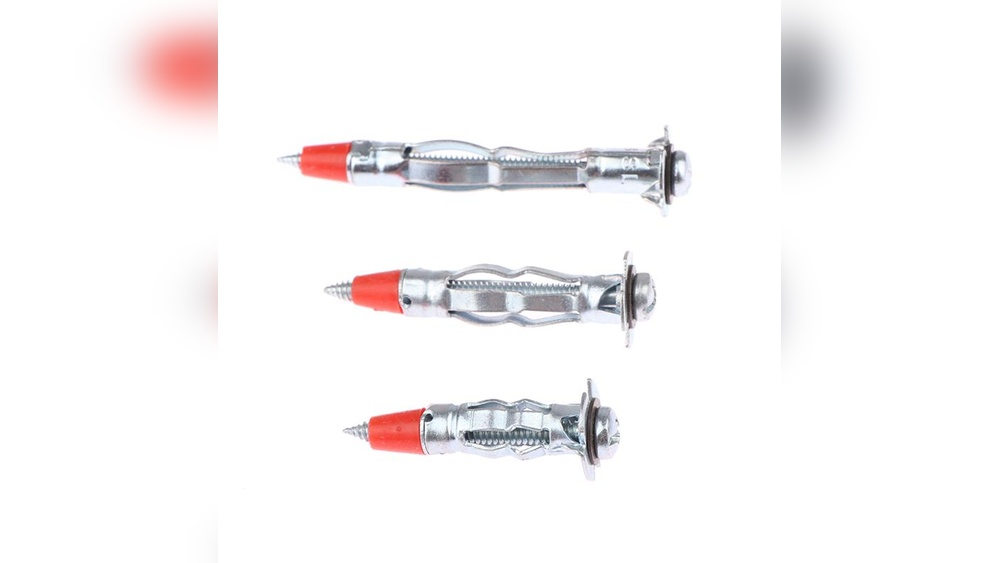
Molly bolts expand metal sleeves inside the wall. They create a secure grip in drywall or plaster. Unscrewing the bolt may loosen the sleeve for removal. Sometimes, you must push the anchor inside the wall.
Self-drilling Anchors
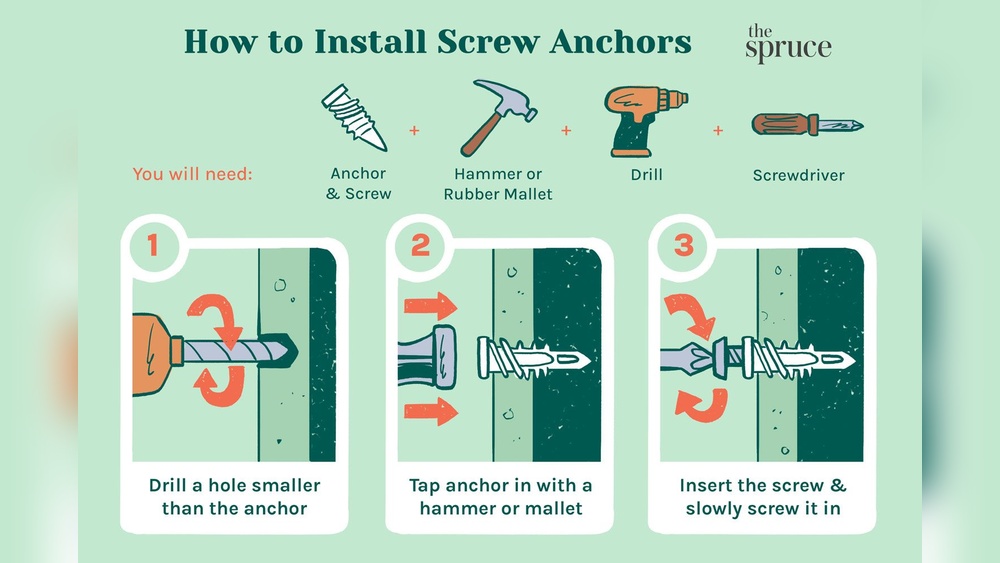
Self-drilling anchors screw directly into drywall without pre-drilling. They have sharp threads for easy entry. Removing them may cause wall damage if pulled forcefully. Unscrewing slowly reduces harm.

Credit: www.youtube.com
Tools Needed For Removal
Removing an anchor from a wall requires the right tools. Choosing the correct tools makes the job easier and cleaner. Some tools help grip the anchor. Others help loosen or cut it out. Knowing what to use saves time and effort.
Screwdriver Options
A screwdriver is essential for most anchor removals. Flathead and Phillips screwdrivers work for different anchor types. Use a screwdriver to turn or pry out the anchor gently. Select the size that fits the anchor slot well.
Pliers And Wrenches
Pliers provide a strong grip for pulling anchors. Needle-nose pliers work well for small or tight spaces. Locking pliers offer extra hold to twist or pull stubborn anchors. Wrenches can help with threaded anchors that need unscrewing.
Drill And Drill Bits
A drill helps remove anchors stuck deep in the wall. Use drill bits sized slightly smaller than the anchor. Drilling carefully can loosen or break the anchor for easy removal. This tool works best for plastic or metal anchors.
Utility Knife
A utility knife cuts around anchors that are flush with the wall. It helps slice through paint or drywall for better access. Use it with caution to avoid wall damage. Sharp blades make clean cuts for smooth repair later.
Removing Plastic Expansion Anchors
Removing plastic expansion anchors can be tricky but possible with the right steps. These anchors hold tight in drywall or masonry walls. They spread inside the wall to keep screws strong. Removing them needs care to avoid wall damage. Different methods work for different anchor types and wall conditions. Choose the best way based on how the anchor sits and how stuck it is.
Unscrewing The Anchor
Start by trying to unscrew the anchor. Use a screwdriver that fits the screw head. Turn it counterclockwise to loosen the anchor. Sometimes the anchor will come out with the screw. This method works best if the anchor is not too tight. If it spins in place, try another method.
Prying Out With Pliers
Use needle-nose pliers to pull the anchor out. Grip the anchor’s edge firmly. Pull gently but steadily to avoid wall damage. Wiggle the anchor slightly if it resists. This method works well for anchors that stick out a bit. Avoid forcing the anchor too hard to keep the wall intact.
Using A Drill To Remove Stubborn Anchors
Drills help remove anchors stuck deep inside the wall. Use a drill bit slightly smaller than the anchor. Drill into the anchor slowly and carefully. This breaks the anchor apart inside the wall. After drilling, push or pull out the remains with pliers. This method works best for anchors that won’t come out by hand.
Extracting Toggle Bolts
Extracting toggle bolts from a wall can feel tricky. These fasteners spread inside the wall, holding heavy items firmly. Removing them needs care to avoid wall damage. This section explains how to take out toggle bolts step-by-step. Follow these tips to get the job done smoothly.
Locating The Toggle
Start by finding the toggle inside the wall. The toggle is the metal piece that opens wide behind the wall. It stays hidden after installation. Use a flashlight and look through the hole where the bolt entered. The toggle usually rests close to the wall’s inside surface.
Pushing The Toggle Through
To remove the toggle, push it through the wall cavity. Use a long, thin tool like a screwdriver or coat hanger. Carefully push the toggle away from the hole. It will fall inside the wall space. This method clears the hole for patching later.
Alternative Removal Techniques
If pushing does not work, try loosening the bolt first. Turn the bolt counterclockwise until it comes free. The toggle might drop inside or stay attached to the bolt. Pull the bolt gently to bring the toggle out. Sometimes cutting the bolt flush with the wall helps. Then push or pull the toggle out in parts.
Taking Out Molly Bolts
Taking out molly bolts from a wall is a common task during repairs or remodeling. These anchors hold firmly but can be removed carefully without damaging the wall. The process involves a few clear steps that anyone can follow.
Start by dealing with the bolt itself. Then, focus on the sleeve that expands inside the wall. Finally, pull out the anchor completely. Each step needs attention and the right tools.
Unscrewing The Bolt
Begin by turning the bolt counterclockwise with a screwdriver. Keep unscrewing until the bolt comes out fully. If the bolt is stuck, try using a bit of extra force. Removing the bolt frees the sleeve inside the wall.
Collapsing The Sleeve
The sleeve spreads behind the wall to hold the bolt. Press the sleeve to collapse it back together. Use pliers to squeeze the sleeve gently. This step loosens the grip inside the wall cavity.
Pulling The Anchor Out
Once the sleeve is collapsed, pull the anchor straight out. You can use pliers or your fingers for this. Pull slowly to avoid wall damage. After removal, fill the hole with spackle for a smooth finish.
Handling Self-drilling Anchors
Self-drilling anchors are common in walls for hanging items securely. Removing them requires care to avoid wall damage. Handling these anchors correctly saves time and keeps your wall intact.
Turning Out The Anchor
Start by turning the anchor counterclockwise. Use a screwdriver that fits the anchor head well. Turn slowly to avoid slipping or stripping the anchor. If it moves easily, keep turning until it comes out.
Using Pliers For Grip
If the anchor won’t turn, try using pliers. Grip the anchor’s edge firmly with needle-nose pliers. Twist gently while pulling outward. This gives better control and helps loosen stuck anchors. Avoid squeezing too hard to prevent breaking the anchor.
Drilling For Difficult Cases
Some anchors stay stuck tight. Use a drill with a bit smaller than the anchor. Drill slowly into the center to break its hold. This method needs care to avoid wall damage. After drilling, the anchor should come out easily.
Fixing Wall Damage After Removal
After removing an anchor from your wall, small holes or damage may remain. Fixing these imperfections helps restore the wall’s smooth surface. This process also prepares the wall for painting or new decorations.
Repairing wall damage is simple with the right tools. Taking a few careful steps will make your wall look like new. Let’s explore how to fix common issues after anchor removal.
Filling Small Holes
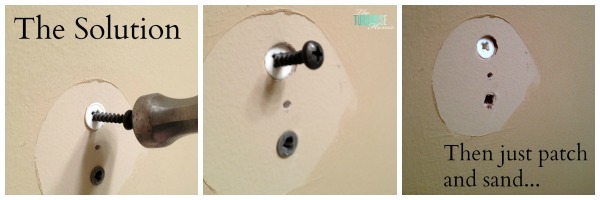
Start by cleaning the hole to remove dust and loose debris. Use a putty knife to apply spackle or wall filler into the hole. Press firmly to fill the space completely. Allow the filler to dry according to the product instructions. Small holes usually dry fast and become ready for sanding.
Sanding And Smoothing
Once the filler is dry, lightly sand the area using fine-grit sandpaper. Sand until the surface feels even with the wall. Be gentle to avoid damaging the surrounding paint. Wipe away dust with a damp cloth. Smooth surfaces ensure better paint adhesion and a cleaner finish.
Painting Touch-ups
Match your wall paint to cover the repaired spots. Use a small brush or roller for precise application. Apply thin layers and let each dry before adding more. This method helps blend the patch with the rest of the wall. Finished touch-ups make the wall look flawless again.

Credit: www.wikihow.com
Preventing Damage When Removing Anchors
Removing anchors from walls can be tricky. The wrong method can cause wall damage. Preventing damage keeps your walls smooth and clean. It saves time and money on repairs. Use the right steps to protect your wall’s surface.
Choosing The Right Tools
Select tools that fit the anchor type and wall. Common tools include pliers, screwdrivers, and utility knives. Avoid using sharp or heavy tools that can gouge the wall. Soft-grip pliers offer better control and reduce slipping. Using the correct tool helps pull the anchor out gently.
Applying Gentle Pressure
Pull or twist anchors with steady, gentle force. Sudden jerks can break the wall surface. Slow, even pressure loosens the anchor without cracking paint or drywall. If the anchor resists, pause and try a different angle. Gentle pressure protects the wall from deep holes or dents.
Working Slowly And Carefully
Take your time removing each anchor. Rushing often leads to mistakes and damage. Inspect the wall as you go to spot any cracks or chips early. Work in small steps, pulling the anchor out a little at a time. Careful work keeps your wall intact and ready for new fixtures.
Credit: theturquoisehome.com
Frequently Asked Questions
How Do I Safely Remove A Wall Anchor?
To safely remove a wall anchor, first, unscrew any attached screws. Then, gently pull the anchor out using pliers or push it through the wall if it’s a plastic anchor. Avoid damaging the wall surface during removal for easy patching.
What Tools Are Needed To Get An Anchor Out?
You typically need a screwdriver, pliers, and possibly a putty knife. A drill may help with stubborn anchors. These tools help you loosen and pull out the anchor without damaging the wall.
Can I Reuse Wall Anchors After Removal?
Generally, wall anchors lose their grip after removal and should not be reused. It’s best to replace them with new anchors to ensure strong support for hanging items.
How To Fix Wall Damage After Anchor Removal?
Fill holes with spackle or wall filler, then sand smooth once dry. Finally, repaint the area to match the wall. This restores the wall’s appearance after anchor removal.
Conclusion
Removing an anchor from a wall can be simple with the right steps. Take your time and use the tools carefully. Avoid damaging the wall by working gently. Small holes can be fixed quickly with some filler. Practice makes this task easier and less stressful.
Soon, you will handle anchors like a pro. Keep safety in mind throughout the process. The wall will look neat and ready for new use. Just follow the tips and stay patient. You’ve got this!