Have you ever struggled to get your floor jack to work when you needed it most? It can be frustrating when you’re ready to lift your car, but the jack just won’t cooperate.
The good news is, getting your floor jack to work properly is easier than you think. In this guide, you’ll discover simple steps and tips that anyone can follow to make sure your floor jack lifts smoothly and safely every time.
Keep reading, and you’ll never feel stuck or unsure about using your floor jack again.

Credit: www.youtube.com
Choosing The Right Floor Jack
Choosing the right floor jack is key for safe and easy vehicle lifting. The right jack fits your needs and handles your vehicle safely. Understanding types, weight limits, and build quality helps you pick the best one. This guide breaks down these factors for clear choices.
Types Of Floor Jacks
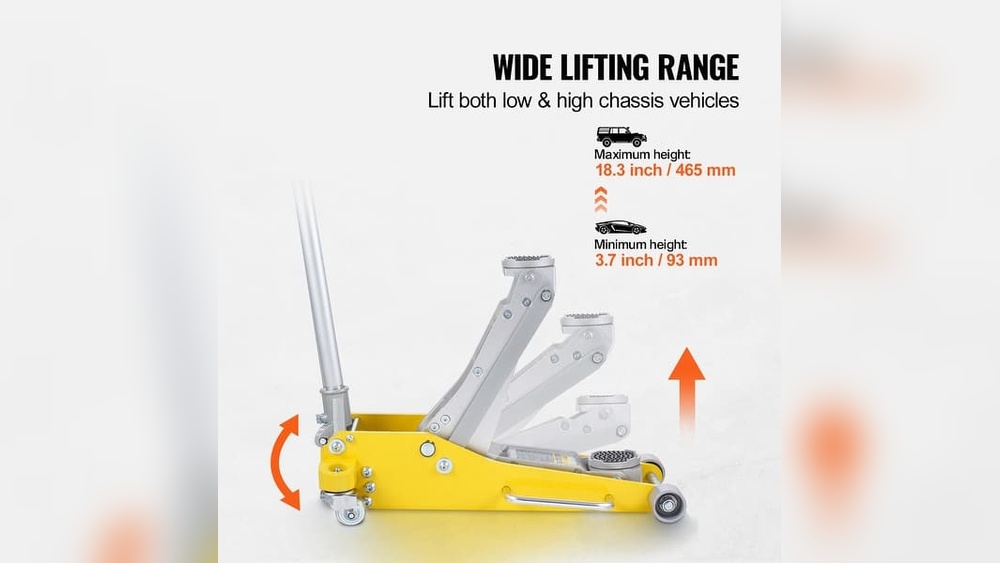
Floor jacks come in different types. Hydraulic jacks use fluid to lift heavy loads smoothly. Scissor jacks work with a turning motion and are smaller. Bottle jacks are compact and strong but less stable. Pick a type that suits your work style and space.
Weight Capacity Considerations
Check the weight limit before buying a jack. It must lift your vehicle’s weight safely. Choose a jack with a capacity higher than your vehicle’s weight. This prevents accidents and damage. Never use a jack below your vehicle’s weight.
Material And Build Quality
Strong materials ensure durability and safety. Steel jacks are heavy but very tough. Aluminum jacks are lighter and resist rust. Look for solid welds and smooth wheels. Good build quality means the jack lasts longer and works better.

Credit: www.youtube.com
Preparing Your Vehicle And Workspace
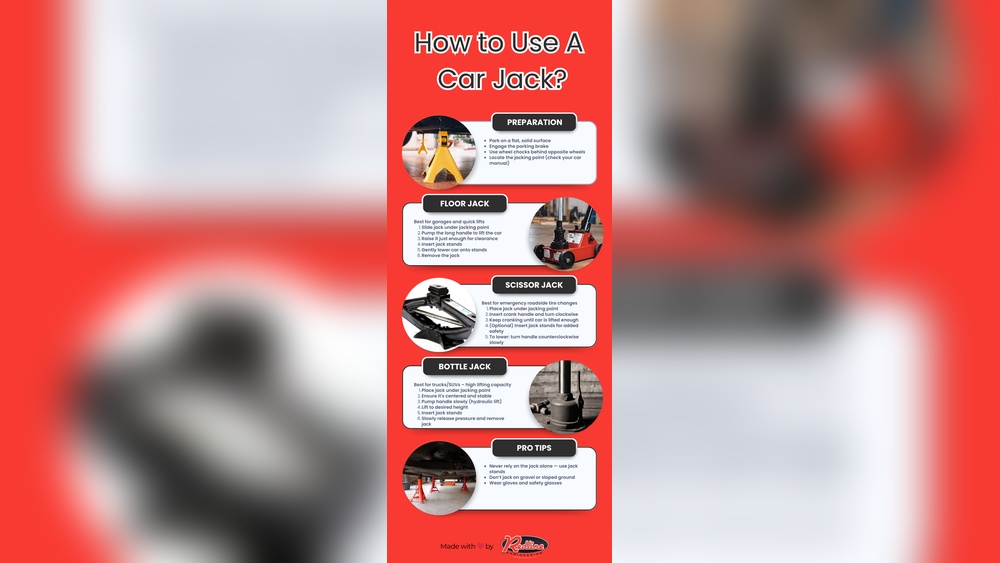
Preparing your vehicle and workspace is key to using a floor jack safely and effectively. A well-prepared area helps prevent accidents and makes the job easier. Taking simple steps before lifting your car ensures stability and security. Follow these guidelines to set up the best environment for your task.
Selecting A Safe Location
Choose a flat and solid surface for your vehicle. Avoid soft or uneven ground that can cause the jack to slip. Concrete or asphalt surfaces work best. Clear the area of any debris or loose objects. Good lighting helps you see clearly while working. Safety starts with a steady base.
Engaging The Parking Brake
Always apply the parking brake before jacking up your vehicle. This stops the car from rolling. Double-check that the brake is fully engaged. It acts as a critical safety step. Never rely on the jack alone to hold the car.
Using Wheel Chocks
Place wheel chocks on the wheels that stay on the ground. Chocks block the wheels and prevent movement. Position them tightly against the tires. Use sturdy chocks made of rubber or wood. This extra precaution keeps your car stable during lifting.
Positioning The Floor Jack Correctly
Positioning the floor jack correctly is the first step for safe and effective lifting. It helps avoid damage to your vehicle and ensures your safety. Proper placement supports the car’s weight evenly and prevents slipping. Follow these simple steps to position your floor jack with care.
Identifying Jack Points On Your Vehicle
Most vehicles have specific jack points designed to hold the car’s weight. These points are usually near the wheels and under the frame. Look for reinforced metal areas or small notches. Check your owner’s manual for exact locations. Using the correct jack point prevents damage to the car’s body or undercarriage. Never place the jack on soft or uneven surfaces on the vehicle.
Aligning The Jack For Stability
Place the floor jack so its saddle touches the jack point squarely. The saddle is the lifting pad on the jack. Align it straight to avoid slipping during lifting. Ensure the jack is on a flat and solid surface, like concrete or asphalt. Avoid soft ground or slopes. Test the jack’s stability by pressing down slightly before lifting. A stable jack keeps you safe and protects your vehicle.
Operating The Floor Jack
Operating a floor jack safely and correctly is key to lifting your vehicle without trouble. This tool helps raise your car for repairs or maintenance. Understanding how to use it ensures safety and efficiency. Follow these steps to operate your floor jack with confidence.
Pumping The Handle
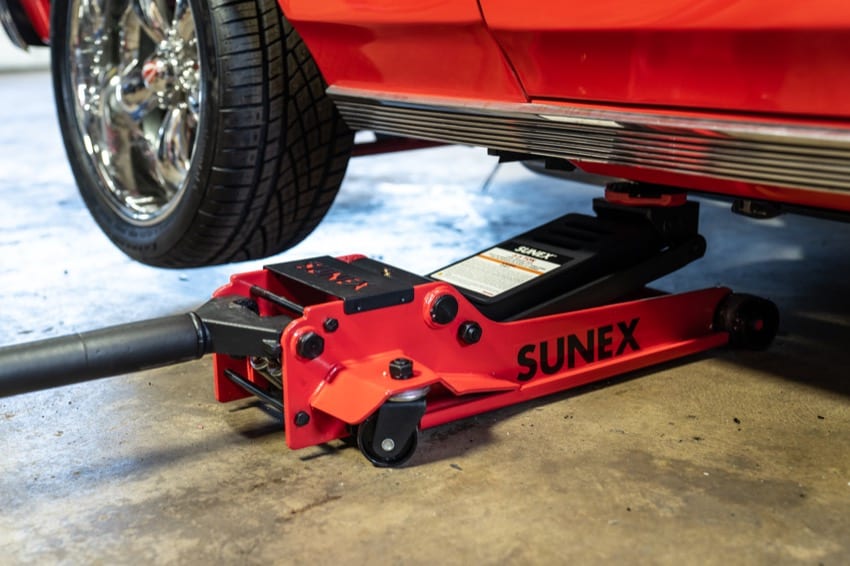
Start by placing the jack under the vehicle’s lifting point. Hold the handle firmly. Pump it up and down slowly. Each pump raises the jack slightly. Keep pumping until the jack touches the vehicle’s frame. The handle moves smoothly when done right.
Raising The Vehicle Smoothly
After contact, continue pumping the handle. Do it steady and controlled. The vehicle will begin to lift off the ground. Stop occasionally to check the jack’s position. Avoid quick or jerky movements. Smooth lifting keeps the car stable and safe.
Checking For Secure Lift
Once lifted, check if the vehicle is stable. Give it a gentle push to test balance. The jack must hold the car firmly. Look for any wobbling or slipping. Never work under a vehicle without proper support. Use jack stands for added safety.
Using Jack Stands Safely
Using jack stands safely is very important when working under a vehicle. Jack stands hold the car up after you lift it with a floor jack. They keep the vehicle steady and stop it from falling. Without jack stands, the car could slip or drop, causing serious injury. Follow these steps to use jack stands correctly and protect yourself.
Placing Jack Stands Under The Vehicle
Find the right spots to put the jack stands. Check your vehicle manual for the strong points. These are usually near the frame or designated lift points. Place the jack stands on a flat, solid surface. Avoid soft ground or slopes. Make sure the stands are spread evenly to support the weight of the car.
Lowering The Jack Onto Stands
Slowly lower the floor jack until the vehicle rests on the stands. Do this carefully to avoid sudden drops. The car’s weight should sit fully on the stands. Keep the jack in place for extra safety but do not rely on it. The jack stands must hold all the weight before you work under the car.
Double-checking Stability
Test the car’s stability before crawling underneath. Push the vehicle gently from different sides. It should not move or wobble. Check that the jack stands are secure and upright. Never work under a vehicle that feels unstable. Safety first. Always be sure the car stays firm on the stands.
Lowering The Vehicle Safely
Lowering the vehicle safely is the final and most important step after using a floor jack. It requires care and attention to avoid accidents or damage. Taking your time ensures the vehicle comes down smoothly and stays stable.
Removing Jack Stands Carefully
Before lowering the vehicle, remove the jack stands slowly. Make sure the vehicle is stable and won’t move. Stand clear of the vehicle to stay safe. Take out the stands one at a time. Never rush this step.
Lowering The Jack Slowly
Turn the jack handle slowly to lower the vehicle. Moving too fast can cause the vehicle to drop suddenly. Keep your hands steady and watch the vehicle’s movement. Stop if you feel any resistance or hear strange noises. Lower the vehicle until it touches the ground fully.
Final Safety Checks
Check that the vehicle sits firmly on the ground. Ensure the floor jack and stands are away from under the vehicle. Test by gently pushing the vehicle to confirm it does not move. Make sure all tools are clear before driving. Safety first, always.
Troubleshooting Common Issues
Troubleshooting common issues with a floor jack helps keep it working safely. Problems can stop the jack from lifting or cause leaks. Fixing these issues early saves time and effort. The following tips cover usual problems and simple checks.
Jack Not Lifting Properly
Check if the jack is on a flat surface. Uneven ground can stop it from lifting. Make sure the release valve is fully closed. A loose valve lets pressure escape. Inspect the oil level in the jack. Low oil causes weak lifting power. Pump the handle slowly to build pressure. Quick pumps may not work well.
Leaks And Hydraulic Problems
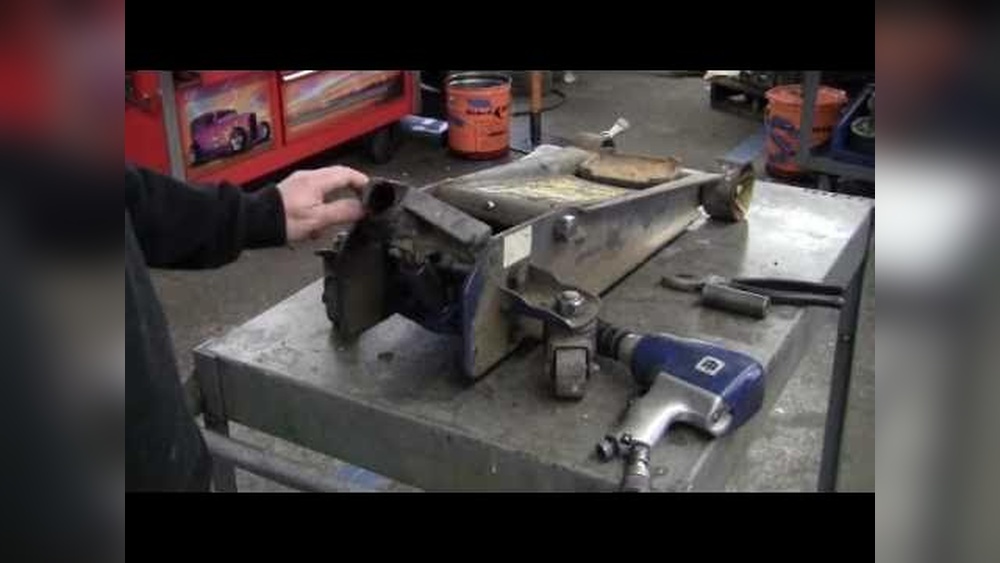
Look for oil spots under the jack. Leaks reduce hydraulic pressure. Tighten any loose fittings carefully. Replace worn seals or O-rings to stop leaks. Use the correct hydraulic fluid recommended by the manufacturer. Dirty or old fluid can cause poor performance. Regularly clean the jack to avoid dirt entering the system.
Handle Or Pump Malfunctions
Check the handle for bends or breaks. A bent handle can prevent smooth pumping. Lubricate the pump mechanism to reduce stiffness. Inspect the pump piston for damage or rust. Replace faulty parts to restore function. Confirm the handle connects properly to the pump. Loose connections can stop the jack from working.
Credit: www.protoolreviews.com
Maintenance Tips For Your Floor Jack
Proper care keeps your floor jack safe and working well. Simple maintenance steps prevent damage and extend its life. Follow these tips to avoid problems and ensure smooth operation every time.
Regular Inspection
Check your floor jack before each use. Look for cracks, leaks, or worn parts. Make sure the lifting arm moves freely. Test the release valve to see if it works smoothly. Spot problems early to fix them fast.
Lubrication And Cleaning
Keep moving parts lubricated with light oil. This reduces friction and wear. Clean dirt and grease from the jack after use. Use a cloth to wipe the surface and joints. Clean parts work better and last longer.
Storage Best Practices
Store your floor jack in a dry place. Avoid damp or dusty areas that cause rust. Lower the jack to its lowest position before storing. Cover it with a cloth or plastic sheet for extra protection. Proper storage keeps it ready for the next job.
Frequently Asked Questions
How Do I Operate A Floor Jack Safely?
Always position the floor jack under the vehicle’s jacking points. Pump the handle smoothly to lift. Never exceed the jack’s weight limit. Use jack stands for added safety once lifted.
Why Is My Floor Jack Not Lifting The Car?
Check for hydraulic fluid leaks or low fluid levels. Air trapped in the system can cause lifting issues. Bleed the jack to remove air and refill fluid as needed.
How Do I Maintain A Floor Jack For Longevity?
Regularly inspect for leaks and rust. Keep the hydraulic fluid topped up. Lubricate moving parts and store the jack in a dry place to prevent corrosion.
Can A Floor Jack Lift Any Vehicle?
No, always check the jack’s weight capacity. Choose a floor jack rated higher than your vehicle’s weight. Using an under-rated jack risks damage and injury.
Conclusion
Getting a floor jack to work is easier than it seems. Check the pump, handle, and oil first. Keep the jack on a flat, solid surface. Use steady, even pressure when lifting your vehicle. Always follow safety steps to avoid accidents.
Regular maintenance helps the jack last longer. With practice, you will feel more confident using it. A working floor jack makes car tasks safer and smoother. Take your time and stay safe while working.