Are you struggling to remove stick on hooks without damaging your walls? You’re not alone.
These handy hooks are great for organizing, but when it’s time to take them down, they can leave behind sticky residue or even peel off paint. Don’t worry—there’s a simple way to get them off cleanly and easily. Keep reading, and you’ll discover effective tips that protect your walls and save you time and frustration.
Your walls will thank you!
Credit: www.youtube.com
Types Of Stick On Hooks
Stick on hooks come in different types. Each type has its own use and strength. Knowing these types helps you pick the right hook. It also makes it easier to remove them without damage.
Plastic Adhesive Hooks
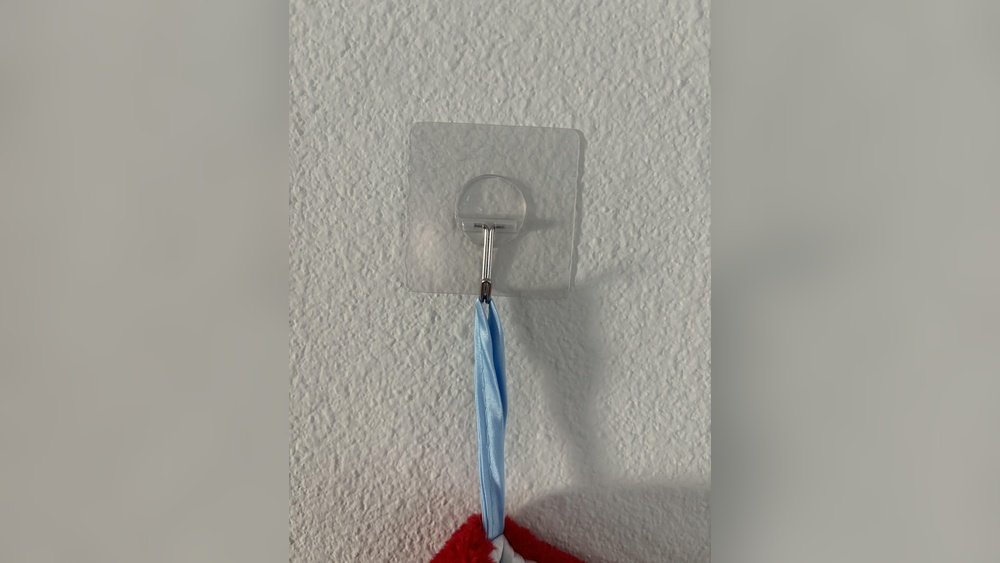
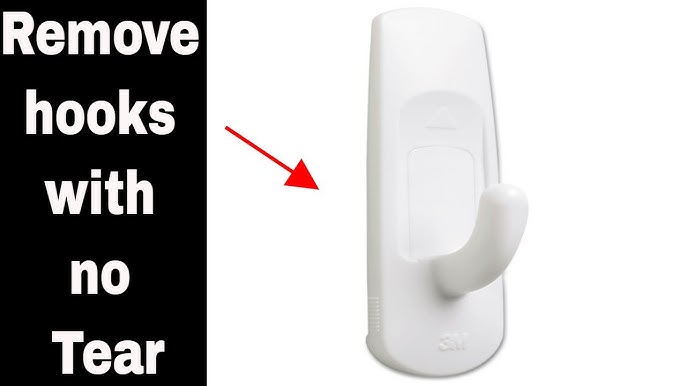
Plastic adhesive hooks are common and cheap. They stick well on smooth surfaces like tiles and glass. These hooks hold light to medium weight items. The adhesive can be strong but may leave residue. Removing them carefully avoids wall damage.
Command Strips
Command strips use a special adhesive that peels off cleanly. They hold heavier items than plastic hooks. These strips come with a tab for easy removal. They protect your walls from marks and holes. Perfect for renters or temporary setups.
Reusable Hooks
Reusable hooks have sticky pads that can be washed and reused. These hooks lose less stickiness over time. They work well for light objects and small spaces. Washing the pad refreshes the stickiness. Good choice for frequent changes or moves.
Common Challenges Removing Hooks
Removing stick-on hooks from walls can be tricky. Many people face issues that make the task frustrating. The hooks stick strongly, and pulling them off can leave marks or damage the wall. Understanding common problems helps prepare for a clean removal process.
Adhesive Residue
Sticky glue often stays on the wall after the hook is removed. This residue can attract dust and dirt. It makes the wall look messy and rough. Cleaning off the residue can be tough without the right tools. Using gentle methods helps avoid more damage.
Wall Damage Risks
Pulling hooks too hard may peel paint or tear drywall. Some walls are more delicate than others. Rough removal can leave holes or scratches. Damaged walls need repairs, costing time and money. Taking care during removal reduces these risks.
Paint Peeling
The paint near the hook can lift when the hook is pulled off. This happens because adhesive bonds tightly to the paint. Peeling paint leaves uneven spots and ruins the wall’s look. Using slow and steady removal methods can prevent paint from peeling.
Tools You’ll Need
Removing sticky hooks from walls needs the right tools. These tools help you get the hook off without damaging the paint or surface. Gather these items before you start. They make the process easier and cleaner.
Hair Dryer Or Heat Gun
Heat softens the glue on sticky hooks. Use a hair dryer or heat gun to warm the adhesive. Hold it close but not too hot to avoid wall damage. Heat makes the glue less sticky and easier to peel off.
Dental Floss Or Fishing Line
Dental floss or fishing line works like a tiny saw. Slide it behind the hook to cut through the sticky glue. Move it gently back and forth to avoid scratching the wall. This method helps remove the hook cleanly.
Rubbing Alcohol
Rubbing alcohol dissolves leftover glue residue. Apply some with a cloth or cotton ball after removing the hook. It cleans the surface and removes sticky spots. Alcohol evaporates fast and doesn’t harm most wall paints.
Plastic Scraper
A plastic scraper lifts glue without scratching. Use it carefully to peel off glue bits stuck on the wall. Avoid metal tools as they can damage paint and wall texture. A plastic scraper helps finish the job neatly.
Step-by-step Removal Methods
Removing stick-on hooks from walls can be tricky. Doing it wrong can damage the paint or wall surface. Follow these step-by-step methods to remove hooks safely and cleanly. These tips work well for most types of adhesive hooks.
Using Heat To Soften Adhesive
Heat helps loosen the glue holding the hook. Use a hairdryer on low heat. Hold it close to the hook for about 30 seconds. The warm air softens the adhesive under the hook. This makes it easier to pull off without damage.
Sliding Dental Floss Behind Hook
Take a piece of dental floss or thin string. Slide it gently behind the hook base. Move the floss back and forth in a sawing motion. This cuts through the softened adhesive cleanly. Keep the floss close to the wall to avoid peeling paint.
Peeling Off Slowly
Pull the hook slowly and carefully. Use your hand or fingers to lift one edge first. Pull the hook at a low angle, not straight out. Slow peeling helps prevent paint from coming off. Stop if you feel strong resistance and try heating again.
Cleaning Residue
Some sticky residue may remain on the wall. Use a soft cloth with warm, soapy water. Gently rub the area to remove leftover glue. For stubborn spots, try a small amount of rubbing alcohol. Wipe clean and dry the wall after removing residue.
Alternative Techniques
Removing stick-on hooks can be tricky. Sometimes, the usual methods do not work well. Alternative techniques can help loosen the adhesive without damaging the wall. These simple tricks use common household items. They can make the process easier and cleaner.
Using Vinegar Or Oil
Vinegar or oil can break down sticky glue. Soak a cloth in white vinegar or cooking oil. Press it against the hook’s base for a few minutes. The liquid seeps into the adhesive and softens it. Gently pull the hook after waiting. Repeat if needed to avoid wall damage.
Applying Rubbing Alcohol
Rubbing alcohol works well on sticky residues. Dab some on a cotton ball or cloth. Rub the area around the hook carefully. The alcohol dissolves the glue’s bond with the wall. Wait a few minutes before trying to remove the hook. This method helps reduce sticky marks left behind.
Freezing The Adhesive
Freezing can make the glue less sticky. Hold an ice pack or frozen bag against the hook. Keep it there for 5 to 10 minutes. Cold temperature hardens the adhesive and makes it brittle. Slowly lift the hook from the wall. This technique lowers the chance of paint peeling off.
Preventing Wall Damage
Removing stick on hooks can be tricky. The wall may get damaged if you are not careful. Taking steps to protect your wall helps keep it smooth and clean. Small actions make a big difference.
Test Small Areas First
Try removing the hook from a small spot first. This helps you see how the wall reacts. You can check if the paint peels or the surface scratches. Testing first saves you from bigger problems later.
Avoid Sharp Tools
Do not use knives or metal tools to scrape the hook. They can leave marks or holes on the wall. Use soft tools like plastic cards or your fingers. These tools are gentle and less likely to cause damage.
Be Patient
Take your time while pulling off the hook. Pull slowly and gently to avoid peeling paint. Give the adhesive time to soften by warming it with a cloth or hairdryer. Patience helps keep your wall safe and clean.
Tips For Future Hook Use
Using stick on hooks can make organizing easier. Proper use helps protect your walls and keeps hooks strong. Follow these tips for better results in the future.
Choosing The Right Hook
Select hooks made for your wall type. Some hooks work best on smooth surfaces. Others are made for rough or painted walls. Check the weight limit on the package. Use hooks that can hold your items safely.
Preparing Wall Surface
Clean the wall before applying hooks. Use rubbing alcohol to remove dirt and oil. Avoid using water or soap as they leave residue. Let the wall dry fully before sticking the hook. A clean surface helps hooks stick better and last longer.
Proper Hook Removal
Remove hooks slowly to avoid damage. Pull the tab straight down, not outwards. Use heat from a hairdryer to soften the adhesive if needed. Avoid ripping or peeling the wall paint. Proper removal keeps your wall smooth and ready for next use.

Credit: www.youtube.com

Credit: www.reddit.com
Frequently Asked Questions
How Can I Safely Remove Stick On Hooks From Walls?
Use a hairdryer to warm the adhesive for 30 seconds. Gently peel the hook from the wall. Avoid using sharp tools to prevent damage.
What Household Items Help Remove Stick On Hooks?
You can use rubbing alcohol or vinegar to weaken the adhesive. Apply with a cloth, wait a few minutes, then peel the hook gently.
Will Removing Stick On Hooks Damage My Paint?
If removed carefully using heat or adhesive remover, damage is unlikely. Avoid peeling off hooks quickly to protect the paint.
How Do I Clean Wall Residue After Hook Removal?
Use warm soapy water or a mild adhesive remover. Apply gently with a soft cloth. Avoid harsh scrubbing to prevent wall damage.
Conclusion
Removing stick on hooks from walls does not have to be hard. Try gentle heat or slow peeling to protect your paint. Use household items like oil or soap to ease the process. Take your time and be patient to avoid damage.
With these simple steps, your walls stay clean and smooth. Keep these tips handy for your next wall project. Easy, safe, and effective—no hassle needed.