If you want to boost your business’s security, installing a deadbolt on your commercial steel door is a smart move. But how do you do it right?
You might think it’s complicated or need special tools, but this guide will walk you through every step clearly and simply. By the end, you’ll have a strong, reliable lock protecting your space—giving you peace of mind. Keep reading, and you’ll learn exactly what you need to know to get the job done quickly and correctly.
Choosing The Right Deadbolt
Choosing the right deadbolt is key to securing a commercial steel door. The deadbolt must fit the door type and meet security needs. Picking the right one improves safety and makes installation easier. This guide covers the main points to consider when selecting a deadbolt.
Types Of Deadbolts For Steel Doors
There are single-cylinder and double-cylinder deadbolts. Single-cylinder deadbolts use a key outside and a thumb turn inside. Double-cylinder deadbolts need a key on both sides. Choose based on access needs and safety rules. Heavy-duty models with hardened steel bolts resist cutting and drilling.
Considering Security Levels
Deadbolts have different security ratings. Look for high ANSI or BHMA ratings. Grade 1 is the strongest, ideal for commercial use. Grade 2 offers good protection for less risky areas. Higher security means better resistance to picking and forced entry.
Compatibility With Commercial Doors
Ensure the deadbolt fits the steel door thickness. Check the backset and hole size. Some deadbolts come with adjustable parts for various door widths. The lock must work smoothly with the door frame and strike plate. Proper fit prevents damage and ensures strong locking.

Credit: www.youtube.com
Gathering Necessary Tools
Before installing a deadbolt on a commercial steel door, gathering the right tools is crucial. Proper tools make the job easier and ensure a secure fit. Having everything ready saves time and avoids frustration during installation.
Essential Hardware
Start with the deadbolt kit designed for steel doors. It should include the lock cylinder, strike plate, screws, and keys. Some kits come with a template for drilling holes. Check for compatibility with your door thickness and type. Extra screws and bolts may help for a stronger hold.
Power And Hand Tools Needed
Use a power drill with metal drill bits to make clean holes. A screwdriver is necessary for tightening screws. A measuring tape helps mark exact spots for drilling. A pencil or marker is useful for precise markings. You might also need a chisel or file to smooth edges.
Safety Equipment
Wear safety glasses to protect your eyes from metal shavings. Use gloves to avoid cuts from sharp edges. Hearing protection helps reduce noise from drilling. A dust mask keeps metal dust away from your lungs. Safety gear ensures a safer, more comfortable work environment.
Preparing The Door
Preparing the door is the first step to install a deadbolt on a commercial steel door. This step ensures the lock fits well and works properly. Proper preparation saves time and avoids mistakes during installation. Follow these key steps carefully before drilling or fitting the deadbolt.
Measuring And Marking Drill Points
Measure the door thickness and width accurately. Use a tape measure for precise numbers. Mark the drill points clearly with a pencil. Check the deadbolt template or instructions for exact locations. Mark on both the door edge and face. Double-check the marks before drilling to avoid errors.
Removing Existing Locks
Take out any old locks or hardware from the door. Use a screwdriver to remove screws carefully. Clean the holes left by old locks to prepare for the new deadbolt. This step makes sure the new lock fits flush and secures tightly. Removing old locks prevents interference with the new deadbolt.
Ensuring Door Surface Is Clean
Wipe the door surface with a damp cloth to remove dust and dirt. Clean surfaces help the lock parts stick and fit better. Check for rust or damage on the steel door. Remove rust with a wire brush if needed. A clean, smooth surface improves the lock’s durability and appearance.
Drilling The Door
Drilling the door is a key step in installing a deadbolt on a commercial steel door. It requires care and the right tools. The holes must be precise for the deadbolt to fit and work properly. Follow the steps below to drill your door safely and accurately.
Selecting Drill Bits For Steel
Choose drill bits made for metal, such as cobalt or titanium bits. These bits stay sharp longer and cut through steel easily. Use a bit size recommended by the deadbolt manufacturer. Avoid using wood or plastic bits as they will not work well on steel.
Creating The Lock Hole
Mark the spot for the lock hole on the door. Use a center punch to make a small dent. This prevents the drill bit from slipping. Drill slowly at first, then increase speed. Keep the drill straight to avoid uneven holes. Clear metal shavings often to keep the drill cool.
Drilling The Bolt Hole
Mark the bolt hole on the door edge. Use the correct drill bit size for this hole. Drill carefully through the steel door edge. Check the hole depth with the bolt. Smooth rough edges with a metal file. This ensures the bolt moves smoothly without catching.
Installing The Deadbolt
Installing a deadbolt on a commercial steel door strengthens your security. This process requires careful steps to ensure the lock works properly. Follow the instructions below for a solid installation.
Fitting The Lock Cylinder
Start by inserting the lock cylinder into the hole on the door. Make sure it fits snugly without forcing it. Align the cylinder so the keyhole faces the outside. Secure the cylinder with screws provided. Tighten screws evenly to avoid misalignment.
Securing The Bolt Mechanism
Next, slide the bolt mechanism into the edge of the door. The bolt should move smoothly in and out. Fasten the bolt mechanism with screws. Check that the bolt extends fully when the key turns. Adjust screws if the bolt binds or sticks.
Attaching The Strike Plate
Position the strike plate on the door frame where the bolt will enter. Mark screw holes and drill pilot holes carefully. Attach the strike plate with screws. The plate must be flush with the frame for a good fit. Test the deadbolt to ensure it locks securely into the strike plate.

Credit: www.reddit.com
Testing And Adjusting
Testing and adjusting your deadbolt is a key step after installation. It ensures the lock works well and keeps your door secure. Poorly adjusted locks can cause trouble opening or closing. This section guides you through simple checks and fixes.
Checking Lock Operation
Start by turning the key or knob. The deadbolt should slide smoothly into the strike plate. Try locking and unlocking several times. Listen for any unusual sounds or sticking. Check if the bolt fully extends and retracts. Test from both sides of the door.
Making Necessary Adjustments
If the bolt does not move easily, adjust the strike plate. Loosen its screws and reposition it slightly. Tighten screws firmly after moving. Check the door alignment too. Tighten or loosen hinges if the door is not level. This helps the deadbolt fit perfectly in the frame.
Ensuring Smooth Functionality
Apply a small amount of lubricant to the deadbolt mechanism. This reduces friction and wear. Avoid using thick grease that can attract dust. Keep testing the lock after each adjustment. The lock should work quietly and without force. Smooth operation means better security and longer lock life.
Maintenance Tips
Maintaining a deadbolt on a commercial steel door is key for lasting security. Regular care keeps the lock working smoothly and prevents issues. Follow these simple tips to extend your deadbolt’s life and avoid costly repairs.
Regular Cleaning
Dust and dirt can build up inside the lock. Clean the deadbolt every few months. Use a soft cloth and mild soap. Avoid harsh chemicals that can damage the metal. Wipe away any grime on the keyhole and bolt area. Keep the door frame clean too. This prevents debris from blocking the lock.
Lubrication Recommendations
Lubricate the deadbolt to reduce friction and wear. Use a graphite-based lubricant or a silicone spray. Avoid oil-based products because they attract dust. Apply a small amount inside the keyhole and on the bolt. Move the lock back and forth to spread the lubricant. Do this at least twice a year.
When To Replace Components
Check the deadbolt parts regularly for wear or damage. Replace the lock cylinder if keys stick or jam. Change the bolt if it does not slide smoothly. Also, replace screws if they become loose or rusted. Timely replacement keeps the lock secure and reliable.
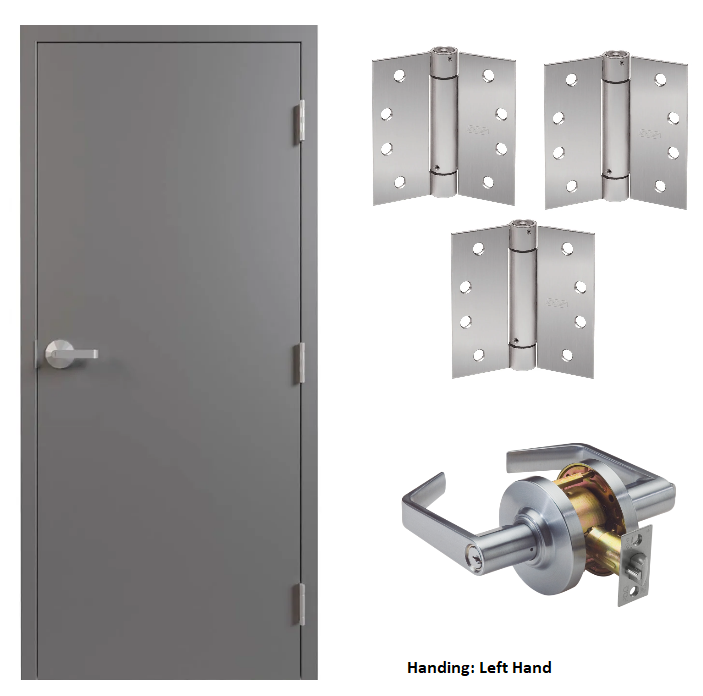
Credit: mdisupply.com
Frequently Asked Questions
What Tools Are Needed To Install A Deadbolt On Steel Doors?
You need a drill, metal drill bits, screwdrivers, a measuring tape, and a deadbolt installation kit. A marker for precise measurements is also essential.
How Do You Prepare A Commercial Steel Door For Deadbolt Installation?
First, measure and mark the door where the deadbolt will go. Then, drill holes carefully using the correct metal drill bits to avoid damage.
Can I Install A Deadbolt On Any Commercial Steel Door?
Most commercial steel doors support deadbolt installation if they are solid and thick enough. Check door specifications before starting the installation process.
How Long Does It Take To Install A Deadbolt On Steel Doors?
Installation usually takes about 30 to 60 minutes, depending on your experience and door type. Proper preparation can speed up the process.
Conclusion
Installing a deadbolt on a commercial steel door improves security and peace of mind. It takes some tools, patience, and careful measuring. Follow the steps to fit the lock correctly. A strong deadbolt keeps your business safe from unwanted entry.
Regular checks help ensure the lock works well over time. Small efforts make a big difference in protecting your property. Keep your door secure and enjoy a safer workspace.