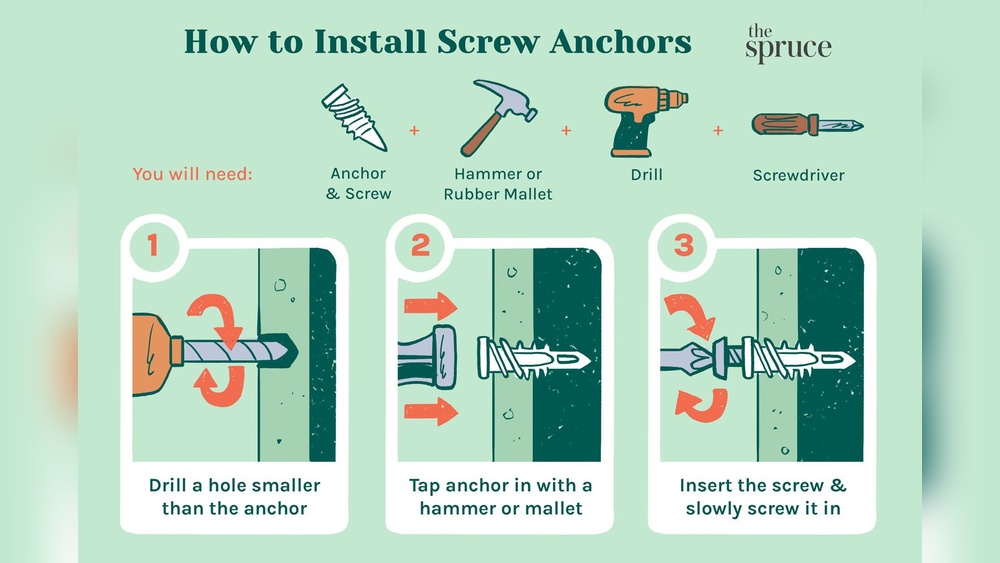
Are you tired of struggling with wall anchors that just don’t hold? Installing Sheetrock wall anchors might sound tricky, but with the right steps, you can secure your shelves, pictures, and decorations firmly in place.
Imagine hanging your favorite items without worrying about them falling down. In this guide, you’ll learn how to install Sheetrock wall anchors quickly and easily, saving you time and frustration. Keep reading, and you’ll be ready to tackle your next wall project like a pro.
Credit: www.homedepot.com
Choosing The Right Anchors
Choosing the right anchors is important for a strong hold in your drywall. The correct anchor type keeps your items safe and your walls undamaged. Different projects need different anchors. Picking the right one makes installation easier and more secure.
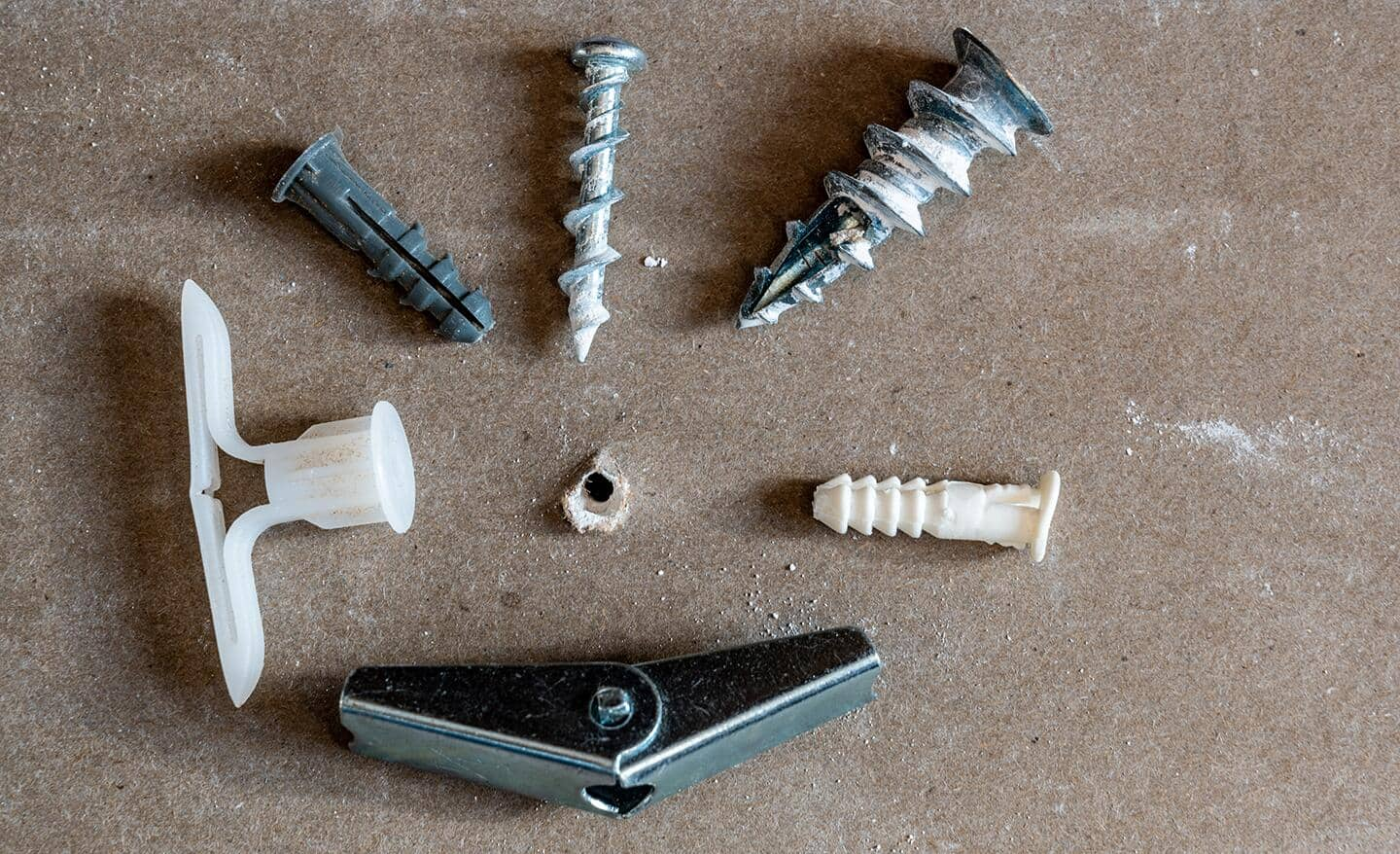
Types Of Sheetrock Anchors
Plastic expansion anchors are simple and good for light items. They spread inside the wall when you tighten the screw. Threaded anchors screw directly into drywall for medium loads. They have wide threads to grip the wall firmly. Molly bolts expand behind the wall for heavier objects. They offer strong support and do not slip. Toggle bolts have metal wings that open inside the wall. They hold very heavy items securely. Each type fits different wall weights and uses.
Matching Anchors To Wall Weight
Light items need light anchors. Plastic anchors work well for small pictures or clocks. Medium weight items, like shelves or mirrors, need threaded anchors or molly bolts. Heavy objects, such as large mirrors or TV mounts, require toggle bolts. Check the weight of the item before choosing. Overloading anchors can cause damage and accidents. Always pick an anchor rated for the weight of your item.
Credit: www.moneypit.com
Tools And Materials Needed
Installing sheetrock wall anchors requires the right tools and materials. Having everything ready makes the job easier and safer. This section covers the essential items needed for a smooth installation.
Essential Tools
You will need a drill with appropriate drill bits. A screwdriver or a drill with a screwdriver bit is necessary to insert the anchors. A tape measure helps to mark the exact spots on the wall. A pencil is useful for marking. A level ensures your anchors are straight. A hammer may be needed for some anchor types. Having a utility knife can help to clean up holes or cut drywall if needed.
Safety Equipment
Safety goggles protect your eyes from dust and debris. Work gloves shield your hands from sharp edges and tools. A dust mask helps prevent inhaling drywall dust. Wearing proper clothing protects your skin. Make sure your work area has good lighting to avoid accidents.
Preparing The Wall
Preparing the wall is the first step to install Sheetrock wall anchors correctly. This step ensures the anchors hold firmly and the item stays secure. Taking time to prepare helps avoid damage and loose fittings.
Proper preparation includes finding the right spots on the wall and marking them clearly. This makes the installation smoother and more accurate.
Locating Studs
Studs provide strong support behind the drywall. Use a stud finder to locate them easily. Move the finder slowly across the wall. Mark the edges of each stud lightly with a pencil. Avoid placing anchors too far from studs unless using special drywall anchors.
Marking Anchor Points
Measure the area where you want to hang or mount. Use a level to keep marks straight. Mark the exact points for the anchors with a pencil. Double-check the spacing before drilling. Clear, precise marks help you drill in the right spots.
Drilling Pilot Holes
Drilling pilot holes is a key step in installing Sheetrock wall anchors. It helps the anchor go in smoothly and hold firmly. A proper pilot hole prevents the wall from cracking or breaking. This step makes sure the anchor fits tightly and supports the weight well. Follow simple tips to drill pilot holes correctly and safely.
Selecting Drill Bits
Choose a drill bit that matches the anchor size. The hole should be slightly smaller than the anchor’s diameter. This ensures a tight fit. Use a high-quality bit for clean holes. A dull bit can damage the wall or make the hole uneven. For drywall, a standard twist bit works well. For harder surfaces, consider a masonry or spade bit.
Drilling Techniques
Mark the spot where you want the anchor. Hold the drill steady and straight. Start drilling slowly to avoid slipping. Increase speed once the bit is in the wall. Drill only as deep as the anchor length. Avoid pushing too hard to prevent damage. Clean out dust from the hole before inserting the anchor. This helps the anchor grip better.
Installing Different Anchor Types
Installing different types of sheetrock wall anchors ensures strong support for your wall fixtures. Each anchor type fits certain needs and wall conditions. Understanding how to install them helps prevent damage and keeps your items secure. Below are simple steps for three common anchor types.
Plastic Expansion Anchors
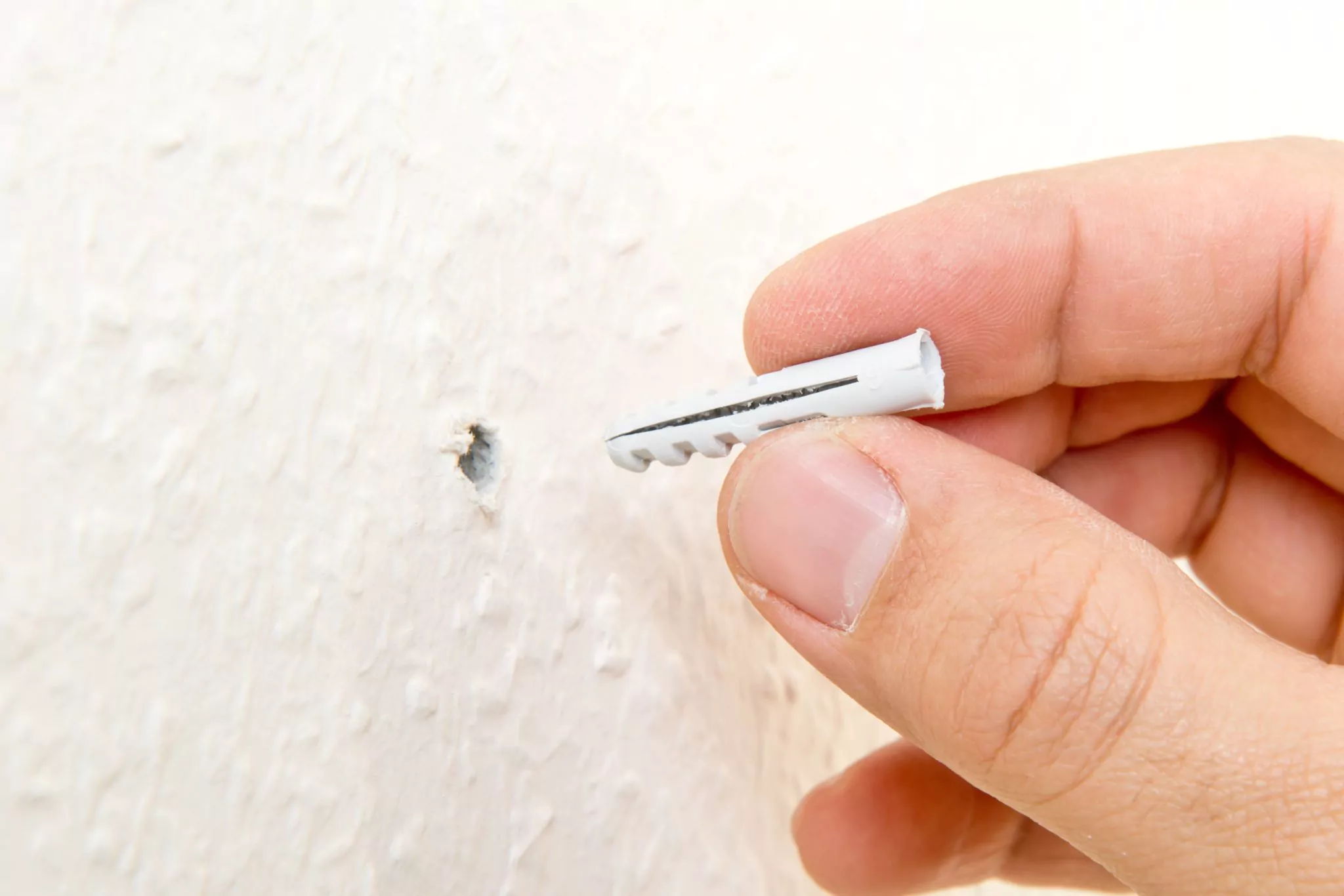
First, drill a hole slightly smaller than the anchor diameter. Push the plastic anchor into the hole until flush with the wall. Insert the screw into the anchor and tighten it. The anchor expands inside the wall, holding tight. Avoid overtightening to prevent anchor damage.
Toggle Bolts
Drill a larger hole to fit the folded toggle wings. Thread the bolt through the fixture and attach the toggle wings. Push the toggle through the hole; it opens behind the wall. Pull the bolt to set the wings firmly. Tighten the bolt carefully to secure the fixture.
Self-drilling Anchors
Place the anchor on the wall surface where you want it. Use a screwdriver to turn the anchor clockwise. The anchor drills itself into the drywall without pre-drilling. Stop when the anchor is flush with the wall. Insert the screw and tighten to hold your object.
Testing Anchor Stability
Testing the stability of sheetrock wall anchors is essential for safe and secure mounting. This step ensures the anchors hold the weight and stay fixed over time. A stable anchor prevents damage to your walls and keeps objects firmly in place.
Checking Support Strength
After installing the anchor, gently pull on the attached item. Feel for any movement or looseness in the anchor. If it stays firm, the anchor supports the load well. Test with a moderate force, similar to the weight it will hold. This simple check confirms the anchor’s strength and reliability.
Troubleshooting Loose Anchors
Loose anchors can cause objects to fall and damage walls. If you notice any wiggle, remove the anchor carefully. Check the hole size; it might be too large for the anchor. Use a bigger anchor or fill the hole with a patching compound before reinstalling. Tighten the anchor firmly but avoid over-tightening to prevent wall damage.
Tips For Long-lasting Support
Proper installation of Sheetrock wall anchors ensures strong and lasting support. Following key tips helps avoid damage and keeps anchors secure over time. Careful attention during installation and regular checks maintain stability and safety.
Avoiding Common Mistakes
Choose the right type of anchor for your wall and weight load. Use a drill bit that matches the anchor size to make a snug fit. Avoid over-tightening screws, as this can weaken the anchor hold. Do not reuse old anchors; they lose strength after removal.
Maintenance And Inspection
Check anchors periodically for signs of loosening or damage. Tighten screws gently if you find any wobbling. Replace anchors that show cracks or pull away from the wall. Keep the area around anchors clean to prevent dust buildup.

Credit: www.youtube.com
Frequently Asked Questions
What Tools Do I Need To Install Sheetrock Wall Anchors?
You need a drill, screwdriver, pencil, tape measure, and the correct size Sheetrock anchors. These tools ensure proper installation and secure mounting.
How Do I Choose The Right Sheetrock Anchor Size?
Select anchors based on the weight of the item you’re hanging. Check the anchor packaging for weight limits and size compatibility with your drywall.
Can I Install Sheetrock Anchors Without Studs?
Yes, Sheetrock anchors are designed for drywall without studs. They provide extra support by expanding inside the wall when installed correctly.
How Deep Should I Drill For Sheetrock Anchors?
Drill a hole slightly smaller than the anchor’s diameter. This ensures a snug fit and prevents the anchor from spinning or pulling out.
Conclusion
Installing sheetrock wall anchors is simple with the right steps. Choose the correct anchor type for your wall and weight needs. Drill a hole carefully and insert the anchor firmly. Tighten the screw without overdoing it to avoid damage. These anchors hold shelves, pictures, and more securely.
Practice makes the process easier and faster. Trust your skills and take your time. Your walls will hold strong and look neat. Keep these tips handy for future projects. Ready to hang with confidence?