Are you struggling with hanging heavy items or shelves on your wall without worrying they might fall? Knowing how to get anchors in a wall is the key to making your space both safe and stylish.
Whether you’re a beginner or just want to improve your skills, this guide will show you simple, step-by-step methods to secure anchors correctly. Keep reading, and you’ll gain the confidence to tackle any wall project with ease and avoid costly mistakes.
Your walls will thank you!
Choosing The Right Anchor
Choosing the right anchor is key for a strong hold in your wall. It helps keep things secure and prevents damage. The right anchor depends on the wall type and the weight you want to support. Here is a guide to pick the best one for your project.
Types Of Wall Anchors
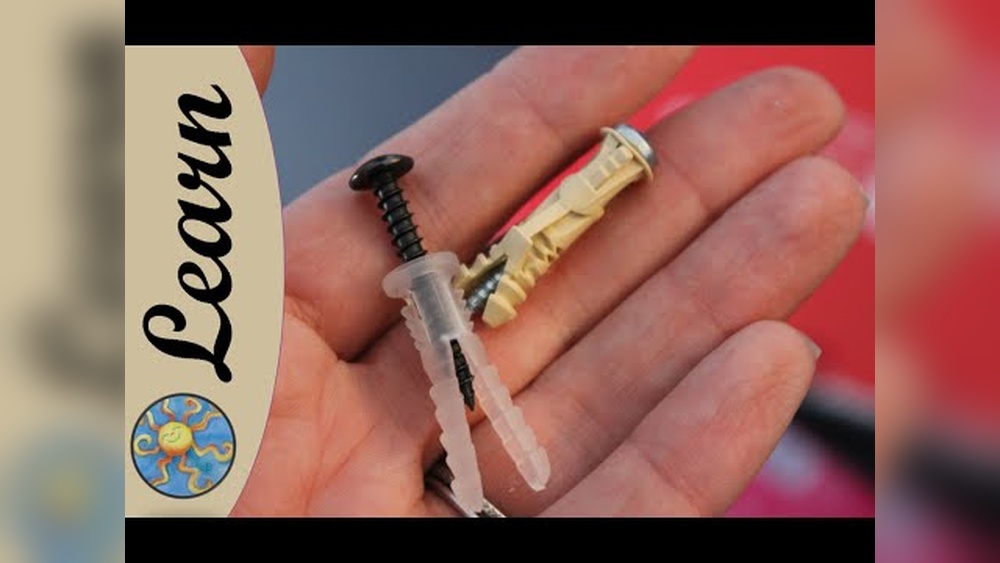
There are many wall anchors. Some common types include plastic expansion anchors, toggle bolts, and molly bolts. Plastic anchors are simple and good for light items. Toggle bolts have wings that open behind the wall for heavy loads. Molly bolts expand inside the wall for medium strength.
Matching Anchors To Wall Material
Different walls need different anchors. Drywall usually needs plastic anchors or toggle bolts. Concrete and brick walls require masonry anchors or sleeve anchors. Hollow walls work best with molly bolts or toggle bolts. Use the right anchor for your wall to avoid damage and ensure safety.
Weight Capacity Considerations
Check the anchor’s weight limit before use. Light anchors hold small pictures or decorations. Heavy anchors support shelves or large mirrors. Always choose an anchor with a higher capacity than your item’s weight. This prevents accidents and keeps your items safe on the wall.
Credit: theturquoisehome.com
Gathering Necessary Tools
Gathering the right tools is the first step to get anchors in a wall. Having the correct tools makes the job easier and safer. Each tool plays a key role in securing the anchors properly. Prepare your workspace and tools before starting the project.
Drill And Drill Bits
A drill is essential for making holes in the wall. Choose a drill that is easy to handle. Use drill bits that match the size of your wall anchors. Different materials need different drill bits. For drywall, a regular twist bit works well. For concrete or brick, use a masonry bit.
Screwdrivers And Screws
Screwdrivers help insert screws into the anchors. Pick a screwdriver that fits the screw heads perfectly. You can use a manual or electric screwdriver. Make sure you have screws that match the anchors. The screws must be the right length and thickness.
Measuring And Marking Tools
Measure carefully to place anchors in the right spots. Use a tape measure or ruler for accurate measurements. Mark the spots with a pencil to guide your drilling. A level can help keep everything straight. Precise marking avoids mistakes and wall damage.
Preparing The Wall
Preparing the wall is the first step to install anchors correctly. It ensures the anchors hold firmly and prevent damage. Careful preparation saves time and effort during the project.
Locating Studs And Avoiding Obstacles
Find the wall studs before drilling. Use a stud finder or tap the wall to hear solid spots. Avoid electrical wires and pipes hidden inside. Check for these obstacles to prevent accidents and damage.
Marking Anchor Points
Mark the exact spots for anchors with a pencil. Measure twice to ensure accuracy. Clear marks help guide the drilling and keep the anchors straight.
Drilling Pilot Holes
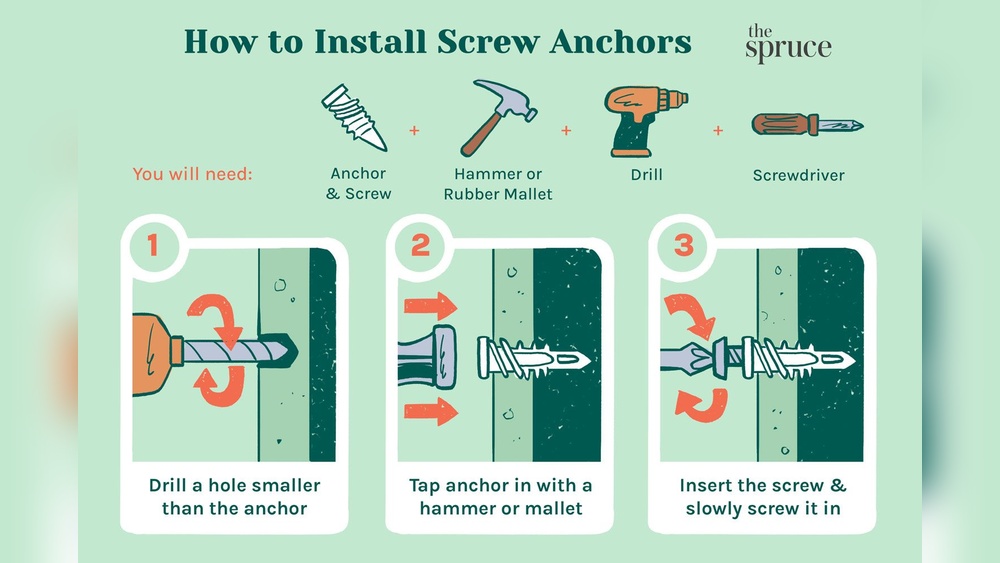
Drill small pilot holes at marked points. Use a drill bit smaller than the anchor size. Pilot holes make it easier to insert anchors and reduce wall damage.
Installing Different Anchor Types
Installing anchors in a wall needs the right type for strong support. Different anchors suit different wall materials and weight needs. Understanding how to install each type helps ensure secure fixtures.
Here are some common anchors and how to install them properly.
Plastic Expansion Anchors
Drill a hole that fits the anchor size. Push the plastic anchor into the hole until flush. Insert the screw and tighten. The anchor expands, holding firmly inside the wall. These work well in drywall for light loads.
Toggle Bolts
Drill a hole large enough for the toggle. Thread the bolt through the item to hang. Fold the toggle wings and insert them into the hole. The wings open behind the wall for support. Tighten the bolt gently to secure the object. Use toggle bolts for hollow walls needing strong hold.
Molly Bolts
Drill a hole matching the molly bolt size. Insert the molly bolt into the hole. Tighten the screw slowly to expand the sleeve behind the wall. Remove the screw, place the fixture, and reinstall the screw. Molly bolts provide solid grip in drywall or plaster.
Self-drilling Anchors
Place the anchor tip against the wall. Use a screwdriver or drill to twist the anchor in. The sharp threads cut into drywall for a tight fit. Insert the screw after the anchor is secure. Self-drilling anchors save time and hold light to medium loads.
Testing Anchor Strength
Testing anchor strength is important to keep wall fixtures safe and steady. Strong anchors hold heavy items without slipping or breaking. Weak anchors can cause damage or accidents. Check anchor strength before hanging anything valuable or heavy. Simple tests can show if anchors fit and hold well.
Ensuring Secure Fit
Start by gently pulling on the anchor after installation. It should not move or wiggle. Use a screwdriver or your hand to test the grip inside the wall. A secure fit means the anchor stays firm under light pressure. Tighten screws carefully to avoid loosening the anchor. Check the wall surface for cracks or holes around the anchor.
Troubleshooting Loose Anchors
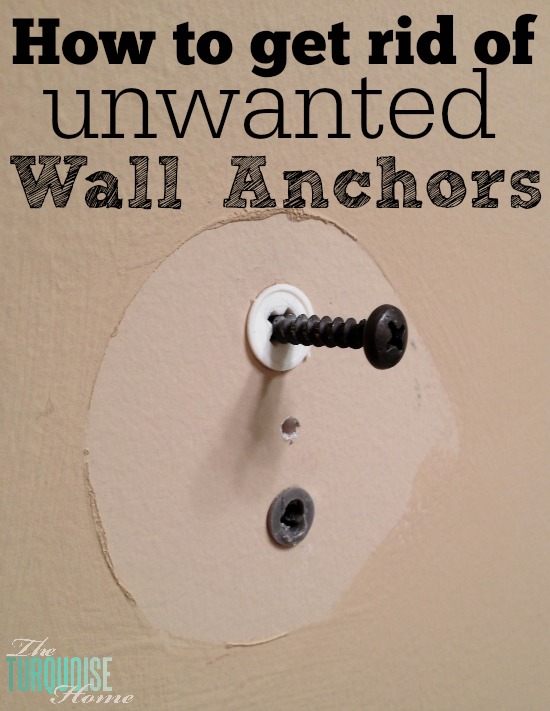
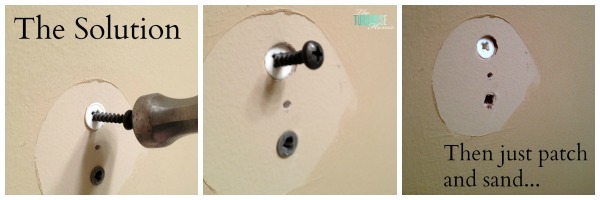
Loose anchors need quick fixing. Remove the screw and anchor from the wall. Fill the hole with wall filler or use a larger anchor size. For drywall, use toggle bolts for better hold. Avoid over-tightening screws as it can break the anchor. Test again after fixing to ensure strength and safety.
Credit: theturquoisehome.com
Safety Tips And Best Practices
Installing anchors in a wall needs care and attention. Safety is very important to avoid injuries and damage. Follow best practices to work smart and safe. Use the right tools and protect yourself well. Protect the wall and keep your tools in good shape.
Protective Gear
Wear safety goggles to protect your eyes from dust and debris. Use gloves to keep your hands safe and steady. A dust mask helps you breathe clean air. Wear sturdy shoes to protect your feet. Dress in clothes that cover your arms and legs.
Avoiding Wall Damage
Check the wall for pipes or wires before drilling. Use a stud finder to locate safe spots. Drill slowly and steadily to avoid cracks. Choose the right size anchor for your wall type. Clean the hole gently without making it bigger.
Maintaining Tools
Keep drill bits sharp and clean for better work. Store tools in a dry place to prevent rust. Check cords and batteries before starting your job. Replace worn-out parts to avoid accidents. Regularly clean tools after each use to extend their life.

Credit: www.wikihow.com
Frequently Asked Questions
What Tools Do I Need To Install Wall Anchors?
You need a drill, drill bits, a screwdriver, a hammer, and the wall anchors. A tape measure helps with precise placement. These tools ensure accurate holes and secure anchor installation for strong wall support.
How Do I Choose The Right Wall Anchors?
Select anchors based on wall type and weight load. Plastic anchors suit light loads, while metal or toggle anchors handle heavy items. Matching anchors to your wall ensures stability and prevents damage.
Can I Install Anchors In Drywall Without Studs?
Yes, use drywall anchors like toggle or molly bolts for secure mounting. These anchors spread weight across the drywall, providing better hold than screws alone. Avoid heavy loads without studs.
How Deep Should I Drill Holes For Wall Anchors?
Drill holes slightly deeper than the anchor length. This allows the anchor to fit fully and expand properly inside the wall. Proper depth ensures strong, reliable support for your mounted items.
Conclusion
Getting anchors in a wall is easier than it seems. Choose the right anchor for your wall type. Drill a hole carefully to avoid damage. Insert the anchor firmly and securely. Tighten screws slowly to hold items safely. This simple process helps hang things without worry.
Practice a few times to gain confidence. Soon, you will handle wall anchors like a pro. Keep these steps in mind for every project. Your walls will hold strong and steady.