If you’ve ever tried to hang something heavy on a plaster wall, you know it’s not as simple as it sounds. You need the right method to make sure your anchors hold strong and your wall stays intact.
But how do you do that without causing damage or frustration? This guide will show you exactly how to anchor a plaster wall safely and securely, step by step. By the end, you’ll have the confidence to tackle your project like a pro—and avoid common mistakes that can cost you time and money.
Keep reading to learn the secrets that will make your wall-hanging tasks easier and more reliable.

Credit: abutterflyhouse.com
Tools And Materials Needed
Preparing to anchor a plaster wall requires the right tools and materials. Using proper equipment makes the job easier and safer. It also ensures a strong, lasting hold for whatever you mount.
This section lists what you need to get started. Gather these items before you begin any wall anchoring project.
Essential Tools
You will need a drill with different drill bits. A screwdriver or a power driver helps to fasten anchors securely. A tape measure ensures accurate placement. A pencil marks the spots for drilling. A level keeps your work straight. A hammer might be needed to tap in some anchors.
Choosing The Right Anchors
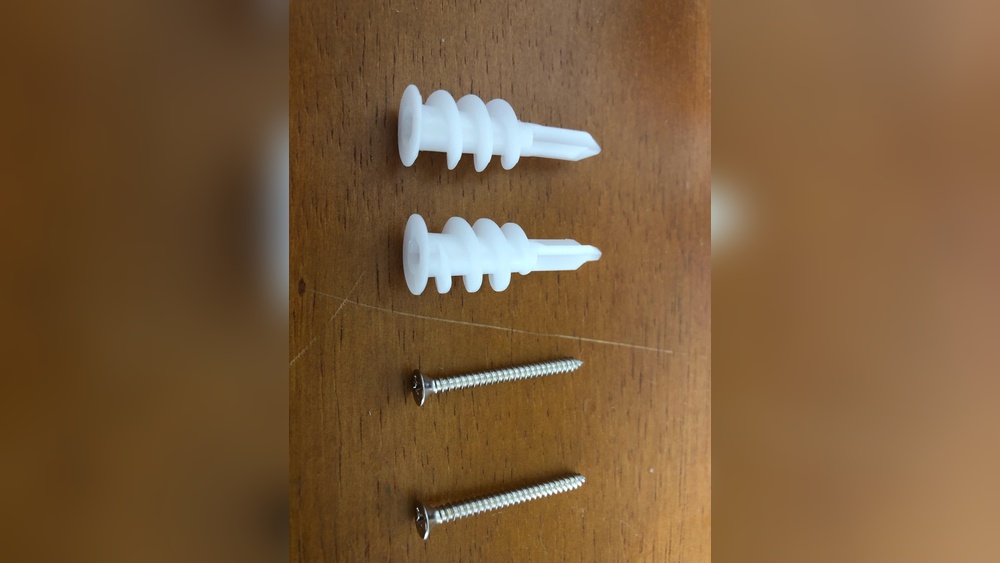
Select anchors designed for plaster walls. Plastic expansion anchors work well for light loads. Metal anchors provide stronger support for heavy items. Toggle bolts spread the load behind the wall. Make sure the anchor size fits your screw and the weight of the item you hang.
Safety Gear
Wear safety goggles to protect your eyes from dust and debris. Use a dust mask to avoid inhaling plaster particles. Gloves protect your hands from sharp edges and tools. Hearing protection is useful if you use power tools for a long time.
Preparing The Wall
Preparing the wall is the first step to anchor plaster walls properly. It ensures the anchors hold firmly and the wall stays strong. Careful preparation prevents damage and makes the process easier. Follow simple steps to get the wall ready.
Inspecting The Plaster Surface
Check the plaster for cracks or loose spots. Weak areas can cause anchors to fail. Tap the surface gently to hear hollow sounds. Mark weak spots to avoid them later. Solid plaster gives the best support for anchors.
Cleaning The Area
Remove dust and dirt from the wall. Use a brush or vacuum to clean thoroughly. Dirt can stop anchors from gripping well. Clean surfaces help the anchors stay in place longer. Make sure the wall is dry before proceeding.
Marking Anchor Points
Decide where to place the anchors on the wall. Use a pencil to mark exact spots. Measure carefully to keep points even and straight. Clear markings guide you during drilling or screwing. Accurate points make the job neat and secure.
Drilling Into Plaster Walls
Drilling into plaster walls requires care and the right tools. Plaster is fragile and can crack or crumble if not handled properly. You need to choose the right drill bit and use the correct technique. Doing this helps you avoid damage and ensures the anchor holds well.
Selecting The Correct Drill Bit
Use a masonry drill bit for plaster walls. These bits have a strong tip that cuts through plaster cleanly. Choose a size slightly smaller than the anchor you plan to use. This helps the anchor fit tightly and stay secure. Avoid using wood or metal bits; they can cause cracks.
Drilling Techniques
Start drilling slowly to avoid slipping on the wall surface. Hold the drill steady and apply gentle pressure. Drill straight into the wall, not at an angle. Stop drilling as soon as you reach the desired depth. Pull the drill out carefully to prevent plaster dust from falling.
Preventing Wall Damage
Place painter’s tape on the spot before drilling. The tape helps prevent plaster from chipping. Drill in short bursts instead of continuous drilling. This reduces heat and vibration, which can crack plaster. Use a vacuum or brush to clean dust from the hole. This helps anchors grip better and stops dust from spreading.
Credit: www.ashanging.com
Installing Anchors
Installing anchors in a plaster wall helps secure objects safely. Plaster is brittle, so anchors spread weight to avoid cracks. Choosing the right anchor depends on the weight and type of object. Proper installation keeps walls strong and prevents damage.
Types Of Anchors For Plaster
Plastic anchors work well for light loads. Metal anchors provide better strength for medium weight. Toggle bolts are best for heavy items. Each type fits different wall conditions and weight limits. Knowing these helps pick the right one for the job.
Inserting Plastic Anchors
First, drill a small hole in the plaster. Use a drill bit that matches the anchor size. Push the plastic anchor gently into the hole. Tap lightly with a hammer if needed. The anchor should sit flush with the wall surface. Screw the fastener into the anchor until tight.
Using Toggle Bolts
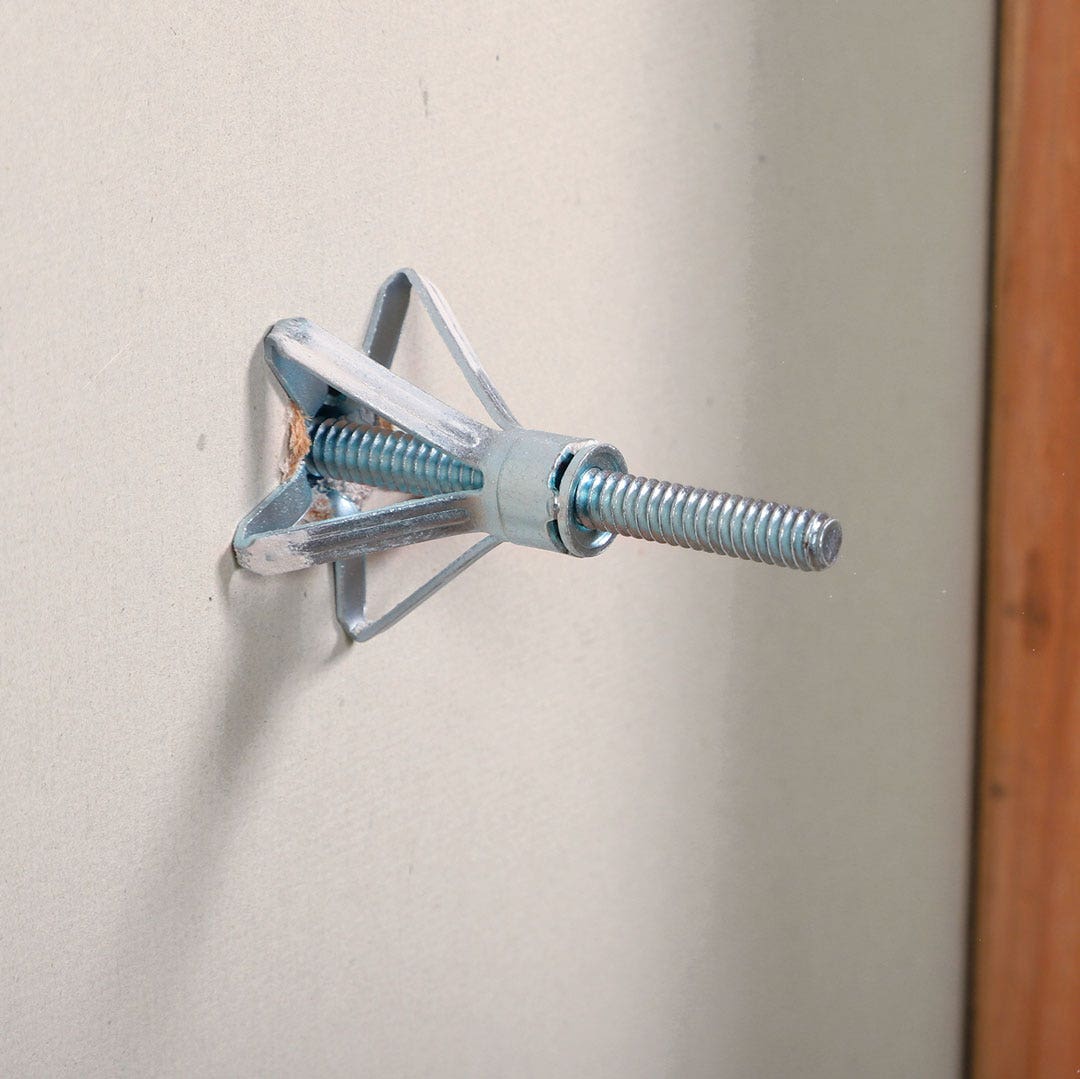
Drill a larger hole to fit the toggle. Squeeze the toggle wings closed. Push the toggle through the hole inside the wall cavity. The wings open and grip the back of the plaster. Pull back gently to secure. Tighten the bolt slowly to hold objects firmly.
Securing Fixtures
Securing fixtures to plaster walls requires care and the right technique. Plaster is brittle and can crack or crumble under pressure. Proper anchoring ensures your fixtures hold firmly and last long. This section explains how to attach screws and hooks safely, maintain stability, and test your fix.
Attaching Screws And Hooks
Choose the right anchors for plaster walls. Use plastic or metal anchors made for plaster. Drill a small hole first to avoid cracks. Gently insert the anchor without forcing it. Screw in the hook or screw until it is tight but not too tight. This prevents damage and keeps the fixture secure.
Ensuring Stability
Check if the anchor sits flush with the wall. Loose anchors can cause fixtures to fall. Use a level to make sure hooks or screws are straight. Spread the weight evenly if hanging heavy items. This reduces stress on a single point and increases stability.
Testing The Fix
After installation, gently pull on the fixture. It should not wiggle or move. Test with light pressure at first. Gradually increase pressure to confirm strength. If the fixture feels loose, remove and try another anchor type. Secure fixtures keep your wall and items safe.
Tips For Long-lasting Anchors
Anchoring plaster walls requires care to ensure the anchors last long. Proper methods help avoid damage and keep your walls strong. Follow these tips to make your anchors secure and durable.
Avoiding Overloading
Do not put too much weight on one anchor. Each anchor has a limit on how much it can hold. Spread heavy items across multiple anchors. This reduces stress on the plaster and prevents cracks.
Regular Maintenance
Check your anchors often for any signs of loosening. Tighten screws if they feel loose. Dust and clean around the anchors to prevent dirt buildup. This keeps the anchor stable and secure over time.
Dealing With Cracks
Small cracks around anchors need quick attention. Fill cracks with plaster or filler to stop them from growing. Reinstall anchors if the damage is severe. Fixing cracks early protects the wall’s strength.

Credit: www.youtube.com
Frequently Asked Questions
What Is Anchoring Plaster Walls?
Anchoring plaster walls means securing them to the underlying structure. This prevents cracks and loosening. It improves wall stability and durability.
How Do I Prepare A Plaster Wall For Anchoring?
Clean the wall surface and remove loose plaster. Mark the anchor points clearly. Use a drill to create holes for anchors.
Which Anchors Work Best For Plaster Walls?
Toggle bolts and wall plugs are ideal. They provide strong support without damaging plaster. Choose anchors based on wall thickness and weight load.
Can I Anchor Heavy Objects On Plaster Walls?
Yes, but use heavy-duty anchors like toggle bolts. Ensure the wall is in good condition. Distribute weight evenly to avoid damage.
Conclusion
Anchoring plaster walls can be simple with the right steps. Use proper tools and take your time. Secure anchors keep items safe and walls strong. Always check the wall for cracks or damage first. Small mistakes can cause big problems later.
Follow instructions carefully and measure twice. This way, your wall will hold whatever you hang. Practice makes the process easier and faster. Keep these tips in mind for a solid result. You can do this with patience and care.

