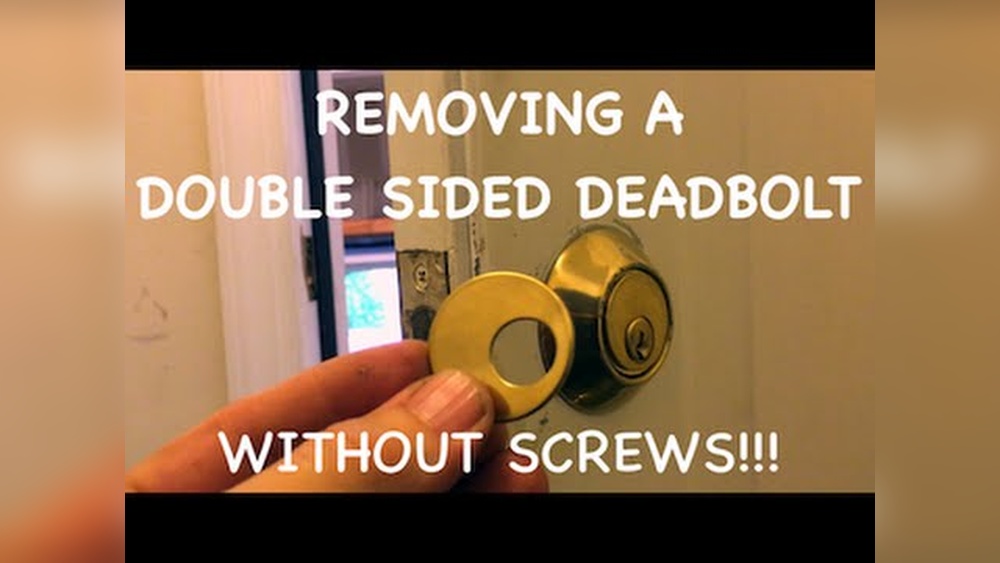
Have you ever wondered how to deadbolt your door from the outside quickly and securely? Whether you forgot to lock your door before leaving or want to add an extra layer of safety when you’re away, knowing this simple trick can give you peace of mind.
You’ll discover easy steps to deadbolt your door from the outside without hassle. Keep reading to learn how to protect your home effortlessly and feel safer every time you step out.

Credit: www.reddit.com
Choosing The Right Deadbolt
Choosing the right deadbolt is important for your door’s security. It helps keep your home safe from unwanted entry. Picking the best deadbolt depends on several factors. These include the type, how you lock it, and the material. Each factor affects how well the deadbolt works and how long it lasts.
Types Of Deadbolts
There are three main types of deadbolts. Single-cylinder deadbolts use a key outside and a thumb turn inside. Double-cylinder deadbolts require a key on both sides. This is good for doors with glass nearby. Lockable thumbturn deadbolts let you lock the thumb turn with a key. Choose a type that fits your door and security needs.
Keyed Vs. Keyless Options
Keyed deadbolts need a key to lock or unlock. They offer strong security and control. Keyless deadbolts use a code or fingerprint. They are easy to use and do not need keys. Keyless models can have battery backups. Decide what suits your lifestyle best. Security and convenience both matter here.
Material And Durability
Deadbolts come in different materials. Brass, steel, and bronze are common choices. Steel is very strong and resists force well. Brass looks nice and resists rust. Bronze offers good durability and style. Check the deadbolt’s grade rating too. Grade 1 is the strongest, followed by 2 and 3. Pick a deadbolt that lasts long and withstands attacks.
Tools And Materials Needed
Before you start deadbolting a door from the outside, gather the right tools and materials. This preparation makes the task easier and safer. Using proper tools ensures a secure and neat installation. Here is a list of everything you need for the job.
Essential Tools
- Power drill with drill bits
- Screwdriver (Phillips and flathead)
- Measuring tape
- Pencil or marker
- Chisel
- Hammer
- Level
Safety Gear
- Safety goggles to protect your eyes
- Work gloves for hand protection
- Dust mask to avoid breathing dust
Additional Supplies
- Deadbolt lock kit
- Wood filler for any gaps
- Sandpaper to smooth edges
- Masking tape to mark drill points
Preparing The Door And Frame
Preparing the door and frame is the first step in installing a deadbolt from the outside. This process ensures the lock fits securely and works smoothly. Taking time here helps avoid problems later.
Measuring And Marking
Start by measuring the height where you want the deadbolt. Standard height is about 6 to 12 inches above the doorknob. Use a tape measure for accuracy. Mark the spot clearly with a pencil. Check that the marks line up on both the door and frame. Precise marks guide your drilling and fitting.
Drilling Proper Holes
Use a drill with the correct bit size for the deadbolt. Drill the hole through the door at your marked spot. Drill slowly to avoid splintering the wood. Make sure the hole is straight and clean. Drill a hole in the door frame for the strike plate. These holes must be deep enough for the bolt to slide in easily.
Reinforcing The Frame
Strengthen the door frame around the bolt area. Use a metal strike plate with long screws. The screws should go deep into the wall stud, not just the frame. This adds security and stops the door from breaking open. Reinforcing the frame protects your home better.
Installing The Deadbolt
Installing a deadbolt on your door adds strong security. It is a simple process but needs care. Follow these steps to fit the deadbolt correctly. Proper installation keeps your home safe and the lock working well.
Fitting The Deadbolt Mechanism
Start by placing the deadbolt mechanism into the door hole. Make sure it fits snugly. Align the bolt so it moves smoothly in and out. Attach the mechanism with screws provided. Tighten the screws firmly but avoid over-tightening.
Securing The Strike Plate
Next, position the strike plate on the door frame. The bolt must slide into the strike plate easily. Mark the screw holes and drill pilot holes. Use long screws for extra strength. Secure the strike plate tightly to prevent any movement.
Testing The Lock
Check the deadbolt by turning the key from outside. The bolt should extend fully into the strike plate. Lock and unlock several times to ensure smooth action. Adjust the strike plate or bolt if it sticks. Proper testing confirms your door is safely secured.
Tips For Enhanced Security
Enhancing the security of your door is essential for peace of mind. Small improvements can make a big difference. These tips help make your deadbolt stronger and more reliable. Follow them to protect your home better.
Using Longer Screws
Replace short screws in the strike plate with longer ones. Screws that reach the wall stud hold the door frame firmly. This prevents forced entry by making the frame harder to break. Use screws at least 3 inches long for best strength.
Adding A Security Plate
Install a metal security plate around the deadbolt area. This plate covers weak spots in the door frame. It stops the door from splitting under force. Security plates come in various sizes and are easy to fix with screws.
Regular Maintenance
Check your deadbolt and door frame often. Tighten loose screws and oil the lock mechanism. Clean dirt and dust from the lock to keep it smooth. Regular care ensures your deadbolt works well every time.

Credit: www.reddit.com
Troubleshooting Common Issues
Troubleshooting common issues helps keep your deadbolt working smoothly. Problems can stop your door from locking or unlocking easily. Knowing simple fixes saves time and frustration. This section covers the most frequent problems and how to solve them quickly.
Misalignment Problems
Misalignment happens when the deadbolt does not line up with the strike plate. This stops the bolt from sliding in correctly. Check if the door or frame has shifted. Tighten loose screws on the strike plate. Use a file to adjust the strike plate hole if it is too small. Adjust the door hinges if the door hangs unevenly. Small changes make a big difference.
Key Turning Difficulties
Keys that are hard to turn can cause trouble locking the door. Dirt or rust inside the lock can block the key. Spray a small amount of graphite lubricant into the keyhole. Avoid oil-based lubricants as they attract dust. Make sure the key is not bent or worn out. Try a spare key to test. Replace the lock if the key still sticks.
Lock Jamming Solutions
A jammed lock stops the deadbolt from moving at all. Dirt, ice, or broken parts may cause the jam. Clean the lock with compressed air to remove debris. Warm the lock gently if it is frozen. Do not force the key or bolt as this can break the lock. If the lock is damaged, call a locksmith for repair or replacement.
Alternative Locking Solutions
Deadbolting a door from the outside is not the only way to keep your home safe. Alternative locking solutions offer extra security and convenience. They can fit different needs and budgets. These options add layers of protection to your door. Let’s explore some popular alternatives.
Smart Locks
Smart locks use technology to control door access. You can lock or unlock your door with a phone app. Some models allow temporary access codes for guests. They often connect to your Wi-Fi or Bluetooth. Smart locks increase security without needing traditional keys.
Door Chains And Bars
Door chains and bars provide a simple, physical barrier. They let you open the door a little to see outside. The chain or bar stops the door from opening fully. These devices add a quick layer of security. They are easy to install and use.
Security Cameras Integration
Security cameras work well with locking systems. They let you watch your door remotely. Some cameras have motion sensors and alerts. You can see who is at your door before opening it. Cameras add a visual security layer to your home.
Credit: www.youtube.com
Frequently Asked Questions
How Can I Deadbolt A Door From Outside Safely?
Use a key-operated deadbolt lock designed for exterior doors. Ensure the lock aligns properly with the strike plate. Always test the lock before leaving. This method secures your door without compromising safety or convenience.
What Tools Are Needed To Deadbolt A Door Externally?
You need a key-operated deadbolt lock, a drill, screwdriver, measuring tape, and pencil. These tools help install the lock accurately. Proper tools ensure the deadbolt fits securely and functions smoothly.
Can I Deadbolt A Door Without Drilling Holes?
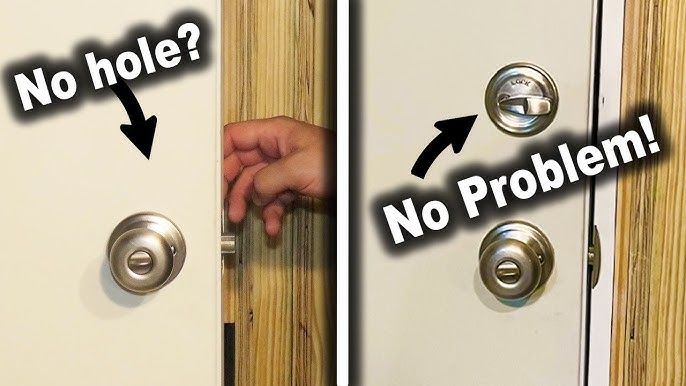
Most deadbolt locks require drilling for proper installation. However, some surface-mounted locks offer no-drill options but may be less secure. For maximum safety, drilling is usually necessary to install a deadbolt externally.
Is It Legal To Deadbolt A Door From Outside?
Yes, it is generally legal to install a deadbolt on your door’s exterior. Ensure you have permission if renting. Follow local building codes and landlord rules to avoid legal issues.
Conclusion
Securing your door with a deadbolt from outside adds strong protection. It keeps unwanted guests away and gives peace of mind. Always choose the right tools and follow safety steps carefully. Practice the process a few times to feel confident.
Remember, a well-locked door is a simple way to stay safe. Take your time, and do it right. Your home deserves the best security you can provide.