Have you ever found yourself locked out and wishing you had a simple trick to get back inside quickly? Knowing how to open a deadbolt lock with bobby pins can be a lifesaver in moments like these.
It’s a skill that doesn’t require fancy tools or special training—just something you can do with items you probably already have at home. In this guide, you’ll learn easy, step-by-step methods to unlock a deadbolt using bobby pins safely and effectively.
Keep reading, because mastering this technique could save you time, stress, and even money when you’re in a pinch.
Credit: www.youtube.com
Tools Needed
Opening a deadbolt lock with bobby pins needs a few simple tools. These tools help you work the lock carefully and safely. Using the right items can make the process easier and more effective.
Selecting The Right Bobby Pins
Choose bobby pins that are strong and not bent. Plain metal pins work best. Avoid plastic-coated or painted pins because they slip easily. Straighten the pins as much as possible for better control. One pin will act as a pick and the other as a tension wrench.
Additional Items To Have
Keep a pair of needle-nose pliers nearby. They help bend the bobby pins to the right shape. A small flashlight is useful to see inside the lock clearly. A flat surface to work on keeps everything steady and organized. Have patience and a steady hand for best results.
Preparing The Bobby Pins
Preparing the bobby pins is the first step in opening a deadbolt lock. It helps to make the pins easier to handle and more effective. Taking time to shape and adjust the pins can improve your chances of success.
Removing The Coating
Most bobby pins have a plastic coating on the tips. This coating can stop the pins from fitting well inside the lock. Use a small tool like nail clippers to carefully remove the plastic tips. Be gentle to avoid bending the pins too early.
Removing the coating also helps the pins feel the lock’s internal parts better. This improves your control during the process. Clean metal tips work best for picking a deadbolt lock.
Bending For Better Grip
Bend one bobby pin slightly at the tip to create a small hook. This pin will act as the pick to move the lock’s pins. The hook shape helps reach and lift the lock pins inside.
Bend the second bobby pin to form a straight line or a small curve. Use this pin as the tension wrench to turn the lock. Adjust the bends to fit your hand comfortably. Proper shaping gives you better grip and control.
Basic Deadbolt Lock Mechanics
Understanding how a deadbolt lock works helps explain how to open it with bobby pins. Deadbolts are simple but strong locks. They use a solid metal bolt that slides into the door frame. This bolt secures the door tightly. The lock moves the bolt by turning a key or a knob.
Inside the lock, small parts work together to control the bolt. These parts include pins that block or allow the bolt to move. The pins must line up perfectly to let the lock turn. This design keeps the door safe from most quick attempts to open it without a key.
How Deadbolts Work
Deadbolts use a thick metal bolt to lock doors. The bolt slides into a hole in the door frame. This stops the door from opening. Inside the lock, pins block the bolt from moving. The key lifts these pins to the right height. When all pins align, the bolt can slide open. This makes the lock secure and tough.
Why Bobby Pins Can Work
Bobby pins can mimic the shape of a key inside the lock. One pin acts as a tool to push the pins inside the lock. The other pin can turn the lock once pins line up. By lifting the pins to the right position, the lock opens. This works only on simple locks without advanced security features.
Step-by-step Lock Picking
Step-by-step lock picking is a careful process. Each move affects the lock’s pins inside. Patience and steady hands help a lot. Using bobby pins can do the trick with practice. Follow these steps to try it yourself.
Inserting The Tension Wrench
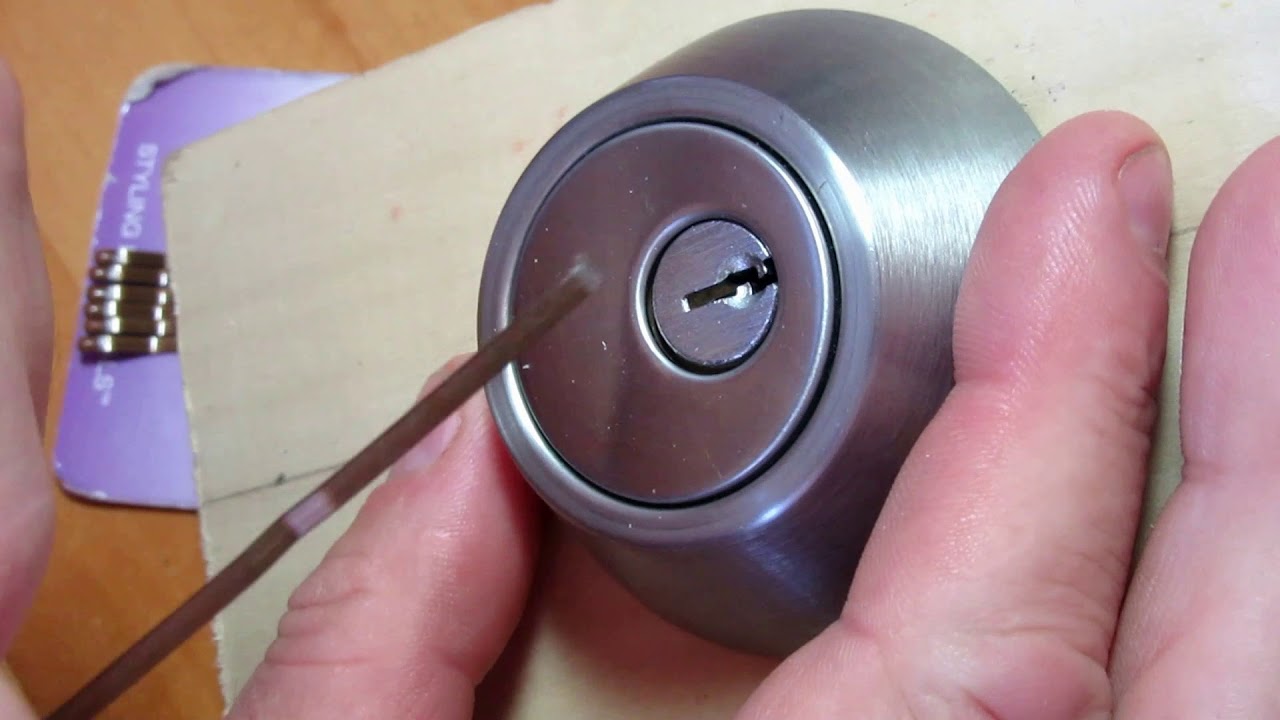
Bend one bobby pin to form a small L shape. This piece acts as the tension wrench. Insert it into the bottom part of the keyhole. Apply light pressure in the direction the lock turns. This tension keeps the pins from falling back.
Manipulating The Pins
Take the second bobby pin and straighten it out. Use it to push up the pins inside the lock. Push each pin one by one. Feel for pins that move slightly. These are the pins that must be set at the right height.
Applying Correct Tension
Keep steady, light pressure on the tension wrench. Too much force will block the pins from moving. Too little tension lets pins fall back down. Adjust pressure carefully as you lift the pins. This balance helps the lock open smoothly.
Common Challenges
Opening a deadbolt lock with bobby pins can be tricky. Many face common challenges that slow down the process or cause mistakes. Understanding these hurdles helps you work smarter and avoid frustration.
Two main issues often arise: dealing with stubborn pins and avoiding damage to the lock. Both require patience and careful technique.
Dealing With Stubborn Pins
Sometimes, the pins inside the lock refuse to move easily. They may feel tight or stuck. This happens because the lock parts are small and precise. Gentle pressure is key. Push or lift the pins slowly. Quick or hard moves can jam them further. Try to feel each pin’s position. This helps to know when it is set correctly. Take breaks to avoid forcing the pins too much.
Avoiding Damage To The Lock
Using bobby pins risks bending or breaking the pins. It can also damage the lock’s inner parts. Use smooth, clean pins without rust. Do not force the pins inside the lock. Twisting or pushing too hard can cause harm. Always move the pins carefully and softly. Keep the lock clean and free from dirt. Damage will make opening even harder next time.

Credit: www.wikihow.com
Safety And Legal Considerations
Learning how to open a deadbolt lock with bobby pins can be useful in some situations. Safety and legal factors must guide you when using this skill. Using these tools without permission can cause trouble. Knowing when and how to use this skill is very important.
When It’s Legal To Pick Locks
Picking locks is legal only in specific situations. You can pick your own lock if you lose your key. Locksmiths use these skills with permission from clients. Picking locks on someone else’s property is illegal. Always have clear permission before trying to pick any lock. Laws vary by place, so check local rules first.
Responsible Use Of This Skill
Use lock picking skills responsibly and with care. Practice only on locks you own or have permission to open. Avoid using bobby pins to enter places without consent. Misuse can lead to serious legal problems. Respect others’ property and privacy at all times. Use this skill to help, not to harm or break rules.
Alternatives To Bobby Pins
Sometimes, bobby pins are not the best choice for opening a deadbolt lock. You might not have them on hand. Or they may bend too easily. There are other simple tools that can help you pick a lock. These alternatives are easy to find and use.
Using Paperclips
Paperclips are a common household item. They can work like bobby pins for lock picking. Straighten one paperclip to use as a tension wrench. Bend another into a small hook shape to move the pins inside the lock. Paperclips are thin and flexible, making them a good option. They might not be very strong, so be gentle to avoid breaking them inside the lock.
Professional Lock Picking Tools
Professional lock picking tools are made for this job. They include picks and tension wrenches in different shapes and sizes. These tools offer better control and durability than household items. You can buy beginner kits online or in stores. Using these tools requires practice. They make picking a lock easier and cleaner. Avoid forcing the lock to prevent damage.

Credit: www.wikihow.com
Tips For Practice
Practicing how to open a deadbolt lock with bobby pins needs patience and the right approach. It helps to start small and build your skill step by step. Consistent practice improves your hand control and understanding of lock mechanics. This section shares tips to make your practice effective and rewarding.
Starting With Practice Locks
Begin with practice locks designed for learning. These locks are easier to open than real deadbolts. They allow you to feel how pins inside the lock move. Use two bobby pins to simulate the tension wrench and pick. Practice slowly and focus on gentle movements. This builds confidence and prevents damage to real locks.
Improving Your Technique
Work on your hand positioning and pressure control. Use light, steady pressure on the tension wrench. Move the pick carefully to lift pins one by one. Listen for subtle clicks or changes in resistance. Keep your movements small and precise. Try different angles with the bobby pins to find what works best. Record your progress and adjust your method as needed.
Frequently Asked Questions
How Can I Open A Deadbolt With Bobby Pins?
You can open a deadbolt by using two bobby pins as lock picks. One pin acts as a tension wrench, and the other manipulates the pins inside the lock. This method requires patience and practice to align the pins and turn the lock.
Are Bobby Pins Effective For Picking Deadbolt Locks?
Bobby pins can be effective for picking simple deadbolt locks. However, complex or high-security deadbolts may resist this method. Success depends on the lock’s design and your skill level. Always practice legal and ethical lock picking.
What Tools Do I Need Besides Bobby Pins?
Besides bobby pins, you need a tension wrench or a makeshift one from a sturdy pin. Lubricant like graphite powder can help ease the lock mechanism. Good lighting and patience improve your chances of success.
Is It Legal To Pick A Deadbolt With Bobby Pins?
Picking your own lock is generally legal, but laws vary by location. Never pick locks you don’t own or have permission to open. Always check local laws to avoid legal consequences before attempting lock picking.
Conclusion
Opening a deadbolt lock with bobby pins takes patience and care. Practice the steps slowly to avoid damaging the lock or pins. This method works best for simple locks and in emergencies only. Always try to carry a spare key or call a professional locksmith first.
Remember, using this skill responsibly is important. Keep learning and stay safe with your lock challenges.