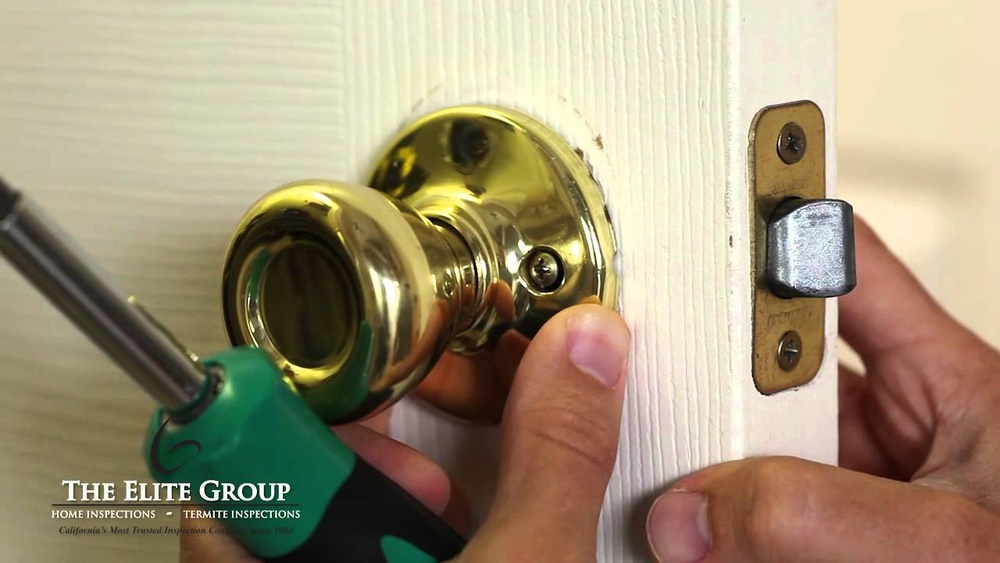
Is your deadbolt lock stuck and refusing to budge? It’s frustrating when you can’t easily secure your home or step inside because of a jammed lock.
But don’t worry—you don’t need to call a locksmith just yet. In this guide, you’ll discover simple, effective steps to fix your stuck deadbolt quickly. By the end, you’ll feel confident handling this common problem on your own, saving time and money.
Ready to unlock the solution? Let’s get started!
Identify The Problem
Identifying the problem is the first step to fixing a stuck deadbolt lock. Without knowing the cause, it is hard to find the right solution. Careful inspection helps spot common issues. This saves time and effort. Follow simple checks to understand what stops the lock from working properly.
Check For Physical Obstructions
Look closely at the deadbolt area. Dirt, dust, or small objects can block the lock. Sometimes paint or rust prevents smooth movement. Open and close the door slowly. Notice any resistance or grinding sounds. Clear away any visible debris. Use a soft brush or cloth to clean the lock parts. Make sure the deadbolt slides freely without force.
Inspect The Key And Lock Condition
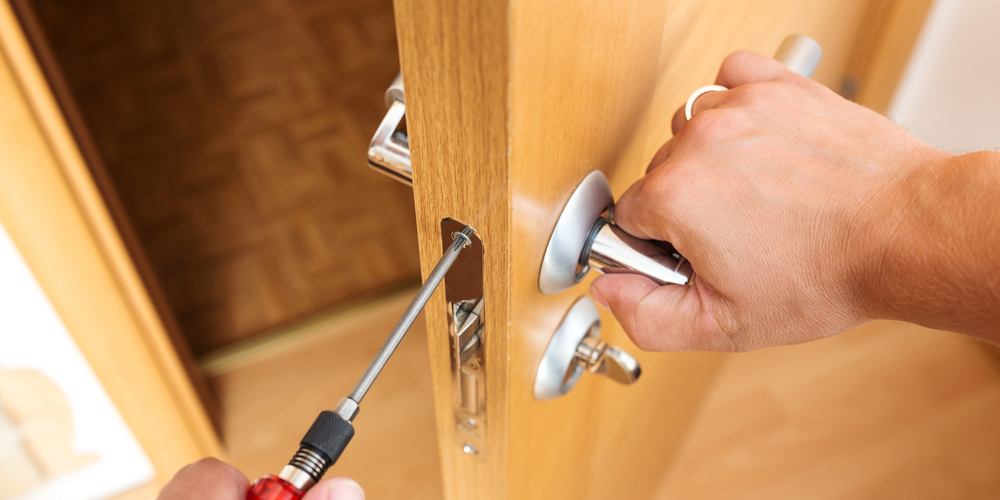
Examine the key for bends or damage. A worn key may not fit correctly. Insert the key and turn gently. If the key feels stuck, do not force it. Check the lock cylinder for dirt or rust. A dirty lock can cause jamming. Apply a small amount of graphite lubricant inside the keyhole. Avoid oil-based lubricants as they attract dust. Try turning the key again to see if the lock moves smoothly.
Credit: unitedlocksmith.net
Lubricate The Lock
Lubricating a stuck deadbolt lock is a simple and effective way to restore smooth operation. Over time, dirt and rust can cause the lock to jam. Applying lubricant reduces friction and helps the lock parts move freely. This step often fixes the problem without needing a locksmith.
Choose The Right Lubricant
Select a lubricant made for locks or small mechanical parts. Graphite powder is a popular choice because it won’t attract dust or dirt. Avoid oil-based lubricants like WD-40, which can gum up the lock over time. Silicone spray is another good option that cleans and protects the lock.
Apply Lubricant Properly
Insert the lubricant into the keyhole and the bolt mechanism. Use a small amount to avoid excess buildup inside the lock. Insert the key and turn it several times to spread the lubricant evenly. Wipe away any excess lubricant from the lock surface with a clean cloth. Repeat the process if the lock still feels stiff.
Realign The Door And Strike Plate
Fixing a stuck deadbolt often means checking the door and strike plate alignment. The deadbolt must slide smoothly into the strike plate hole. If the door or strike plate is out of place, the lock will jam. Realigning these parts can solve the problem quickly.
Adjust Door Hinges
Loose or sagging hinges can cause the door to shift. This misalignment stops the deadbolt from fitting well. Tighten all hinge screws first. Use longer screws if needed for more support. Check if the door swings evenly and fits the frame.
If the door still sags, add a shim behind the hinges. This small fix lifts the door slightly. Test the lock after each adjustment. The deadbolt should move freely without resistance.
Modify The Strike Plate Position
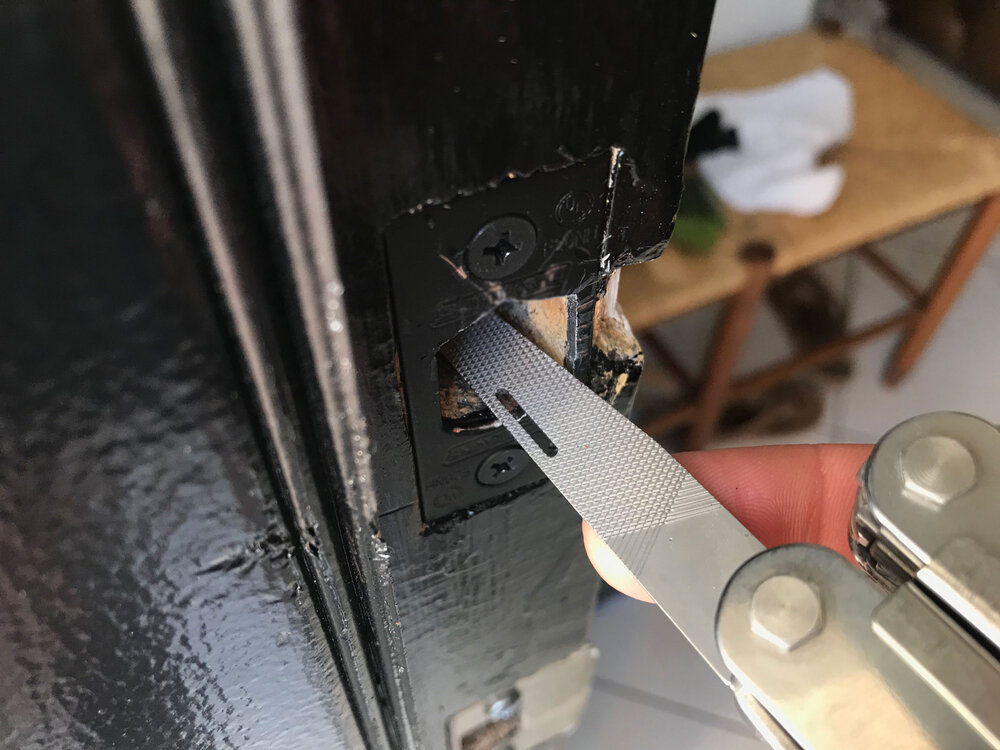
The strike plate may be off from the deadbolt’s path. Remove the screws holding the plate. Move the plate slightly up, down, or sideways to align it better. Mark the new position and drill pilot holes for screws.
Replace the plate and test the lock. The deadbolt should enter the hole easily. Use a file to widen the hole if the fit is tight. Proper strike plate alignment prevents the deadbolt from sticking.

Credit: www.youtube.com
Free A Frozen Deadbolt
A deadbolt lock can freeze in cold weather. This makes it hard to turn the key or open the door. Freeing a frozen deadbolt is simple and quick with the right steps. Acting fast prevents damage to the lock and door.
Use Heat To Thaw
Apply gentle heat to the frozen deadbolt. Use a hairdryer on low heat. Hold it a few inches away from the lock. Warm air will melt the ice inside the lock cylinder.
A lighter can work, but be careful. Avoid direct flames on the lock. Heat the key too, then gently insert it. Turn the key slowly to free the lock.
Do not force the key. Forcing can break the lock or key. Repeat heating and turning until the lock moves smoothly.
Prevent Future Freezing
Keep the lock dry to avoid freezing again. Wipe off snow and ice from the door area. Use a silicone spray lubricant inside the lock. This repels water and reduces friction.
Check weather stripping around the door. Replace if it lets cold air in. A tight seal keeps moisture away from the deadbolt.
Try to warm the door area on very cold nights. A small heater or heat tape can help. Regular care keeps your deadbolt working in winter.
Repair Or Replace Damaged Components
Repair or replace damaged components in a deadbolt lock to restore smooth operation. Sometimes, parts wear out or break over time. Fixing these parts can often solve the problem without buying a new lock. Understanding which parts need attention is key to a quick repair.
Identify Worn Or Broken Parts
Check the deadbolt for visible damage. Look at the bolt itself, the cylinder, and the screws. See if the bolt moves freely or gets stuck. Inspect the key and the keyhole for wear signs. Loose or missing screws can cause issues. Note any rust or dirt blocking movement.
Steps To Replace The Deadbolt
First, remove the screws holding the lock on the door. Pull out the lock cylinder and the bolt carefully. Take the old deadbolt to a store to find an exact match. Insert the new bolt into the door hole. Attach the new cylinder and tighten all screws. Test the lock by turning the key and the knob. Adjust the strike plate on the door frame if needed. This helps the bolt fit perfectly.
Credit: www.theprolock.com
Prevent Future Issues
Preventing a deadbolt lock from getting stuck again saves time and frustration. Simple care keeps the lock working smoothly. Small steps can stop problems before they start.
Regular Maintenance Tips
Clean the lock regularly with a soft cloth. Avoid using water or harsh chemicals. Dust and dirt can cause the lock to jam. Apply graphite powder or silicone spray to the keyhole. These lubricants help the lock move easily. Check screws and tighten them if loose. Loose parts can misalign the lock. Test the lock after maintenance to ensure smooth operation.
Best Practices For Lock Usage
Use the key gently. Forcing the key can damage the lock. Turn the key slowly and fully. Remove the key after locking or unlocking. Leaving the key inside can cause jams. Avoid heavy keychains that pull on the lock. Teach all users how to operate the lock correctly. Proper use extends the life of the deadbolt.
Frequently Asked Questions
How Can I Fix A Stuck Deadbolt Lock Quickly?
Start by lubricating the lock with graphite or WD-40. Check for misalignment and tighten screws. If needed, gently tap the bolt to loosen it.
What Causes A Deadbolt Lock To Get Stuck?
Deadbolt locks get stuck due to dirt buildup, rust, or misaligned components. Weather changes can cause metal to expand, making the lock hard to turn.
Can I Fix A Stuck Deadbolt Lock Myself?
Yes, most stuck deadbolts can be fixed with basic tools and lubrication. Follow proper steps to avoid damaging the lock or door.
When Should I Replace A Stuck Deadbolt Lock?
Replace the lock if lubrication and adjustments don’t work. Also, consider replacement if the lock is old, damaged, or compromised in security.
Conclusion
A stuck deadbolt lock can cause real frustration. Trying simple fixes first often saves time and money. Lubricate the lock and check for debris inside. Tighten screws and align the strike plate carefully. Small steps can make the lock work smoothly again.
If problems continue, consider calling a locksmith for help. Taking action quickly keeps your home safe and secure. Don’t ignore a stuck lock—it can get worse over time. Stay patient and follow these easy tips to fix it.


