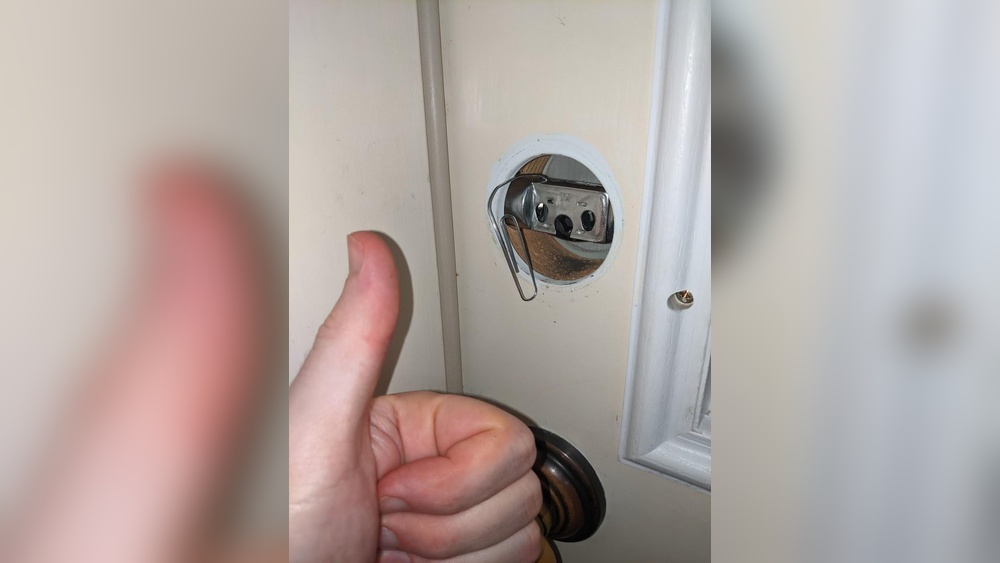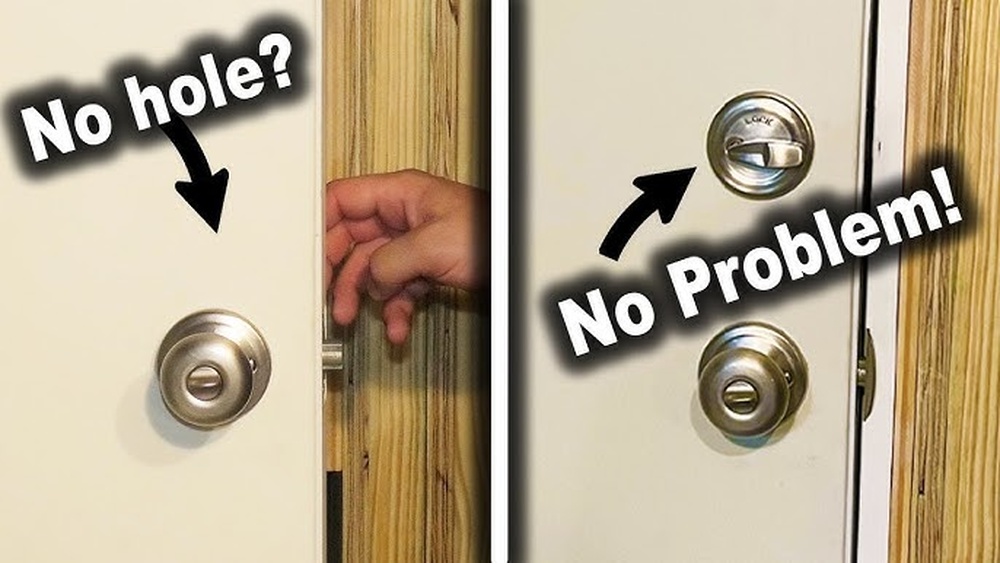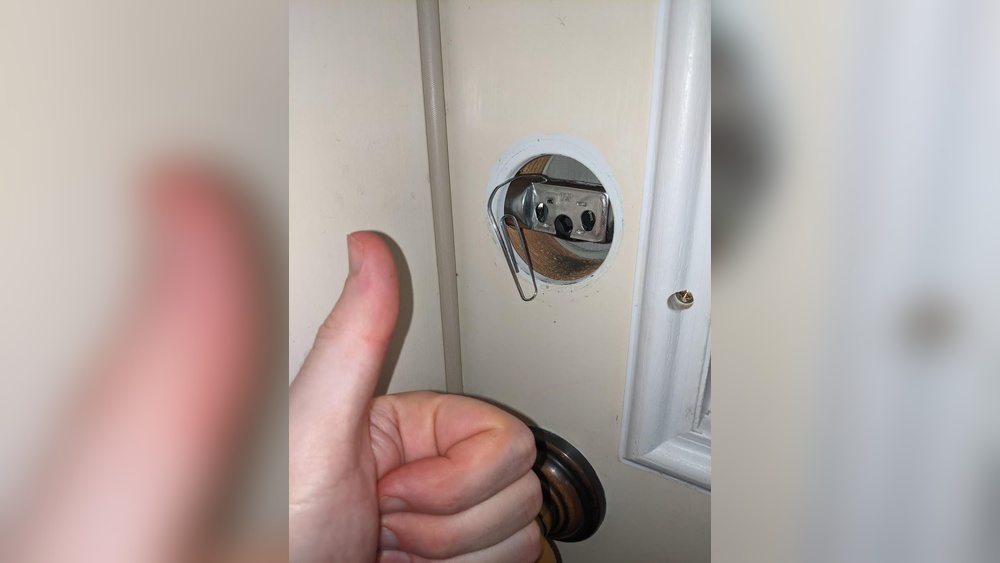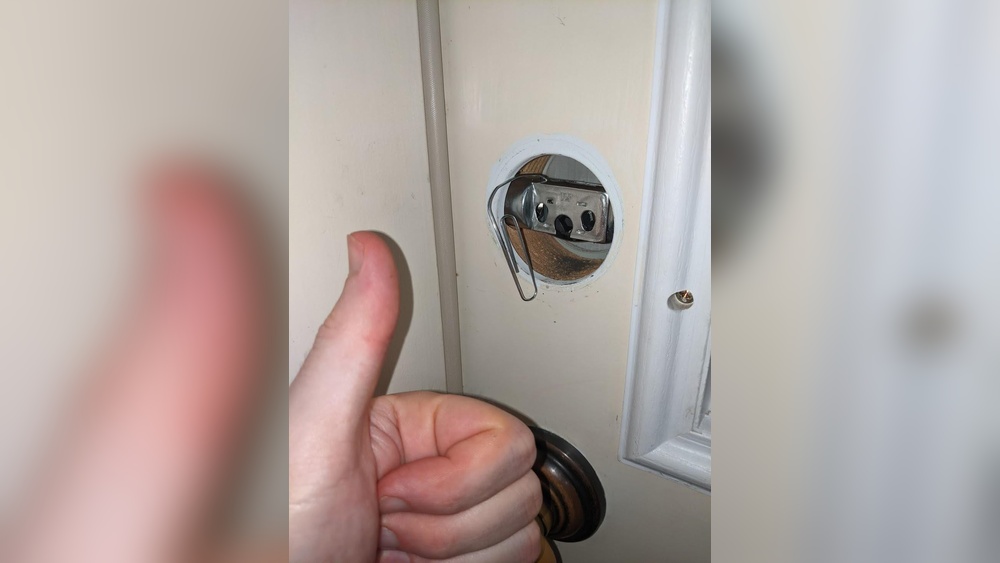
Is your deadbolt stuck and refusing to turn? It can be frustrating and even stressful when you can’t lock or unlock your door smoothly.
But don’t worry—you don’t have to call a locksmith just yet. With a few simple steps, you can fix that stuck deadbolt yourself. In this guide, you’ll learn easy and effective ways to get your lock working perfectly again. Keep reading, and by the end, you’ll feel confident tackling the problem on your own.
Identify The Cause
Before fixing a stuck deadbolt, find out what causes the problem. Knowing the cause helps you apply the right solution. Common issues include dirt, misalignment, and weather effects. Check each factor carefully to save time and effort.
Check For Dirt And Debris
Dirt and dust can block the lock mechanism. Look inside the keyhole and around the bolt. Use a flashlight to see clearly. Clean with a small brush or compressed air. Removing debris often frees the deadbolt.
Inspect The Lock Alignment
Misaligned locks cause the bolt to stick. Check if the door and frame line up. Close the door slowly and watch the bolt’s path. Tighten loose screws on the lock and strike plate. Adjusting the alignment may solve the issue.
Examine The Weather Conditions
Cold or wet weather can make locks stiff. Metal parts may contract or freeze. Look for signs of rust or ice buildup. Warm the lock gently or apply lubricant made for locks. Weather-related problems often need simple care.

Credit: www.youtube.com
Basic Fixes For A Stuck Deadbolt
A stuck deadbolt can be frustrating. Simple problems often cause it to jam. Basic fixes can solve most issues quickly. Start with easy steps before calling a locksmith. These fixes need few tools and little time. Follow these tips to get your deadbolt working again.
Lubricate The Lock
Dry locks often cause deadbolts to stick. Use a graphite or silicone spray lubricant. Avoid oil-based lubricants as they attract dust. Spray a small amount into the keyhole. Insert and turn the key several times. This spreads the lubricant inside the lock. The deadbolt should move more smoothly after this.
Tighten Loose Screws
Loose screws can misalign the deadbolt parts. Check screws on the lock and door frame. Use a screwdriver to tighten any loose screws. Tight screws hold the lock firmly in place. This prevents the deadbolt from sticking or jamming. Check screws regularly to keep the lock stable.
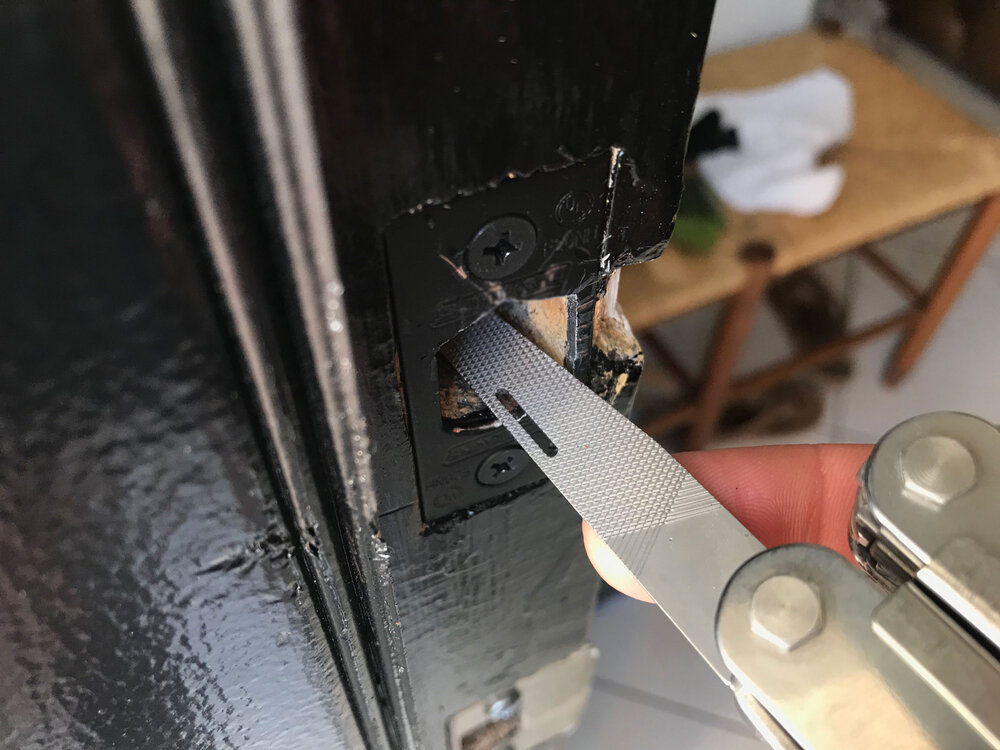
Adjust The Strike Plate
The strike plate is where the deadbolt slides in. Misalignment can cause the deadbolt to catch. Inspect the strike plate for damage or loose screws. Loosen the screws and move the plate slightly. Test the deadbolt to see if it fits better. Tighten the screws once the deadbolt slides smoothly. This simple adjustment often fixes sticking problems.
Tools You Might Need
Fixing a stuck deadbolt requires the right tools. Having these tools ready saves time and effort. It also helps avoid damage to the lock or door. Below are the essential tools you might need for the job.
Lubricants Suitable For Locks
Use lubricants made for locks. Graphite powder is a popular choice. It does not attract dust or dirt. Silicone-based sprays also work well. Avoid oil-based lubricants like WD-40. They can gum up the lock over time. Proper lubrication helps the deadbolt move smoothly.
Screwdrivers And Wrenches
Screwdrivers are necessary to remove the lock’s faceplate. A Phillips or flathead screwdriver fits most screws. Wrenches help loosen or tighten bolts on the lock. Having both tools ensures you can handle all parts. Using the right size prevents stripping screws or bolts.
Cleaning Supplies
Clean dirt and debris inside the lock. Use a small brush to reach tight spaces. Compressed air can blow out dust and particles. A soft cloth wipes away excess lubricant and grime. Keeping the lock clean helps it function better and last longer.

Credit: www.ifixit.com
Advanced Troubleshooting
Advanced troubleshooting helps fix deadbolts that still stick after basic checks. It involves precise steps to solve hidden problems. These methods require careful attention and some tools. Follow each step carefully for the best result.
Realign The Door Frame
Check if the door frame moves or sags. A misaligned frame often blocks the deadbolt. Close the door slowly. Notice if the bolt hits the frame. Use a screwdriver to adjust the hinges. Tighten loose screws or replace broken parts. Measure the gap between the door and frame. Make sure it is even from top to bottom. Realigning the frame can clear the bolt’s path.
Replace The Deadbolt Cylinder
The cylinder may wear out or break inside. This causes the key to stick or not turn. Remove the screws on the faceplate. Pull the cylinder out gently. Take it to a hardware store for a match. Install the new cylinder by reversing removal steps. Test the deadbolt with the new cylinder. It should turn smoothly without force.
Check The Key For Damage
Inspect the key for bends or worn teeth. Damaged keys often jam inside the lock. Try a spare key to see if it works better. If the spare turns easily, replace the damaged key. Avoid using force to turn a bent key. Damaged keys can harm the lock cylinder too. Cut a new key if needed to prevent future problems.
Preventive Tips
Preventing a deadbolt from getting stuck saves time and stress. Small habits keep locks working smoothly. Follow these tips to avoid common issues.
Regular Maintenance Routine
Check your deadbolt every few months. Clean the keyhole with a soft brush to remove dirt. Apply a small amount of lubricant like graphite powder. Avoid using oil sprays that attract dust. Test the lock to ensure smooth turning.
Protect Locks From Weather
Rain, snow, and dust harm locks over time. Use a weather-resistant cover or shield. Keep the lock dry and clean after bad weather. Avoid water entering the keyhole. This prevents rust and freezing problems.
Use Quality Deadbolts
Buy deadbolts made of strong materials like brass or steel. Cheap locks break or stick more often. Good quality locks last longer and need less repair. Choose locks with good reviews and proper certifications.
Credit: www.theprolock.com
Frequently Asked Questions
Why Is My Deadbolt Stuck And Won’t Turn?
A stuck deadbolt often results from dirt, rust, or misalignment. Lubricate the lock with graphite powder. Check the strike plate and door alignment for proper fitting.
How Can I Fix A Deadbolt That Won’t Unlock?
Try lubricating the keyhole and deadbolt mechanism. Gently wiggle the key while turning. If stuck, inspect for internal damage or call a locksmith.
What Lubricants Work Best For A Stuck Deadbolt?
Graphite powder and silicone-based lubricants are best. Avoid oil-based products as they attract dust and cause clogging over time.
Can Temperature Changes Cause Deadbolt Problems?
Yes, extreme cold or heat can cause metal to expand or contract. This may misalign the lock and cause it to stick or jam.
Conclusion
Fixing a stuck deadbolt is easier than it seems. Small steps like cleaning, lubrication, or adjusting parts help a lot. Take your time and follow the tips carefully. Avoid forcing the lock to prevent damage. Regular care keeps your deadbolt working smoothly.
Simple maintenance saves money and stress later. A working lock means better home safety and peace of mind. Try these fixes before calling a locksmith. You can handle this!