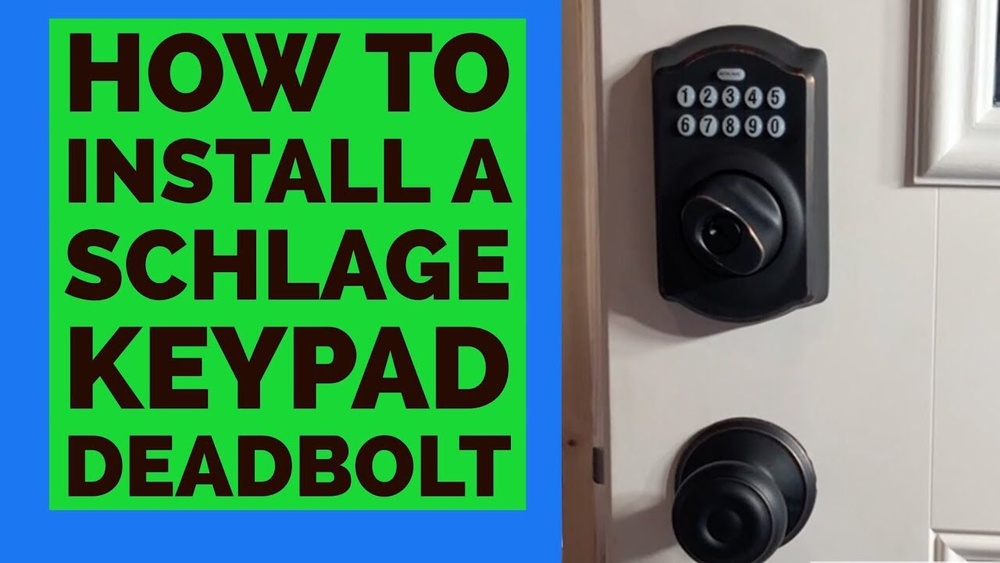
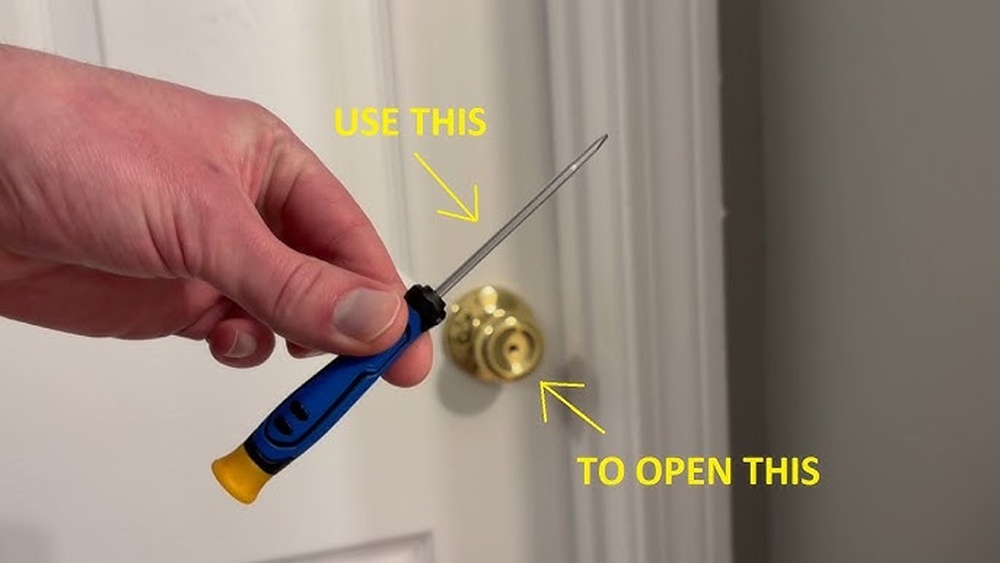
Have you ever faced the frustrating moment when your deadbolt breaks and leaves your door stuck? It can feel like a small problem that quickly turns into a big headache.
But don’t worry—you’re not alone, and you can fix this. You’ll discover simple, practical steps to get that broken deadbolt out without calling a locksmith. By the end, you’ll have the confidence and know-how to handle this tricky situation yourself.
Ready to take control and unlock your door? Let’s dive in.
Tools Needed
Removing a broken deadbolt requires the right tools. Using proper tools saves time and avoids damage. Gather everything before starting the job.
Basic Hand Tools
Start with simple hand tools found in most homes. A screwdriver set is essential. Choose flathead and Phillips screwdrivers. Pliers help grip and twist parts. A hammer can gently tap stuck pieces. A utility knife cuts through debris or worn parts. Keep a flashlight nearby for better visibility.
Specialized Equipment
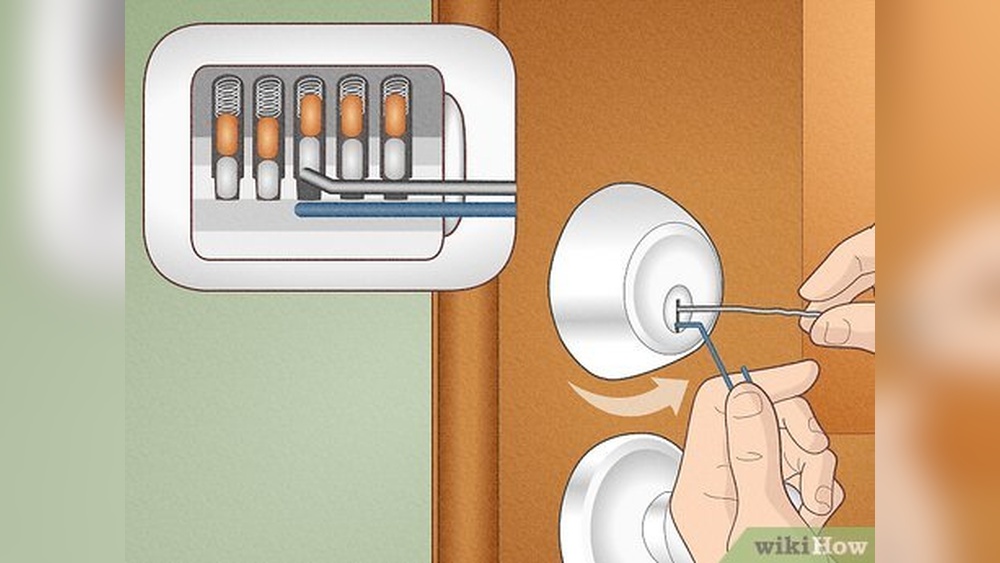
Some situations need special tools. A drill with metal bits may be necessary. It helps remove screws or break the lock. A small pry bar can lift parts carefully. Lock removal tools exist for tough jobs. These include lock picks or broken key extractors. Use these only if comfortable or seek help.
Assessing The Deadbolt
Before removing a broken deadbolt, start by assessing it carefully. This step helps you understand the problem clearly. Knowing the deadbolt’s condition guides you through the right removal method. It also prevents causing more damage to the door or lock.
Check For Visible Damage
Look closely at the deadbolt and the door around it. Check for cracks, bends, or broken parts on the lock. Notice any loose screws or pieces sticking out. These signs show how badly the deadbolt is damaged. This information helps decide if you can fix it or need to replace it.
Determine The Type Of Break
Identify how the deadbolt is broken. Is the key stuck inside or has the lock cylinder snapped? Sometimes, the bolt itself may be jammed or broken inside the door. Each type of break needs a different approach to remove the deadbolt safely. Knowing this saves time and effort during removal.
Removing The Exterior Plate
Removing the exterior plate is a key step to get a broken deadbolt out. This plate covers the lock mechanism on the outside of the door. Taking it off carefully lets you access the broken parts inside. Doing this properly helps avoid damage to the door or lock. Use the right tools and follow safe methods to remove the plate smoothly.
Locate Screws And Fasteners
First, find all screws holding the exterior plate. Look around the edges of the plate for small screws. Some may be hidden under caps or paint. Use a flathead screwdriver to pop off any covers. Make sure to check both sides of the door if needed. Keep screws in a safe place to avoid losing them. Knowing where each screw is helps remove the plate evenly.
Safe Removal Techniques
Use a screwdriver that fits each screw well. Turn screws slowly to avoid stripping their heads. If screws are stuck, apply a little oil and wait a few minutes. Gently pry the plate away from the door after screws are out. Avoid forcing or bending the plate to prevent damage. Work carefully and keep your hands steady. This step opens the way to fix or replace the deadbolt.
Extracting The Broken Deadbolt
Extracting a broken deadbolt can seem tough. The deadbolt might be stuck or broken inside the door. Removing it carefully stops more damage to the door or lock. This section shows simple ways to pull out the broken deadbolt safely.
Using Pliers And Screwdrivers
Start by removing the lock’s faceplate. Use a screwdriver to take out screws holding it. Look inside for the broken deadbolt piece.
Grab the broken part with pliers. Pull it slowly and gently. Avoid twisting too hard to stop damage. If the deadbolt is loose, it should come out easily.
Use a flathead screwdriver to nudge small stuck pieces. Work carefully around edges to free the parts. Small movements help avoid breaking the lock further.
Applying Lubricants For Stuck Parts
Lubricants make stuck deadbolts easier to move. Spray a small amount into the lock opening. Let it sit for a few minutes to work.
Try moving the deadbolt again with pliers or a screwdriver. The lubricant should help loosen tight spots. Repeat the spray if the deadbolt still won’t budge.
Use lubricants like WD-40 or graphite powder. Avoid oils that can gum up the lock over time. This method saves effort and protects the lock parts.
Dealing With Internal Mechanisms
Dealing with internal mechanisms is a key step in removing a broken deadbolt. The lock’s inner parts can get stuck or damaged. Understanding these parts helps fix the problem faster. Start by carefully opening the lock to see inside. This approach reduces the risk of further damage.
Accessing The Lock Cylinder
First, remove the screws holding the lock faceplate. Use a screwdriver that fits well. Gently pull the cylinder out from the door. Sometimes, the cylinder is stuck tight. Tap lightly with a rubber mallet to loosen it. Avoid using too much force to prevent breaking the lock further.
Once the cylinder is free, check for visible damage. Look for broken pins or debris inside. Clean out any dirt or metal shavings. This step helps the lock parts move smoothly again. Keep all parts in a safe place for reassembly.
Handling Jammed Springs
Jammed springs inside the lock cause the deadbolt to stick. Springs may bend or break under stress. Use a small tool like tweezers or needle-nose pliers. Gently pull or reposition the springs. Be patient and careful to avoid snapping them.
If a spring is broken, replace it with a new one. Springs are cheap and available at hardware stores. Test the lock movement after fixing springs. Smooth movement means the internal parts work correctly. Repeat adjustments until the deadbolt moves freely.

Credit: www.kardolocksmith.com
Quick Fixes For Temporary Use
Broken deadbolts can cause stress. Quick fixes help keep your door secure for now. These temporary solutions give you time to get a proper repair or replacement. They use simple tools and easy steps. Here are two ways to manage a broken deadbolt quickly.
Using Wire Or Paperclips
Take a strong wire or large paperclip. Straighten it out carefully. Slide the wire into the keyhole or latch area. Try to move the broken parts inside by twisting or pushing gently. This may release the stuck bolt or let you pull it out. Be patient and avoid forcing it hard. Small movements work best.
Securing The Door Temporarily
Use a wooden wedge or a metal bar to block the door from opening. Place it under the door or between the door and frame. This stops the door from swinging open easily. You can also use a heavy object to hold the door shut from inside. These fixes keep your home safer until you fix the deadbolt properly.
When To Call A Professional
Knowing when to call a professional is important in dealing with a broken deadbolt. Some problems need expert help to avoid making things worse. Trying to fix complex issues alone can cause more damage or even lock you out completely.
Signs Of Complex Damage
Look for deadbolts that do not turn at all. Broken or bent parts inside the lock show serious damage. Rust and corrosion also make repairs difficult. If the key breaks inside the lock, this is a clear sign. Loose or wobbly deadbolts suggest internal problems. These signs mean the lock might need special tools or skills to fix.
Avoiding Further Damage
Stop using force on the deadbolt to prevent more harm. Twisting hard or hitting the lock can break it more. Avoid using random tools that can damage the door or frame. A wrong move might make the lock harder to fix or replace. Calling a professional can save time and money by preventing bigger problems.

Credit: www.wikihow.com
Preventing Future Breakage
Preventing future breakage of a deadbolt saves time and money. Small steps help keep your lock strong and working well. Regular care and the right lock choice make a big difference. Learn how to avoid damage before it happens.
Regular Maintenance Tips
Clean your deadbolt often. Dust and dirt can cause it to stick or break. Use a soft cloth and mild cleaner. Avoid harsh chemicals that harm metal parts.
Lubricate the lock every six months. Use graphite or silicone spray for smooth movement. Oil can attract dirt, so avoid it.
Check for loose screws and tighten them. Loose parts can cause the lock to fail under pressure. Test the lock regularly to catch problems early.
Choosing Durable Locks
Pick locks made from strong metals like steel or brass. These resist wear and breakage better. Look for locks with high security ratings.
Consider locks with reinforced bolts and anti-drill features. They offer extra protection against force. A good lock withstands rough use without breaking.
Ask for locks with a warranty. It shows the maker trusts their product. Replace old or weak locks with new, sturdy ones.

Credit: www.youtube.com
Frequently Asked Questions
How Do I Remove A Broken Deadbolt From A Door?
Start by unscrewing the lock’s interior screws. Use pliers or a screwdriver to pull out the broken parts carefully. If stuck, try drilling the lock cylinder to release it. Always wear safety gear and take your time to avoid door damage.
What Tools Are Needed To Extract A Broken Deadbolt?
You’ll need a screwdriver, pliers, drill with drill bits, and a replacement deadbolt. A lubricant spray helps loosen tight parts. For stubborn locks, a lock extractor tool can be useful. Having these tools ready ensures a smooth removal process.
Can I Fix A Broken Deadbolt Without Replacing It?
Minor jams can be fixed by lubricating the mechanism or tightening screws. However, if the deadbolt is physically broken, replacement is safer. Repairing a damaged lock compromises security. Always assess the damage before deciding to fix or replace.
How Long Does It Take To Remove A Broken Deadbolt?
Removing a broken deadbolt typically takes 15 to 30 minutes. Time depends on the lock’s condition and your experience. Having the right tools ready speeds up the process. Patience is key to avoid damaging the door or lock.
Conclusion
Removing a broken deadbolt takes patience and the right tools. Start with small steps, like loosening screws or using pliers carefully. Stay calm and work slowly to avoid damage. If the deadbolt won’t budge, ask for help from a locksmith.
Taking your time saves money and stress. You can handle this with simple methods and some effort. Keep safety in mind and protect your door. Now, you have a clear path to fix your broken deadbolt.