If you want to make your home safer, installing a deadbolt lock on your wood door is one of the best steps you can take. You might think it’s a tough job that needs a professional, but with the right guidance, you can do it yourself quickly and easily.
Imagine having the peace of mind that comes from knowing your door is securely locked every time. You’ll find simple, clear instructions that will help you install a deadbolt lock without any hassle. Keep reading, and by the end, you’ll have the skills to protect your home like a pro.
Credit: www.familyhandyman.com
Tools And Materials Needed
Installing a deadbolt lock on a wood door requires specific tools and materials. Having these items ready makes the job easier and faster. Each tool has a role in ensuring the lock fits perfectly and works well.
Gathering the right materials helps avoid mistakes. It also ensures a secure and safe lock installation. Below are the essential tools and materials needed for the task.
Tools Required
- Power drill with drill bits
- Hole saw kit (usually 2 1/8 inches)
- Screwdriver (Phillips and flathead)
- Chisel
- Hammer
- Measuring tape
- Pencil or marker
- Square or combination square
- Awl or nail punch
- Safety glasses
Materials Needed
- Deadbolt lock set (including latch, strike plate, and keys)
- Wood screws (usually included with the lock)
- Wood filler (optional, for fixing mistakes)
- Sandpaper (medium grit)

Credit: www.youtube.com
Choosing The Right Deadbolt
Choosing the right deadbolt is key for your door’s safety. It affects how secure your home feels. A good deadbolt fits well and works smoothly. It should match your door type and your security needs.
Types Of Deadbolts
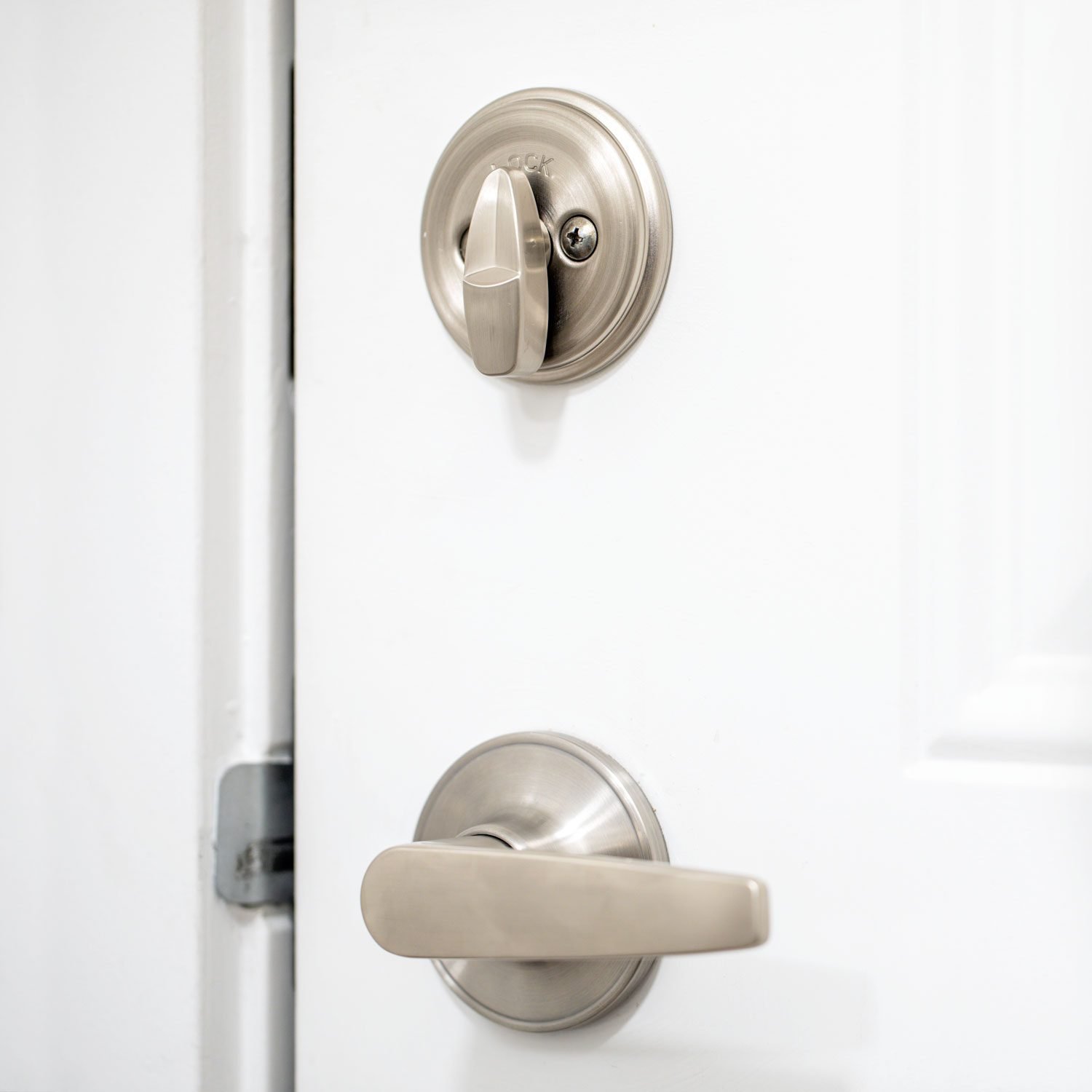
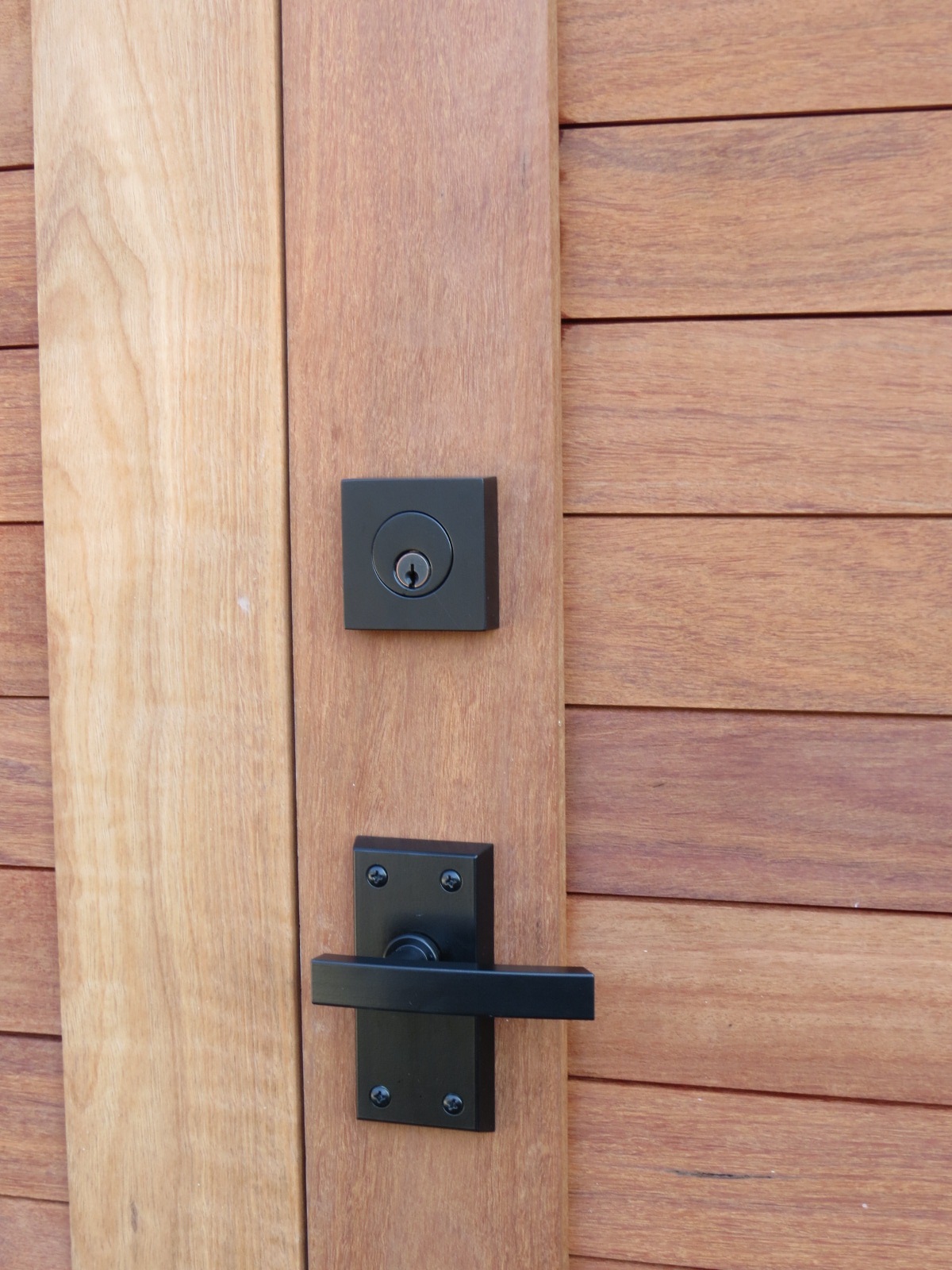
Single-cylinder deadbolts use a key outside and a thumb turn inside. They are common and easy to use. Double-cylinder deadbolts need a key on both sides. Use these if your door has glass near the lock. They stop intruders from breaking glass and unlocking the door.
Material And Finish
Choose strong materials like steel or brass for durability. These materials resist wear and break-ins. Pick a finish that matches your door hardware. Common finishes include satin nickel, bronze, and chrome. A good finish protects against rust and weather.
Security Features
Look for deadbolts with hardened steel bolts. These bolts resist cutting and sawing. Some deadbolts have anti-pick pins inside the lock. This makes it harder for thieves to pick the lock. Consider locks with a reinforced strike plate. It adds extra strength to the door frame.
Size And Fit
Measure your door’s thickness before buying. Most deadbolts fit doors 1-3/8 to 1-3/4 inches thick. Check the backset, the distance from the door edge to the center of the hole. Common backsets are 2-3/8 or 2-3/4 inches. Choose a deadbolt that fits these measurements for easy installation.
Preparing The Door
Preparing the door is the first step to install a deadbolt lock. It ensures a perfect fit and smooth operation of the lock. Taking time to prepare the door properly saves effort later. Measure carefully and mark the exact spots for drilling. Clean and clear the door surface before starting. Precision is key to a secure and functional lock installation.
Marking The Lock Position
Start by measuring the height for the deadbolt. Usually, it is about 6 to 12 inches above the door handle. Use a pencil to mark the center point on the door edge. Next, mark the position on the face of the door where the lock cylinder will go. Double-check your marks to avoid mistakes. These marks guide the drilling process and ensure proper lock alignment.
Drilling The Holes
Choose the right drill bit size based on the lock instructions. Drill the hole on the door face first. Keep the drill straight to avoid angled holes. Then, drill the hole on the door edge for the latch. Remove wood debris to keep the holes clean. Test the fit by inserting the lock parts gently. Adjust holes if needed before moving to installation.
Installing The Deadbolt Mechanism
Installing the deadbolt mechanism is a key step in securing your wood door. This part holds the bolt in place and allows the lock to work smoothly. Proper installation makes sure the lock fits tightly and functions well. Take your time to follow each step carefully for the best results.
Fitting The Bolt
Start by sliding the bolt into the hole on the edge of the door. Make sure the bolt moves freely without sticking. Check the bolt’s alignment so it lines up with the strike plate on the door frame. Tighten the screws on the bolt plate to keep it secure. Do not overtighten, as this may damage the wood.
Attaching The Exterior And Interior Plates
Next, place the exterior plate with the keyhole on the outside of the door. Align its spindle through the bolt mechanism’s center hole. On the inside, fit the interior plate with the thumb turn. Make sure both plates sit flush against the door surface. Use the screws provided to fasten the plates firmly. Double-check that the thumb turn and key operate the bolt smoothly.
Securing The Strike Plate
Securing the strike plate is a key step to make your deadbolt lock strong. The strike plate holds the bolt in place when the door is locked. Proper installation stops the door from being easily forced open. It also helps the lock work smoothly every time you turn the key.
Focus on placing the strike plate correctly on the door frame. Then, use the right screws to keep it steady. These steps improve your door’s security and durability.
Positioning The Strike Plate
Start by aligning the strike plate with the bolt hole on the door frame. The plate should sit flush with the wood surface. Check that the bolt fits easily into the hole without sticking. Mark the screw holes with a pencil. Make sure the plate is level and centered. Proper positioning prevents damage to the door frame.
Installing With Screws
Use long, strong screws to secure the strike plate. Short screws can loosen quickly and reduce security. Drill pilot holes to avoid splitting the wood. Screw the plate tightly into the door frame. Double-check the plate stays flush and does not move. Tight screws keep the lock steady and resist force.
Testing The Lock Functionality
Testing the lock functionality is a key step after installing a deadbolt on a wood door. It ensures the lock works smoothly and keeps your home secure. Without proper testing, you might face issues like jamming or misalignment.
Check the lock before finalizing the installation. This saves time and avoids damage to the door or lock later.
Insert The Key And Turn
Put the key into the lock cylinder. Turn it slowly. The deadbolt should move smoothly inside the door. It must extend fully when locked and retract fully when unlocked. If you feel resistance, the lock needs adjustment.
Test The Thumb Turn
Use the thumb turn on the inside of the door. Rotate it to lock and unlock the deadbolt. The motion should be easy without forcing. Check if the bolt slides completely into the strike plate.
Check The Door Alignment
Close the door gently. The deadbolt should line up with the strike plate hole. If it does not, the bolt will not lock properly. Adjust the strike plate or door position to fix this.
Try Locking From Both Sides
Lock and unlock the deadbolt from outside with the key and inside with the thumb turn. Both sides should operate without trouble. This confirms the lock works well from every angle.
Listen For Any Unusual Sounds
Pay attention to any grinding or sticking noises. Smooth sounds mean the parts fit well. Noises suggest the lock or door needs fine-tuning.
Troubleshooting Common Issues
Installing a deadbolt lock on a wood door can sometimes bring small problems. These issues can stop the lock from working well. Knowing how to fix common troubles helps save time and avoids damage.
Below are frequent problems and easy ways to solve them. Follow these tips to make sure your deadbolt works smoothly every day.
Incorrect Hole Alignment
The lock and door holes must line up perfectly. If the lock won’t fit, check the holes carefully. Use a measuring tape to confirm the size and position. Adjust the holes with a drill for a better fit. This fix keeps the lock steady and secure.
Deadbolt Sticks Or Won’t Move
A sticking deadbolt means dirt or rough edges inside the lock. Clean the lock parts with a dry cloth. Use graphite powder or silicone spray to lubricate the bolt. Avoid oil sprays as they attract dust. Smooth movement means better security.
Key Won’t Turn Easily
If the key is hard to turn, check the key itself. Make sure it is not bent or worn out. Try another key from the same set. If the problem stays, the lock cylinder might need cleaning or replacing. A smooth key turn prevents lock jamming.
Deadbolt Doesn’t Fully Extend
The deadbolt must slide all the way into the door frame. Check the strike plate on the frame. Adjust or move the plate if the bolt hits it. Sometimes, widening the hole in the door frame solves this issue. This ensures the door locks tightly.
Loose Lock Or Handle
A loose lock or handle can cause problems with locking. Tighten all screws on the lock and handle with a screwdriver. Use longer screws if the door wood is soft. Firm locks and handles increase door safety and ease of use.
Credit: 360yardware.com
Frequently Asked Questions
How Do I Choose The Right Deadbolt Lock For Wood Doors?
Select a deadbolt designed for wood doors to ensure proper fit. Consider single or double cylinder types based on security needs. Check lock size and finish to match door style and thickness. Quality and durability are key for effective protection.
What Tools Are Needed To Install A Deadbolt Lock?
You will need a drill, drill bits, screwdriver, tape measure, pencil, chisel, and a hole saw. These tools help create precise holes and secure the lock properly. Having the right tools ensures a smooth and safe installation process.
How Deep Should I Drill Holes For A Deadbolt Lock?
Drill the edge hole at the lock’s specified depth, usually 1 inch. The face hole through the door should match the lock’s diameter and depth, commonly 2 1/8 inches. Follow the lock manufacturer’s instructions for exact measurements.
Can I Install A Deadbolt Lock Without Professional Help?
Yes, installing a deadbolt on a wood door is a DIY-friendly task. Carefully follow instructions and use the right tools. Taking your time ensures proper alignment and security. If unsure, consult a locksmith for guidance.
Conclusion
Installing a deadbolt lock on your wood door adds extra security. Follow each step carefully to avoid mistakes. Use the right tools and measure twice before drilling. Take your time to fit the lock properly. A secure door helps keep your home safe.
Practice makes the process easier next time. Now, your door is stronger and safer than before. Keep checking the lock to ensure it works well. Simple steps can make a big difference in home safety.