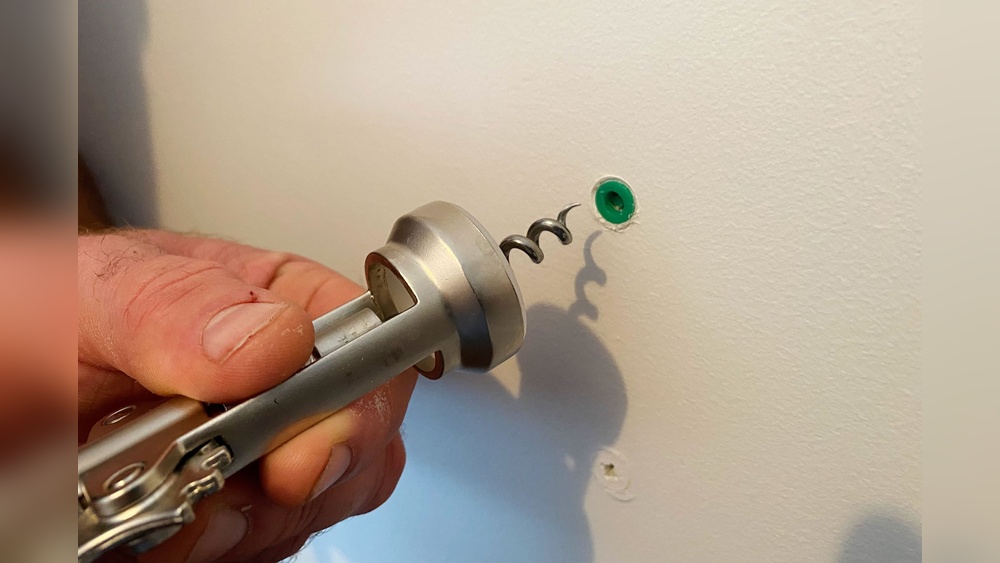
Have you ever tried to remove a wall anchor and ended up frustrated or worried about damaging your wall? Pulling out anchors might seem tricky, but with the right steps, you can do it quickly and safely.
Whether you’re fixing a mistake or preparing to repaint, knowing how to remove anchors properly saves you time and keeps your walls looking great. You’ll learn simple, effective methods to pull out anchors without hassle. Keep reading to discover the easy tricks that make this common task stress-free for you.
:max_bytes(150000):strip_icc()/how-to-remove-drywall-anchors-7562285-02-c01abbfe63374ad3a7bc1e52d0c15bb2.JPG)
Credit: www.thespruce.com
Types Of Wall Anchors
Wall anchors come in several types. Each type serves different purposes and holds different weights. Knowing the type helps when removing or replacing them. Here are the common types of wall anchors used in homes and offices.
Plastic Expansion Anchors
Plastic expansion anchors are simple and widely used. They are made of plastic and expand when a screw is inserted. These anchors work best in drywall and light materials. They hold light to medium loads well.
Toggle Bolts
Toggle bolts have metal wings that open inside the wall. They spread the weight over a large area. These anchors are strong and good for heavy items. They require a larger hole for installation.
Molly Bolts
Molly bolts are metal anchors with expandable sleeves. When tightened, the sleeve expands behind the wall. They provide a solid hold in drywall and plaster. Molly bolts support medium to heavy loads.
Self-drilling Anchors
Self-drilling anchors have sharp tips to screw directly into drywall. They do not need pre-drilling. These anchors are easy to install and remove. They are suitable for light to medium weight items.
Tools Needed For Removal
Removing anchors from walls requires specific tools to do the job safely and cleanly. Using the right tools prevents damage to the wall and makes the process easier. Below are the most common tools needed for anchor removal. Each tool serves a different purpose depending on the anchor type.
Screwdriver Options
A screwdriver is essential for loosening or unscrewing anchors. Choose between a flathead or Phillips screwdriver based on the anchor’s screw head. A manual screwdriver gives better control to avoid wall damage. For tight anchors, a screwdriver with a comfortable grip helps apply steady pressure.
Pliers And Needle-nose Pliers
Pliers are useful for gripping and pulling out anchors. Needle-nose pliers work well for small or narrow anchors in tight spaces. They provide strong grip and precision. Use pliers gently to avoid tearing the wall surface. This tool is perfect for anchors that do not unscrew easily.
Utility Knife
A utility knife helps cut around the anchor to loosen it from the wall. It also removes excess wall material or paint that sticks to the anchor. Use the knife carefully to avoid cutting too deep or damaging the wall. This tool is helpful for anchors embedded firmly in drywall.
Drill And Drill Bits
A drill can speed up anchor removal for tough or stubborn anchors. Use a drill bit slightly larger than the anchor diameter. Drill slowly to avoid enlarging the hole unnecessarily. This method works well for plastic anchors or wall plugs that resist pulling. Always wear safety glasses when drilling.
Preparing The Area
Preparing the area is the first step before pulling out anchors from a wall. It helps make the process safe and clean. Taking time to prepare can save effort and avoid damage. This section explains how to get the space ready for anchor removal.
Clearing The Space
Remove furniture and objects near the wall. This prevents accidents and gives you room to work. Clear the floor area to avoid tripping hazards. Keep tools and supplies close but out of the way.
Protecting The Wall Surface
Use painter’s tape around the anchor to protect the wall. Cover the area with a soft cloth or cardboard. This stops scratches and dents during removal. Take care not to peel off paint or wallpaper.
Removing Plastic Expansion Anchors
Plastic expansion anchors hold screws firmly in drywall or masonry. Removing them can be tricky without damaging the wall. The goal is to pull out the anchor safely while keeping the hole small. This section explains simple steps to remove plastic expansion anchors.
Unscrewing The Anchor
Start by turning the screw counterclockwise. This may loosen the anchor. Sometimes the anchor turns along with the screw. If it does, try to pull the screw out slowly while unscrewing. Stop if the anchor stays stuck inside the wall.
Prying Out With Pliers
Use needle-nose pliers to grab the anchor’s edge. Pull gently but firmly to avoid wall damage. Wiggle the anchor slightly to loosen it. For stubborn anchors, try twisting while pulling. Avoid forcing it hard to prevent holes from getting bigger.
Patching Small Holes
After anchor removal, small holes remain in the wall. Fill these holes with spackling paste or wall filler. Use a putty knife to smooth the surface. Let it dry fully before sanding it lightly. Paint over the patch for a clean finish.
Taking Out Toggle Bolts
Removing toggle bolts from a wall can be tricky. These anchors hold tightly behind the wall, making them harder to pull out than regular screws. Understanding the right steps will help you remove them safely and without damaging your wall.
Unscrewing The Bolt
Start by turning the bolt counterclockwise. Use a screwdriver that fits well. Keep turning until the bolt is fully loose. Do not pull the bolt out yet. The toggle inside may still be gripping the wall.
Retrieving The Toggle
Once the bolt is out, the toggle may fall inside the wall. Try pulling it gently with needle-nose pliers if it hangs near the hole. If it does not come out easily, do not force it. The toggle is designed to stay inside the wall cavity.
Dealing With Stuck Toggles
If the toggle stays stuck, try pushing it deeper into the wall. Use a long, thin tool like a screwdriver to push the toggle up. This will clear the hole and allow you to patch the wall later. Avoid tearing the drywall around the hole.
Extracting Molly Bolts
Extracting molly bolts from a wall can be tricky. These anchors hold tight by expanding behind the wall. Removing them without damage takes care and the right steps. Follow this guide to pull molly bolts safely and fix the wall after.
Unscrewing The Bolt
Start by turning the bolt counterclockwise. Use a screwdriver that fits well. Unscrew the bolt completely until it comes free. The metal sleeve will stay inside the wall for now.
Pushing The Sleeve Through
Next, push the sleeve into the wall cavity. Use a long nail or screwdriver to tap it gently. The sleeve will fall behind the drywall. This clears the hole for patching.
Repairing The Wall
Fill the hole with spackle or wall filler. Apply with a putty knife and smooth the surface. Let it dry fully, then sand it smooth. Paint over to match the wall color.
Handling Self-drilling Anchors
Handling self-drilling anchors requires a careful approach to avoid wall damage. These anchors screw directly into drywall or plaster without a pre-drilled hole. Removing them takes patience and the right method. This section explains how to pull out self-drilling anchors safely.
Follow simple steps to unscrew and remove stubborn anchors. After removal, learn easy tips to fix any marks on the wall. Keep your walls looking smooth and clean after anchor removal.
Unscrewing The Anchor
Start by turning the anchor counterclockwise. Use a screwdriver that fits the anchor head well. Apply steady, gentle force to avoid stripping the anchor. If the anchor moves, keep unscrewing until it comes out. Sometimes the anchor may spin without coming loose. Try pulling it out slightly while turning.
Removing Stubborn Anchors
Stubborn anchors may need extra help. Use needle-nose pliers to grip the anchor firmly. Pull slowly while twisting to loosen it. Avoid forcing the anchor out quickly to prevent wall damage. If the anchor breaks, push it inside the wall and patch the hole later. Small wall damage is easier to fix than large holes.
Wall Touch-up Tips
Fill small holes with spackle or wall putty. Apply a thin layer and smooth it with a putty knife. Let it dry fully before sanding gently. Use fine sandpaper to blend the patch with the wall. Paint over the patched area to match your wall color. These steps make the wall look like new.
Repairing Wall Damage
Removing wall anchors often leaves holes or marks on the surface. Repairing this damage helps restore your wall’s smooth look. Fixing these spots properly makes your wall ready for paint or new decorations.
Filling Holes
Start by cleaning the hole area. Remove any loose debris or dust. Use a putty knife to apply wall filler or spackle. Press the filler firmly into the hole. Smooth the surface with the knife. Let it dry fully, usually for a few hours.
Sanding And Smoothing
Once the filler is dry, sand the area gently. Use fine-grit sandpaper for a smooth finish. Sand until the filled spot blends with the wall. Wipe away dust with a dry cloth. Check for any bumps or rough edges. Repeat filling and sanding if needed.
Painting Over Repairs
Choose paint that matches your wall color. Use a small brush or roller for the repaired area. Apply thin, even coats of paint. Let each coat dry before adding another. This hides the repair and refreshes your wall’s look. Your wall will look like new again.
Tips For Damage-free Removal
Removing anchors from a wall can be tricky. Doing it wrong can damage the wall surface. Use these tips to take out anchors safely. Protect your walls and keep them looking good.
Patience and the right methods help keep the wall intact. Follow simple steps for a clean removal.
Work Slowly And Carefully
Take your time while pulling out anchors. Rushing can cause the wall to crack or chip. Move the anchor little by little. Check the wall often to avoid damage.
Use Proper Tools
Choose the right tools for the job. Needle-nose pliers or a flathead screwdriver work well. Avoid using your hands alone. Tools give better grip and control.
Avoid Excessive Force
Do not pull too hard on the anchor. Excess force can break the wall or leave holes. Apply gentle pressure and wiggle the anchor free. Patience prevents damage.

Credit: www.hgtv.com

Credit: www.wikihow.com
Frequently Asked Questions
How Do I Safely Remove Wall Anchors?
To safely remove wall anchors, first loosen them with pliers. Gently pull while twisting to avoid wall damage. For stubborn anchors, use a screwdriver to pry them out carefully.
What Tools Are Needed To Pull Out Anchors?
You need pliers, a screwdriver, and possibly a drill. Pliers help grip the anchor; screwdrivers assist in prying. A drill may be necessary for stubborn anchors or drywall plugs.
Can I Reuse Wall Anchors After Removal?
Generally, wall anchors lose grip once removed. It’s best to replace them with new anchors for secure mounting. Reusing old anchors may cause instability or wall damage.
How To Fix Holes After Removing Wall Anchors?
Fill holes with spackle or wall filler and let dry. Sand the area smooth, then repaint for a clean finish. This restores the wall’s appearance effectively.
Conclusion
Removing wall anchors takes patience and the right tools. Start gently to avoid damage. Use pliers or a screwdriver for better grip. If the anchor resists, try twisting it slowly. Always check the wall after removal for holes. Fill holes with putty or spackle for a smooth finish.
Taking your time helps keep walls neat and ready. Practice these steps for easier anchor removal next time. Simple methods work best and save you effort.

