Have you ever found yourself locked out with no key in sight? It’s frustrating and stressful, especially when you need quick access.
What if you could open a deadbolt lock using just a simple screwdriver? Knowing this trick can save you time, money, and a call to a locksmith. In this guide, you’ll discover step-by-step how to carefully and safely unlock a deadbolt with a screwdriver.
Keep reading—you might just learn a skill that could come in handy when you least expect it.

Credit: www.youtube.com
Tools Needed
Opening a deadbolt lock with a screwdriver requires specific tools. Having the right tools makes the task easier and safer. Not all screwdrivers work the same way. Picking the correct one is important. Besides the screwdriver, some extra tools may help in the process.
Choosing The Right Screwdriver
Choose a flathead screwdriver with a thin blade. It fits better into the lock’s mechanism. The blade should be strong and not bend easily. A medium-sized screwdriver is best for control. Avoid using too large or too small screwdrivers. They may damage the lock or slip out.
Additional Tools That Help
A pair of needle-nose pliers can help grip small parts. A tension wrench can apply gentle pressure inside the lock. A small flashlight aids in seeing the lock’s inside clearly. Keep a cloth handy to clean dirt from the lock. These tools increase your chances of success.

Credit: www.youtube.com
Safety Precautions
Opening a deadbolt lock with a screwdriver requires care and attention. Safety is the top priority to protect yourself and the lock. Knowing the right precautions helps avoid problems during the process.
Avoiding Damage
Use the correct screwdriver size to fit the screws properly. Forcing the tool can strip the screws or break the lock. Work slowly and gently to prevent scratches or dents on the door. Avoid applying too much pressure to protect the lock’s mechanism. Keep the area clean to see all parts clearly.
Legal Considerations
Only try to open locks that belong to you or with permission. Opening locks without permission is illegal and can cause serious trouble. Understand the laws in your area about lock handling. Always respect privacy and property rights. If unsure, seek professional help to avoid legal issues.
Identifying The Deadbolt Type
Knowing the type of deadbolt is key before trying to open it with a screwdriver. Deadbolts have different designs and locking systems. Each type needs a different approach. This section helps you identify the two most common deadbolt types. This knowledge makes the process easier and safer.
Single Cylinder Deadbolts
Single cylinder deadbolts have a keyhole on the outside. Inside, they have a thumb turn to lock or unlock. This type is common on most residential doors. The keyhole is usually round or oval. The thumb turn is simple to spot. This design allows quick locking from inside without a key.
Double Cylinder Deadbolts
Double cylinder deadbolts have keyholes on both sides. No thumb turn is present on the inside. They require a key to lock or unlock from either side. This adds extra security but can be tricky in emergencies. These locks often appear on doors with glass near the handle. This design stops intruders from breaking glass and reaching inside to unlock.
Step-by-step Opening Process
Opening a deadbolt lock with a screwdriver requires careful steps. Follow these clear instructions to work safely and effectively. Patience and focus are key to success.
Accessing The Lock Mechanism
First, remove the screws on the lock’s faceplate. Use a flathead screwdriver to gently pry off the cover. This reveals the inner lock parts. Keep the screws safe for later. Avoid forcing the cover to prevent damage.
Manipulating The Screwdriver
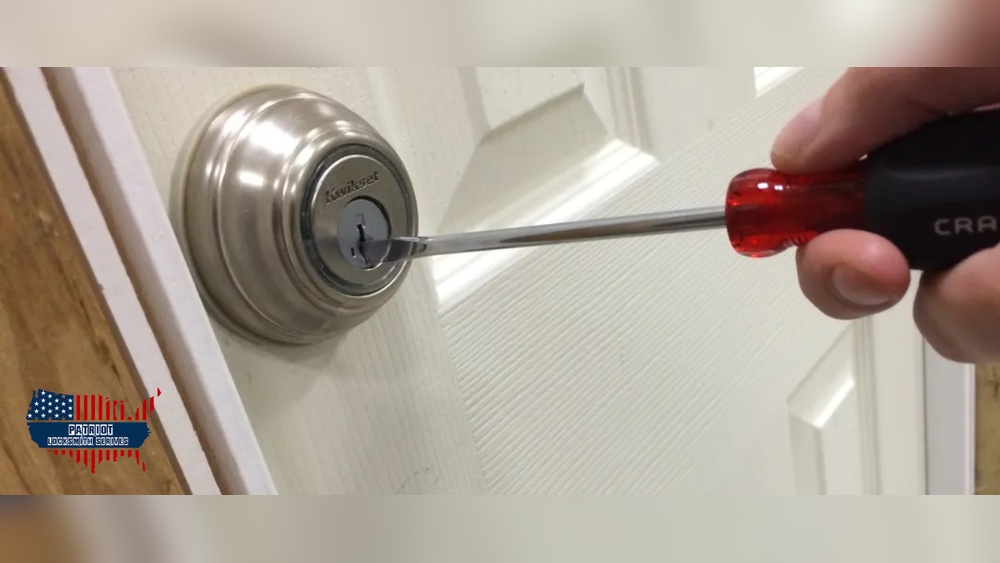
Insert the screwdriver into the exposed lock mechanism. Find the part that moves the bolt. Carefully wiggle the screwdriver to mimic the key’s motion. Small, steady movements work best. Don’t rush or use too much force.
Applying Torque Correctly
Hold the screwdriver like a key and apply slow torque. Turn it gently in the direction the key would turn. Feel for resistance and slight clicks. Stop if the screwdriver slips or jams. Proper torque helps the bolt retract smoothly.
Troubleshooting Common Issues
Troubleshooting common issues can save time and frustration when opening a deadbolt lock with a screwdriver. Problems often arise from stuck bolts or slipping tools. Knowing how to handle these issues helps keep the process smooth.
Dealing With Stuck Bolts
Stuck bolts block the lock from turning. Dirt or rust may cause this problem. Try tapping the bolt gently with the screwdriver handle. This can loosen the bolt and make it move easier.
Use a small amount of lubricant on the bolt. This reduces friction and helps the bolt slide. Avoid using too much oil; a little goes a long way. Work the screwdriver slowly to avoid damaging the lock.
When The Screwdriver Slips
A slipping screwdriver wastes effort and can hurt your hand. Ensure the screwdriver tip fits well into the lock’s slot. A tighter fit gives better control and grip.
Apply steady pressure, not too hard or too soft. Hold the screwdriver straight to prevent slipping. Wearing gloves can improve grip and protect your hands. Take breaks if your hand feels tired to keep steady control.

Credit: www.wikihow.com
Alternative Methods
Sometimes, a screwdriver is not enough to open a deadbolt lock. There are other ways that might work better. These alternative methods can help you open a lock without much effort. They need simple tools and some practice. Let’s explore two common methods you can try.
Using A Credit Card
A credit card can slide between the door frame and the lock bolt. Choose a flexible card, like a loyalty card. Insert it near the latch. Push the card while bending it away from the door. This may push the bolt back and open the door. It works best on spring bolt locks but not on deadbolts. Deadbolts are harder because they do not retract easily. Try moving the card up and down to find the right angle.
Lock Picking Basics
Lock picking needs simple tools like a tension wrench and a pick. Insert the tension wrench at the bottom of the keyhole. Apply slight pressure in the direction the key turns. Insert the pick at the top of the keyhole. Use it to lift the pins inside one by one. When all pins are set, the lock will turn open. This method requires patience and a gentle touch. Practice on old locks before trying on a deadbolt.
Preventing Future Lockouts
Lockouts can be frustrating and time-consuming. Taking steps to prevent future lockouts saves effort and stress. Simple actions can make a big difference in avoiding locked doors.
Installing Spare Keys
Having spare keys is a smart way to avoid lockouts. Give copies to trusted family members or friends. Keep one in a hidden spot outside your home. This small step ensures quick access without damage to the lock.
Upgrading Lock Systems
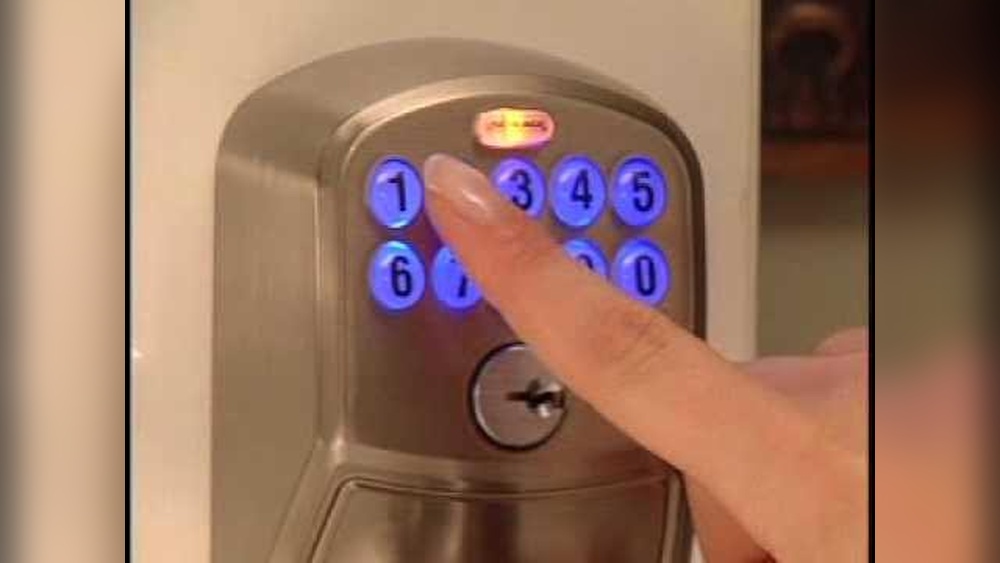
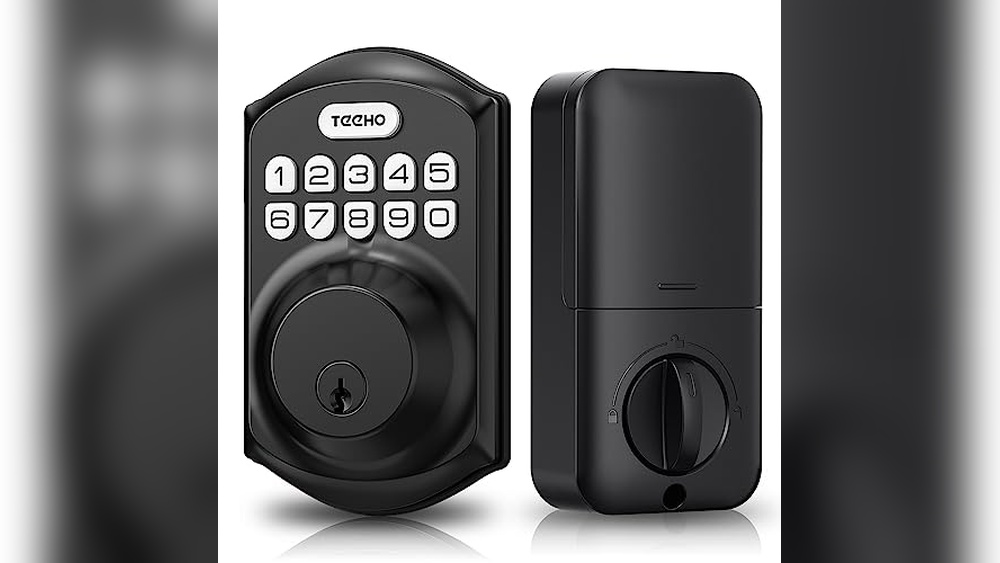
Modern locks offer better security and ease of use. Consider installing keyless entry or smart locks. These systems reduce the chance of losing keys. They also provide flexible access options for you and your family.
Frequently Asked Questions
Can I Open A Deadbolt With A Flathead Screwdriver?
Yes, a flathead screwdriver can help turn the locking mechanism. However, it requires careful alignment and gentle force to avoid damage.
Is It Legal To Pick A Deadbolt With A Screwdriver?
Picking locks you own is legal, but doing so on others’ property is illegal. Always ensure you have permission before attempting.
What Tools Are Best For Opening Deadbolt Locks?
Besides screwdrivers, lock picks or bump keys work better. Screwdrivers may only help with simple or damaged locks.
How Long Does It Take To Open A Deadbolt With A Screwdriver?
It varies but usually takes several minutes. Experience, lock type, and tool quality affect the time needed.
Conclusion
Opening a deadbolt with a screwdriver takes patience and care. Practice the steps slowly to avoid damage. Use the right screwdriver size for better control. Remember, this method only works on some locks. Always respect others’ property and laws. Stay safe and prepared for emergencies.
Now, you have a simple way to try if you’re ever locked out. Keep this guide handy for quick reference.