Have you ever found yourself standing in front of a door, frustrated because the deadbolt won’t budge? Whether you accidentally locked yourself out or the key just won’t turn, knowing how to open a door with a deadbolt lock can save you time and stress.
You’ll discover simple, effective methods to regain access without causing damage. Keep reading—you’ll learn practical tips that could turn a locked door from a problem into a quick fix.
Types Of Deadbolt Locks
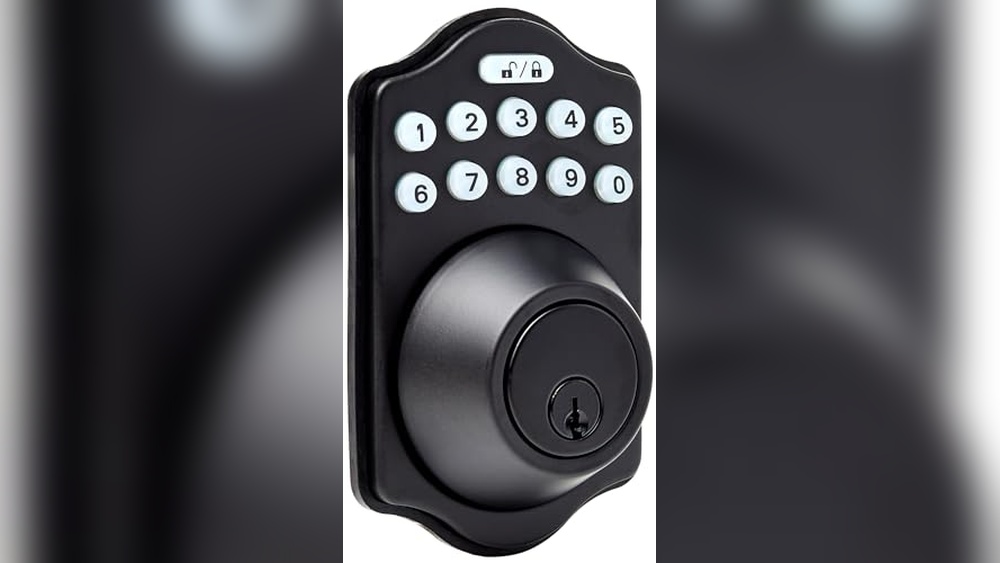
Deadbolt locks come in different types, each with a unique design. Knowing the types helps in choosing the right lock for your door. Deadbolts add strong security compared to regular locks. Below are the main types of deadbolt locks found on doors.
Single Cylinder Deadbolts
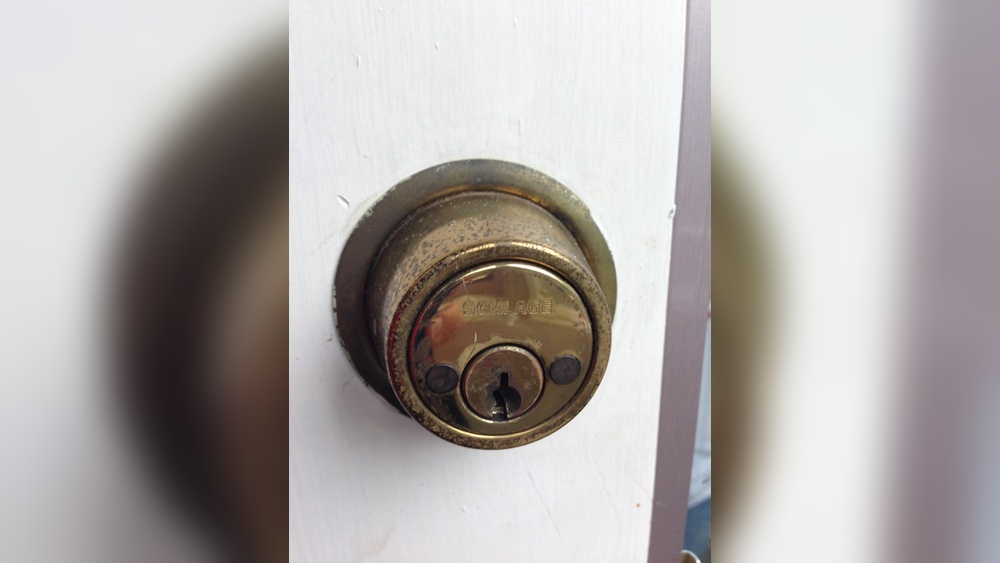
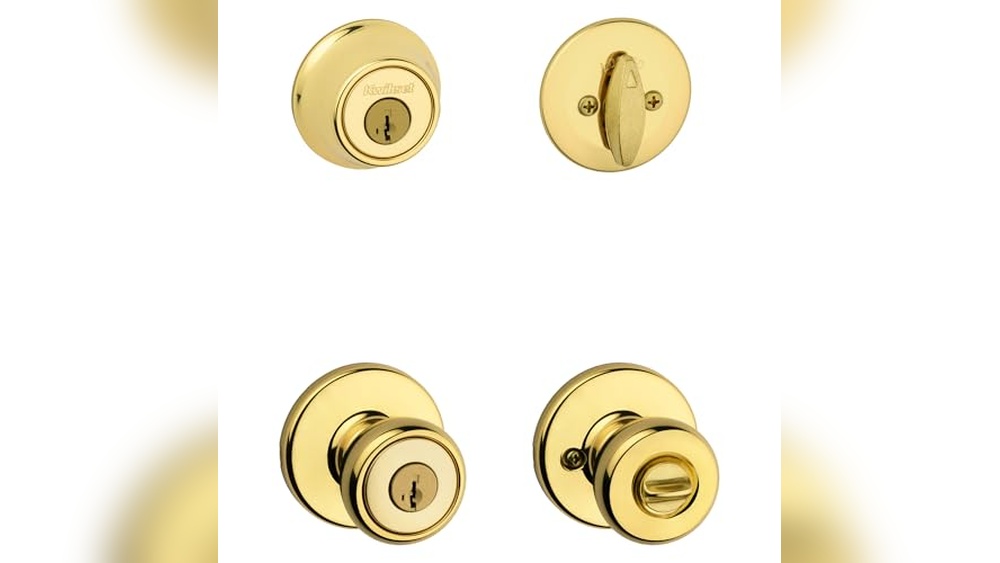
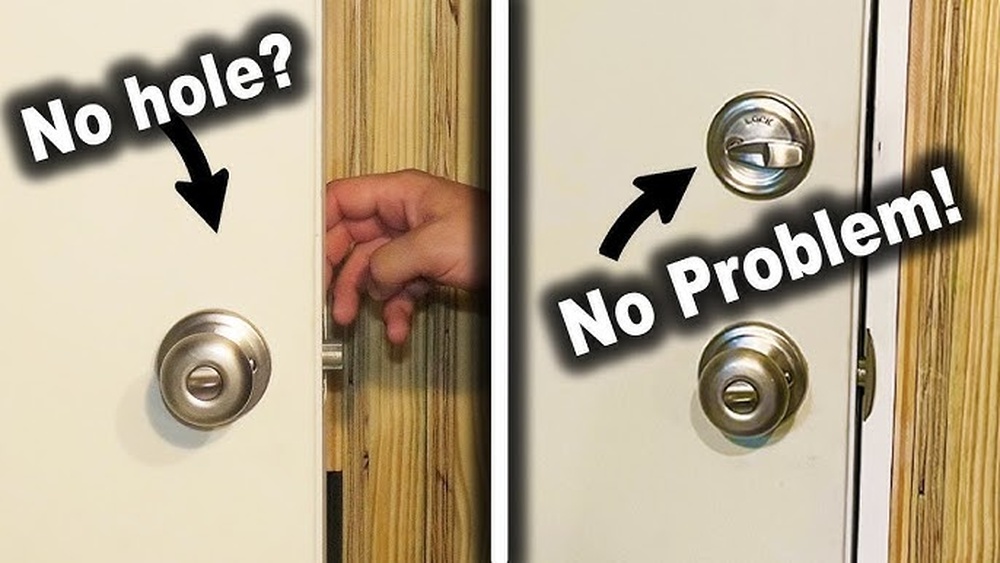
Single cylinder deadbolts have a keyhole on one side. The other side has a thumbturn to lock or unlock. This type is common for residential doors. It is easy to use and offers good security. Be careful if there is glass near the door. Intruders can break the glass and reach the thumbturn to unlock.
Double Cylinder Deadbolts
Double cylinder deadbolts need a key on both sides. No thumbturn is present inside the door. This design adds extra safety for doors with glass nearby. It prevents unlocking without a key. Use this type where safety is a higher priority. It can slow down exit during emergencies, so use with caution.
Lockable Thumbturn Deadbolts
Lockable thumbturn deadbolts combine features of the first two types. The inside thumbturn locks with a key. This stops others from turning the lock from inside. It gives control over who can unlock the door. This type adds security without needing a key every time inside.

Credit: www.art-of-lockpicking.com
Tools Needed For Opening
Opening a door with a deadbolt lock requires the right tools. The tools help you work with the lock safely and effectively. Some tools are made for locksmiths. Others can be found around the house. Knowing what tools to use is important for success.
Using the correct tools also reduces damage to the door and lock. It makes the process faster and easier. Below are the tools you might need to open a deadbolt lock.
Basic Locksmith Tools
Lock picks are the main tools for opening deadbolts. These small tools help move the lock pins. A tension wrench holds the lock in place while you pick it. A rake pick can quickly move pins inside the lock.
Plug spinners can turn the lock plug if it turns the wrong way. A bump key is a special key that can open many locks by bumping. These tools are simple but need practice to use well.
Improvised Household Items
Sometimes, locksmith tools are not available. Some household items can work in a pinch. A paperclip can be straightened and used like a pick. A bobby pin can also help move the pins inside the lock.
A small flathead screwdriver might fit into the keyhole to turn the lock. Credit cards can slide between the door and frame to push the latch back. These items are not always reliable but can work in some cases.
Methods To Open A Deadbolt
Deadbolt locks provide strong security for doors. Opening them without a key can be tricky but not impossible. Various methods exist to open a deadbolt. Each method has its tools and steps. Knowing these methods helps in emergencies or lost keys situations.
Some methods require skill, while others rely on simple tools. Always use these methods responsibly and legally. Here are some common ways to open a deadbolt lock.
Using A Key
The easiest way to open a deadbolt is with its key. Insert the key into the lock. Turn it gently to unlock the door. If the key is stuck, wiggle it slowly. Avoid force to prevent breaking the key inside.
Lock Picking Techniques
Lock picking needs patience and the right tools. Use a tension wrench and pick to feel the pins inside. Apply light pressure with the wrench. Lift each pin with the pick until all pins set. The lock will turn open. Practice is necessary to get good at it.
Bump Key Method
A bump key fits many locks of the same type. Insert the bump key into the lock. Tap the key with a small hammer or object. This action moves the pins inside quickly. Turn the key while tapping to open the lock. This method works best on older locks.
Using A Credit Card
This method works only on spring bolt locks, not true deadbolts. Slide a plastic card between the door and frame. Push the card toward the latch while pushing the door. Wiggle the card to push the latch back. The door may open if the latch is loose.
Removing The Lock Cylinder
Removing the cylinder is a last resort method. First, unscrew the lock faceplate on the door. Pull out the cylinder carefully with pliers or a screwdriver. This exposes the locking mechanism. Turn or push the mechanism to open the door. This method damages the lock.

Credit: www.youtube.com
When To Call A Professional
Sometimes, trying to open a door with a deadbolt lock can be tricky. A deadbolt is strong and built to keep your home safe. Trying to force it open might cause more damage. Knowing when to call a professional can save time and prevent costly repairs. Professionals have the right tools and skills to handle tough locks safely.
Signs You Need Expert Help
The deadbolt won’t turn at all. The key won’t go in or comes out stuck. You hear strange noises when trying to open the lock. The lock looks damaged or worn out. You lost the key and have no spare. The door won’t close or open smoothly. These signs mean the lock needs professional attention. Trying to fix it yourself might make things worse.
Choosing A Reliable Locksmith
Pick a locksmith with good reviews and proper licenses. Check if they have experience with deadbolt locks. Ask about their pricing before hiring. Choose someone who responds quickly to emergency calls. A reliable locksmith respects your property and works cleanly. Trust matters because this person will enter your home. Always save contact details of a trusted locksmith for future needs.
Preventive Tips To Avoid Lockouts
Getting locked out can be frustrating and stressful. Taking simple steps helps avoid these situations. Preventive tips keep your home secure and save time. Planning ahead is the best way to stay safe and prepared.
Spare Key Strategies
Keep a spare key in a safe, hidden spot outside. Choose a place that only you or trusted people know. Give spare keys to close family or friends nearby. Avoid obvious spots like under the doormat or flower pots. Changing the hiding place regularly adds extra security.
Regular Lock Maintenance
Check your deadbolt lock often for any signs of wear. Clean the lock with a dry cloth to remove dust and dirt. Use graphite powder to lubricate the keyhole for smooth turning. Avoid oil-based lubricants; they can attract dirt and cause jams. Fix any loose screws or parts immediately to prevent failure.
Credit: www.reddit.com
Frequently Asked Questions
How Can I Open A Door With A Locked Deadbolt?
You can open a door with a locked deadbolt by using the correct key, or with professional tools if you are authorized. If locked out, consider contacting a locksmith for safe entry without damage.
What Tools Are Needed To Unlock A Deadbolt Lock?
To unlock a deadbolt, you typically need a key, a lock pick set, or a bump key. Locksmiths may use specialized tools like tension wrenches and picks for non-destructive entry.
Can I Open A Deadbolt Without A Key Legally?
Opening a deadbolt without a key is legal only if you own the property or have permission. Unauthorized entry is illegal and punishable by law. Always ensure you have proper authorization before attempting.
Is It Possible To Unlock A Deadbolt With A Credit Card?
Unlocking a deadbolt with a credit card is generally ineffective. Deadbolts have strong locking mechanisms that prevent sliding or jiggling open. This method works better on spring locks, not deadbolts.
Conclusion
Opening a door with a deadbolt lock takes patience and care. Follow the steps slowly and stay calm. Use the right tools and techniques for the best results. Remember, practice helps improve your skills over time. Always consider safety and avoid damage to the lock or door.
With these tips, you can handle deadbolt locks more confidently. Keep learning and stay prepared for any lock challenges ahead.