Have you ever found yourself locked out because your deadbolt won’t budge? It’s frustrating, stressful, and can feel impossible to fix.
But don’t worry—you don’t need to call a locksmith right away or break down your door. In this guide, you’ll learn simple, step-by-step methods to remove a locked deadbolt from the outside safely and effectively. By the end, you’ll have the confidence and know-how to handle this common problem on your own.
Keep reading to discover how to take control and unlock your door without the hassle.
Tools Needed
Removing a locked deadbolt from the outside needs the right tools. Having the correct tools makes the job easier and safer. You do not want to damage the door or lock. Preparing all tools before starting helps avoid delays.
Tools fall into two groups. Basic tools are common and affordable. Specialized tools help with tough locks or tricky situations. Both types are useful for different steps in the process.
Basic Lock Removal Tools
Start with simple tools everyone can find. A screwdriver set is essential. Use both flathead and Phillips screwdrivers for different screws.
Pliers help grip and turn small parts. A hammer may be needed to tap loose parts gently. A utility knife can cut any sealant or paint around the lock.
A drill with drill bits is useful if screws are stuck or stripped. Tape measure helps check the lock size and door thickness. These tools cover most basic lock removal needs.
Specialized Equipment
Some locks need special tools to remove them. A lock pick set can open the lock without keys but requires skill. A bump key is another tool for non-destructive entry.
A hole saw bit fits on a drill to cut through the lock cylinder. This tool is for when the lock is damaged or jammed. A tension wrench helps turn the lock cylinder during picking.
Using specialized tools may require practice and care. They protect the door and reduce damage during removal.
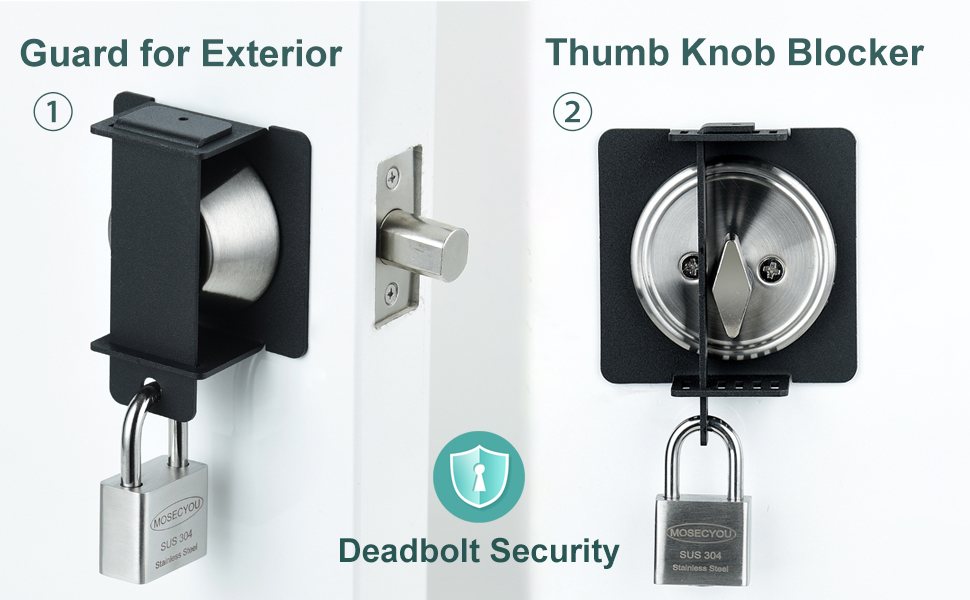
Credit: www.amazon.com
Assessing The Lock
Before removing a locked deadbolt from the outside, start by assessing the lock carefully. This step helps understand what kind of deadbolt you are dealing with and its current condition. Knowing these details makes the removal process easier and safer. Take time to check the lock closely.
Types Of Deadbolts
Deadbolts come in different types. The most common ones are single-cylinder and double-cylinder deadbolts. Single-cylinder deadbolts have a keyhole outside and a thumb turn inside. Double-cylinder deadbolts need a key on both sides. There are also digital and smart deadbolts with electronic parts. Each type requires a different removal method. Identifying the type helps plan the right steps.
Signs Of Damage Or Wear
Check the lock for any damage or wear. Look for rust, cracks, or bent parts. A worn lock may be easier to remove but also fragile. Sometimes the lock might be stuck due to dirt or corrosion. Notice if the key turns smoothly or if it feels stuck. These signs tell you what tools and care you need for removal.
Preparing The Door
Preparing the door is the first step to remove a locked deadbolt from outside. It helps make the process easier and safer. Taking time to prepare avoids damage and keeps the work neat.
Clear The Area
Remove objects near the door to get enough space. Clear furniture, rugs, and anything blocking your way. A clean area lets you work without interruption or accidents. It also helps tools and parts stay organized and easy to find.
Protecting The Door Surface
Cover the door around the lock with tape or cloth. This stops scratches and dents during the removal. Use painter’s tape for easy removal without leaving marks. Protecting the surface keeps your door looking good after the job.
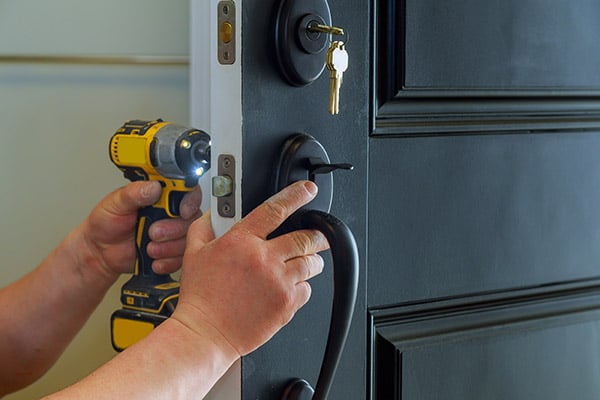
Credit: www.4feldco.com
Removing The Lock Cylinder
Removing a lock cylinder lets you access the deadbolt from outside. Start by unscrewing the faceplate and pulling out the cylinder carefully. This step is key to fixing or replacing a locked deadbolt.
Removing the lock cylinder is a key step to take out a locked deadbolt from outside. The lock cylinder holds the key mechanism inside the door. Taking it out lets you access the internal parts of the lock. This process can be done in different ways depending on your tools and skills. Two common methods are using a key or bump key and picking the lock. Both ways require patience and care to avoid damage.
Using A Key Or Bump Key
Using a key is the simplest way to remove the lock cylinder. Insert the correct key and turn it gently to the unlock position. This aligns the pins inside the cylinder. Then, you can usually slide the cylinder out with a little force. If you do not have the original key, a bump key may help. A bump key is cut to fit many locks and can move the pins when tapped. Use a small hammer or tool to bump the key while turning it. This can free the cylinder for removal. Take care not to break the key inside the lock.
Picking The Lock
Picking the lock works without a key by manipulating the pins inside the cylinder. Use a tension wrench to apply slight pressure. Then, use a pick tool to lift each pin one by one. The goal is to set all pins at the shear line. When all pins are set, the cylinder will turn. This allows you to pull the cylinder out. Lock picking needs practice and patience. Be gentle to avoid damaging the lock or door. This method suits those with some lock picking knowledge and tools.
Bypassing The Deadbolt
Bypassing a locked deadbolt from the outside is possible with careful steps. This method helps in emergencies without damaging the door. You need simple tools and patience. Understanding the lock’s mechanism is key to success.
Sliding The Bolt Back
Sliding the bolt back requires a thin, flat tool. A shim or a putty knife works well. Insert the tool between the door and the frame. Gently push the bolt to slide it inside the door. This moves the deadbolt to the unlocked position. Be careful not to force the tool too hard. Too much force may damage the door or lock.
Manipulating The Lock Mechanism
Manipulating the lock mechanism uses small tools like a tension wrench and pick. Insert the tension wrench into the keyhole. Apply slight pressure in the direction the key would turn. Use the pick to lift the lock pins inside. Move each pin until it stays in place. This mimics the key turning action. Continue until the lock cylinder turns and the deadbolt retracts. This method needs patience and practice.
Dealing With Stuck Bolts
Stuck deadbolt bolts create real problems when removing a locked deadbolt from outside. The bolt can jam or bind inside the door frame. This makes pulling or turning the bolt difficult. Knowing how to deal with these stuck bolts saves time and frustration. Using the right methods protects your door and lock from damage.
Lubrication Techniques
Start by applying a lubricant to the bolt and the keyhole. Use a graphite powder or a silicone-based spray. Avoid oil-based lubricants as they attract dust. Spray a small amount directly into the keyhole and on the bolt’s edges. Let it sit for a few minutes. The lubricant helps loosen dirt and rust inside the mechanism. Try moving the bolt gently after lubrication. Repeat if the bolt still feels stuck.
Applying Gentle Force Safely
Use gentle force to free the stuck bolt. Insert the key and turn slowly without forcing it hard. If the bolt does not move, try tapping lightly with a small hammer on the bolt’s edge. This can shake loose debris or rust. Avoid banging or using excessive force. Too much pressure can break the lock or door. Patience and small, careful movements work best to free the bolt safely.
Replacing Or Repairing The Deadbolt
Replacing or repairing a deadbolt is a practical solution when it gets stuck or locked from the outside. It can improve your door’s security and ease of use. Sometimes, a simple repair fixes the problem. Other times, a new deadbolt is the best choice.
This section guides you through choosing a new lock and offers tips for installation. Follow these steps for a smooth and safe process.
Choosing A New Lock
Pick a deadbolt that fits your door’s thickness and style. Look for strong materials like steel or brass. These last longer and resist break-ins better. Choose a lock with a good security rating. Check if the lock has a key on both sides or a thumb turn inside.
Consider the lock’s finish to match your door. Satin nickel, bronze, and brass are common options. Make sure the lock comes with clear instructions and all needed parts.
Installation Tips
Start by removing the old deadbolt carefully. Keep screws and small parts safe for reference. Align the new lock’s parts with the door holes. Use a screwdriver to tighten screws firmly but do not overtighten.
Test the lock several times after installation. Make sure the key turns smoothly and the bolt moves fully. Adjust the strike plate on the door frame if needed. It should catch the bolt tightly to secure the door.
Work in good light and take your time. A well-installed deadbolt adds security and peace of mind.
Preventing Future Lockouts
Getting locked out is stressful and can waste a lot of time. Preventing future lockouts helps avoid this hassle. Taking simple steps keeps your home safe and access easy.
Spare Key Strategies
Keep a spare key in a safe place outside your home. Choose spots hard for strangers to find but easy for you to remember. Give a copy to a trusted neighbor or friend. This way, someone can help if you lose your keys. Avoid hiding keys under mats or flower pots. These are common places burglars check first.
Smart Lock Options
Smart locks offer keyless entry using codes or phones. You can open your door without a physical key. Some models allow temporary codes for visitors or workers. Many smart locks send alerts if someone tries to open the door. These locks add convenience and improve security. Choose a smart lock that fits your door and budget. Make sure to learn how to use it properly.

Credit: www.reddit.com
Frequently Asked Questions
How Can I Remove A Locked Deadbolt From Outside?
To remove a locked deadbolt from outside, use a key, a screwdriver, or drill the lock. Start by unscrewing the exterior screws or pick the lock if you have the right tools. Drilling is a last resort to avoid damage.
Is It Possible To Remove A Deadbolt Without The Key?
Yes, you can remove a deadbolt without a key by picking the lock or drilling it. Picking requires skill and tools, while drilling permanently damages the lock. Always try non-destructive methods before drilling.
What Tools Do I Need To Remove A Locked Deadbolt?
Common tools for removing a locked deadbolt include a screwdriver, lock pick set, drill, and sometimes a hammer. The choice depends on whether you have the key or need to force the lock open.
Can I Remove A Deadbolt Without Damaging The Door?
Yes, if you have the key or use lock picking tools carefully, you can remove the deadbolt without damage. Drilling or forcing the lock usually damages the lock and sometimes the door.
Conclusion
Removing a locked deadbolt from the outside can be done with patience and care. Use the right tools and follow each step slowly. Avoid rushing to prevent damage to the door or lock. If the deadbolt still won’t budge, seek help from a locksmith.
Taking your time ensures safety and a smooth fix. Keep this guide handy for future lock problems. Your door will be secure and working again soon. Simple steps lead to easy results.