Are you staring at that stubborn metal screw anchor stuck in your wall, wondering how to get it out without damaging your paint or drywall? Removing a metal screw anchor might seem tricky, but with the right steps, you can do it quickly and cleanly.
You’ll discover simple, effective methods to remove metal screw anchors like a pro—no special tools or experience needed. Keep reading, and you’ll learn exactly what to do to fix your wall and get back to your project in no time.
Types Of Metal Screw Anchors
Metal screw anchors are common in homes and offices. They help hold objects on walls safely. Knowing the types of metal screw anchors helps you remove them correctly. Each type has a unique design and material. These details affect how you should take them out.
Common Anchor Designs
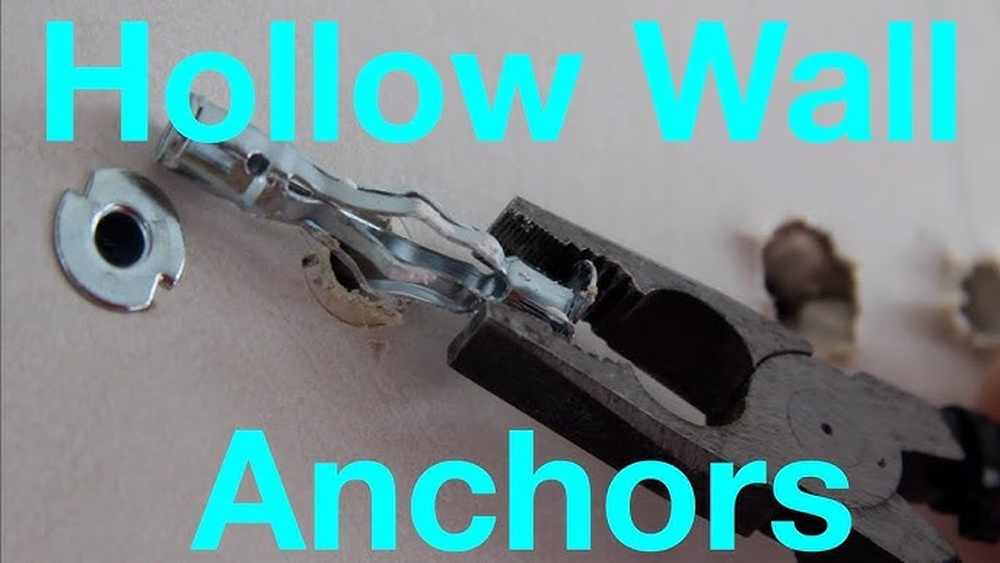
Metal screw anchors come in many shapes. Some have a hollow body that expands inside the wall. Others have wings that open up for a tight grip. There are also anchors with threads that dig into the wall. Each design suits different wall materials and weights.
Materials Used
Most metal screw anchors are made from steel or zinc. Steel anchors are strong and resist rust. Zinc anchors are lighter and cost less. Some have coatings to prevent corrosion. Knowing the material helps in choosing the right tool for removal.
Choosing The Right Removal Method
The type of anchor affects how you remove it. Expandable anchors need to be compressed before pulling out. Threaded anchors can be unscrewed like screws. Some anchors require drilling or cutting if stuck. Selecting the proper method prevents wall damage.

Credit: www.youtube.com
Tools Needed For Removal
Removing a metal screw anchor from a wall requires the right tools. Using proper tools makes the task easier and prevents damage to the wall. This section covers the basic hand tools, power tool options, and safety equipment needed for removal.
Basic Hand Tools
Start with simple tools. A screwdriver is essential to unscrew the metal anchor. Choose a flathead or Phillips screwdriver depending on the screw type. Needle-nose pliers help grip and pull out the anchor. A utility knife can score around the anchor to loosen it. A putty knife can pry the anchor gently without harming the wall surface.
Power Tools Options
Power tools make removal faster and easier. A drill with a screwdriver bit can quickly remove screws. An oscillating multi-tool with a cutting blade can cut through stubborn anchors. A rotary tool with a grinding attachment helps smooth the wall after removal. Use power tools carefully to avoid wall damage.
Safety Equipment
Safety is important during removal. Wear safety goggles to protect your eyes from dust and debris. Use gloves to protect your hands from sharp edges. A dust mask helps prevent inhaling dust particles. Work in a well-ventilated area for better air circulation.
Preparation Before Removal
Preparing the area before removing a metal screw anchor is important. It helps protect your wall and makes the removal process smoother. Taking time to get ready saves effort and avoids damage. Follow simple steps to prepare well.
Clearing The Area
Remove furniture and objects near the wall. Clear space to work comfortably. This prevents accidents and keeps items safe. A tidy area also helps you focus on the task.
Protecting The Wall Surface
Cover the wall around the anchor with painter’s tape. This protects paint and drywall from scratches. Use a cloth or cardboard to shield the floor. Protecting surfaces reduces repair work after removal.
Assessing Anchor Condition
Check if the anchor is loose or firmly fixed. Look for rust or damage on the metal. Knowing its condition helps choose the right removal method. Careful inspection avoids surprises during work.

Credit: www.concretefasteners.com
Step-by-step Removal Methods
Removing a metal screw anchor from a wall can seem tricky. This section breaks down the process into simple, clear steps. Follow these methods to take out anchors safely and cleanly. Each way fits different situations and tools you have at home.
Unscrewing The Anchor
Start by trying to unscrew the anchor. Use a screwdriver that fits the screw head well. Turn the screwdriver counterclockwise gently. If the anchor moves, keep unscrewing until it comes out. Sometimes the anchor is loose and unscrews easily. Stop if it feels stuck to avoid damage.
Pulling Out With Pliers
Use pliers to pull the anchor out if unscrewing fails. Grip the anchor head firmly with the pliers. Pull straight out with steady force. Wiggle slightly to loosen the anchor if needed. Avoid twisting too much to prevent wall damage. This method works best for anchors that stick out.
Using A Screwdriver And Hammer
Place the screwdriver tip under the anchor edge. Tap the screwdriver handle gently with a hammer. This lifts the anchor from the wall. Move the screwdriver around the anchor to loosen it evenly. Pull the anchor out once it is loose enough. Use light taps to protect the wall surface.
Drilling Out The Anchor
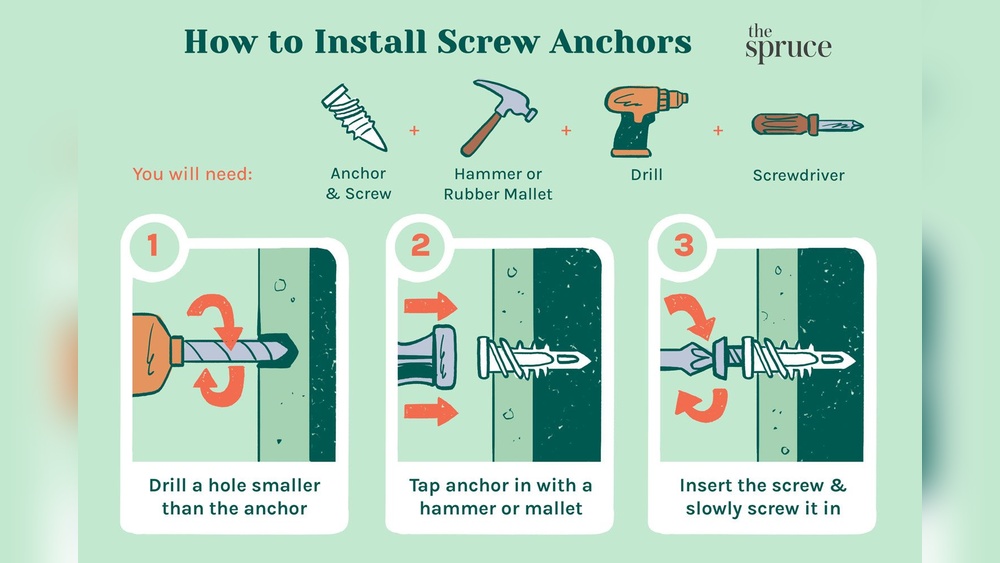
Drill out the anchor if other methods fail. Use a drill bit slightly smaller than the anchor. Drill slowly into the center of the anchor. This breaks the anchor inside the wall. Remove the broken pieces carefully with pliers. Clean the hole for new anchors or patching.
Preventing Wall Damage
Removing a metal screw anchor from a wall can cause damage if not done carefully. Protecting the wall ensures it looks good and stays strong. Simple steps help prevent cracks, holes, and peeling paint. These tips keep your walls safe and smooth after removal.
Avoiding Over-tightening
Do not tighten screws too much. Over-tightening can crack the wall or break the anchor inside. Turn the screw gently until it feels snug. Stop before it feels too hard to turn. This reduces stress on the wall surface.
Using Wall Repair Techniques
Small holes and cracks may appear after removal. Use light sanding to smooth rough spots. Apply a thin layer of spackling paste or wall filler. Let it dry fully before sanding again. This repairs damage and blends the patch with the wall.
Filling And Patching Holes
Choose a filler that matches your wall type. Press the filler into the hole firmly. Use a putty knife to level the surface. After drying, sand the patch so it is even. Paint over the patch to match the wall color. This hides the hole and restores the wall’s look.
Tips For Different Wall Types
Removing metal screw anchors varies depending on the wall type. Each wall material needs a different approach to avoid damage. Understanding these differences helps you remove anchors safely and cleanly.
Drywall Considerations
Drywall is soft and easy to damage. First, try pulling the anchor out gently with pliers. If it resists, push it in slightly to break the grip. Use a screwdriver to turn the anchor counterclockwise. Avoid forcing it to prevent tearing the wall. After removal, fill the hole with spackle for a smooth finish.
Concrete And Brick Walls
Concrete and brick are hard and tough. Use a hammer drill or chisel to loosen the anchor. Tap gently around the anchor to break the bond. Then, twist the anchor with pliers or a wrench. If it does not budge, drill it out carefully. Wear safety glasses to protect your eyes from dust.
Plaster Walls
Plaster walls can crack easily. Start by unscrewing the screw from the anchor. Use needle-nose pliers to pull the anchor out slowly. If it stays stuck, push it through the wall cavity. Patch the hole with plaster or joint compound. Sand it smooth after drying for a neat repair.
When To Call A Professional
Removing a metal screw anchor from a wall might seem simple. Sometimes, it turns tricky and can cause damage. Knowing when to call a professional saves time and prevents problems. Experts have tools and skills to handle tough cases safely.
Signs Of Complicated Removal
The anchor is stuck very tight in the wall. The wall shows cracks or crumbles around the anchor. You cannot turn or pull the screw out easily. The anchor is rusted or damaged. You feel unsure about causing damage while removing it.
Potential Risks
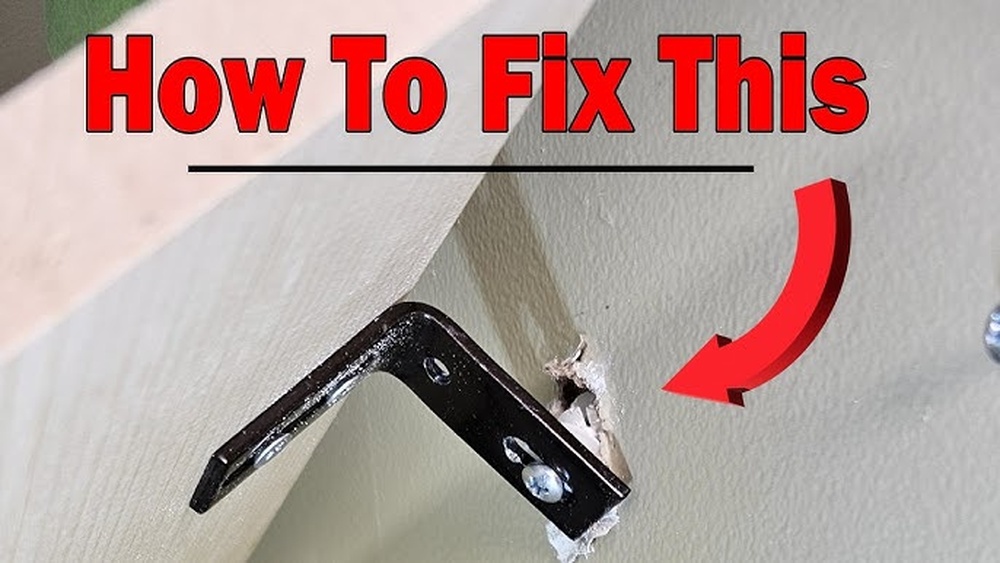
Removing anchors incorrectly can damage your wall. It may cause large holes or cracks. The wall might weaken and lose strength. You can hurt yourself using wrong tools. Damage may cost more to fix than removal itself.
Cost Vs. Diy
Doing it yourself saves money at first. But fixing mistakes can cost much more later. Professionals charge for their time and tools. They finish the job faster and with less damage. Weigh the cost of repair against hiring help.

Credit: www.youtube.com
Frequently Asked Questions
How Do You Safely Remove A Metal Screw Anchor?
To safely remove a metal screw anchor, first unscrew the metal screw completely. Then, use pliers to gently pull out the anchor. If it’s stuck, wiggle it slightly while pulling to loosen it without damaging the wall.
Can I Reuse A Metal Screw Anchor After Removal?
Reusing a metal screw anchor is generally not recommended. Removing it can deform or weaken the anchor, reducing its holding strength. For safety and stability, it’s best to use a new anchor when rehanging items.
What Tools Are Needed To Remove Metal Screw Anchors?
You need a screwdriver to remove the screw and needle-nose pliers to pull out the anchor. In some cases, a hammer and a small punch can help loosen stubborn anchors stuck in the wall.
Will Removing Metal Anchors Damage My Wall?
Removing metal anchors can cause minor wall damage. Small holes or drywall tears may occur. You can repair these with spackle or wall filler to restore a smooth surface before repainting or refinishing.
Conclusion
Removing metal screw anchors from walls is easier than it seems. Use the right tools and take your time. Gently pull or twist the anchor to avoid wall damage. If needed, patch small holes with filler for a smooth finish.
Practice safety by wearing gloves and eye protection. With patience, your wall will look neat and ready for new projects. Keep these steps in mind for a clean removal every time. Simple, quick, and effective.