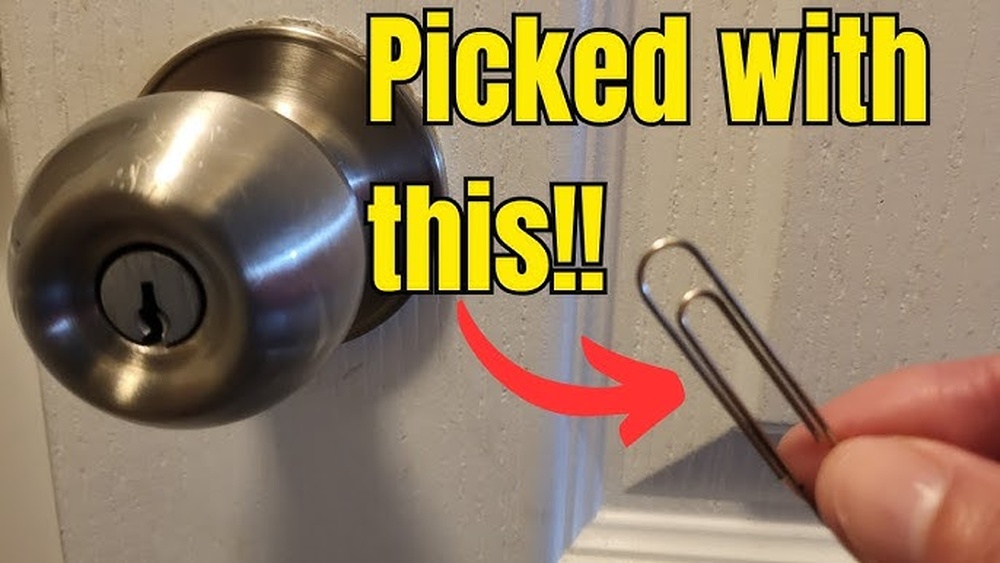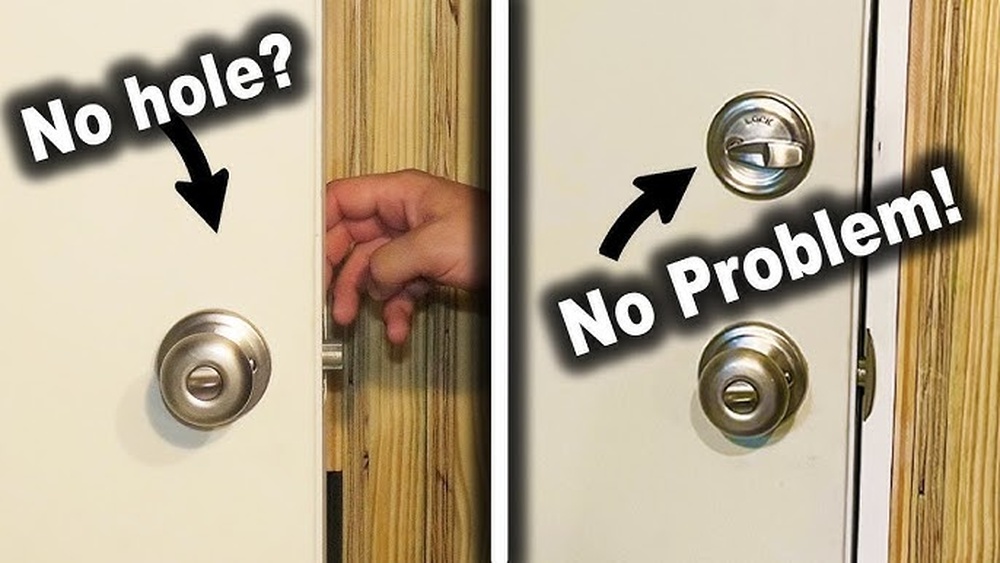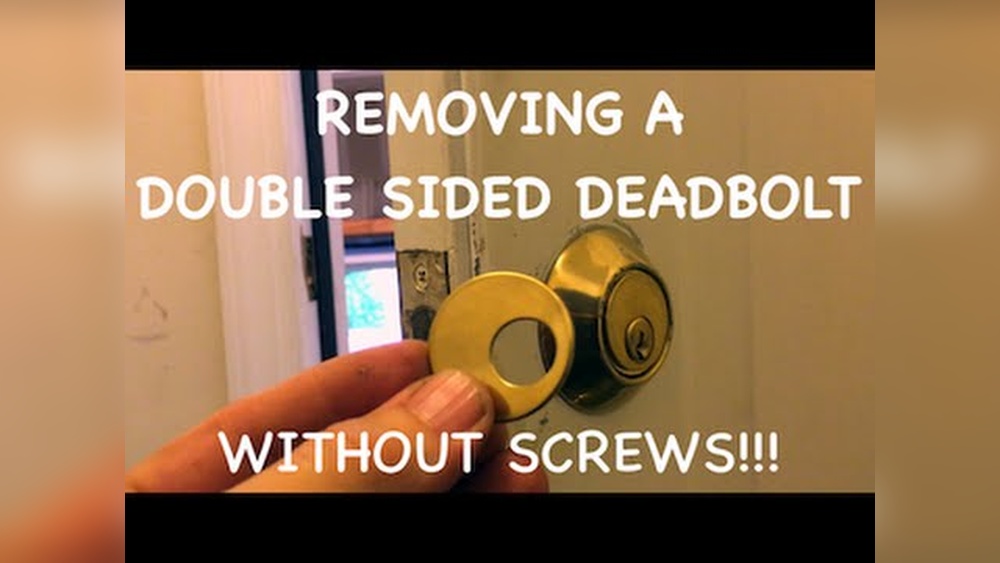
If your deadbolt lock is stuck, broken, or you just want to change it, knowing how to disassemble it is key. You might think it’s complicated, but with the right steps, you can do it yourself without calling a locksmith.
Imagine saving time and money while gaining control over your home’s security. In this guide, you’ll learn simple, clear instructions to take apart your deadbolt lock safely and easily. Keep reading—you’re closer than you think to mastering this handy skill.
Tools Needed
Before starting to disassemble a deadbolt lock, gather the right tools. Having the proper tools makes the job easier and faster. It also helps avoid damage to the lock or door.
Most deadbolt locks use common screws and parts. Simple tools are enough to take them apart. Below are the essential tools needed to disassemble a deadbolt lock.
Screwdrivers
Screwdrivers are the most important tools for this task. A flathead and a Phillips screwdriver cover most screws. Choose the correct size to fit the screws well. This prevents stripping or damaging the screw heads.
Allen Wrench (hex Key)
Some deadbolts have small hex screws. An Allen wrench set helps remove these. These tools come in different sizes, so select the right one for your lock.
Pliers
Pliers are helpful for gripping and pulling parts. Needle-nose pliers work best for tight spaces. Use them carefully to avoid scratching the lock or door.
Utility Knife
A utility knife can help remove any paint or sealant around the lock. It is also useful for cutting through any stuck material. Handle it with care to prevent injury.
Small Container
A small container or tray keeps screws and small parts safe. This prevents losing any important pieces during disassembly.
Safety Precautions
Disassembling a deadbolt lock requires care and attention to safety. Taking the right precautions protects you and your property. Follow these safety steps before and during the process.
Wear Protective Gear
Always wear safety glasses to protect your eyes from small parts or debris. Use gloves to avoid cuts from sharp edges. Proper gear keeps your hands and eyes safe.
Turn Off Power Tools
Make sure power tools are off before starting. Unplug drills or screwdrivers to prevent accidental starts. This avoids injuries during handling.
Work In A Well-lit Area
Good lighting helps you see screws and small parts clearly. It reduces the risk of mistakes. Choose a bright room or use a portable light.
Keep Small Parts Organized
Use a tray or container to hold screws and springs. This prevents losing pieces during disassembly. It also makes reassembly easier.
Avoid Force
Do not force parts apart. Gentle pressure prevents damage to the lock and tools. If something is stuck, check for hidden screws or pins.
Identify Lock Type
Identifying the type of deadbolt lock is the first step in disassembling it. Each lock type has a different design and mechanism. Knowing your lock type helps you remove it safely and correctly.
Deadbolt locks come in several common styles. Some look very simple, while others have more parts to handle. Recognizing the style helps avoid damage during disassembly.
Single Cylinder Deadbolt
This lock has a keyhole on the outside and a thumb turn on the inside. It is the most common deadbolt type found on residential doors. The thumb turn allows easy locking without a key from inside.
Double Cylinder Deadbolt
This lock uses a key on both sides. It offers extra security but requires a key to unlock from inside. This type is harder to disassemble because both sides have locking mechanisms.
Keyless Or Electronic Deadbolt
These deadbolts do not need a key. They use buttons, keypads, or smart technology. Disassembly may require removing batteries and electronic components first.
Vertical Deadbolt
The bolt moves up and down instead of in and out. This style is less common but found in some older or specialty doors. Knowing this helps in choosing the right removal method.
Remove Door Handles
Removing door handles is the first step in taking apart a deadbolt lock. This step gives you clear access to the lock mechanism inside the door. Without removing the handles, it becomes hard to reach the screws and parts you need to work on. Follow simple steps to take off the handles safely and easily.
Locate And Remove Screws
Look closely at the door handles. Find small screws holding the handles in place. Use a screwdriver that fits the screws well. Turn the screws counterclockwise to loosen them. Keep the screws in a safe place. This will help you put the handles back later.
Separate The Handles
After removing the screws, pull the handles gently. They should come away from the door without force. If the handles feel stuck, wiggle them slightly. Avoid using too much force to stop damage. Once loose, set the handles aside carefully.
Remove The Handle Plate
Look for the handle plate attached to the door. This plate covers the lock mechanism. Use the screwdriver to remove screws on the plate. Take off the plate to show the deadbolt parts. This step helps you reach the lock easily.
Unscrew Deadbolt Faceplate
Unscrewing the deadbolt faceplate is an important step in disassembling a deadbolt lock. The faceplate is the metal plate on the door edge where the bolt slides in and out. Removing it allows access to the internal parts of the lock for repair or replacement.
Take time to work carefully. The screws can be small and tight. Use the right screwdriver for better grip and control. Avoid stripping the screws to keep the lock intact.
Locate The Screws On The Faceplate
First, find the screws holding the faceplate to the door. Usually, two screws secure it. They are on the visible metal plate on the door edge. Make sure the door is open for easy access.
Use The Correct Screwdriver
Choose a screwdriver that fits the screw heads perfectly. Most deadbolt screws need a Phillips head screwdriver. A proper fit prevents damage to the screws and helps remove them smoothly.
Remove The Screws Carefully
Turn the screwdriver counterclockwise to unscrew. Apply steady pressure. Do not force the screws out quickly. Slow and steady turns work best to avoid stripping the screws or damaging the faceplate.
Take Off The Faceplate
Once screws are out, gently pull the faceplate away from the door edge. It may need a slight wiggle to loosen. Keep the screws safe for reassembly later. Now, the deadbolt mechanism inside is visible and ready for the next steps.
Extract Deadbolt Cylinder
Extracting the deadbolt cylinder is a key step in taking apart a deadbolt lock. The cylinder holds the key pins and is the part where you insert the key. Removing it carefully lets you access the inside parts for repair or replacement. This task needs patience and the right tools.
Gather Necessary Tools
Start by collecting the tools you need. A screwdriver, usually Phillips or flat-head, is essential. A tension wrench and a pick can help in some cases. Have a small container ready to hold screws and parts safely.
Remove The Deadbolt Faceplate
Unscrew the faceplate on the edge of the door. This plate covers the bolt mechanism. Take off the screws and keep them safe. Gently pull the faceplate away from the door.
Locate And Unscrew Cylinder Retaining Screw
Look for the screw holding the cylinder in place. This screw is often on the side edge of the door. Use your screwdriver to remove it. Keep this screw carefully for reassembly later.
Extract The Cylinder From The Door
Insert the key and turn it slightly to align the pins. This helps the cylinder slide out smoothly. Pull the cylinder straight out of the door. If it resists, try turning the key gently while pulling.
Handle The Cylinder With Care
Once out, place the cylinder on a clean surface. Avoid dropping or damaging it. The pins inside are delicate and can fall out easily. Keep track of all small parts for reassembly.
Disassemble Internal Components
Disassembling the internal parts of a deadbolt is key to understanding how it works. It helps with repairs or rekeying the lock. Careful steps prevent damage and keep parts safe.
Focus on removing small components gently. Each piece plays a role in the lock’s function. Keep parts organized for easy reassembly.
Remove Tailpiece
The tailpiece connects the thumb turn to the lock mechanism. Start by locating the screw holding the tailpiece in place. Use a screwdriver to remove it carefully. Then, pull the tailpiece straight out. Avoid twisting to stop breakage.
Separate Cylinder Housing
The cylinder housing holds the lock pins and plug. After removing the tailpiece, find screws on the housing. Unscrew them and gently pull the housing apart. Watch for springs inside, as they can pop out easily.
Take Out Lock Pins
Inside the cylinder, small lock pins fit tightly. Use a thin tool like a tweezers to remove each pin. Note their size and order. Keep them safe to ensure the lock works again after reassembly.

Credit: www.youtube.com
Clean And Inspect Parts
Cleaning and inspecting the parts of a deadbolt lock is a key step during disassembly. Dirt, rust, and wear can affect how the lock works. Taking time to clean and check each part helps the lock work smoothly again. It also reveals any damage that might need fixing or replacing.
Use soft cloths, brushes, and mild cleaners to remove grime. Avoid harsh chemicals that can harm metal parts. After cleaning, inspect every piece carefully. Look for signs of rust, cracks, or bending. Check the pins, springs, and cylinder closely. These small parts must be in good shape for the lock to function properly.
Cleaning The Lock Cylinder
The lock cylinder holds the key pins and the plug. Clean it gently with a soft brush to remove dust and dirt. Use a cloth dampened with mild soap water. Dry it fully to avoid rust. Avoid oil or grease inside the cylinder. These can cause the lock to stick.
Inspecting Pins And Springs
Remove the pins and springs carefully. Look for worn or bent pins that can stop the lock from turning. Springs should be firm and not stretched out. Replace any damaged pins or springs. This helps keep the lock secure and easy to use.
Checking The Deadbolt Bolt
Examine the bolt itself for rust or damage. Clean off any buildup with a cloth. Make sure the bolt slides smoothly in and out. If it sticks, it may need light sanding or replacement. A smooth bolt ensures the door locks tightly.
Troubleshooting Tips
Troubleshooting is key when disassembling a deadbolt lock. Problems can slow you down or cause damage. Knowing how to fix common issues saves time and effort. This section shares simple tips to solve usual troubles during deadbolt removal.
Identifying Stuck Screws
Screws may be tight or rusty. Use a screwdriver that fits perfectly. Apply a little oil or WD-40 to loosen them. Wait a few minutes before trying again. Avoid using too much force to prevent damage.
Handling Jammed Lock Mechanisms
The lock may not turn or come apart easily. Gently wiggle parts to free them. Spray a lubricant into the keyhole. Press the key in and turn it slowly. This can ease the internal parts.
Dealing With Missing Or Hidden Screws
Some screws may be covered by a plate or paint. Look closely around the lock. Use a flat tool to pry off covers carefully. Check for screws under the faceplate or trim. Removing these reveals hidden fasteners.
Preventing Damage To Lock Components
Use correct tools for each step. Avoid using metal tools on delicate parts. Work slowly and keep parts organized. Take photos during disassembly for easy reassembly. This protects the lock and helps later.
Credit: www.reddit.com

Credit: diy.stackexchange.com
Frequently Asked Questions
How Do I Remove A Deadbolt Lock Easily?
To remove a deadbolt, first unscrew the interior plate. Then, pull out the lock cylinder. Finally, remove the latch from the door edge. Use a screwdriver for all screws. Follow the steps carefully to avoid damaging the door or lock.
What Tools Do I Need To Disassemble A Deadbolt?
You need a Phillips screwdriver, flathead screwdriver, and sometimes an Allen wrench. These tools help remove screws and pry off parts safely. Having a flashlight is useful for better visibility inside the lock mechanism. Always work on a stable surface.
Can I Disassemble A Deadbolt Without Damaging It?
Yes, by carefully unscrewing and handling each part gently. Avoid forcing components apart. Keep track of all screws and pieces. This way, you can reassemble or replace parts without damage. Proper technique ensures the lock remains functional after disassembly.
How Long Does It Take To Disassemble A Deadbolt Lock?
Disassembling a deadbolt typically takes 10 to 20 minutes. Time depends on your experience and lock type. Having the right tools ready speeds up the process. Taking your time ensures safe removal without damage.
Conclusion
Disassembling a deadbolt lock is simpler than it seems. Follow each step carefully and take your time. Use the right tools to avoid damage. Understanding how your lock works helps you fix or replace it. Practice makes the process easier and faster.
Always keep safety in mind while working with locks. Now, you can handle a deadbolt lock confidently. Try it yourself and see the results. Stay patient and learn from each attempt.