Are you struggling to hang something heavy on your wall without leaving it damaged? Hollow white plastic wall anchors might be the simple solution you need.
These small tools can make a big difference in holding your shelves, frames, or hooks securely in place. But how do you use them correctly to get the best results? Keep reading, and you’ll learn easy steps to make your walls stronger and your projects more successful.
Let’s dive in and turn your hanging hassles into smooth, stress-free tasks!
Choosing The Right Wall Anchors
Choosing the right wall anchors is key to a strong hold. Different anchors fit different walls and weights. Picking the wrong one can cause your item to fall or damage the wall. Understand your options before starting any project.
Types Of Plastic Wall Anchors
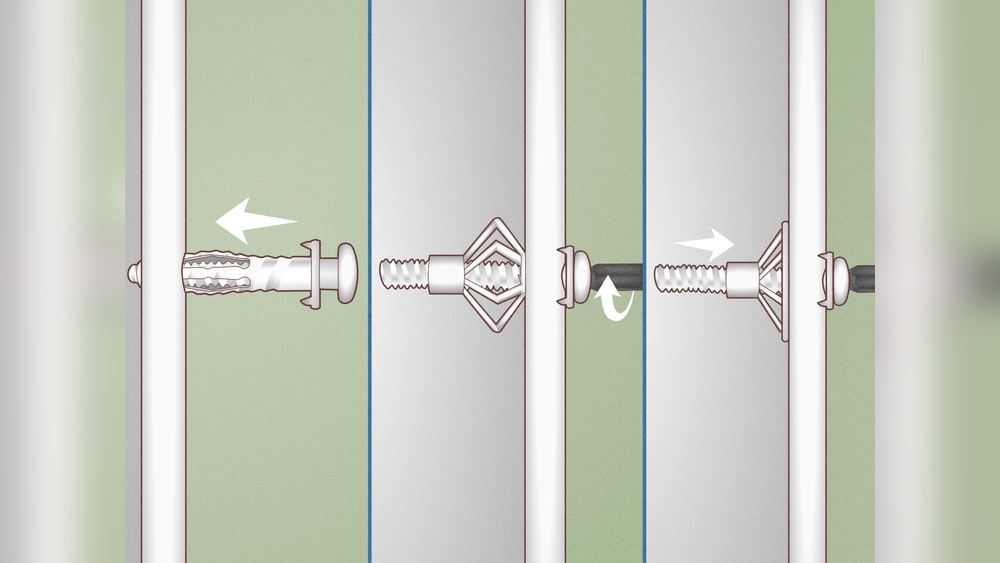
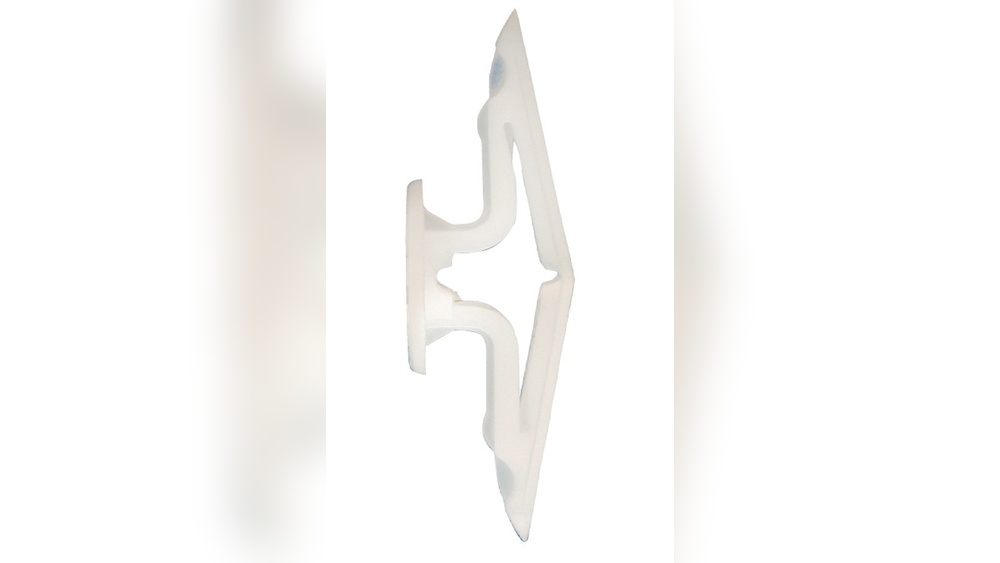
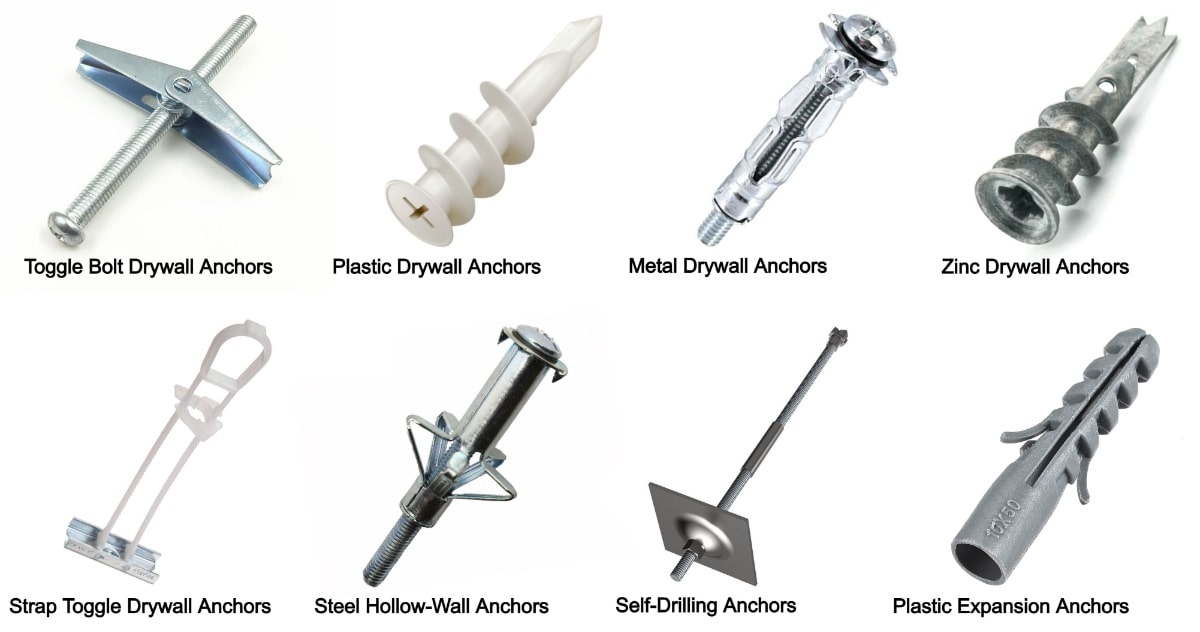
Hollow white plastic wall anchors come in several types. The most common are expansion anchors and self-drilling anchors. Expansion anchors open inside the wall to hold tight. Self-drilling anchors screw directly into drywall without pre-drilling. Each type offers specific benefits based on your project needs.
Matching Anchors To Wall Materials
Wall material affects anchor choice greatly. Drywall needs lightweight anchors like hollow plastic ones. Solid walls, like concrete, need stronger anchors or different materials. Hollow anchors work best in drywall or plaster. Always check the wall type before buying anchors to ensure a secure fit.
Credit: davids.nrw
Tools Needed For Installation
Installing hollow white plastic wall anchors requires a few basic tools. These tools help you make holes, secure anchors, and fix screws tightly. Having the right tools ensures a strong hold and smooth installation. Let’s explore the essential tools needed for this task.
Drill And Drill Bits
A drill is necessary to create holes in the wall. Use a drill bit that matches the size of the wall anchor. This helps the anchor fit snugly inside the hole. Choose a drill bit made for the wall material, such as wood, drywall, or masonry. Drilling a clean hole reduces damage and allows the anchor to work well.
Screwdrivers And Screws
Screwdrivers are used to drive screws into the anchors. You need a screwdriver that fits the screw head type, like Phillips or flathead. Screws should match the size of the anchor. Using the right screws prevents stripping and ensures a strong grip. Tighten screws carefully to avoid damaging the anchor or wall.
Measuring And Marking Tools
Measuring tools help place anchors accurately. A tape measure or ruler lets you measure the exact spot on the wall. Mark the spot clearly with a pencil before drilling. Accurate marks prevent mistakes and ensure the item hangs straight. This step saves time and avoids extra holes in the wall.
Preparing The Wall
Preparing the wall is a key step before using hollow white plastic wall anchors. It helps ensure a strong hold and a neat finish. Taking time now avoids problems later. Follow these simple steps to get ready.
Locating The Spot
First, decide where you want to place the anchor. Choose a spot on the wall that can support the weight. Avoid areas with wires or pipes behind them. Use a stud finder or knock lightly to find a safe place.
Marking The Drilling Point
Next, mark the exact point for drilling. Use a pencil or a marker for a clear dot. Check the height and alignment with other items on the wall. This step keeps your project straight and balanced.
Drilling The Hole
Choose a drill bit that fits the anchor size. Drill slowly and steadily at the marked point. Keep the drill straight to avoid a crooked hole. Clean out dust from the hole before inserting the anchor.
Installing Hollow White Plastic Anchors
Installing hollow white plastic wall anchors is a simple and effective way to hang items on drywall. These anchors provide extra support and help prevent screws from pulling out. The process involves a few clear steps to ensure the anchors hold firmly in place.
Inserting The Anchor
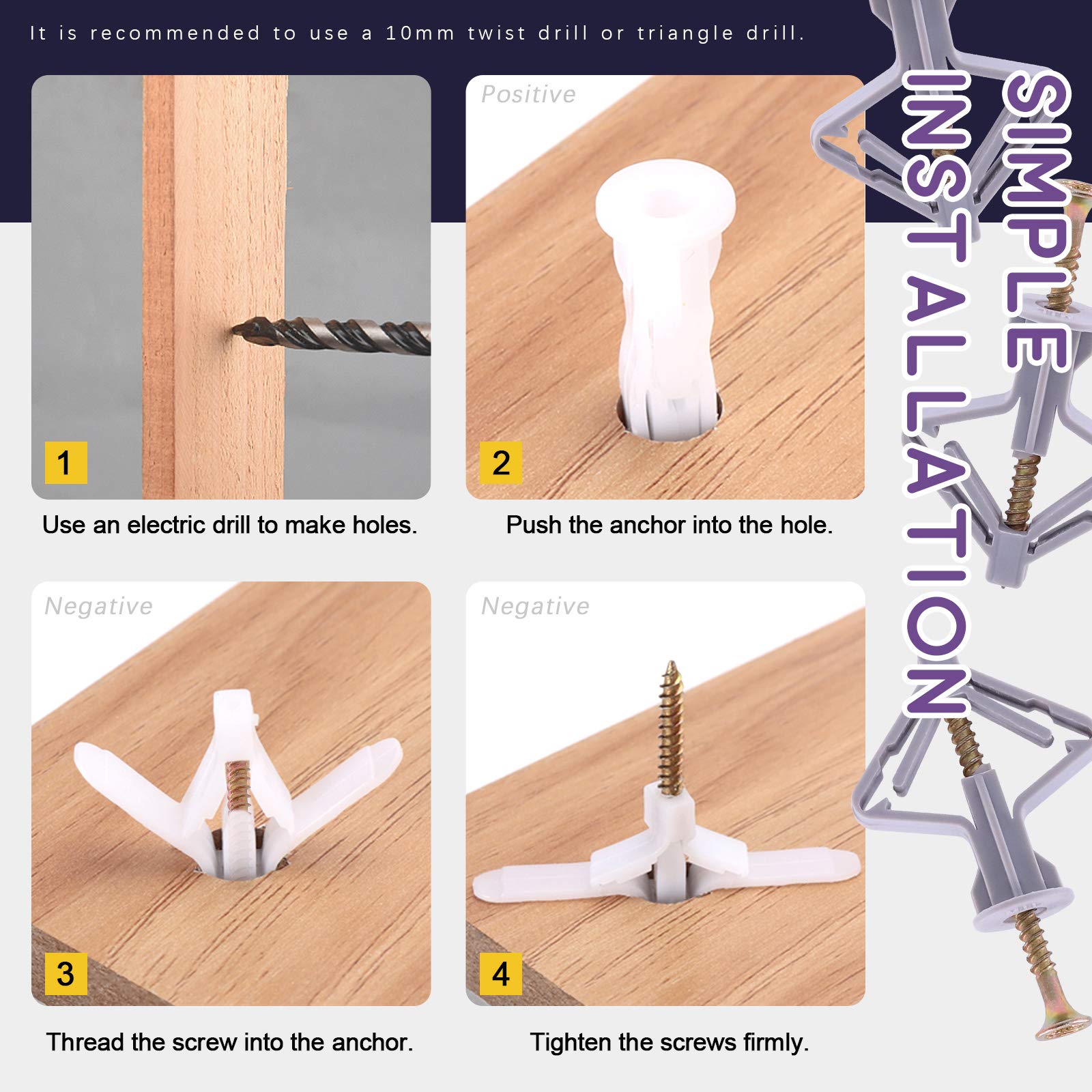
Start by drilling a hole in the wall. Make sure the hole matches the anchor size. Gently push the hollow white plastic anchor into the hole. Tap it lightly with a hammer if needed. The anchor should fit snugly without wobbling.
Ensuring A Secure Fit
Once the anchor is in the wall, insert the screw into the center. Turn the screw slowly to expand the anchor inside the wall. This expansion locks the anchor in place. Stop tightening when the screw feels firm. Avoid overtightening to prevent damage.
Attaching Fixtures With Screws
Attaching fixtures with screws using hollow white plastic wall anchors makes hanging items easy and secure. These anchors expand inside the wall, holding the screw tightly. This method supports shelves, hooks, and light fixtures without damage.
Choosing The Right Screw
Select screws that match the size of the wall anchor. If the screw is too big, it can split the anchor. Too small, and the screw won’t hold firmly. Look for screws that are slightly longer than the thickness of your fixture. This ensures a strong grip inside the wall.
Driving The Screw Into The Anchor
Start by inserting the screw gently into the anchor. Use a screwdriver or drill with low speed to avoid cracking the anchor. Turn the screw slowly and steadily. Stop when the fixture feels tight against the wall. Avoid over-tightening, as this can damage the anchor or the wall.

Credit: www.fmwfasteners.com
Tips For Stronger Anchoring
Using hollow white plastic wall anchors correctly makes your mounting strong and safe. Small steps can improve anchor hold and prevent damage. Follow these tips to get a firm grip on your walls and keep your items secure.
Avoiding Over-tightening
Turn the screw slowly and stop when it feels tight. Too much force can break the anchor or damage the wall. Tighten just enough to hold the item firmly. This keeps the anchor secure and the wall intact.
Checking Anchor Stability
After installing, gently wiggle the anchor to test its hold. A good anchor will not move or feel loose. If it shifts, remove and replace it with a larger size. Testing stability ensures your mounted item stays safe and steady.
Common Mistakes To Avoid
Using hollow white plastic wall anchors seems easy. Yet, many make simple mistakes. These errors can cause anchors to fail or walls to get damaged. Avoiding common pitfalls ensures strong, safe mounting. Here are key mistakes to watch out for.
Using Incorrect Anchor Sizes
Choosing the wrong size anchor weakens the hold. Too small anchors pull out easily. Too large anchors can crack the wall. Match the anchor size to the screw and weight load. Check the package instructions for size guidance. This step ensures the anchor fits snugly and holds well.
Ignoring Wall Material Differences
Different walls need different anchors. Drywall, plaster, and concrete vary in strength and texture. Using anchors designed for drywall in plaster can cause failure. For heavier items, use anchors made for the specific wall type. Identify your wall material before selecting anchors. This prevents damage and improves stability.
Credit: espacioeslava.com
Frequently Asked Questions
What Are Hollow White Plastic Wall Anchors Used For?
Hollow white plastic wall anchors secure screws in drywall or hollow walls. They provide strong support for lightweight fixtures. They prevent screws from pulling out easily, ensuring stability and safety.
How Do You Install Hollow White Plastic Wall Anchors?
Drill a hole matching the anchor size, insert the anchor flush with the wall, then screw in your fastener. The anchor expands inside the wall, gripping securely for strong hold.
Can Hollow White Plastic Wall Anchors Hold Heavy Items?
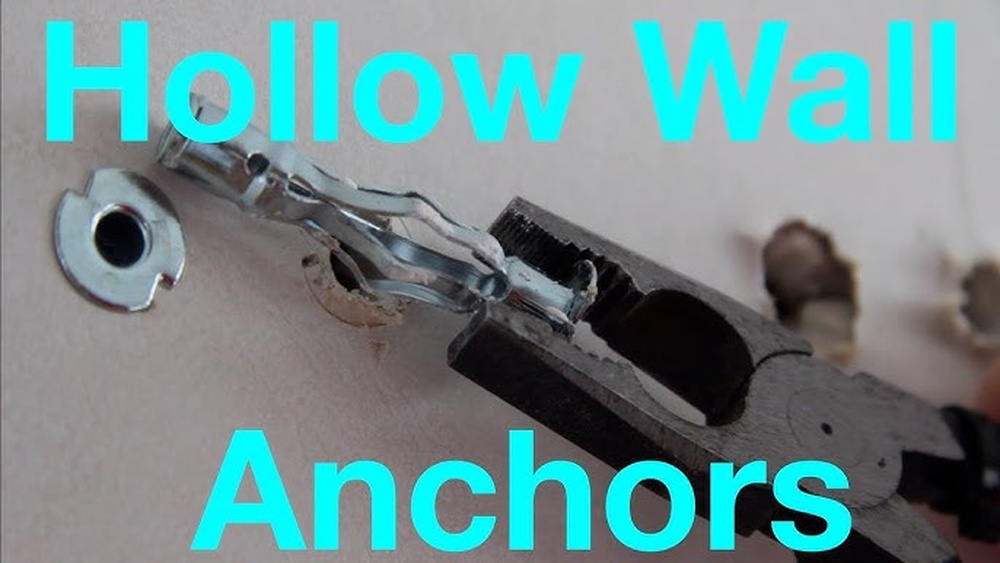
They are best for light to medium-weight items. For heavy objects, consider metal anchors or toggle bolts. Always check weight limits on packaging to ensure safe use.
Why Choose Hollow White Plastic Anchors Over Other Types?
They are easy to install, affordable, and ideal for drywall. They cause minimal wall damage and are suitable for most household projects.
Conclusion
Hollow white plastic wall anchors help hold screws in drywall. They give strong support for hanging items. First, drill a hole, then push the anchor inside. Tap it gently until flush with the wall. Screw in slowly to expand the anchor.
This keeps your items secure and steady. Using these anchors is simple and effective. With a little care, your walls stay safe and neat. Try them for light to medium loads around your home. They make mounting easy and reliable every time.